

Commentary
Venezuelans deserve to participate in collective decisionmaking and determine their own futures.
Jennifer McCoy

Source: Getty
Taiwan’s prowess in high-tech manufacturing and data privacy could make Taiwan firms unsung heroes of the global competition over standard setting for emerging technologies.
As China emerges as a major player in setting technical standards for strategic technologies, established heavyweights like the United States and nimble disruptors like Taiwan are striving to retain influence. Some of this competition will play out in intergovernmental bodies that have excluded Taipei from membership, but private-sector actors will increasingly play the dominant role. This gives Taiwan, which has some of the world’s best-in-class technology firms and an economy that prizes innovation, an opportunity to shine.
China’s emergence as a technology standard setter has spooked governments and companies, especially those that view Beijing as a security threat and commercial rival. Both Washington and Brussels, in particular, now view standards as a significant arena of competition with Beijing, especially with respect to Chinese state-backed national champion firms. Because these Chinese companies, both state-owned and private, are building systems and exporting technology on a large scale, they are (in some markets) becoming de facto standard setters, combining the sheer power of China’s massive internal market with the country’s growing role as an exporter. In response, the United States is leveraging every tool in its regulatory, foreign policy, and export control arsenal to try to keep Chinese standards from dominating emerging industries such as 5G telecommunications, electric batteries, nanotechnology, power generation systems, and marine energy.
But this contest has been an uphill struggle for the United States and its partners for three reasons. First, in some emerging areas, like ultra-high voltage power transmission, China is the only country currently deploying relevant technologies on a large scale. Second, for many industries, no formal, international standards have yet prevailed, giving Chinese state-owned or private-but-state-backed firms that have become Beijing’s national champions opportunities to set de facto standards by building backbone infrastructure in markets where they predominate. Third, China has become active in global standard-setting bodies like the International Telecommunication Union—a UN agency that helps set standards for the communications sector. In such forums, China’s powerful government, backed by a $14 trillion economy, has filled key leadership roles and can inevitably wield considerable influence.
Yet this growing Chinese footprint leaves smaller, technology-savvy economies in a quandary, especially if they are political rivals or targets of coercive pressure from Beijing. Just take the case of Taiwan, which is excluded from nearly all intergovernmental bodies even though it boasts a $635.6 billion economy and is a global leader in some of the world’s most sophisticated industries, including semiconductors. Naturally, Taiwan has been implicated in this competition because it faces security threats from Beijing, which have led Taipei to try to keep Chinese technical standards and technology solutions out of its own home market.
But Taiwan also has a unique comparative advantage with respect to technology because, in some sectors, it boasts best-in-class private firms that operate globally. What is more, increased suspicion of Chinese-designed or -manufactured advanced technology products exported through sales, licensing, or bundled into initiatives like the Digital Silk Road may give Taiwan the opportunity to market itself as a participant in global standard setting. By demonstrating that it is a secure and trusted partner, not least in the data protection arena, Taiwan could credibly persuade many countries and companies to see Taipei as a constructive contributor to global technology standard setting.
Some in Taiwan lament that this will be too challenging because Beijing invariably will seek to keep it out of pivotal intergovernmental bodies, including but not limited to those associated with the UN. But these bodies, while almost certain to continue excluding Taiwan from even an observer role, are becoming less relevant to global standard setting.
In many fields, the real work that is shaping the business environment and determining which technologies will prevail is done by private sector–led and engineer-led groups. For the internet, that means influential groups like the Internet Engineering Task Force (IETF), the Institute of Electrical and Electronics Engineers, and the World Wide Web Consortium. Taiwan should focus on this class of crucial standard-setting bodies where governments do not have the loudest voices.
Nor does the setting of standards mark the end of the story. Even more important than determining standards is adopting and implementing them. The motto at the IETF, for instance, is “rough consensus and running code.” Taiwan can lead, then, by demonstrating how to use the standards that these groups produce. Doing so could make a huge difference in, for example, blockchain implementations for supply chains and many other applications. Such an effort would also help to shape the sharing of government and research data. Taiwan has special advantages in these areas because it is viewed as a leader in data protection and privacy. With clear, time-tested laws in place and a government committed to innovation, especially when compared to those in mainland China and Southeast Asia, Taiwan could be an especially attractive partner for U.S. and global firms.
Nor is every government-based body closed to Taiwan. Despite Beijing’s concerted efforts to restrict Taiwan’s international space, it is a member of the Asia-Pacific Economic Cooperation (APEC) forum. This is notable because APEC has working groups now aiming to set regional cybersecurity standards for the Internet of Things and the digital economy. Taiwan can, and should, seek to lead within the APEC framework, leveraging and promoting its domestic data practices as regional standards.
And even at government-led bodies like the International Telecommunication Union, corporate members have a major impact, so Taiwan companies (and engineers working in Taiwan for multinational companies) can work with participants from other multinational companies to shape the agenda, the debate, and ultimately the standards endorsed and used by a preponderance of firms.
Taiwan faces a core strategic problem of being unable to exercise overt leadership in a world where its international space is constricted. But there is good news. In the world of standard setting, nonstate actors—such as firms and research laboratories—and behind-the-scenes leadership are often more effective and enduring. And the more Taiwan is perceived as an innovation hub by governments and multinationals that make and buy software, hardware, and services, the more this perception will bleed into broader calculations of how to interact with, and buttress, Taiwan.
Carnegie does not take institutional positions on public policy issues; the views represented herein are those of the author(s) and do not necessarily reflect the views of Carnegie, its staff, or its trustees.
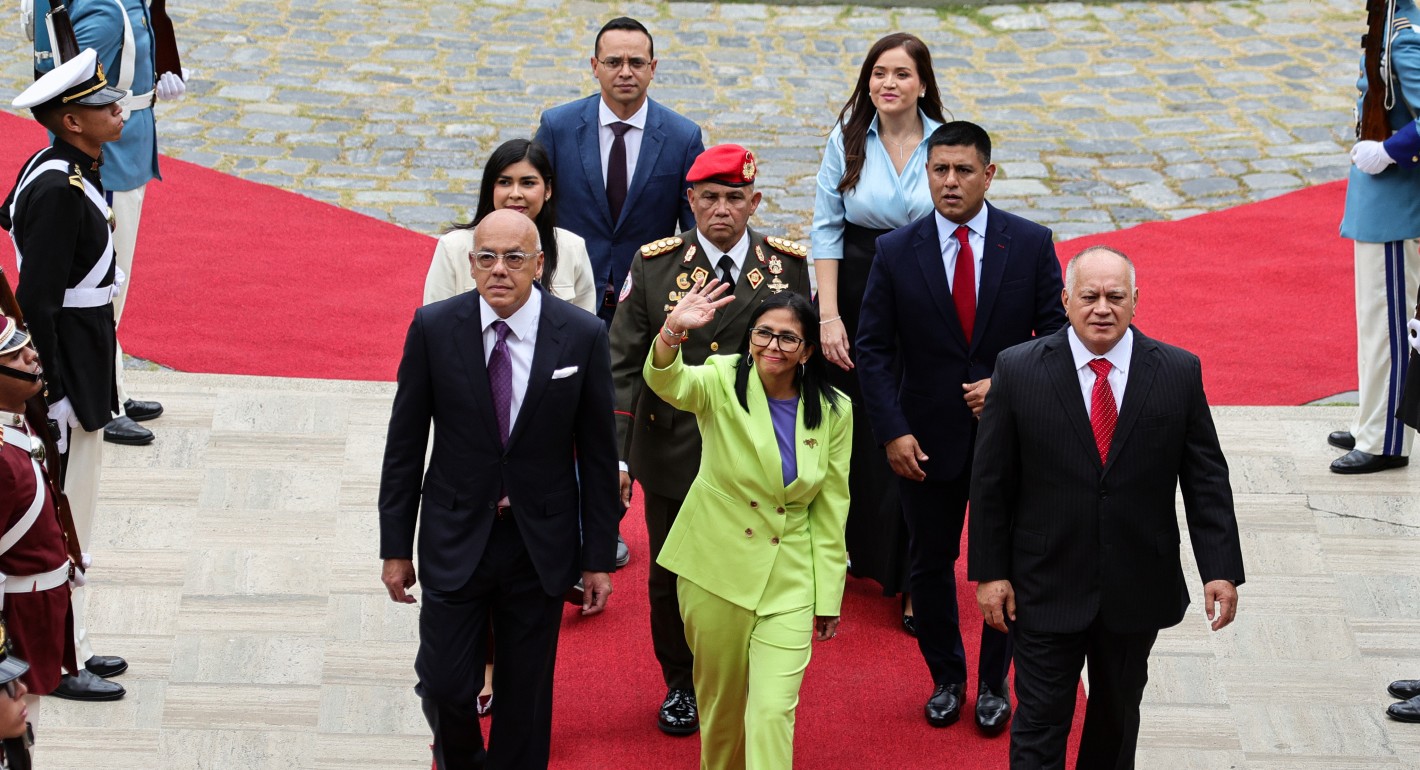
Venezuelans deserve to participate in collective decisionmaking and determine their own futures.

Jennifer McCoy

The supposed threats from China and Russia pose far less of a danger to both Greenland and the Arctic than the prospect of an unscrupulous takeover of the island.

Andrei Dagaev
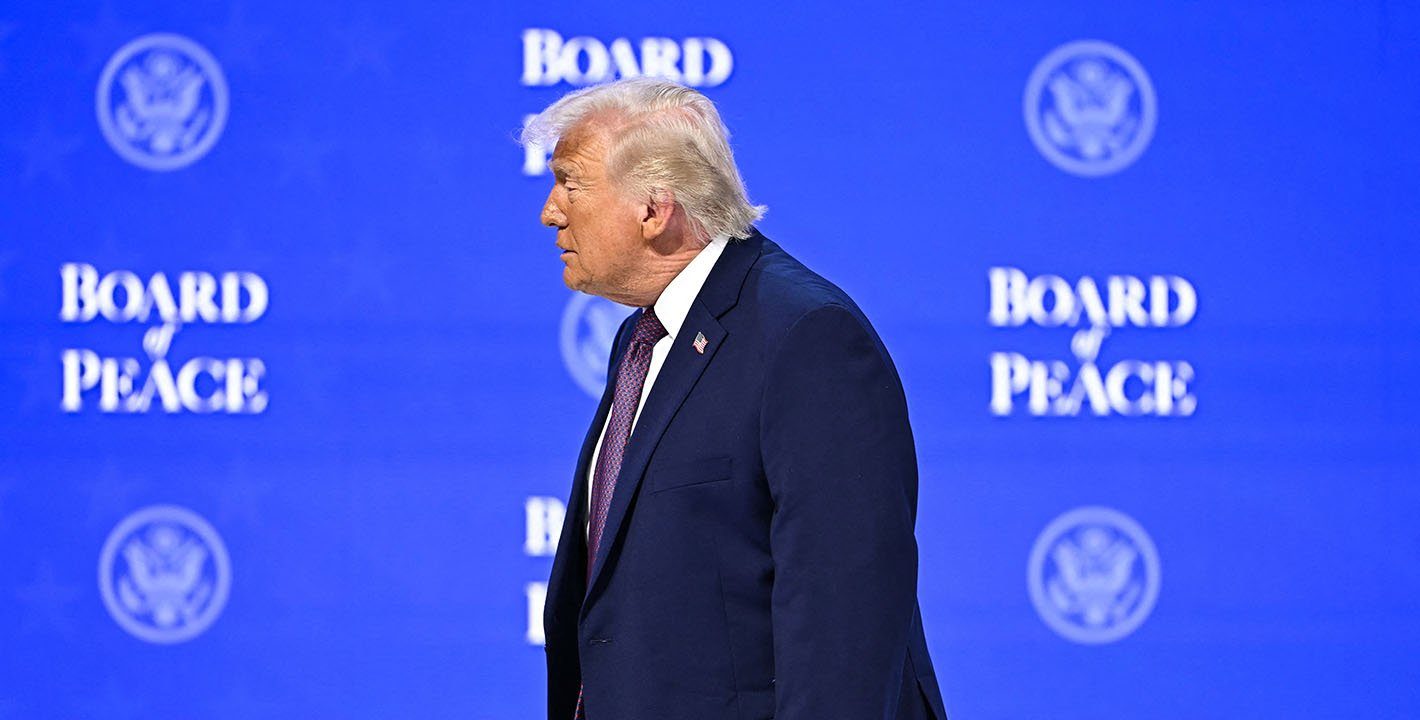
Implementing Phase 2 of Trump’s plan for the territory only makes sense if all in Phase 1 is implemented.

Yezid Sayigh

Western negotiators often believe territory is just a bargaining chip when it comes to peace in Ukraine, but Putin is obsessed with empire-building.

Andrey Pertsev

When democracies and autocracies are seen as interchangeable targets, the language of democracy becomes hollow, and the incentives for democratic governance erode.


Sarah Yerkes, Amr Hamzawy