

Commentary
Is Morocco’s migration policy protecting Sub-Saharan African migrants or managing them for political and security ends? This article unpacks the gaps, the risks, and the paths toward real rights-based integration.
Soufiane Elgoumri
{
  "authors": [
    "Pinar Tank"
  ],
  "type": "commentary",
  "blog": "Sada",
  "centerAffiliationAll": "",
  "centers": [
    "Carnegie Endowment for International Peace"
  ],
  "collections": [],
  "englishNewsletterAll": "",
  "nonEnglishNewsletterAll": "",
  "primaryCenter": "Carnegie Endowment for International Peace",
  "programAffiliation": "",
  "programs": [],
  "projects": [],
  "regions": [
    "Türkiye",
    "Middle East",
    "Caucasus",
    "Russia"
  ],
  "topics": []
}
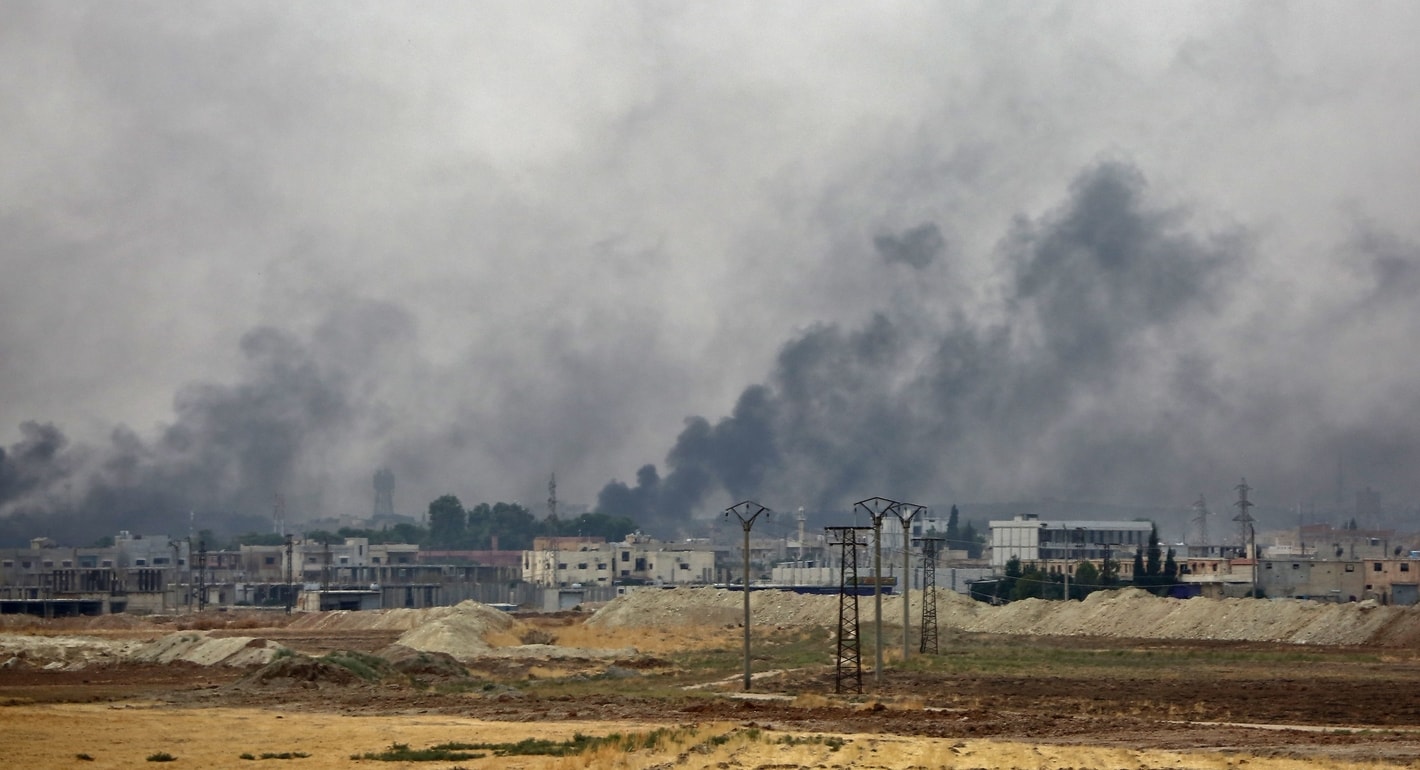
Source: Getty
Turkey’s intervention in northeast Syria and the withdrawal of U.S. troops has created upheaval in the region, forcing Kurds to renegotiate gains and alliances.
Turkey’s President Recep Tayyip Erdoğan received the green light from U.S. President Donald Trump on October 6 to advance into northeastern Syria. This move was the cumulation of years of pressure on Washington to allow a Turkish operation on the Kurdish controlled Rojava. The Turkish government’s stated aim from Operation Peace Spring is to secure Turkey’s borders and create a 30 kilometer “safe zone” into which it intends to resettle some of its 3.6 million Syrian refugees. The northeast of Syria—under de-facto Kurdish control since 2012—has also been a thorn in the side of the Turkish government, which sees Kurdish autonomy as an implicit threat to Turkey’s territorial integrity.
Turkey considers the People’s Protection Forces (YPG/YPJ) and their political wing, the Democratic Union Party (PYD), an extension of the Turkish separatist Kurdish group, the Kurdistan Worker’s Party (PKK). The ideology of imprisoned PKK leader Abdullah Öcalan organically links these groups. The YPG/YPJ is the predominant group in the Syrian Democratic Forces (SDF) and was until recently a U.S. ally, fighting the Islamic State (IS) in Syria. Threatened by the strengthening Kurdish position, Turkey has intervened twice before: to push the Kurds further East in the Northern Aleppo governate (Operation Euphrates Shield in 2016-2017) and to take control from the Kurds in the province of Afrin (Operation Olive Branch in 2018).
Another confrontation was widely expected, despite Kurds’ efforts to head off a Turkish intervention with U.S. mediation by conceding piecemeal to Turkish demands. On August 7, the SDF were forced to accept joint Turkish-U.S. patrols to prevent an imminent Turkish intervention. However, details of the depth and scope of the safe zone had not been established, and Erdoğan warned that Turkey would act alone should the U.S. and Turkey not agree on the modalities for the safe zone. On September 11, Turkish Foreign Minister Mevlut Cavusoglu criticized delays in establishing a safe zone in northeast Syria, and promised the removal of the Kurdish dominated SDF from governing structures in Manbij.
A few days after the start of the Turkish offensive Operation Peace Spring, the UN estimated on October 11 that 100,000 people had been displaced in northeastern Syria. The numbers are expected to continue rising following airstrikes and shelling in Ras al-Ayn and Tel Abyad. Erdoğan announced on October 14 that his forces, which are composed of Turkish soldiers and the various militias forming the Syrian National Army, would be advancing towards SDF-controlled Manbij. The president claims the advancement into the 100,000-person city is an attempt to resettle the area with "Arabs, and the tribes who are the true owners.” Faced with the prospect of Turkey expanding its attack further south and west, the Kurds turned to the Assad regime and by extension, Russia, to help counter Turkish advances.
Manjib is now the next flashpoint for Turkish forces and their militias fighting the alliance of Kurdish and Syrian forces supported by Russia. The rapid but inevitable shift in Kurdish alliances reflects Kurdish need for protection, particularly from the militias allied with Turkey serving in the Syrian National Army. Some have links to al-Qaeda and IS and already stand accused of potential war crimes including the killing of the Secretary General of the pro-Kurdish Future Syria Party, Hevrin Khalaf. The Syrian National Army consists of elements of the Free Syrian Army as well as militias organized by Turkey prior to the incursion. These militias have a score to settle with the Kurds.
The U.S., fearful of being "caught between two opposing advancing armies," decided to withdraw all forces on October 13. The U.S.’s decision to pull out, though sudden, was not a surprise to the Kurds. Regional powers willing to leverage the Kurdish position to win concessions from other power have consistently instrumentalized Kurdish groups. Historically, bilateral relations between Turkey and Syria have revolved around agreements to control Kurdish aspirations to nationhood. With the onset of the Syrian civil war, however, the Kurds have also been able to leverage their position vis-à-vis regional powers. They have cautiously refrained from provoking the Syrian regime at the beginning of the conflict, and later by securing their gains through their commitments to fight IS. The Kurds sacrificed thousands of their own and now guard over 11,000 ISIS prisoners and their families, with fears mounting that some are escaping in the chaos of the Turkish offensive. There has even been speculation that the SDF could release ISIS fighters intentionally but this is inconceivable given that they would exact vengeance primarily on the Kurds themselves.
Until recently, Kurdish collaboration with the U.S. to fight ISIS allowed the Kurds the possibility to pursue greater autonomy while securing protection against Turkish intervention. The loss of U.S. support and their present alliance with the Syrian state has forced the Kurds to renegotiate their gains, ceding territory for protection. Despite this, the Syrian state may consider the value of allowing a level of Kurdish self-administration as a useful tool for dealing with Turkey. The PYD spokesperson, Salih Muslim states that the Kurds will demand “recognition of the Democratic Autonomous Administration, recognition of Kurds’ rights in the Constitution” in talks on their future to be held shortly with Damascus.
It will be incumbent on Russia, the power broker in Syria, to prevent an escalation of hostilities leading to a confrontation with Turkey. Russian special envoy Alexander Lavrentyev stated on October 15 that “Fighting between Turkey and Syria] would simply be unacceptable… And therefore we will not allow it, of course”. The key role Russia plays in Syria, coupled with the fallout with the U.S. over its support for the Kurds, has brought Turkey closer to the Russian sphere of influence. In 2018, Russia opened up its air space for Turkey to wrest control from the Kurds in Afrin province. For Putin, this alliance with Turkey has served the purpose of weakening NATO and diminishing US power in the Middle East. At present, the relationship between Putin and Erdoğan will be critical to finding a solution that prevents direct confrontation. Turkey has consistently advocated against the autonomy of the Kurds, insisting that “Turkey has pursued a policy aimed at preserving Syria’s territorial integrity.” Using this logic, Russia could insist on a Turkish pull out once its forces have created a “safe zone” on Turkey’s border for the return of Syrian refugees. An acceptable solution may be a revival of the Adana Protocol from 1998 with Russia serving as a guarantor. This agreement between Turkey and Syria allows for Turkish intervention should its security be jeopardized. In any case, Turkey’s proxies will remain and can be leveraged against Syria if necessary. For the Kurds, however, the return to Assad’s fold is a final effort to protect themselves while relinquishing their five-year dream of autonomy.
Pinar Tank is a senior researcher at the Peace Research Institute Oslo (PRIO), focusing on Turkey’s domestic and foreign policies with an emphasis on the Middle East. Follow her on Twitter @PinarTank1.
Carnegie does not take institutional positions on public policy issues; the views represented herein are those of the author(s) and do not necessarily reflect the views of Carnegie, its staff, or its trustees.
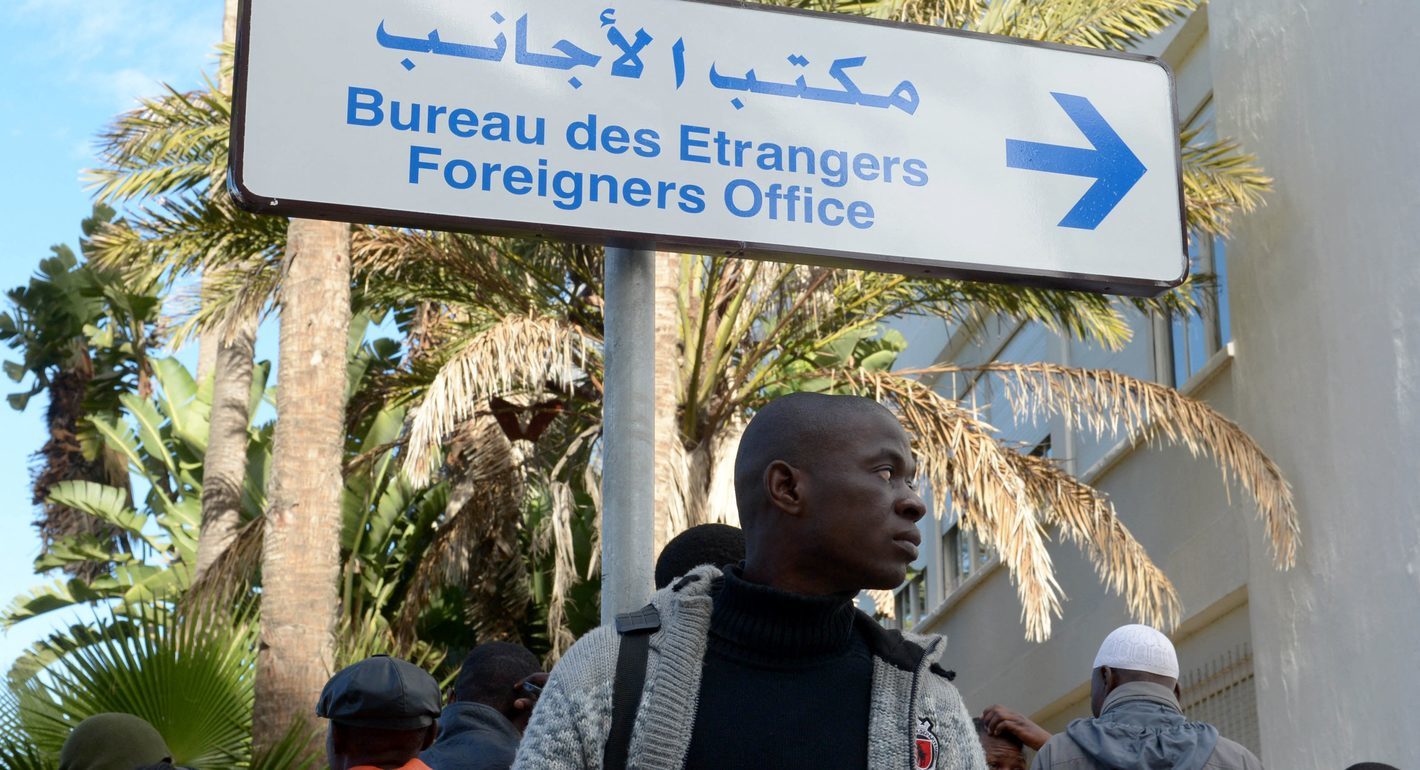
Is Morocco’s migration policy protecting Sub-Saharan African migrants or managing them for political and security ends? This article unpacks the gaps, the risks, and the paths toward real rights-based integration.
Soufiane Elgoumri
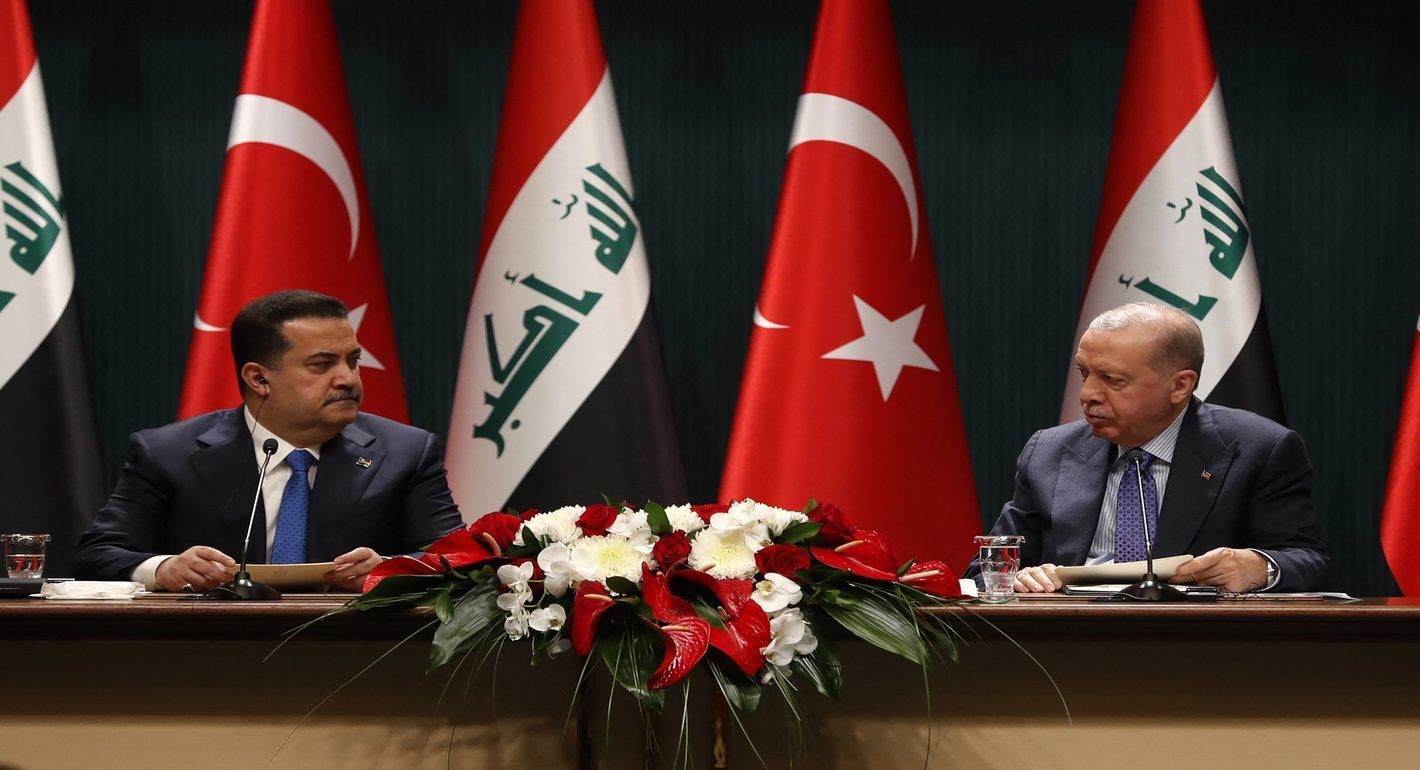
Iraq’s foreign policy is being shaped by its own internal battles—fractured elites, competing militias, and a state struggling to speak with one voice. The article asks: How do these divisions affect Iraq’s ability to balance between the U.S. and Iran? Can Baghdad use its “good neighbor” approach to reduce regional tensions? And what will it take for Iraq to turn regional investments into real stability at home? It explores potential solutions, including strengthening state institutions, curbing rogue militias, improving governance, and using regional partnerships to address core economic and security weaknesses so Iraq can finally build a unified and sustainable foreign policy.
Mike Fleet
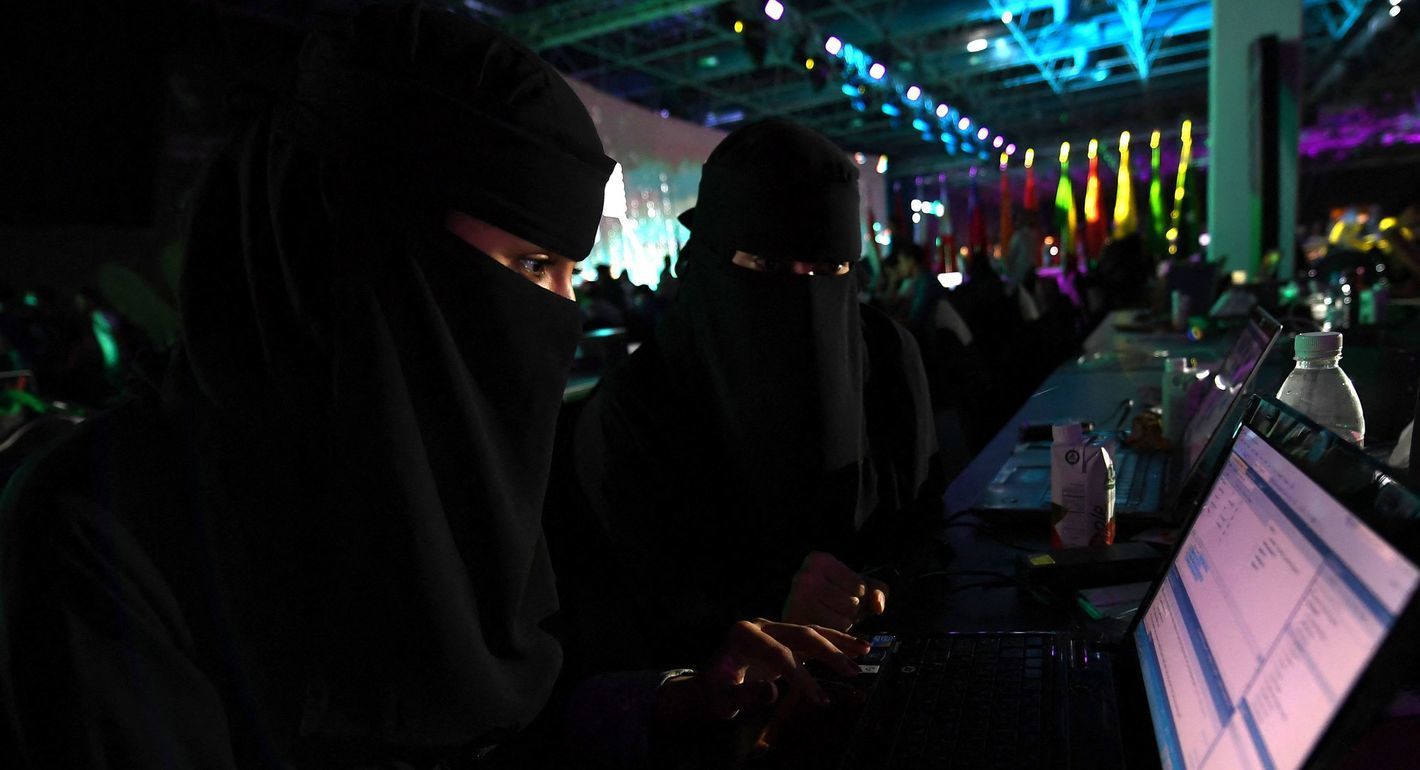
How can Saudi Arabia turn its booming e-commerce sector into a real engine of economic empowerment for women amid persistent gaps in capital access, digital training, and workplace inclusion? This piece explores the policy fixes, from data-center integration to gender-responsive regulation, that could unlock women’s full potential in the kingdom’s digital economy.
Hannan Hussain
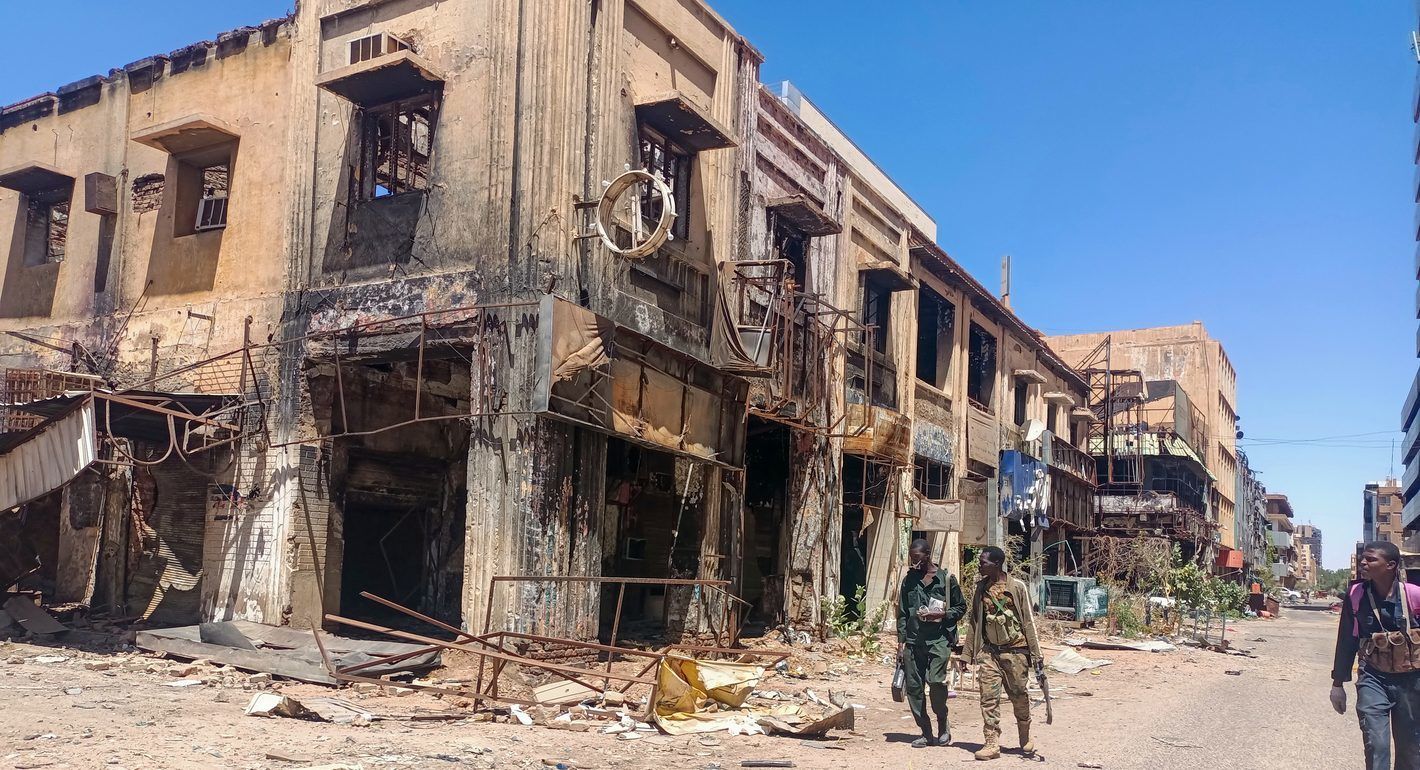
Hate speech has spread across Sudan and become a key factor in worsening the war between the army and the Rapid Support Forces. The article provides expert analysis and historical background to show how hateful rhetoric has fueled violence, justified atrocities, and weakened national unity, while also suggesting ways to counter it through justice, education, and promoting a culture of peace.
Samar Sulaiman
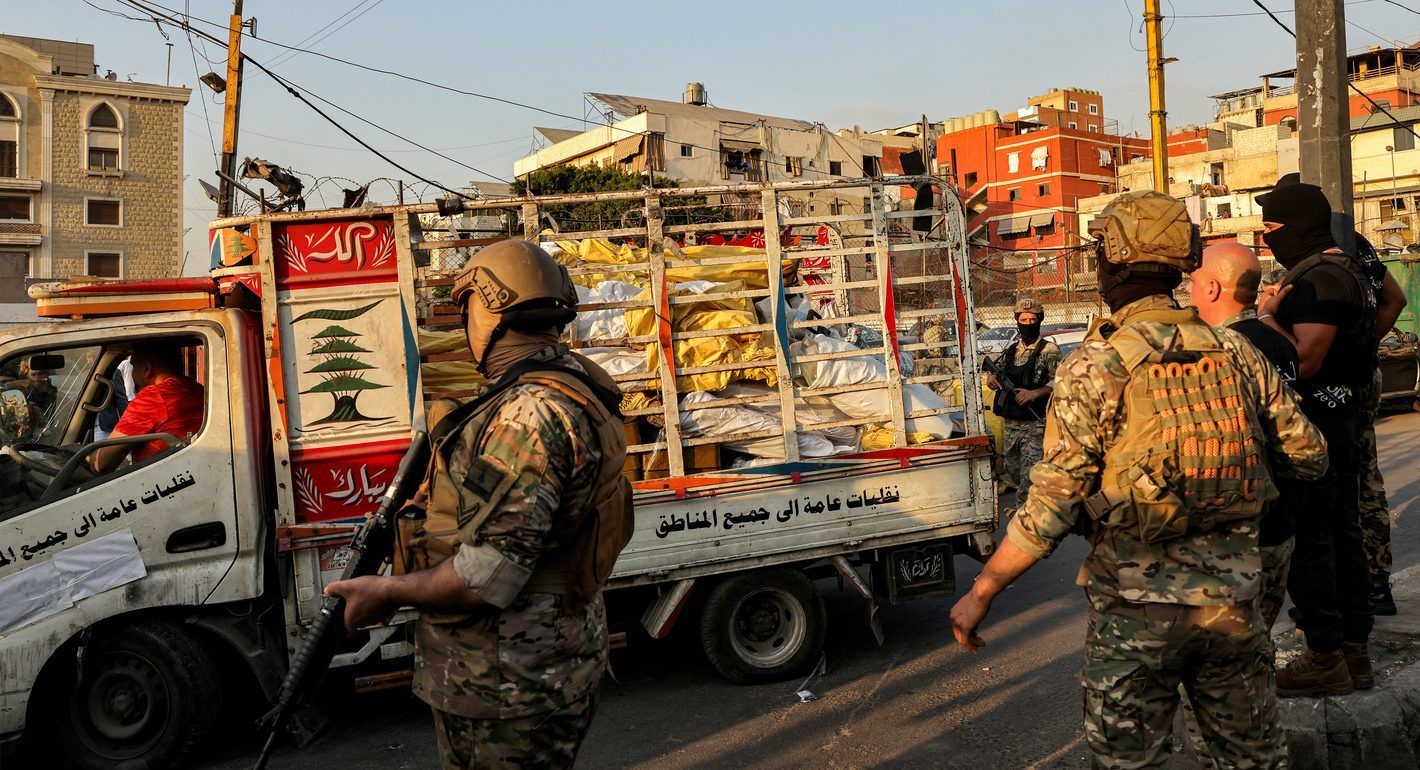
The August 2025 government decision to restrict weapons to the Lebanese state, starting with Palestinian arms in the camps, marked a major test of Lebanon’s ability to turn a long-standing slogan into practical policy. Yet the experiment quickly exposed political hesitation, social gaps, and factional divisions, raising the question of whether it can become a model for addressing more sensitive files such as Hezbollah’s weapons.
Souhayb Jawhar