• Research
  • Emissary
  • About
  • Experts
Carnegie Global logoCarnegie lettermark logo
Democracy
  • Donate
{
  "authors": [
    "Weam Al Sharif"
  ],
  "type": "commentary",
  "blog": "Sada",
  "centerAffiliationAll": "",
  "centers": [
    "Carnegie Endowment for International Peace"
  ],
  "englishNewsletterAll": "",
  "nonEnglishNewsletterAll": "",
  "primaryCenter": "Carnegie Endowment for International Peace",
  "programAffiliation": "",
  "programs": [
    "Middle East"
  ],
  "projects": [],
  "regions": [
    "North Africa",
    "Sudan"
  ],
  "topics": [
    "Security",
    "Climate Change"
  ]
}
Attribution logo
Commentary
Sada

Climate Change and Conflict: A Perfect Storm in Sudan's Countryside

What began in Sudan as a power struggle between generals in 2023, quickly escalated into a full-scale war, exacerbating the severe impacts of climate change on rural livelihoods.

Link Copied
By Weam Al Sharif
Published on Jun 4, 2024
Sada

Blog

Sada

Sada is an online journal rooted in Carnegie’s Middle East Program that seeks to foster and enrich debate about key political, economic, and social issues in the Arab world and provides a venue for new and established voices to deliver reflective analysis on these issues.

Learn More
Program mobile hero image

Program

Middle East

The Middle East Program in Washington combines in-depth regional knowledge with incisive comparative analysis to provide deeply informed recommendations. With expertise in the Gulf, North Africa, Iran, and Israel/Palestine, we examine crosscutting themes of political, economic, and social change in both English and Arabic.

Learn More

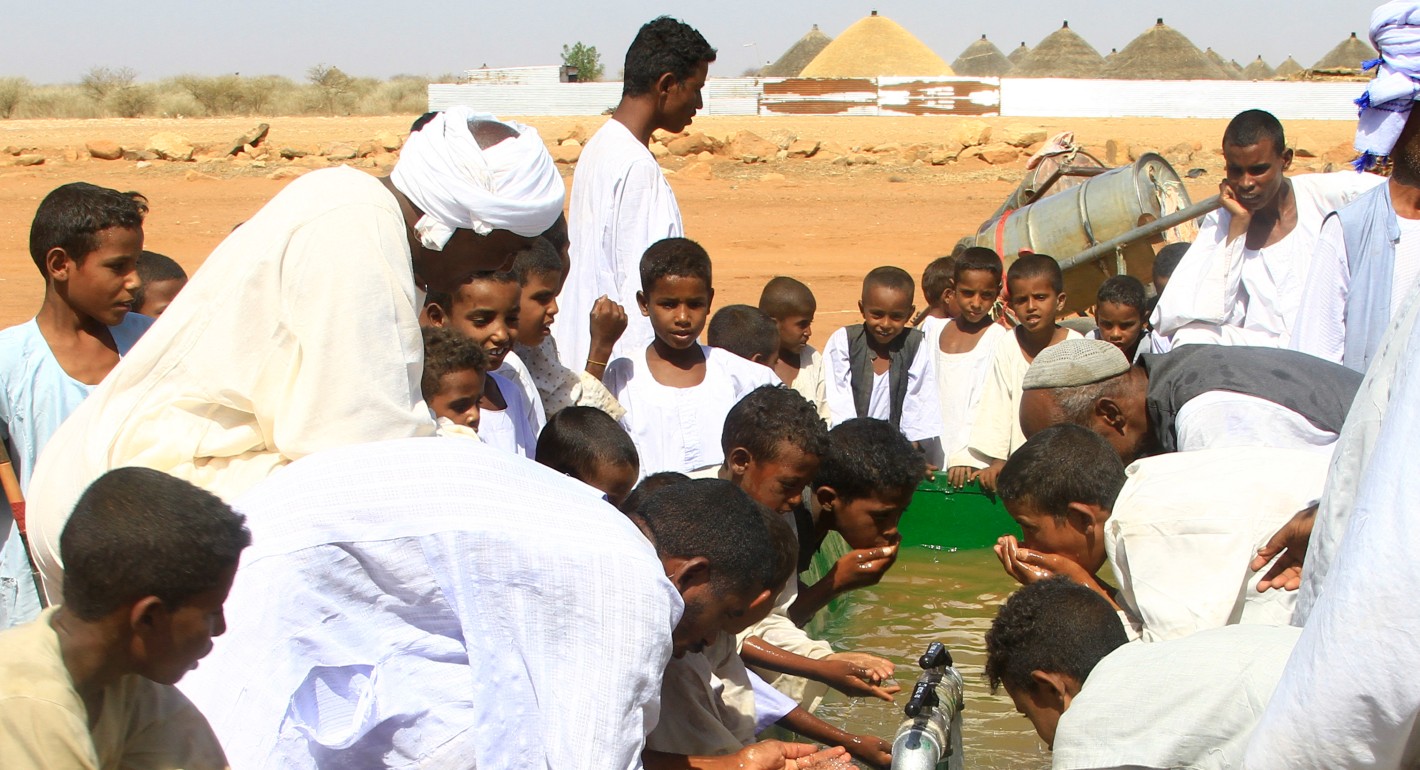
Rural Sudan had barely recovered from the drought and desertification crisis of 1985, which caused massive famine in western Sudan and forced thousands to relocate to urban centers, when another shock hit in 2023.This fragile recovery was further disrupted by the onset of civil war in Darfur and South Kordofan, leading to further displacement as people fled the ensuing insecurity.

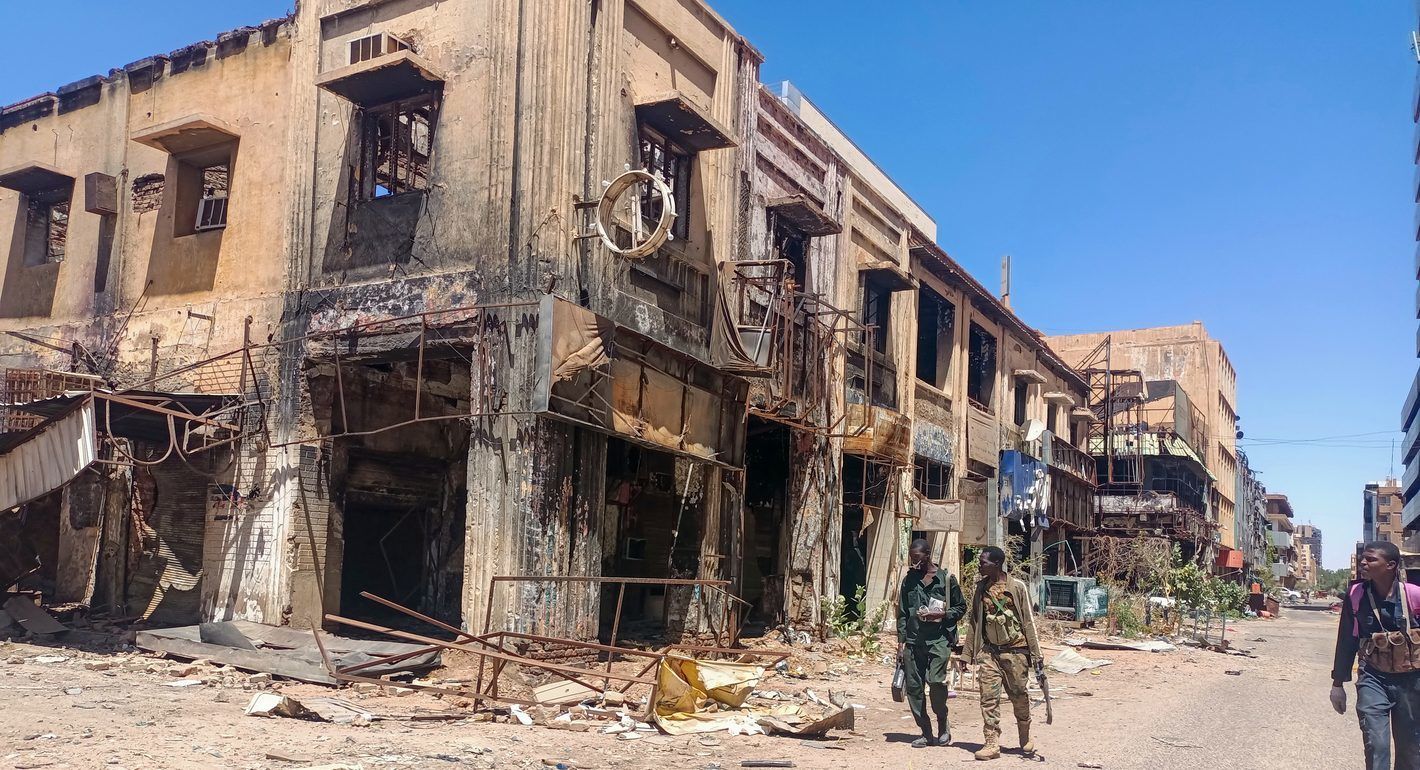
 The rural countryside is home to 64 percent of Sudanese who work in agriculture and pastoralism, which absorbs 80 percent of Sudan's workforce and contributes 32.7 percent of the GDP. The area has battled climate change long before mass migration from urban areas began to exacerbate existing vulnerabilities. It now also faces the burden of ongoing conflict between the army, the Rapid Support Forces (RSF), and their allied groups.

 According to a study by the United Nations Development Program and the International Food Policy Research Institute, farming activities in rural households have been severely reduced. In Sennar and western Kordofan states, nearly 60 percent of cultivating activities have ceased, while in Khartoum state, the loss reaches 68 percent. As a result, 59 percent of rural households face moderate or severe food insecurity.

 The study highlights that the conflict has led to severe disruptions in employment and livelihoods, resulting in widespread economic instability. Approximately 37 percent of rural households have experienced a shift in income-generating activities, and 15 percent have suffered substantial income losses. This has led to extensive exposure to shocks—particularly illness shocks—that have forced many households to direct their scarce financial resources to medical treatment and left them vulnerable to hunger.

 Seventy-three percent of rural households live in inadequate housing, which is either at risk of collapse or fire in the coming months.  Additionally, 32 percent have no access to electricity and 30 percent lack household water access, forcing many people to use pits dug in dirt floors as lavatories. The accelerated collapse of the local currency coupled with a decline in purchasing power has exacerbated the suffering of rural residents, especially that many were unable to farm in the summer and winter seasons due to the spread of the conflict to their areas.

According to the United Nations Agriculture and Food Organization (FAO), Sudan's production for the 2023–24 season decreased by 46 percent compared to the previous year. The FAO attributed this decline mainly to the impact of the conflict on agricultural operations, which has resulted in insecurity and limited availability and high prices of agricultural inputs. Erratic rainfall distribution and prolonged droughts in southeastern Sudan have definitely played a role in aggravating the situation. 

Additionally, as state revenues decreased by more than 80 percent, and the government focused on procuring weapons, reconciling the situation of the displaced, and supporting the health sector, Sudan became unable to finance the import gap between crop production (4.1 million tons) and annual consumption (estimated at 5.5 to 6 million tons). To make matters worse, despite the decline in crop production, the state's grave negligence of its citizens' needs, and the numerous obstacles to humanitarian access, the RSF continues to prevent farmers in Gezira state—home to the largest irrigated agricultural project in the country—from harvesting their crops. Instead, they loot the produce and the machinery of the project. 

The RSF’s destructive activities, coupled with the death of livestock due to air raids, have led to the displacement of more families, rendering them unable to meet their basic needs. This dire and hopeless situation has pushed many, including children, to join armed groups or engage in armed looting, which is expanding to new areas such as Gezira state, adjacent to the capital, Khartoum. 

The FAO noted that the conflict has limited herd movements and restricted access to grazing resources. As the conflict has evolved into a kind of tribal conflict after involving multiple sides, it is expected to hinder the movement of pastoralists in Darfur, Kordofan, and Gezira to natural pastures with the onset of rains in June 2024. This could bring them into contact with farmers, and this friction threatens to escalate into violent conflict. Also, the interruption of herd movements and the disruption of immunization cause disease outbreaks, inevitably resulting in herd deaths. 

In summary, the effects of the conflict on the countryside, home to a majority of Sudanese, are deadly, leaving millions of people vulnerable to starvation and creating an environment conducive to the growing influence of armed groups and increased looting at gunpoint.

Weam Al Sharif

Weam Al Sharif is a Sudanese doctor and writer interested in issues related to conflict. 

SecurityClimate ChangeNorth AfricaSudan

Carnegie does not take institutional positions on public policy issues; the views represented herein are those of the author(s) and do not necessarily reflect the views of Carnegie, its staff, or its trustees.

More Work from Sada

  • Commentary
    Sada
    A War Fueled by Hate Speech: Sudan’s Fall into Fragmentation

    Hate speech has spread across Sudan and become a key factor in worsening the war between the army and the Rapid Support Forces. The article provides expert analysis and historical background to show how hateful rhetoric has fueled violence, justified atrocities, and weakened national unity, while also suggesting ways to counter it through justice, education, and promoting a culture of peace.

      Samar Sulaiman

  • Commentary
    Sada
    Disarming Palestinian Factions in Lebanon: Can a Security Experiment Evolve into Sovereign Policy?

    The August 2025 government decision to restrict weapons to the Lebanese state, starting with Palestinian arms in the camps, marked a major test of Lebanon’s ability to turn a long-standing slogan into practical policy. Yet the experiment quickly exposed political hesitation, social gaps, and factional divisions, raising the question of whether it can become a model for addressing more sensitive files such as Hezbollah’s weapons.

      Souhayb Jawhar

  • Commentary
    Sada
    Iran’s Energy Dilemma: Constraints, Repercussions, and Policy Options

    Despite vast oil and gas reserves, Iran faces a severe energy crisis due to decades of mismanagement, excessive subsidies, corruption, and international sanctions, which have crippled its infrastructure and distorted energy markets. Without structural reforms and international engagement, the country risks deeper economic instability, environmental degradation, and political unrest.

      Umud Shokri

  • Commentary
    Sada
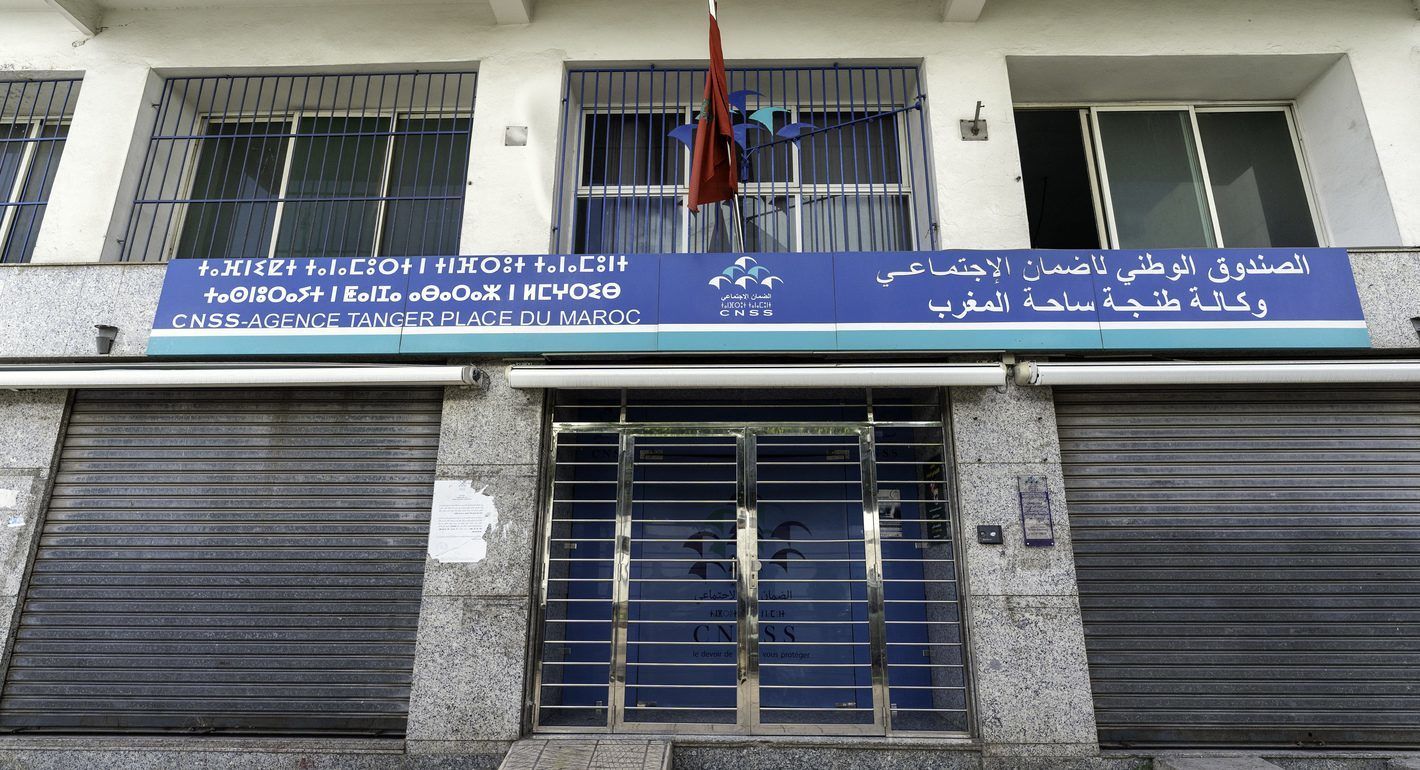
    The Political Economy of Social Data: Opportunities and Risks of Digitizing Morocco’s Social Targeting System

    While Morocco’s shift to a digitized social targeting system improves efficiency and coordination in social programs, it also poses risks of exclusion and reinforces austerity policies. The new system uses algorithms based on socioeconomic data to determine eligibility for benefits like cash transfers and health insurance. However, due to technical flaws, digital inequality, and rigid criteria, many vulnerable families are unfairly excluded.

      Abderrafie Zaanoun

  • Commentary
    Sada
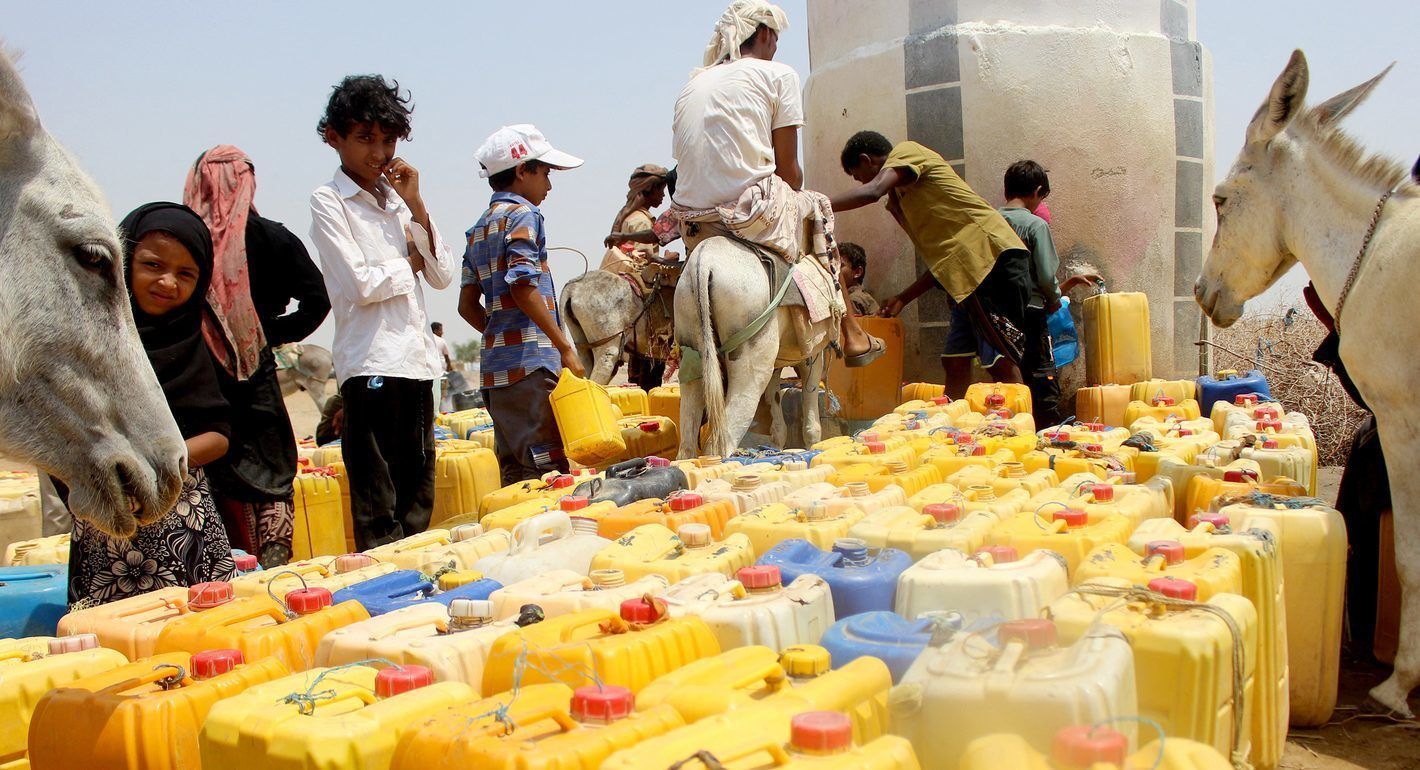
    Struggling Over Every Drop: Yemen’s Crisis of Aridity and Political Collapse

    Yemen is facing one of the world’s worst water crises due to extreme drought, excessive groundwater depletion, institutional collapse, and ongoing armed conflict. The war has led to the destruction of water infrastructure, contamination of sources, and the displacement of millions, reducing access to safe water. This crisis reflects a deep interconnection between political and environmental instability.

      Ayman Omar

Get more news and analysis from
Carnegie Endowment for International Peace
Carnegie global logo, stacked
1779 Massachusetts Avenue NWWashington, DC, 20036-2103Phone: 202 483 7600Fax: 202 483 1840
  • Research
  • Emissary
  • About
  • Experts
  • Donate
  • Programs
  • Events
  • Blogs
  • Podcasts
  • Contact
  • Annual Reports
  • Careers
  • Privacy
  • For Media
  • Government Resources
Get more news and analysis from
Carnegie Endowment for International Peace
© 2026 Carnegie Endowment for International Peace. All rights reserved.