

Commentary
Is Morocco’s migration policy protecting Sub-Saharan African migrants or managing them for political and security ends? This article unpacks the gaps, the risks, and the paths toward real rights-based integration.
Sofiane Al-Kamri
{
  "authors": [
    "Abderrafie Zaanoun"
  ],
  "type": "commentary",
  "blog": "Sada",
  "centerAffiliationAll": "",
  "centers": [
    "Carnegie Endowment for International Peace"
  ],
  "englishNewsletterAll": "",
  "nonEnglishNewsletterAll": "",
  "primaryCenter": "Carnegie Endowment for International Peace",
  "programAffiliation": "",
  "programs": [
    "Middle East"
  ],
  "projects": [],
  "regions": [
    "Morocco",
    "North Africa"
  ],
  "topics": [
    "Security",
    "Migration"
  ]
}
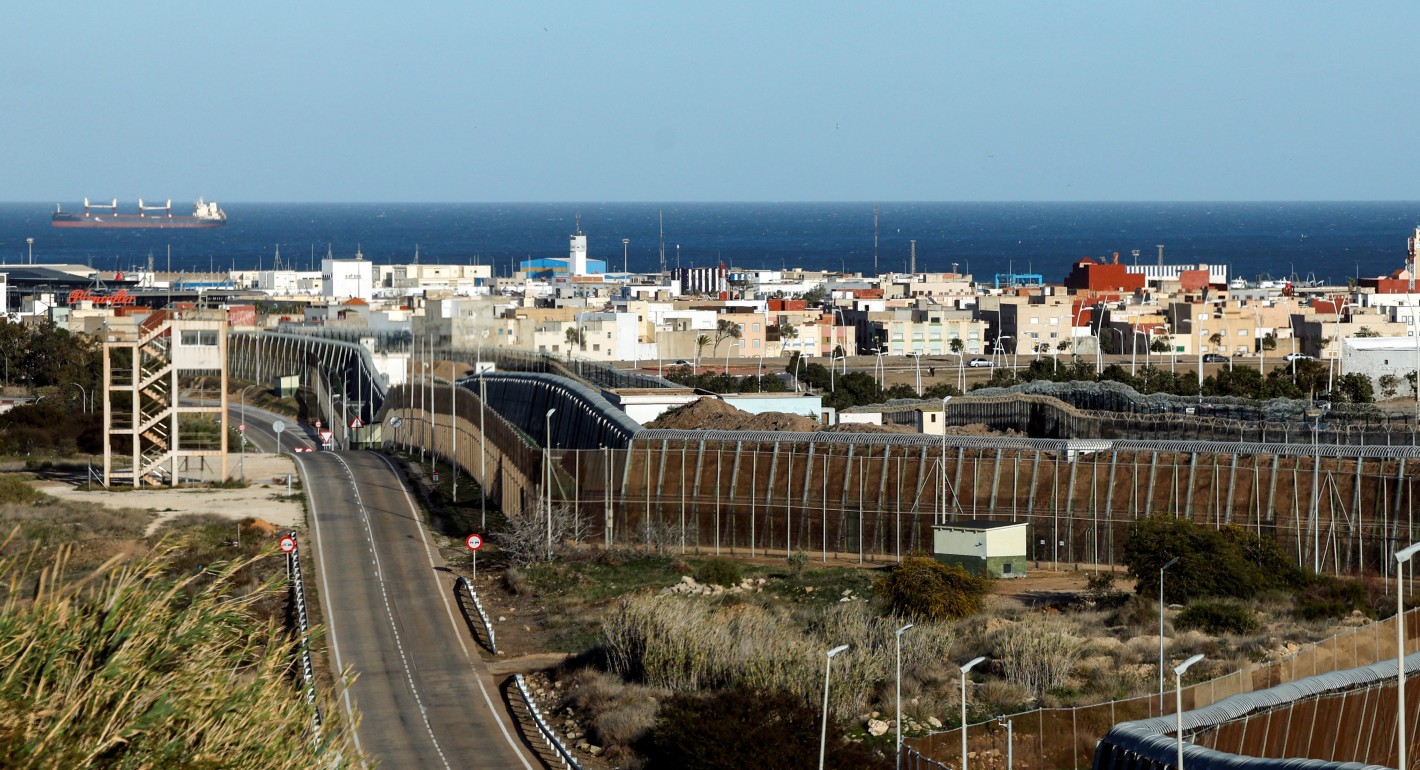
The flow of migrants passing through Morocco en route to Europe has bolstered the country's strategic and economic relations with both origin and destination countries, but it also presents significant challenges to its border security.
The significant scale of irregular migration toward Morocco has forced the country to enhance its border control measures and take its apparent role as a European migration gatekeeper seriously.
Over the past five years, Moroccan authorities have intercepted approximately 366,000 attempts at irregular migration to Europe. In 2023 alone, Morocco apprehended approximately 75,000 migrants, a 6 percent increase year on year.
Many factors complicate the responsibilities of Morocco and other countries on the migration path to Europe. With coups d'état and political instability in the Sahel and Sahara region, combined with blocked migration routes through Libya and Tunisia, Morocco has become a key destination for thousands of refugees and migrants fleeing conflict areas in Africa and in Arab countries such as Yemen, Syria, and Sudan. Climate change is exacerbating the situation, with the World Bank predicting that natural disasters will displace about 86 million people in sub-Saharan Africa by 2050.
Additionally, Morocco's efforts to deepen cooperation with its African neighbors present their own challenges. For example, membership in the Economic Community of West African States requires adherence to protocols on freedom of movement, residence, and stability rights. Implementation requirements of the African Continental Free Trade Area agreement stipulate the guarantee the freedom of movement between member states. These stipulations may attract new waves of migrants seeking to settle in Morocco, or transit while awaiting opportunities to cross to the European “El Dorado.”
Furthermore, Morocco's attempt to support legal migration pathways through the Atlantic Initiative, launched in July 2023 in cooperation with several Sahel countries, might inadvertently stimulate regular migration flows from the southern coasts of Morocco toward the Canary Islands.
However, this anticipated increase in the flow of migrants is matched with growing "securitization" of the European migration policies. The growing economic crisis and the rise of far-right political influence in many European Union (EU) countries as well as the escalating anti-migrant sentiment undermine migrants’ rights, particularly as Morocco is increasingly perceived to serve as a guardian of European borders.
The European agreement to reform the migration system includes stricter border management measures, such as establishing closed centers near the EU's external borders in cooperation with transit countries. Also, Morocco’s increasing reliance on the expertise of the European Border and Coast Guard Agency (Frontex), whose personnel and equipment will be deployed on Moroccan coasts, could affect its credibility and sovereignty in managing migration and controlling its borders, possibly jeopardizing its position as an intermediary between countries of origin and destination.
Conversely, mounting migration flows present valuable opportunities for Morocco to leverage its role in managing migration between Europe and Africa. By doing so, Morocco can protect its geopolitical interests and maximize the benefits of its economic partnership with the EU, particularly improving the terms of free trade and fisheries agreements.
Irregular migration, on the other hand, could have serious implications for the country’s border security. European support for migration programs will likely result in allocations toward fencing and building walls on the border, in line with what has come to be known as a policy of “externalizing borders,” which effectively shifts the responsibility for managing migration flows onto transit countries. This threatens to give rise to migration hotspots in border areas and expand internal migrant camps, which raise social and human rights concerns.
Moreover, the implementation of readmission agreements could transform Morocco from a transit country to a destination country, ultimately bearing the political, economic, and social cost of such a shift. The same applies to forced return measures and deportation policies that could adversely affect Rabat’s increasingly complex relationship with sub-Saharan African countries, given the changing political conditions and the volatility of strategic alliances in the region.
In general, the massive influx of irregular migrants to Morocco poses serious challenges to managing its borders with African and European countries. This necessitates balancing political and economic interests with humanitarian and human rights considerations in light of the normative framework for the management of human mobility. Foremost among these is the Global Compact for Safe, Orderly, and Regular Migration adopted in Marrakech in 2018, especially as it relates to respecting human rights at borders, prohibiting collective expulsion and forced returns of migrants, and guaranteeing safe and dignified returns.
Carnegie does not take institutional positions on public policy issues; the views represented herein are those of the author(s) and do not necessarily reflect the views of Carnegie, its staff, or its trustees.
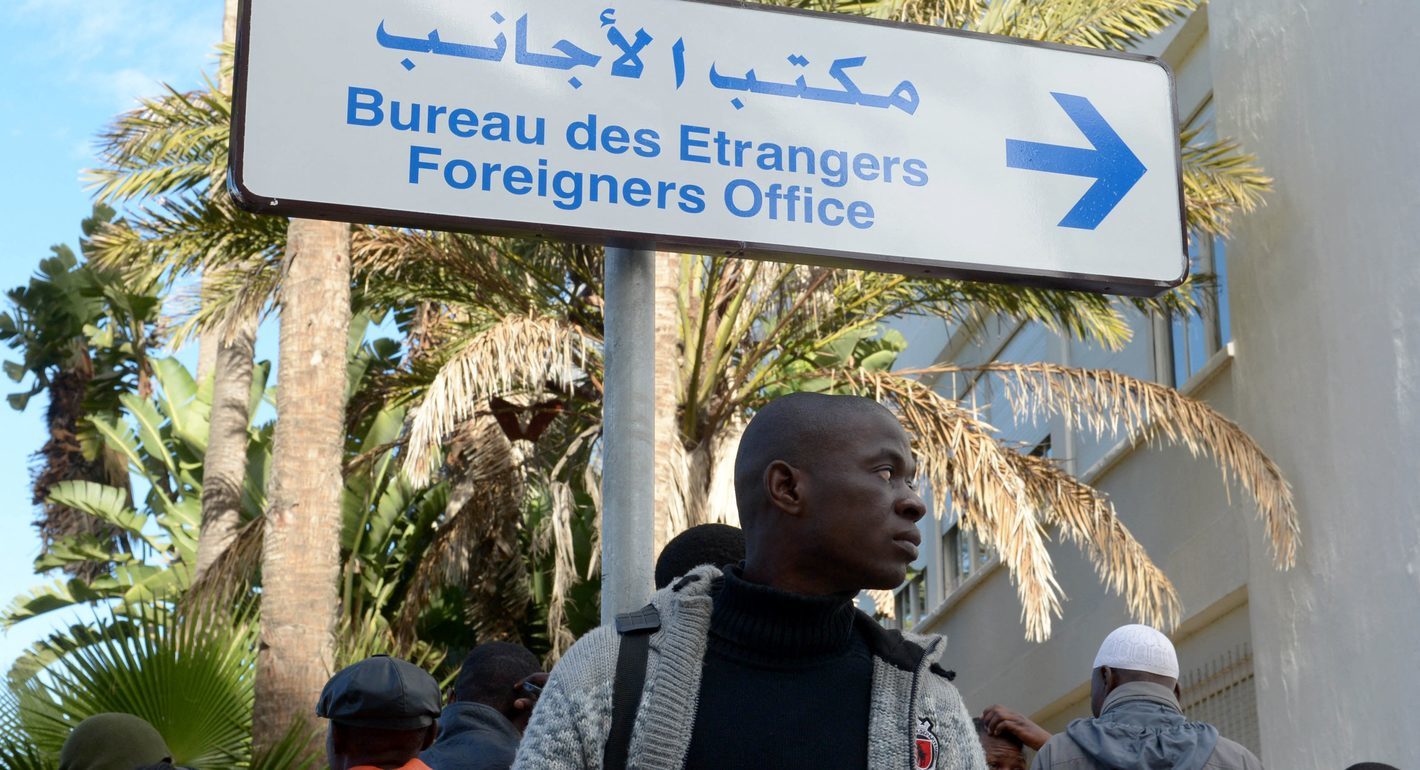
Is Morocco’s migration policy protecting Sub-Saharan African migrants or managing them for political and security ends? This article unpacks the gaps, the risks, and the paths toward real rights-based integration.
Sofiane Al-Kamri
The August 2025 government decision to restrict weapons to the Lebanese state, starting with Palestinian arms in the camps, marked a major test of Lebanon’s ability to turn a long-standing slogan into practical policy. Yet the experiment quickly exposed political hesitation, social gaps, and factional divisions, raising the question of whether it can become a model for addressing more sensitive files such as Hezbollah’s weapons.
Souhayb Jawhar
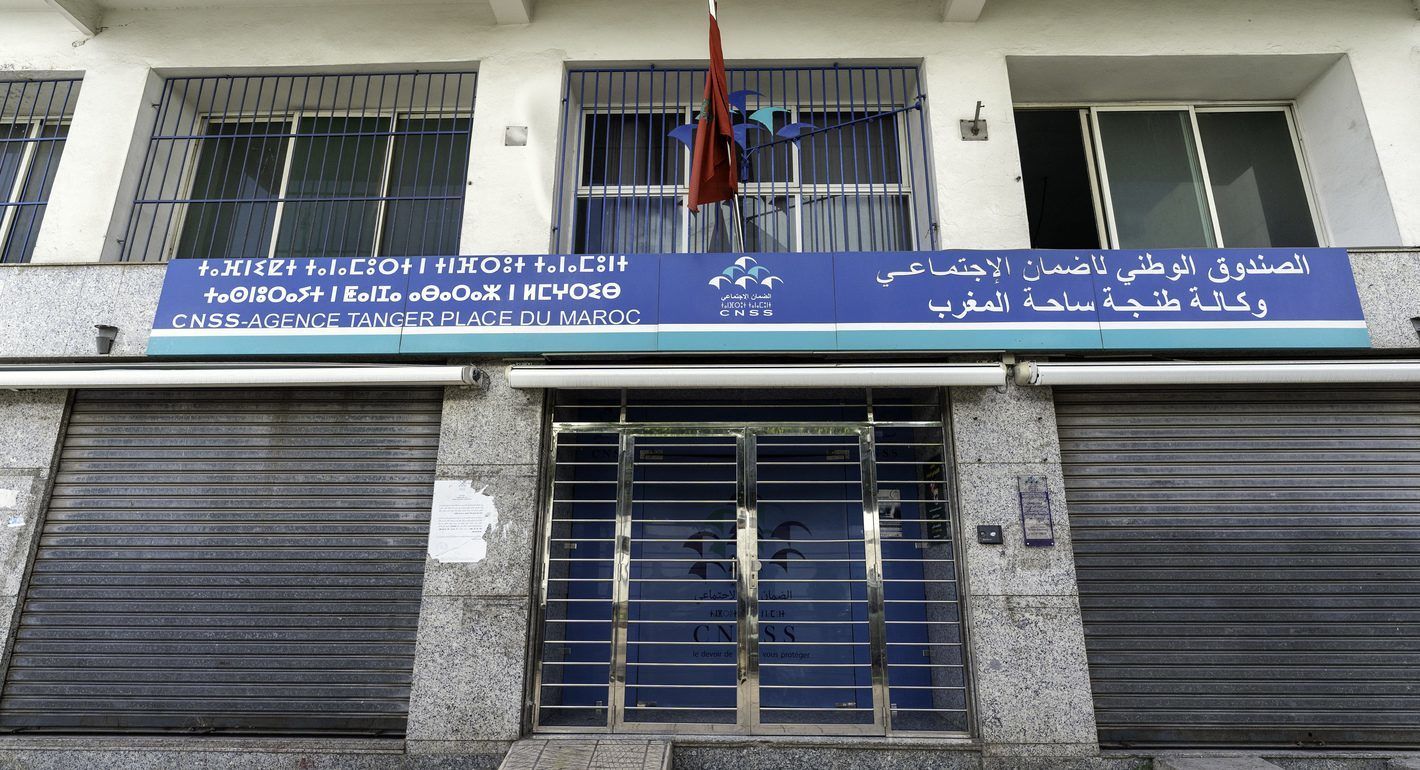
While Morocco’s shift to a digitized social targeting system improves efficiency and coordination in social programs, it also poses risks of exclusion and reinforces austerity policies. The new system uses algorithms based on socioeconomic data to determine eligibility for benefits like cash transfers and health insurance. However, due to technical flaws, digital inequality, and rigid criteria, many vulnerable families are unfairly excluded.
Abderrafie Zaanoun
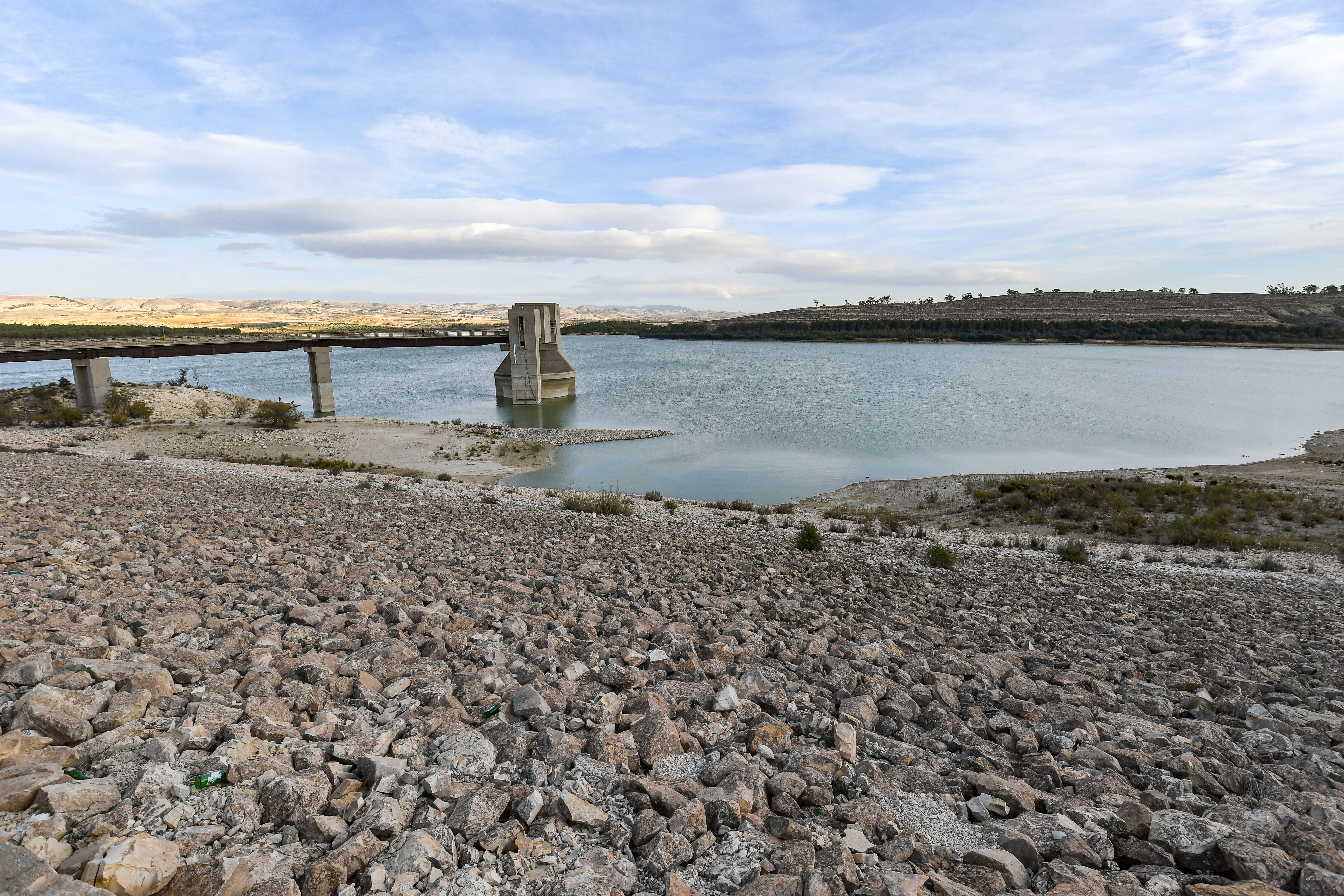
Tunisia is facing a worsening water crisis characterized by widespread protests over access to potable water, particularly in rural areas with underdeveloped supply networks. This situation is exacerbated by climate change, outdated agricultural policies, and industrial water consumption, necessitating comprehensive policy reforms to secure Tunisians’ constitutional right to water and ensure equitable access across the country.
Noura Omar
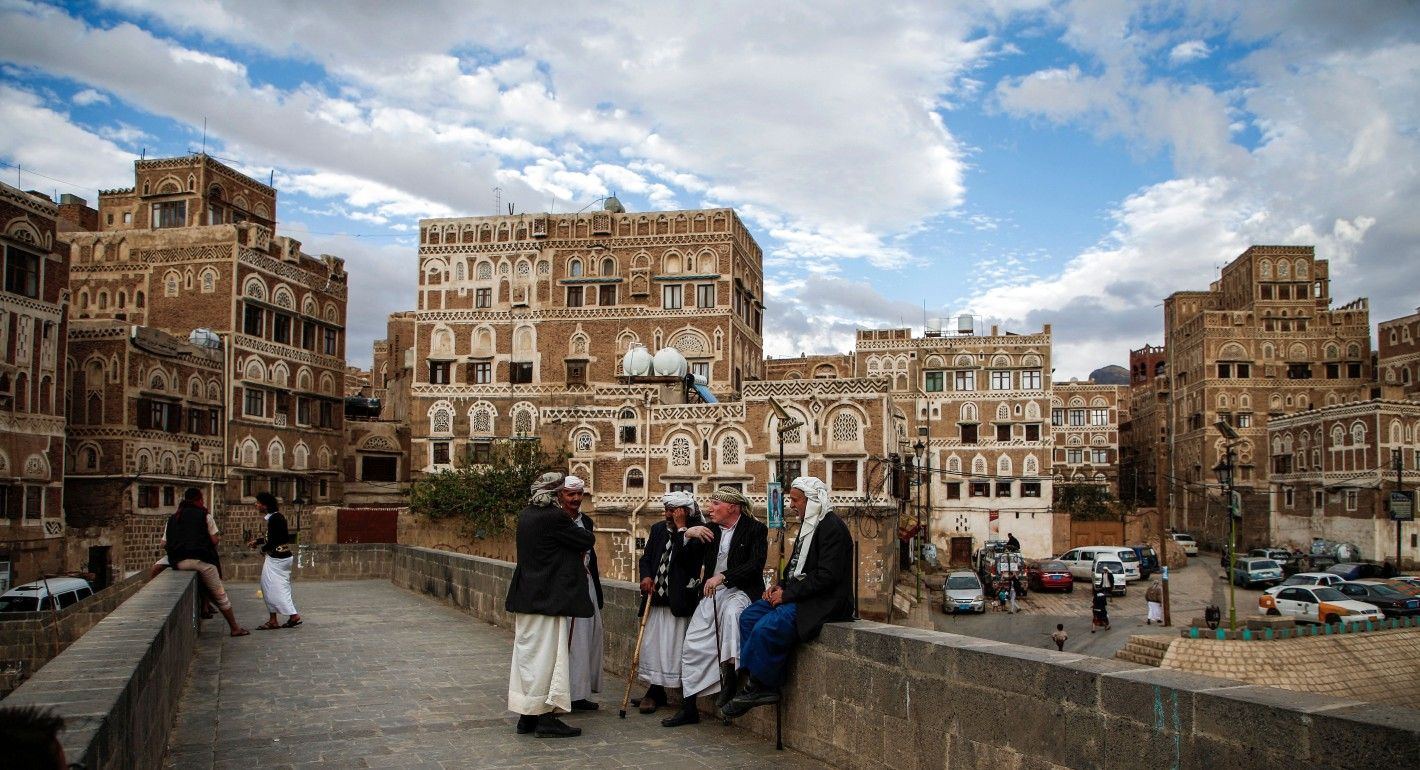
The unexpected announcement that Starlink will launch its first satellite connectivity services in Yemen has sparked divisions over the perceived threat to Yemeni sovereignty, and potential to deepen ongoing political and economic crises.
Muhammed Ali Thamer