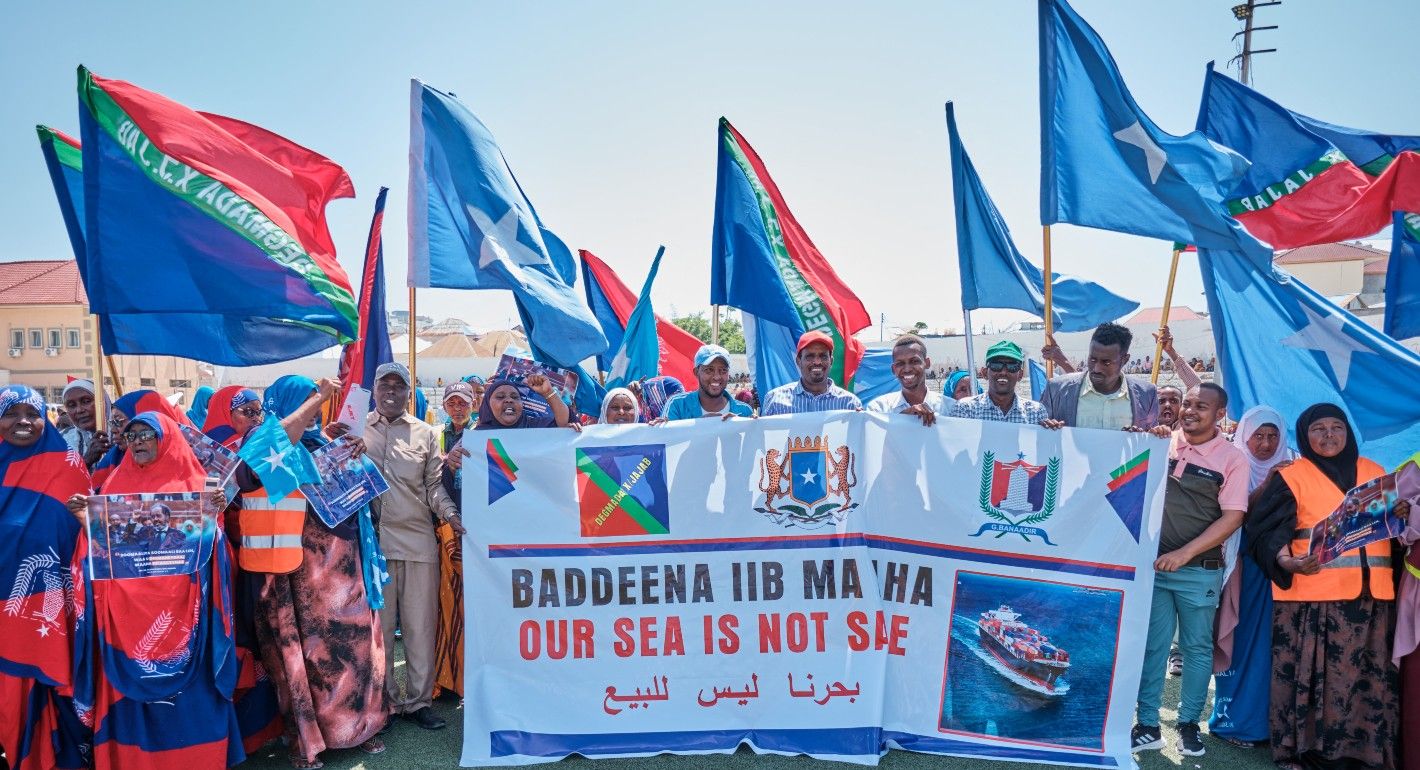
Since early 2024, a diplomatic standoff and war of words have erupted between Somalia and Ethiopia over competing regional interests in the Horn of Africa, a region marred by political and security instability. Tensions emerged between the two countries in January when Ethiopia signed a memorandum of understanding (MoU) with Somaliland, a self-declared breakaway region in northern Somalia that proclaimed independence from Somalia’s central government in 1991. Through the MoU, Somaliland granted Ethiopia access to 20 kilometers of coastline for 50 years, thus providing the landlocked country with a strategic sea outlet. Additionally, the agreement permitted Ethiopia to lease a military base near the port of Berbera on the Gulf of Aden. Ethiopia secured these favorable terms in return for recognizing Somaliland as an independent country—the first nation to do so.
The MoU signing enraged the Somali government, which grew concerned that it might reignite Ethiopia’s longstanding ambition to expand beyond its landlocked borders, potentially sparking regional and sectarian conflicts and infringing on Somalia’s sovereignty by meddling in its internal affairs. Given the unclear motivations behind Ethiopia’s agreement with Somaliland, the MoU could serve as a strategy of Ethiopia to alleviate internal pressures or as a bargaining chip to extract concessions from the Somali government. Mogadishu condemned the agreement as a hostile act against its sovereignty and territorial integrity, reaffirming its stance that Somaliland remains an integral part of Somalia. In response, it expelled the Ethiopian ambassador, lodged a complaint with the UN Security Council, and announced it would not engage in negotiations with Ethiopia until it nullified its agreement with Somaliland’s separatist authorities.
African Positions
The Arab League and the European Union quickly condemned Ethiopia's agreement with Somaliland, characterizing it as a violation of Somalia’s national sovereignty. However, African responses were more divided. The Intergovernmental Authority on Development in East Africa issued a mild statement, merely urging dialogue and restraint between the two parties—a stance Mogadishu found disappointing and biased toward Ethiopia. Meanwhile, the African Union (AU) emphasized its commitment to supporting Somalia’s stability and territorial integrity, expressing concern that recognizing Somaliland could heighten tensions in the already fragile Horn of Africa and potentially inspire other regions with separatist ambitions.
It is worth noting that since 2007, the AU has participated in a peacekeeping mission in Somalia with the goal of aiding Somali federal forces to combat the Al-Shabaab militant group. This transitional mission is set to conclude at the end of this year and the AU Support and Stabilization Mission in Somalia will take its place in January 2025. Thus, the AU is intent on preventing any escalation of the political situation in Somalia to ensure a stable environment for the new mission to fulfill its objectives.
Building on the divided reaction to Ethiopia's agreement with Somaliland, the Ethiopian government’s move last August to send a diplomatic envoy to Somaliland to affirm its recognition of the regional government further escalated tensions. This move cast a shadow over Somali-Ethiopian relations, undermining regional security and threatening to ignite conflict in East Africa. In response, Somalia has intensified its political and diplomatic efforts to strengthen its regional alliances and counter Ethiopia’s growing influence, particularly in light of Addis Ababa’s clear military advantage. These initiatives have resulted in the formation of a network of parallel alliances aimed at balancing out Ethiopia’s ambitions.
Framework Agreement with Türkiye
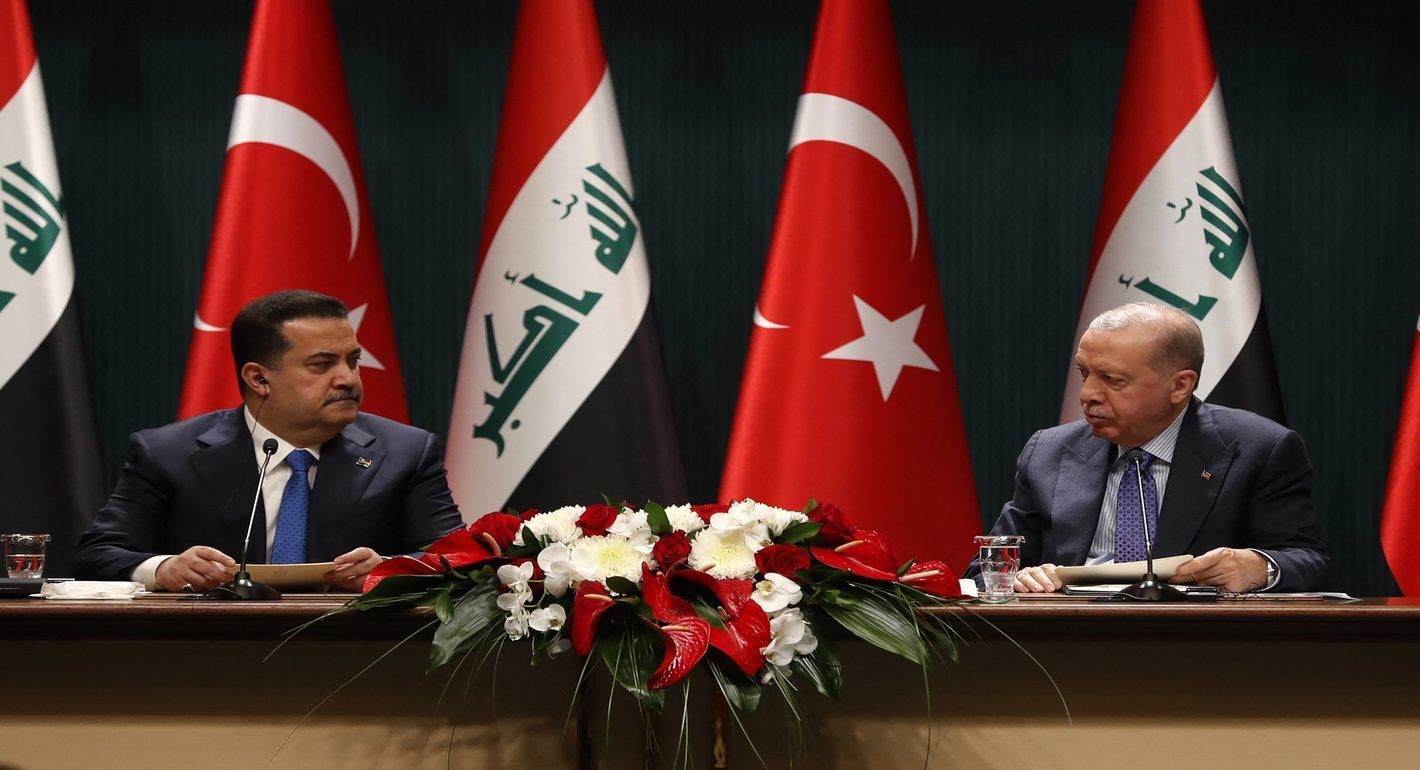
The first of these alliances was a framework agreement for defense and economic cooperation, reached last February in Ankara between the defense ministers of Somalia and Türkiye. Extending for ten years, the agreement aims to establish a joint military force to secure Somalia’s coast and protect its territorial waters. It also seeks to develop and modernize Somalia’s naval forces and provide technical support to the Somali army. Additionally, the agreement grants Türkiye rights to explore and extract oil and gas within Somalia's territorial waters.
Following the agreement, the Turkish parliament approved a two-year deployment of Turkish troops within Somali territorial waters last July. This cooperation is expected to bolster Mogadishu’s political standing through strengthened economic and security ties with Türkiye, which, in turn, seeks to expand its presence and influence in Africa, starting with the strategic Horn of Africa region.
Defense Cooperation Protocol with Cairo
In August, Somalia signed a defense cooperation protocol with Egypt, to which the Horn of Africa represents a strategically vital region. Shortly thereafter, the Egyptian Foreign Ministry announced the arrival of a shipment of military equipment and aid to Somalia, underscoring Cairo’s support for Mogadishu’s efforts to preserve its sovereignty, combat terrorism, and contribute to regional stability. Egypt also declared its intention to send troops to Somalia as part of the new AU mission, a move the Somali government welcomed.
The Egyptian stance on the diplomatic relations between Somalia and Ethiopia can be understood in the context of its long-standing dispute with Ethiopia over the use of the Nile’s water. For Egypt, the construction, filling, and operation of the Grand Ethiopian Renaissance Dam, which continues despite Egypt’s strong opposition, poses a significant threat to its water supply and, consequently, its national security.
On a different note, the growing consensus between Cairo and Ankara regarding Somalia raises important questions about future cooperation between the two countries. Egypt’s military involvement in the Horn of Africa will likely require coordination with Türkiye, which maintains an active presence in the region. Recently, relations between Egypt and Türkiye have improved significantly, culminating in the Egyptian president’s first official visit to Ankara since taking office. This burgeoning cooperation could help mitigate conflicts of interest between the two nations in the Horn of Africa.
Seeking New Alliances
The Somali government is exerting maximum political pressure on Addis Ababa to urge its government to retract the preliminary agreement with the separatist authorities in Somaliland. Mogadishu’s persistent efforts recently culminated in the announcement of a new MoU for defense cooperation with Tanzania in October, although the specific contents and terms of this memorandum were not disclosed The Somali government will continue to expand its network of regional and international alliances, through which it aims to deter Ethiopian ambitions and impose a kind of regional is deterrent against it.