

{
  "authors": [
    "Christopher S. Chivvis",
    "Zsuzsanna Végh",
    "Catherine Fieschi",
    "Federico Merke"
  ],
  "type": "event",
  "centerAffiliationAll": "dc",
  "centers": [
    "Carnegie Endowment for International Peace"
  ],
  "englishNewsletterAll": "americanStatecraft",
  "nonEnglishNewsletterAll": "",
  "primaryCenter": "Carnegie Endowment for International Peace",
  "programAffiliation": "ASP",
  "programs": [
    "American Statecraft",
    "South Asia"
  ],
  "regions": [
    "United States",
    "Australia",
    "India",
    "Saudi Arabia",
    "Türkiye",
    "South Africa",
    "South Korea",
    "Southeast Asia",
    "Indonesia",
    "Canada",
    "Brazil"
  ],
  "topics": [
    "Foreign Policy",
    "Domestic Politics",
    "Political Reform"
  ]
}
Middle Power Populism and the Future of International Order
Tue, September 22nd, 2026
Online
Invalid video URL
In discussions of world order, the conspicuous ascendance of Donald Trump has often obscured the fact that right-wing populist leaders have come to power in a number of important middle powers around the world. Figures such as Javier Milei in Argentina, Recep Tayyip Erdoğan in Türkiye, Viktor Orbán in Hungary, and Narendra Modi in India have reshaped aspects of their countries’ foreign policies while challenging elements of the liberal international order—sometimes in ways similar to Trumpism, sometimes in ways that contrast with it.
How have the right-wing populists in middle powers transformed their countries’ approaches to the world? What ideas and tactics do these leaders share, and where do their agendas diverge? What are the limits to this greater cooperation among populist governments, especially when these leaders privilege national sovereignty above all else?
"The Populist Turn in Middle Power Diplomacy,” a newly published series produced by Carnegie’s American Statecraft and South Asia Programs, brings leading experts together to examine these questions and draw the conclusions for the future.
To mark the release of this compendium, join Carnegie’s Christopher Chivvis as he engages in conversation with three contributing authors, Catherine Fieschi, Federico Merke, and Zsuzsanna Végh. Together, they will discuss how populism is shaping diplomacy, the opportunities and constraints these leaders face, and what their rise could mean for the future of international relations.
Carnegie does not take institutional positions on public policy issues; the views represented herein are those of the author(s) and do not necessarily reflect the views of Carnegie, its staff, or its trustees.
Event Speakers
Senior Fellow and Director, American Statecraft Program
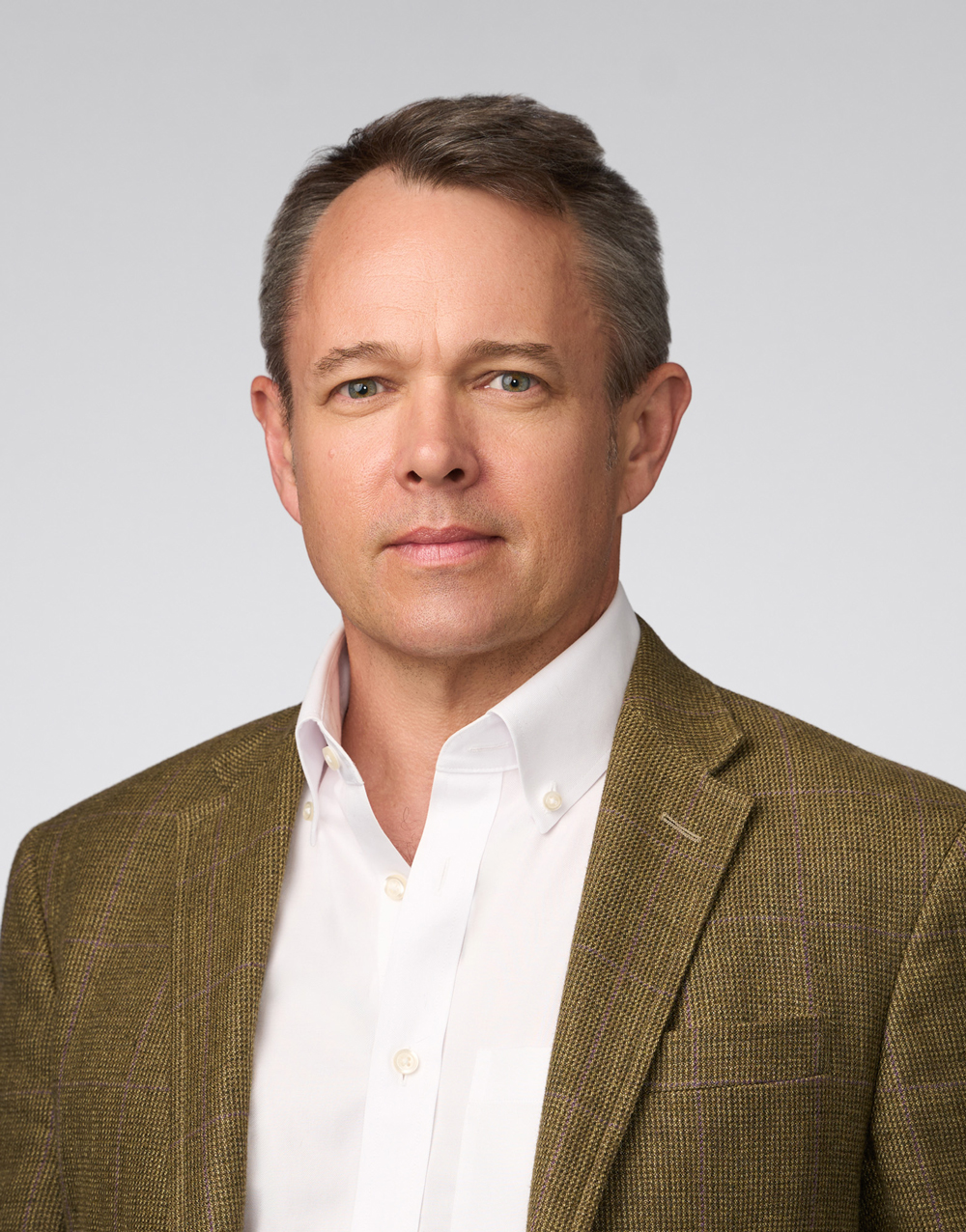
Christopher S. Chivvis is the director of the American Statecraft Program at the Carnegie Endowment for International Peace.
Zsuzsanna Végh
Program Officer, German Marshall Fund
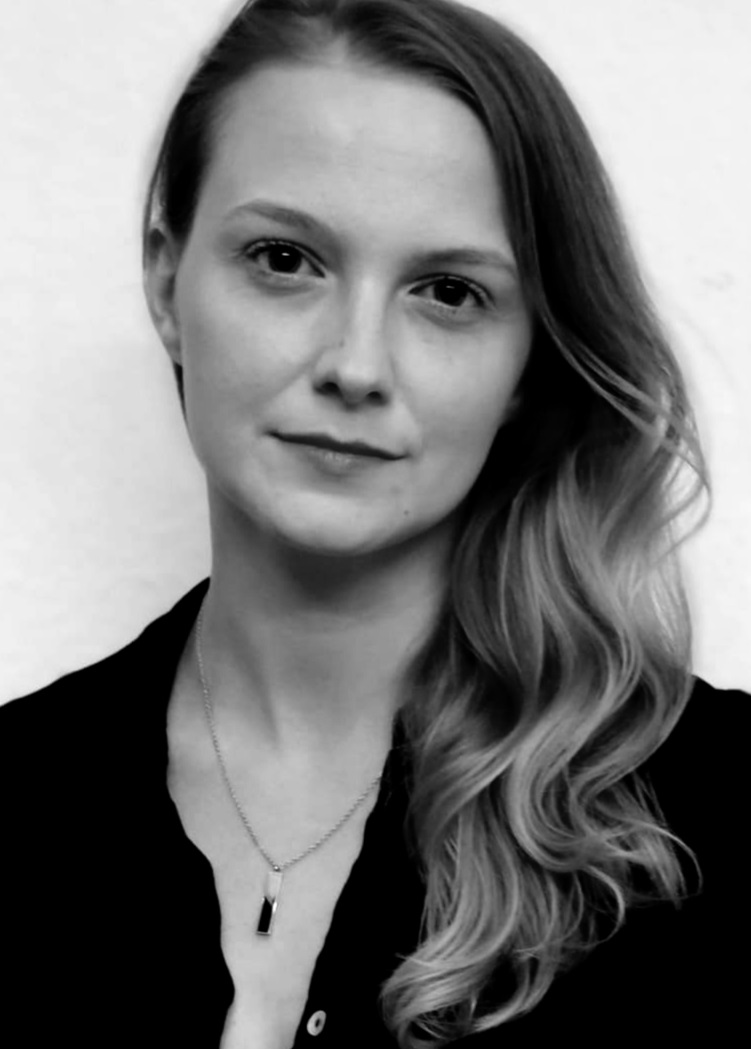
Zsuzsanna Végh is a program officer with GMF’s European Resilience program in Berlin. Her research focuses on challenges to liberal democracy in Europe, particularly the rise of the far right and its influence on EU politics, foreign policy, and democratic governance. She also analyzes processes of democratic backsliding and resilience, with expertise in Central Europe and a particular focus on Hungary.
Visiting Scholar, Carnegie Europe
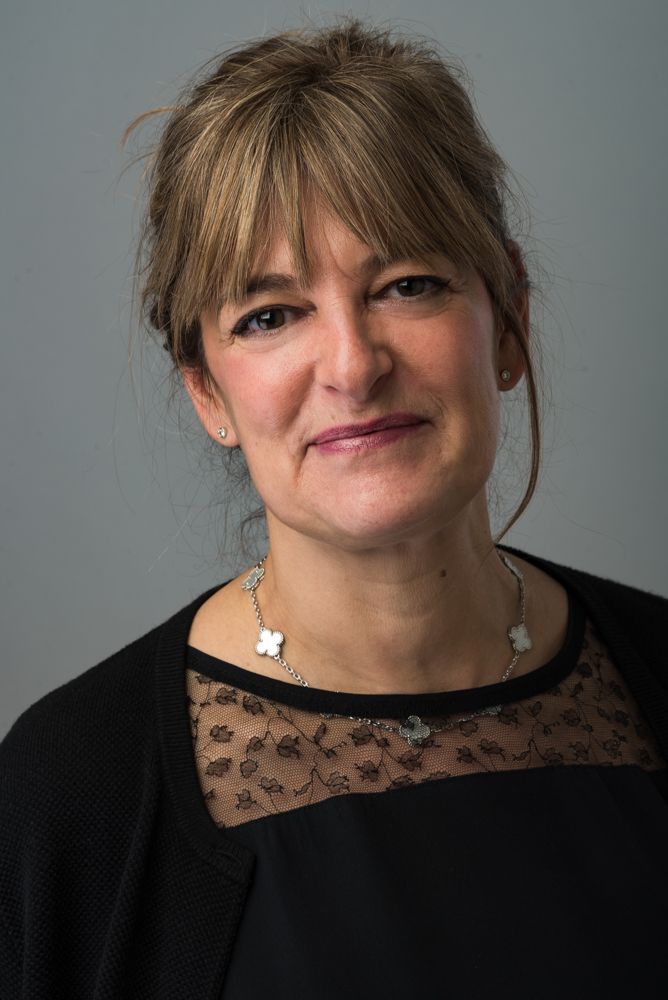
Catherine Fieschi is a visiting scholar at Carnegie Europe and the author of Populocracy (2019).
Federico Merke
Associate Professor of International Relations and Chair of the Department of Social Sciences, Universidad de San Andrés
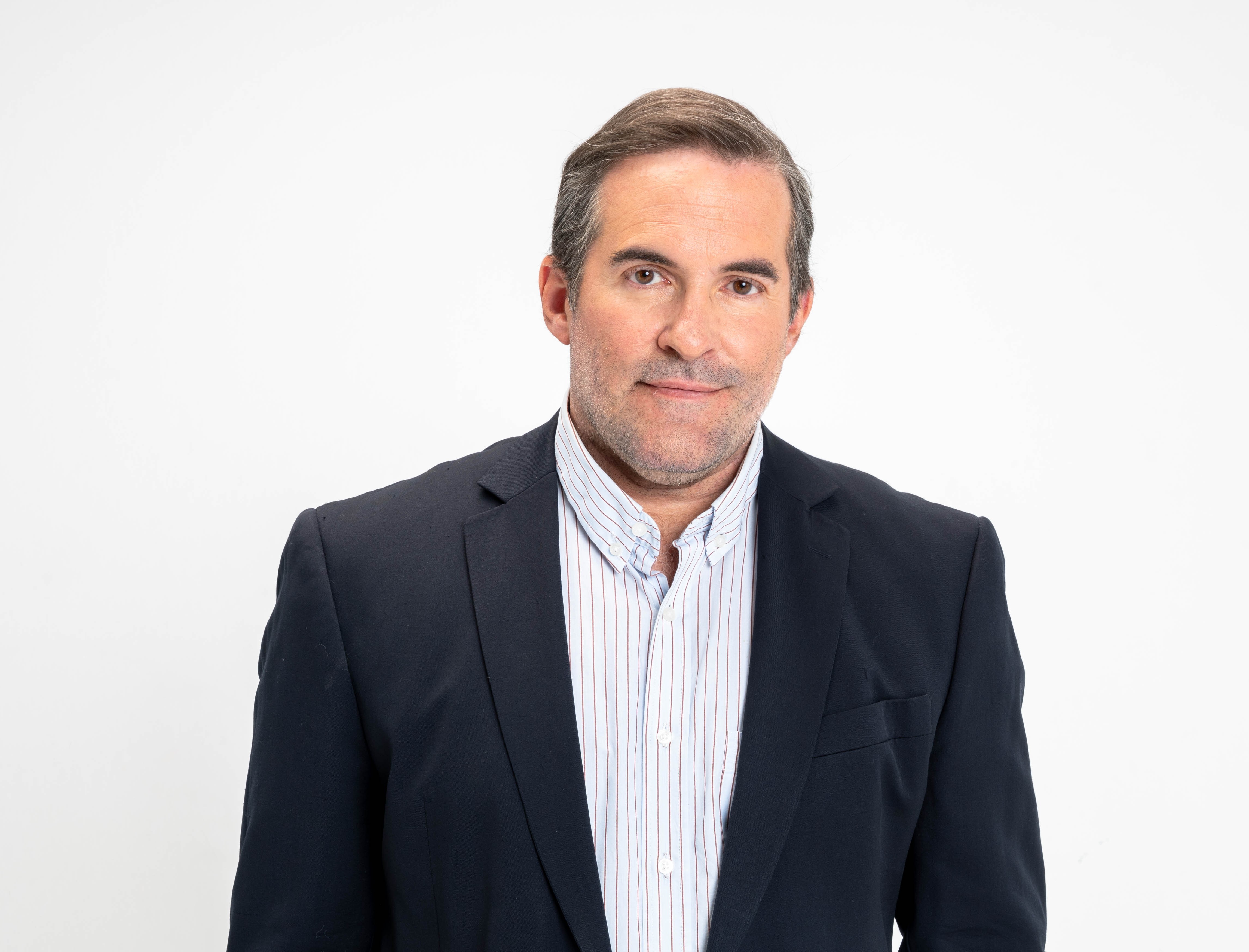
Federico Merke is Associate Professor of International Relations and Chair of the Department of Social Sciences at Universidad de San Andrés in Argentina. His work examines geopolitics, climate change, and Latin America’s place in a changing international order, with a particular interest in how political, economic, and regulatory forces shape international relations. He has written extensively on Argentine foreign policy, Latin American international relations, and global politics.