

In The Media
Minxin Pei
{
  "authors": [
    "Minxin Pei"
  ],
  "type": "legacyinthemedia",
  "centerAffiliationAll": "dc",
  "centers": [
    "Carnegie Endowment for International Peace"
  ],
  "collections": [],
  "englishNewsletterAll": "asia",
  "nonEnglishNewsletterAll": "",
  "primaryCenter": "Carnegie Endowment for International Peace",
  "programAffiliation": "AP",
  "programs": [
    "Asia"
  ],
  "projects": [],
  "regions": [
    "China"
  ],
  "topics": [
    "Democracy"
  ]
}
REQUIRED IMAGE
Source: Carnegie
Beijing's Social Contract is Starting to Fray
by Minxin Pei
Financial Times, June 3, 2004
Now fifteen years since the Tiananmen democratic uprising, the Chinese Communist Party has showed incredible resilience. The Party's perseverence is largely attributable to its ability to maintain high-growth with only minor social reforms. However, this neo-authoritarian approach is unsustainable, breading state predation and endemic corruption. The Party must rewrite its social contract with Chinese citizens and pursue real political reform before it self-destructs.
Click here to view the article (subscription required)
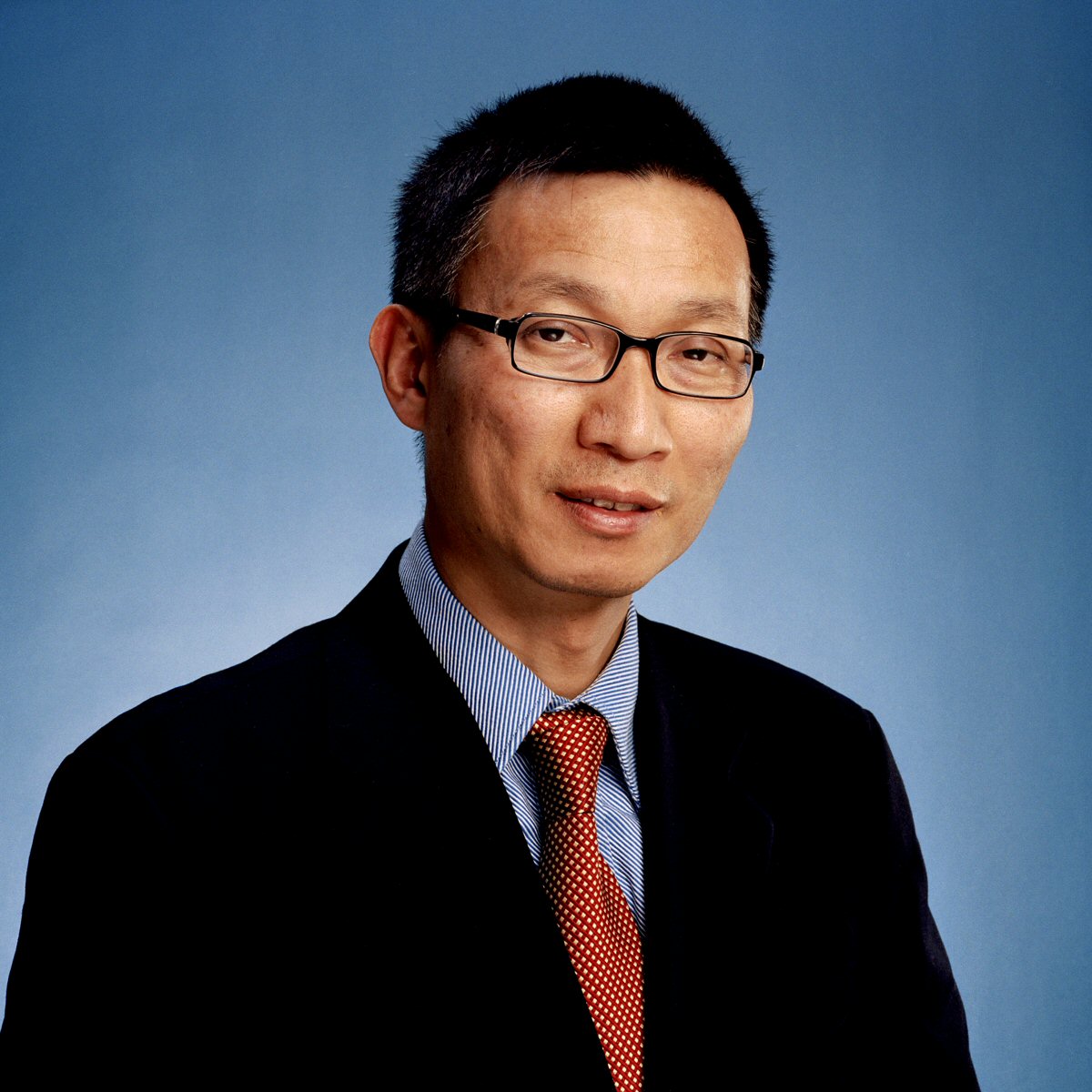
Former Adjunct Senior Associate, Asia Program
Pei is Tom and Margot Pritzker ‘72 Professor of Government and the director of the Keck Center for International and Strategic Studies at Claremont McKenna College.
Recent Work
Minxin Pei
Minxin Pei

Ultimately, Zelensky sided neither with the reform camp nor with the military establishment as such, but with political control.

Balázs Jarábik
“AI safety in parallel” is modest and pragmatic but vital.

Matt Sheehan

As the EU confronts profound challenges, several leaders have called for fundamental reform to the union’s model—but only modest, superficial changes have resulted. What if Europe really could be reimagined from zero today: What should such a redesigned European order look like?

Richard Youngs, ed.

Far-right leader Marine Le Pen can—and will—run in France’s next presidential election. What does the outcome of her appeal against a 2025 embezzlement conviction mean for the country’s political future?

Catherine Fieschi

Syria's transition promised a fresh start. But are old habits of power making a comeback? This analysis looks at the warning signs and what it will take to build a more accountable state.

Sima Beitinjaneh