

Commentary
Despite its flop at the box office, the film raises important questions for the climate community to answer.
Leonardo Martinez-Diaz

REQUIRED IMAGE
The following are excerpts from remarks by Sam Nunn, co-chairman of the Nuclear Threat Initiative, to the 2004 Carnegie International Non-Proliferation Conference, June 21, 2004.
Source: Carnegie
The following are excerpts from remarks by Sam Nunn, co-chairman of the Nuclear Threat Initiative, to the 2004 Carnegie International Non-Proliferation Conference, June 21, 2004.
Nuclear weapons nations must visibly and steadily reduce their reliance on nuclear weapons, and today they are not. The presidents of the United States and Russia should urgently undertake a new nuclear initiative and end their nations’ Cold War nuclear force postures by removing all nuclear weapons from hair-trigger status.
Today, the risk of an accidental or unauthorized launch of a nuclear weapon is unacceptably high. We are running the irrational risk of an Armageddon of our own making. It is time to find a safer form of deterrence and security. If both the United States and Russia remove nuclear weapons from hair-trigger status, we can immediately eliminate the threat of rapid assured destruction and dramatically reduce the chance of an accidental, mistaken, or unauthorized launch. By taking this step, we will de-emphasize the role of nuclear weapons and make them less relevant.
Keeping our nuclear weapons on hair trigger now increases the risk it was designed to reduce. President Bush knows this: In the summer of 2000, Presidential candidate George W. Bush said: "The Clinton-Gore administration has had over seven years to bring the U.S. force posture into the post-Cold War world. Instead, they remain locked in a Cold War mentality."
Later in the same speech, Mr. Bush said: "The United States should remove as many weapons as possible from high-alert, hair-trigger status – another unnecessary vestige of Cold War confrontation. Preparation for quick launch – within minutes after warning of an attack – was the rule during the era of superpower rivalry. But today, for two nations at peace, keeping so many weapons on high alert may create unacceptable risks of accidental or unauthorized launch. So, as president, I will ask for an assessment of what we can safely do to lower the alert status of our forces."
I have a proposal. Candidate Bush said we should remove "as many weapons as possible" from hair-trigger status. I propose that today "as many weapons as possible" should mean "all of them." I urge the president of the United States and the president of Russia to order the military and defense officials of each country to present to the presidents, within six months, a set of options for removing all nuclear weapons of both countries from hair-trigger status. These officials should jointly:
1. Determine what threats posed by the other side justify keeping any nuclear weapons on hair-trigger status.
2. Determine what steps the other side must take to remove those threats and thus end the justification for hair-trigger status.
3. Integrate these findings into proposed nuclear force postures that can assure the survivability of nuclear forces and end the need for quick launch capacity by either the U.S. or Russia.
The presidents should then jointly adopt an approach and a timetable to get the job done and challenge other nuclear nations to follow this lead. If the defense establishments say they cannot, we need clear and convincing answers why not. The burden of proof must shift to those who insist on maintaining the hair-trigger posture in Russia and in the United States.
Removing all nuclear weapons from hair trigger alert would move towards a nuclear posture where the decision to launch will be slower, more deliberate and far less likely. This is an essential first step in coming out from under the shadow of Mutual Assured Destruction toward an expanded doctrine of "Mutual Assured Safety" – an idea first advanced by former Defense Secretary Bill Perry – where both the U.S. and Russia would shift their nuclear weapons doctrine from one that "seeks security by threatening destruction" toward one that "seeks security by threat reduction."
There are a number of possible options for beginning the removal of all nuclear weapons from hair-trigger alert, including:
1. Immediately ordering that the warheads from each side scheduled to be taken out under the 2002 Treaty of Moscow be taken off alert;
2. Limiting the number of hair-trigger status warheads each side can deploy to several hundred;
3. A reciprocal approach where the U.S. would remove all land-based missiles from hair-trigger alert, and Russia would do the same for its sea-based missiles.
If the United States and Russia de-emphasize the role of nuclear weapons in our security, it would: immediately reduce the danger we pose to each other; give us more standing to encourage other nations to dismiss the nuclear option; and help build the international cooperation required to apply pressure on nations still seeking the nuclear option – nations like Iran and North Korea – and rally the world to take essential steps in preventing catastrophic terrorism.
Carnegie does not take institutional positions on public policy issues; the views represented herein are those of the author(s) and do not necessarily reflect the views of Carnegie, its staff, or its trustees.
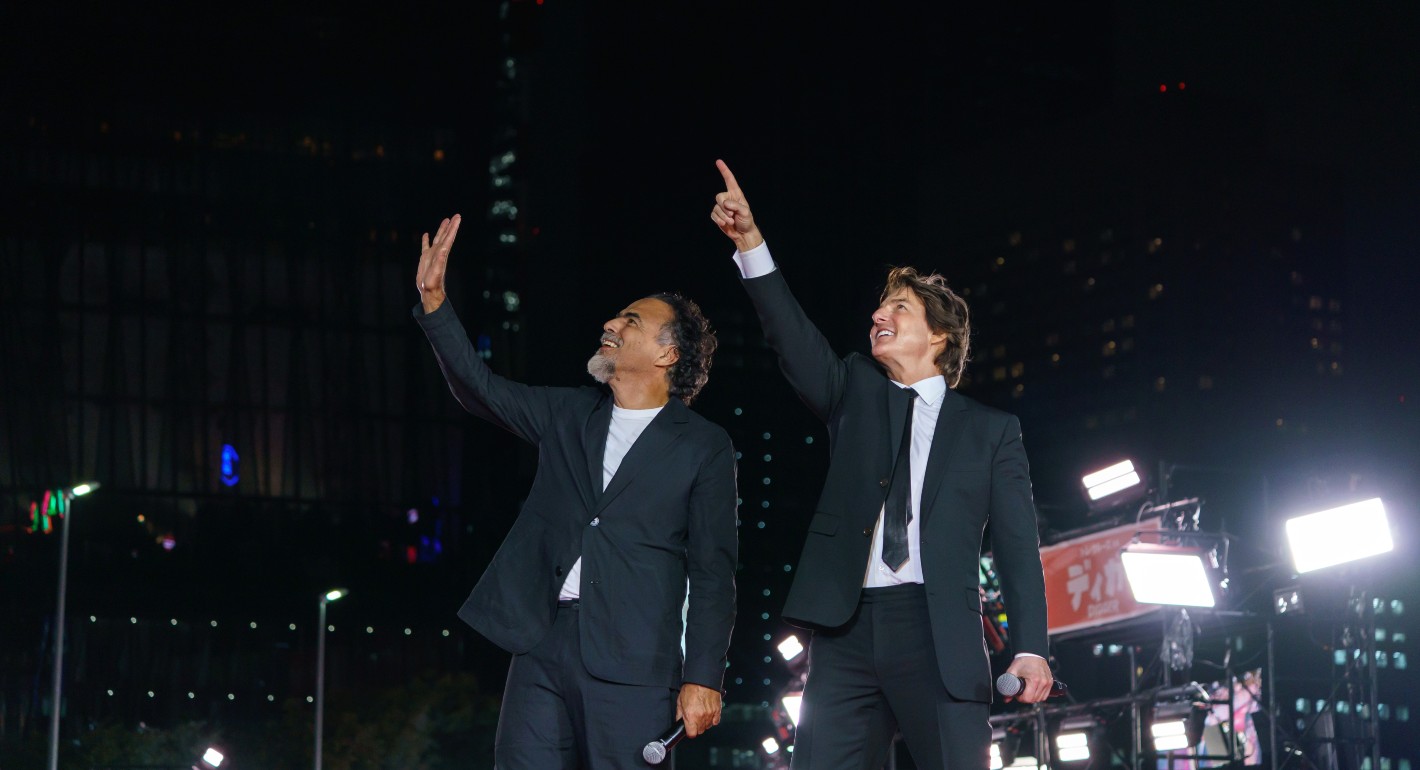
Despite its flop at the box office, the film raises important questions for the climate community to answer.

Leonardo Martinez-Diaz
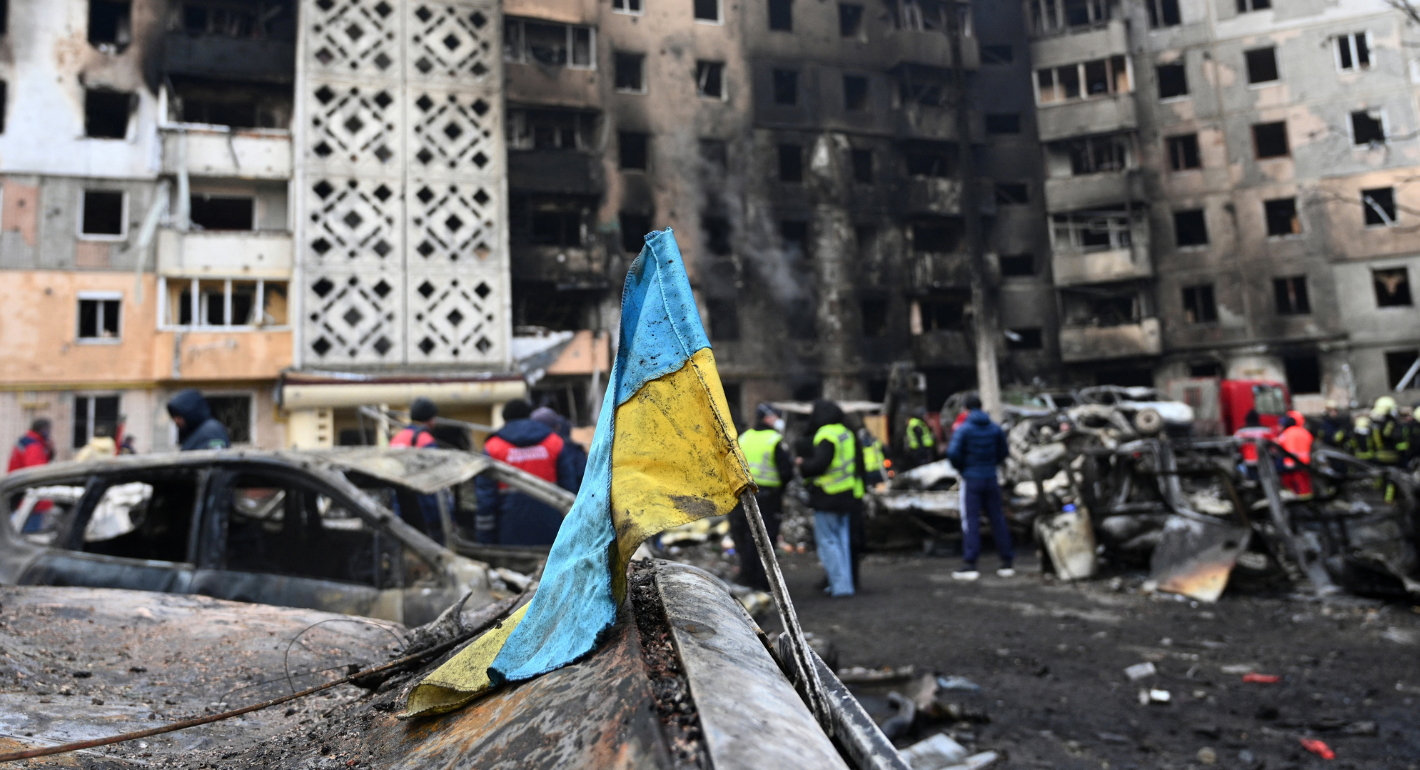
Funding Ukraine remains a priority for European leaders. As Russia’s war of aggression heads into another winter, two feasible options to mobilize support for Kyiv should be fast-tracked.

Vladyslav Rashkovan, Gregory P. Wilson

Russian strikes are weakening the economy sustaining Ukraine’s war effort. Closing the growing funding gap will require more European support and politically contentious reforms in Kyiv.

Balázs Jarábik

In an interview, Rozina Ali discusses her new book on the rise and manifestations of Islamophobia in the United States.

Michael Young
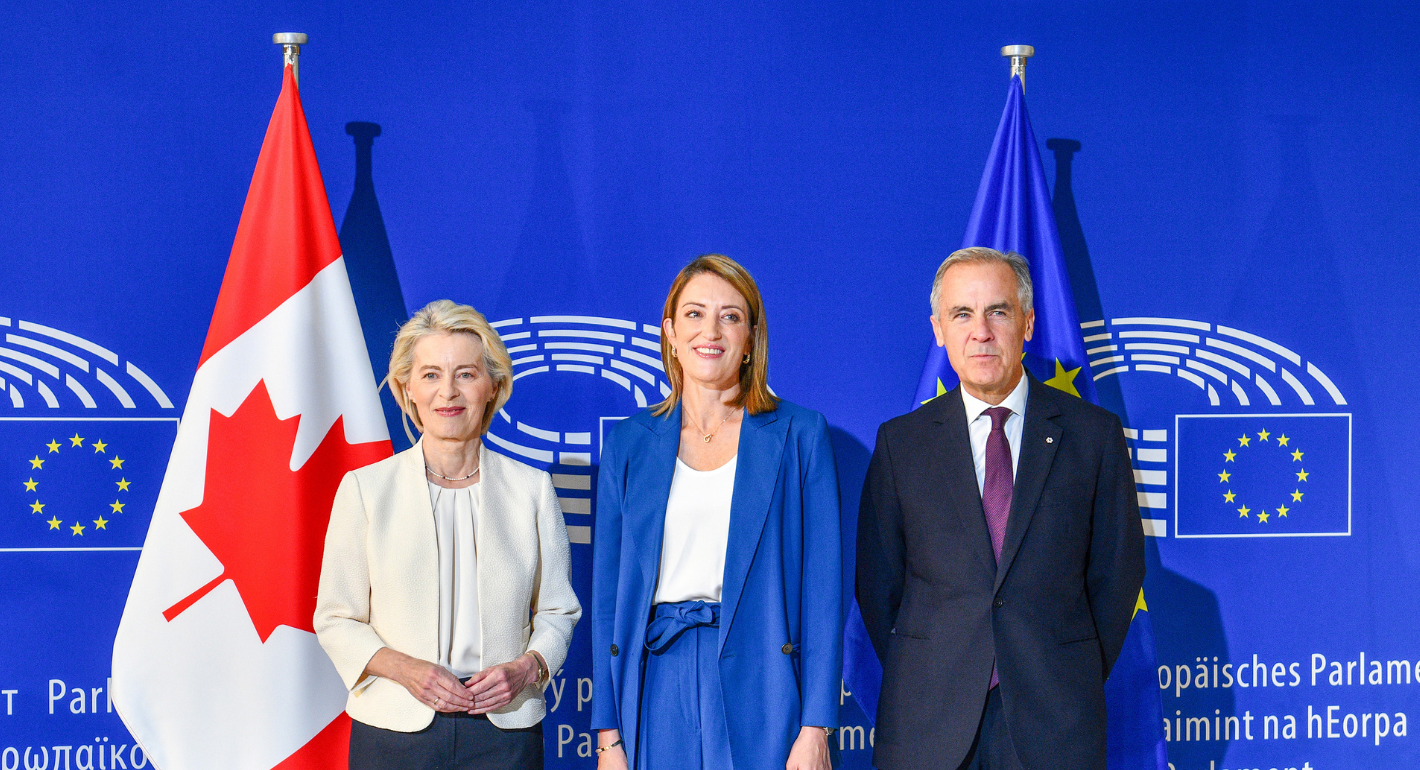
While the EU and European governments are embracing the much-lauded middle-power moment, this entails three difficult conundrums.

Richard Youngs