

Commentary
Although Ukrainian strikes have led to a noticeable decline in the physical volume of Russian oil exports, the rise in prices has more than made up for it.
Sergey Vakulenko
{
  "authors": [
    "Thomas Graham, Jr."
  ],
  "type": "legacyinthemedia",
  "centerAffiliationAll": "dc",
  "centers": [
    "Carnegie Endowment for International Peace"
  ],
  "collections": [],
  "englishNewsletterAll": "ctw",
  "nonEnglishNewsletterAll": "",
  "primaryCenter": "Carnegie Endowment for International Peace",
  "programAffiliation": "russia",
  "programs": [
    "Russia and Eurasia"
  ],
  "projects": [],
  "regions": [
    "Caucasus",
    "Russia"
  ],
  "topics": [
    "Foreign Policy"
  ]
}
REQUIRED IMAGE
Source: Carnegie
Reprinted with permission from the Christian Science Monitor, October 26, 2000
WASHINGTON -- Because of its partisan nature, a recent report of the Speaker's Advisory Group on Russia, composed of 12 House Republicans, has failed to spark a serious debate about US policy toward Russia. We need such a debate, for this is a country that will remain critical to our own security and prosperity.
The report ignores solid achievements by the Clinton administration, such as the withdrawal of Russian troops from Central Europe and the Baltics and the return of Soviet nuclear weapons from Ukraine to Russia for dismantling. Nevertheless, it is clear that the administration has badly mishandled policy toward Russia. We need to understand what happened to leave us with a Russia that is less friendly, weaker, poorer, and less democratic than it was nearly eight years ago.
When President Clinton took office, nearly three-quarters of all Russians had a favorable opinion of the United States. Today, fewer than half do. At the time, Russia was seeking an alliance with the US. Today, Russian national-security documents identify the US as a threat to Russia's strategic interests.
The average Russian is worse off in socio-economic terms than he was a decade ago. The economy has diminished by 40 percent. The World Bank estimates that 45 percent of Russians live in poverty. The public health system is a shambles, contagious diseases are returning, and public schools are woefully underfunded.
Democracy has not fared well in Russia. Freedom of the press is under threat. A Moscow newspaper recently published evidence that Mr. Putin's first-round victory earlier this year was due to fraud. And the Department of State documents no significant improvement in human rights since Clinton took office.
So what went wrong? Surely, some of the problems are beyond the administration's control. Some deterioration of US-Russian relations was inevitable as the euphoria of our common victory over Soviet communism wore off. Some of the economic hardship and undemocratic behavior is due to the harsh Soviet legacy, which ruled out an easy transition to a market economy and an open society. Much of the industrial decline has come from the sharp drop in weapons productions.
But US policy did matter. The administration backed an economic course - the so-called "Washington consensus" – that did not take sufficient account of Russian political realities, including a widespread elite and popular opposition to that course. Critics were generally dismissed as communists, hard-liners, or economic illiterates. In the end, the administration found itself backing a small, unpopular group of radical reformers. Not only was the economic program not implemented, but the way it was pursued cast into doubt American support for the democratization of Russia.
Meanwhile, the US image in Russia suffered. Inexplicably, the administration condoned the Russian government's meeting its IMF inflation targets in part by not paying wages and pensions. The administration turned a blind eye to patently phony Russian budgets. The administration hyped its role in Russia's successes before the financial collapse of 1998, but thereafter it was unwilling to accept any blame for the hardships its policies had caused. Such behavior led Russians to question our benevolence, intelligence, and morality.
Our image suffered further from the way the administration dealt with foreign policy and security matters. Instead of building rapport with the Russian elites - which is critical for good relations with Russia -it manipulated Boris Yeltsin to advance our interests; we treated him like a major world leader in return for his concessions on, say, Bosnia or Nato expansion. Russian elites increasingly saw US policies as efforts to exploit Russia's weakness. Our current problems with President Putin are only the fruits of our neglect of the broader Russian political establishment.
The administration, of course, will agree with none of the above. It has steadfastly refused to acknowledge any lapses in its policy toward Russia, nor has it undertaken any systemic appraisal of its successes and failures in Russia. It is time we did that for them.
Former Senior Associate
Carnegie does not take institutional positions on public policy issues; the views represented herein are those of the author(s) and do not necessarily reflect the views of Carnegie, its staff, or its trustees.
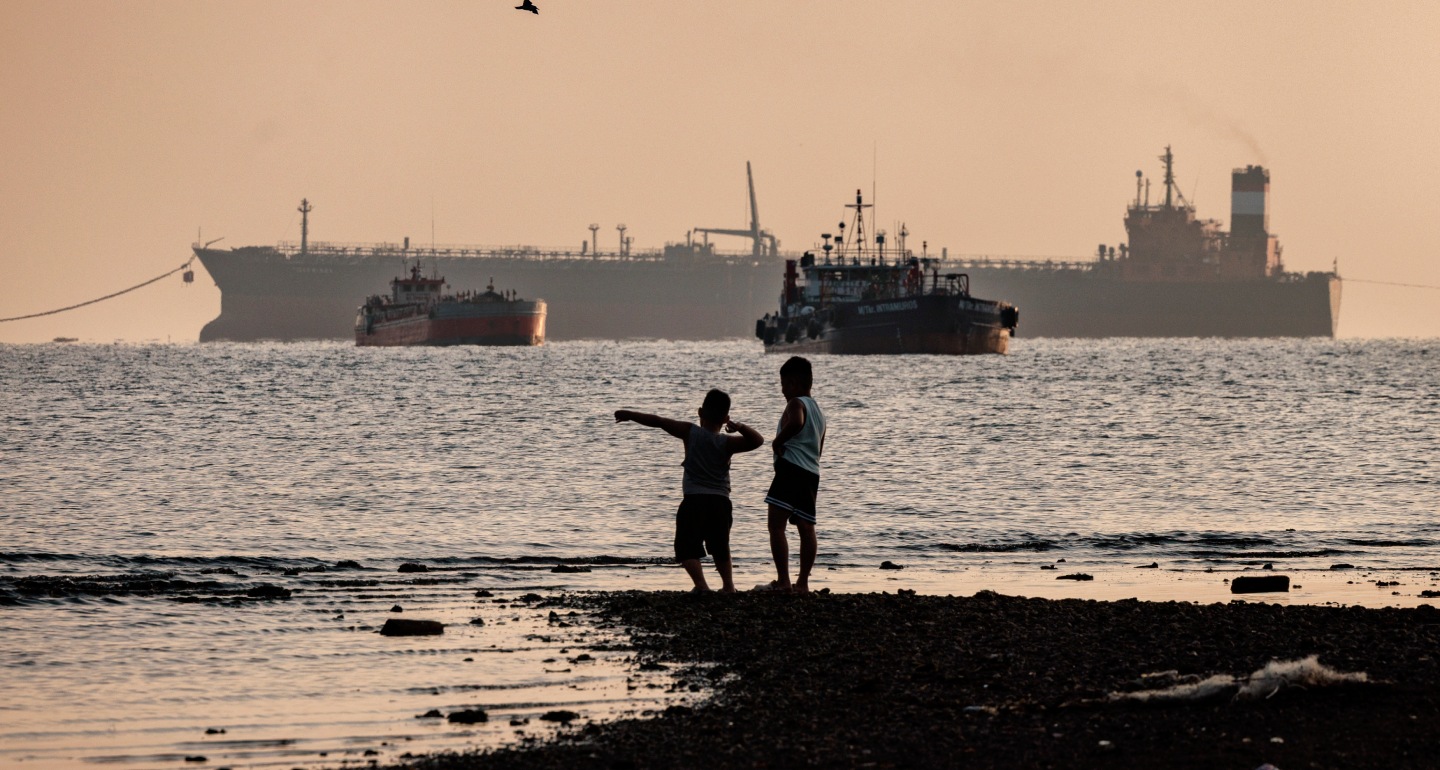
Although Ukrainian strikes have led to a noticeable decline in the physical volume of Russian oil exports, the rise in prices has more than made up for it.

Sergey Vakulenko
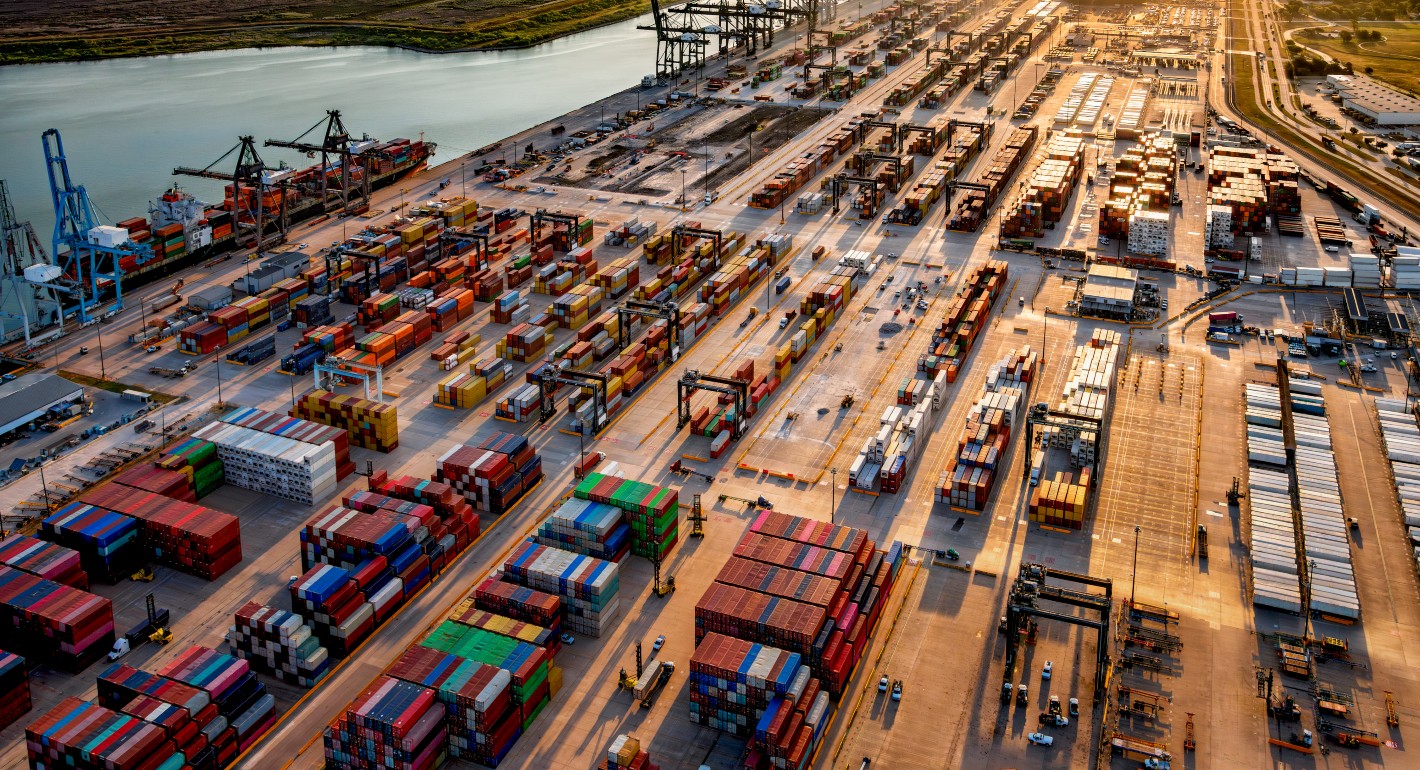
Five problems—and solutions—to make it actually work as a tool of great power competition.

Afreen Akhter
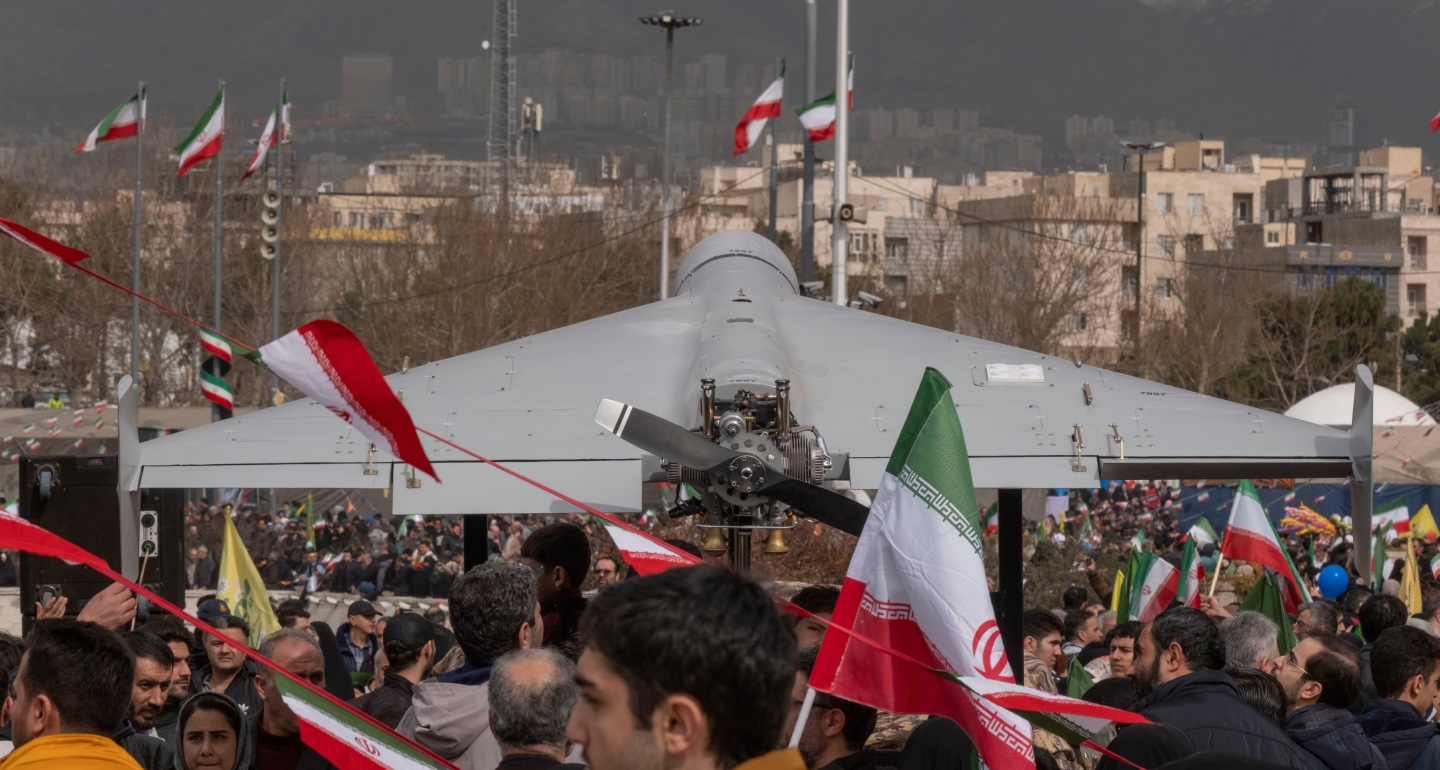
The Russian leadership wants to avoid a dangerous precedent in which it is squeezed out of Iran by the United States and Israel—and left powerless to respond in any meaningful way.

Nikita Smagin
One is hopeful. One is realistic. One is cautionary.

Andrew Leber, Sam Worby
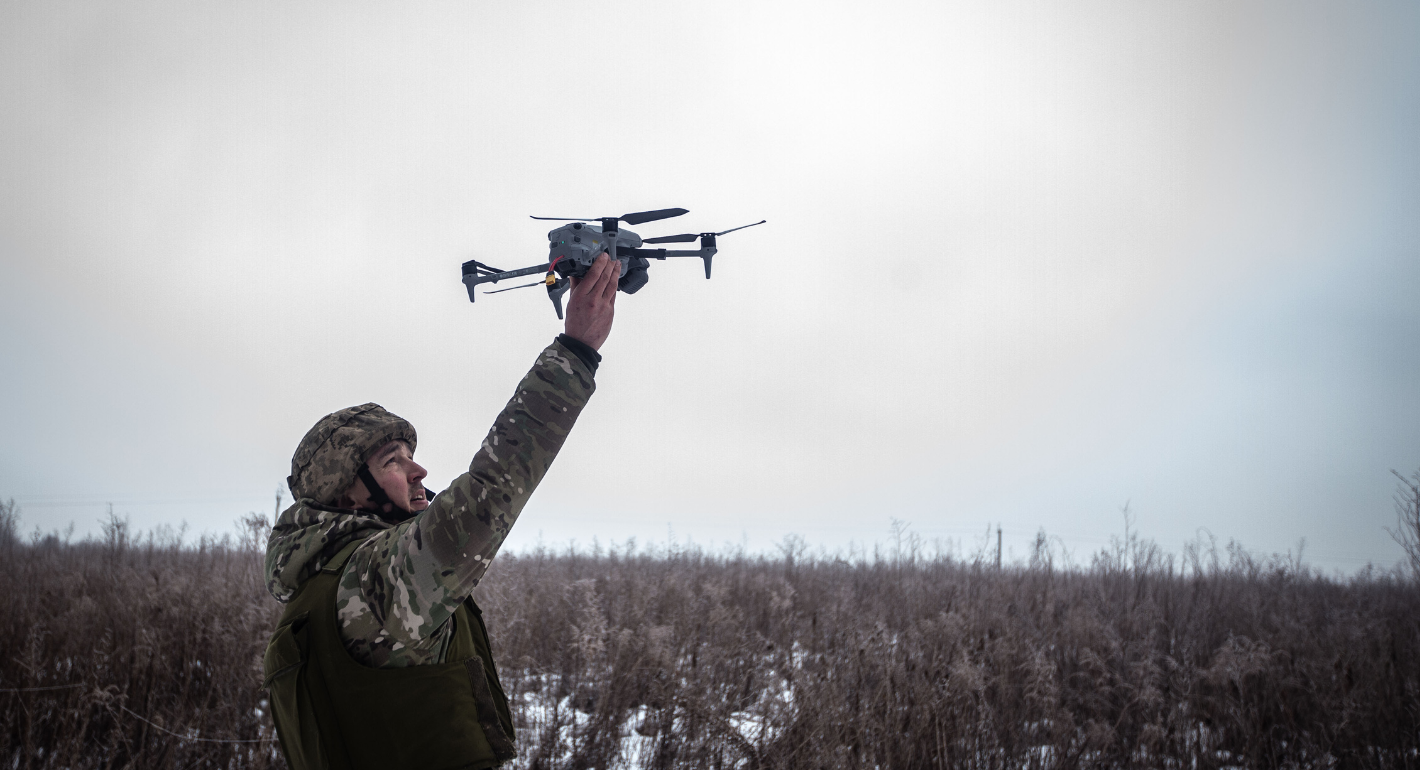
In Ukraine, Gaza, and Iran, AI warfare has come to dominate, with barely any oversight or accountability. Europe must lead the charge on the responsible use of new military technologies.

Raluca Csernatoni