

Podcast Episode
Aaron David Miller engages Eric Ciaramella, Andriy Zagorodnyuk, and Alexandra Prokopenko in a wide-ranging discussion of Russia’s war against Ukraine four years on.
- +1
Aaron David Miller, Eric Ciaramella, Andriy Zagorodnyuk, …
Senator Chris Van Hollen joins Aaron David Miller for a special episode of Carnegie Connects to explore the changing balance of power between Congress and the executive branch, and lawmakers' influence over foreign policy.
It’s no coincidence that the framers—reflecting the importance of the legislative branch—laid out the responsibilities and powers of Congress in Article I, with the executive second, and the judiciary third. And yet as 2025 draws to a close, the role of Congress seems overshadowed by the other branches.
What’s happened to skew the balance of power the founders intended? Does Congress still matter when it comes to shaping domestic policy and constraining the aggrandizement of presidential power? And on foreign policy, traditionally the purview of the executive branch, what role can, and should, Congress play? Join Aaron David Miller as he engages Senator Chris Van Hollen, who sits on the Budget, Appropriations, and Foreign Relations Committees, on the next Carnegie Connects.
Carnegie does not take institutional positions on public policy issues; the views represented herein are those of the author(s) and do not necessarily reflect the views of Carnegie, its staff, or its trustees.
Aaron David Miller engages Eric Ciaramella, Andriy Zagorodnyuk, and Alexandra Prokopenko in a wide-ranging discussion of Russia’s war against Ukraine four years on.

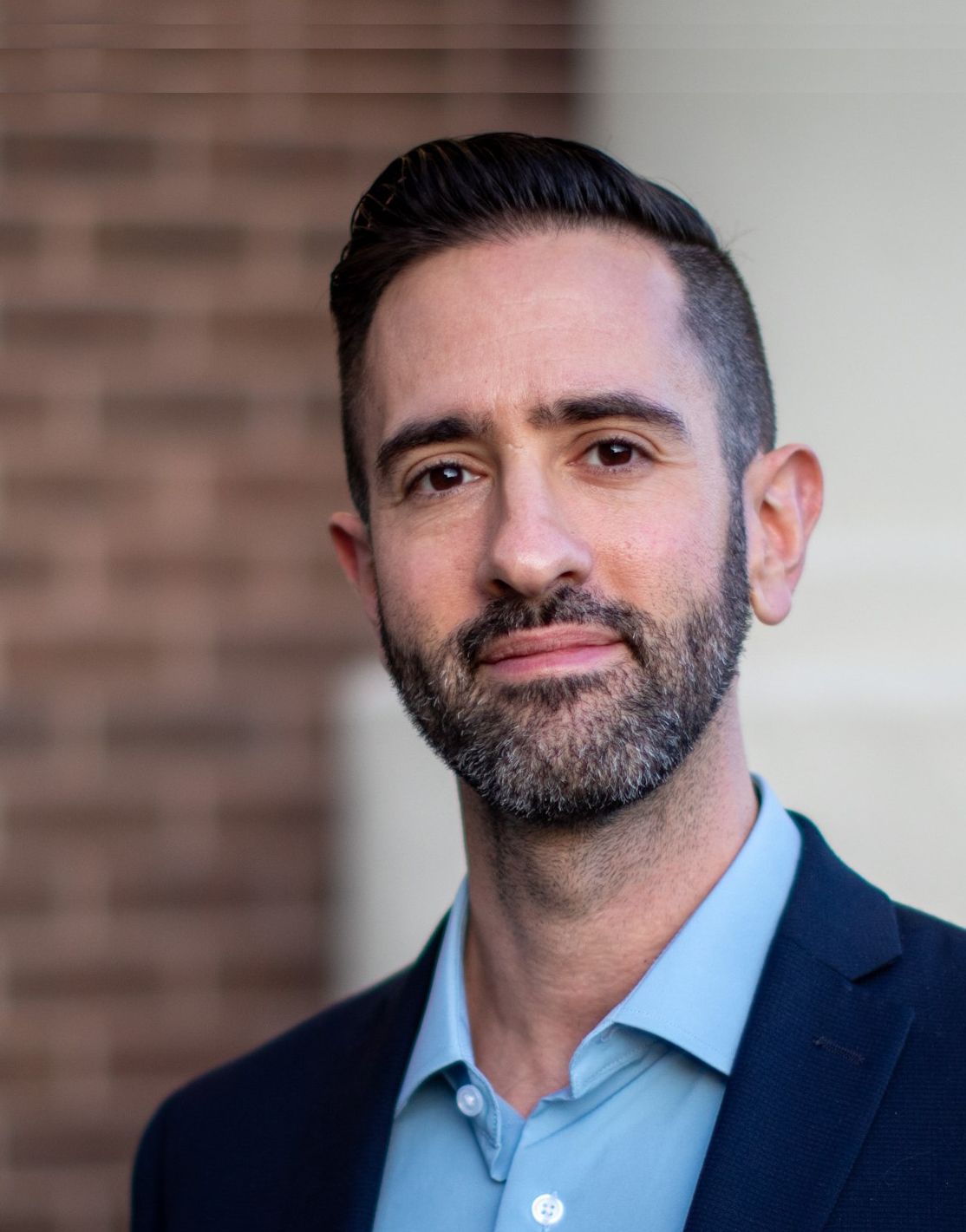

Aaron David Miller, Eric Ciaramella, Andriy Zagorodnyuk, …
Join Aaron David Miller as he engages Pulitzer Prize winning author and The New York Times columnist Thomas L. Friedman on what Americans can expect from the next three years of the Trump administration.
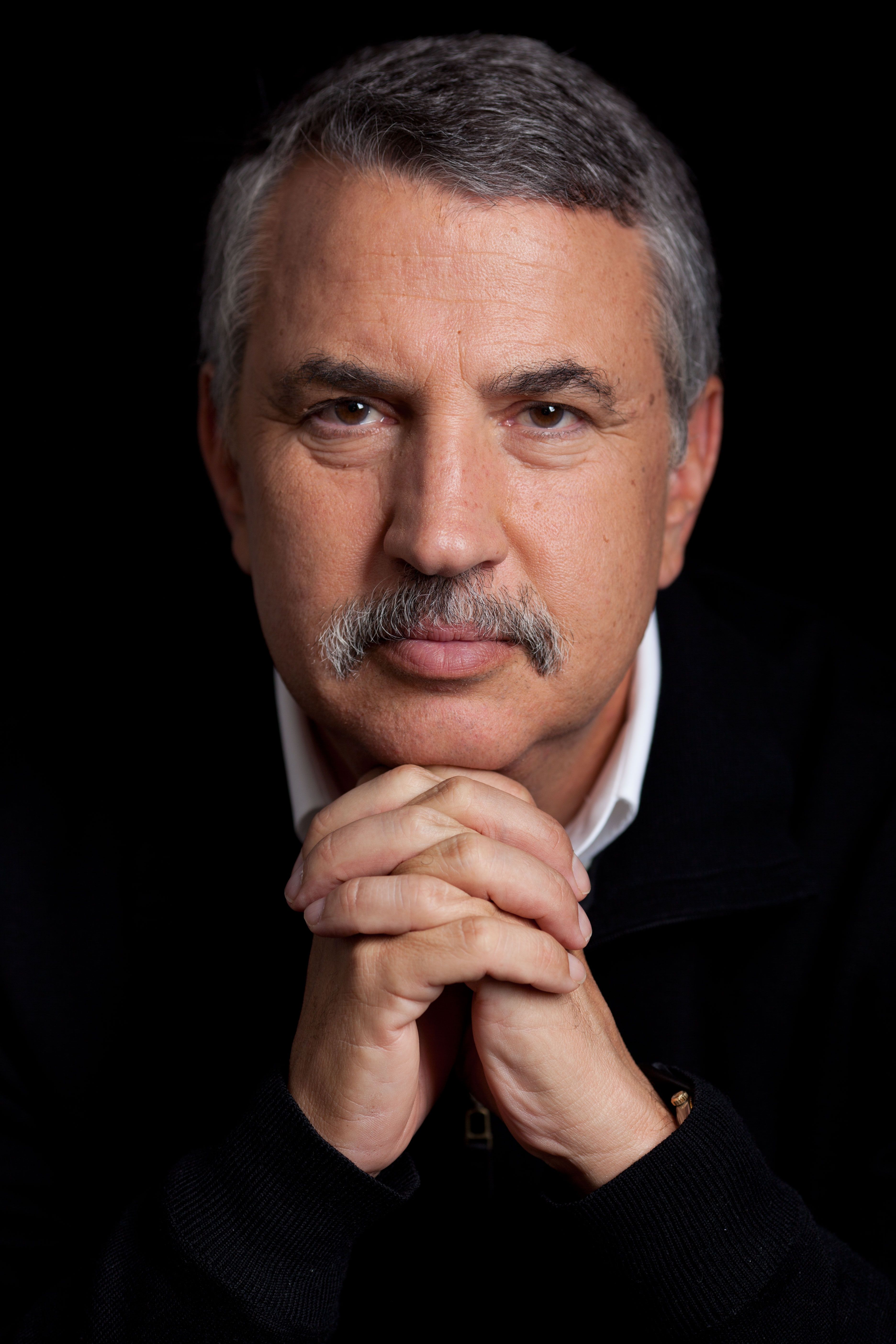
Aaron David Miller, Thomas L. Friedman
Join Aaron David Miller as he engages two veteran Iran analysts, the Carnegie Endowment’s Karim Sadjadpour and the New Yorker’s Robin Wright in conversation to discuss the unfolding crisis in Iran and America’s reaction.


Aaron David Miller, Karim Sadjadpour, Robin Wright
Join Aaron David Miller as he engages the Council on Foreign Relations’ Rebecca Lissner and the Stimson Center’s Emma Ashford on the second Trump administration's approach to foreign policy.
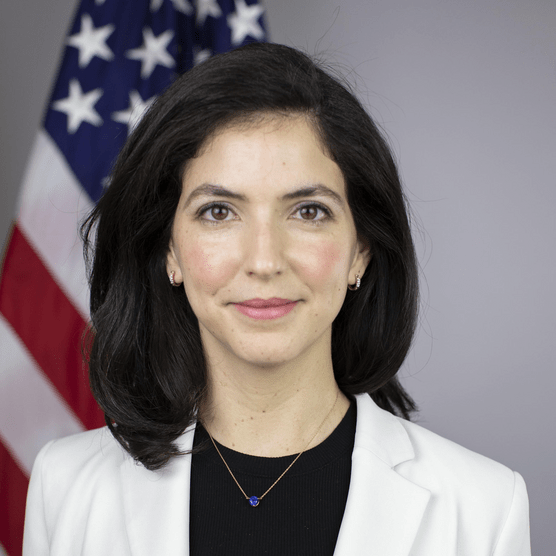

Aaron David Miller, Rebecca Lissner, Emma Ashford
Join Aaron David Miller as he engages the International Crisis Group’s Phil Gunson, the Baker Institute’s Francisco Monaldi, and Johns Hopkins SAIS’s Cindy Arnson on the Trump administration's capture of Venezuelan President Nicholás Maduro and its global implications.


Aaron David Miller, Cynthia Arnson, Phil Gunson, …