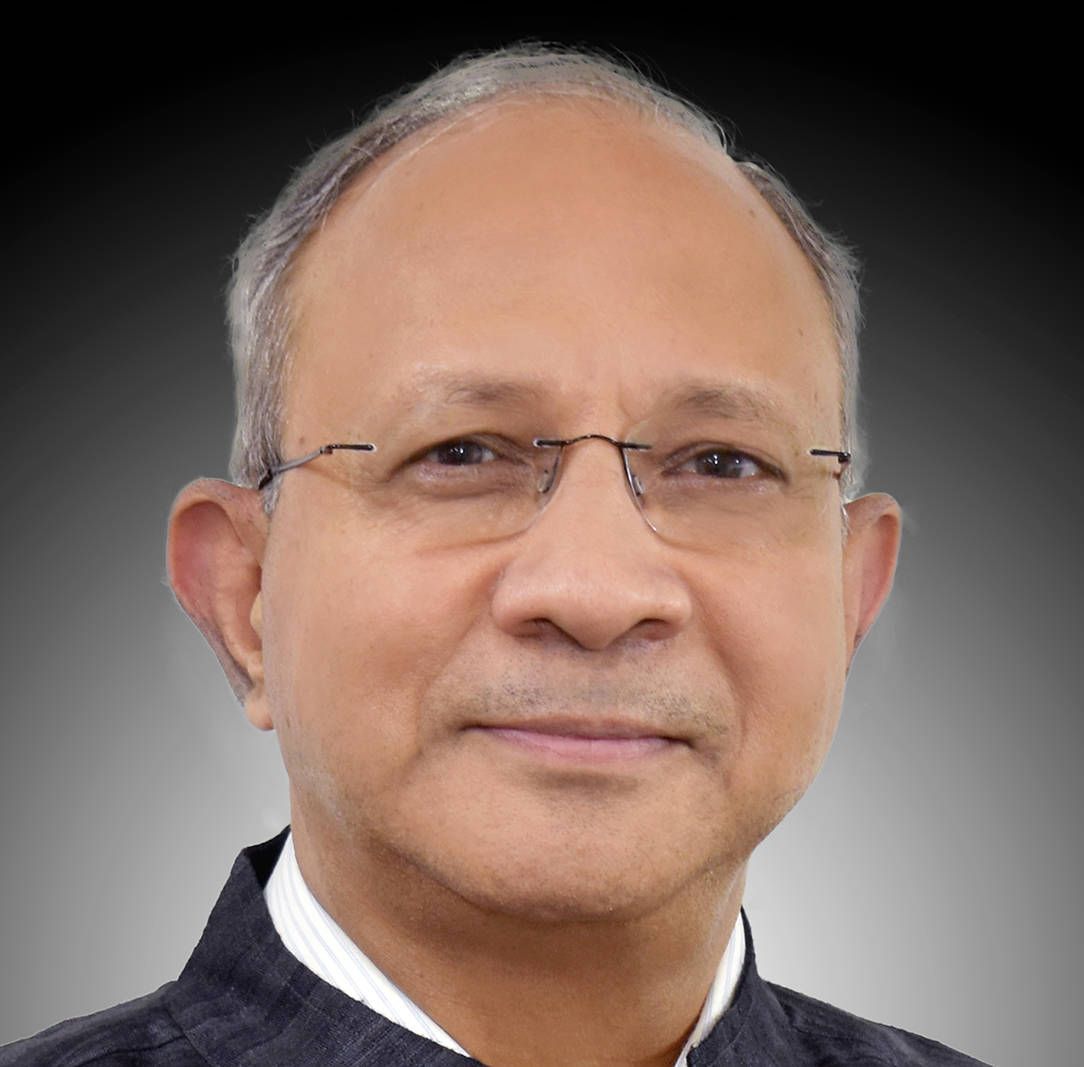
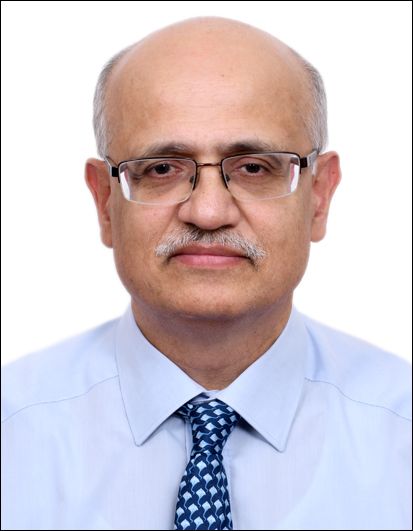
When Ruchika Tandon—a neurologist in Lucknow—got a call from someone claiming to be a police officer, she was told she was under investigation for money laundering. For eight days, scammers kept her under surveillance through her phone, dictating when she could eat and who she could talk to. By the time the calls stopped, Ruchika had handed over nearly $300,000 in family savings.
Ruchika’s story is the centerpiece of “trAPPed,” a Bloomberg investigation authored by Natalie Obiko Pearson, Anand RK, and Suparna Sharma and published as a graphic novel. It won the 2026 Pulitzer Prize for Illustrated Reporting and Commentary. Suparna joins Milan on the podcast this week to discuss her prize-winning work.
Suparna is a freelance investigative journalist and editor who has spent three decades covering crime, conflict, and corruption in India. She has worked on the greed and negligence in India’s multi-billion dollar elder-care industry; the reprisals faced by India’s top women wrestlers after accusing the country’s wrestling chief of sexual harassment; and on how graduates from India’s elite universities have helped political consultancies manipulate elections. Her articles have appeared in Al Jazeera, Rolling Stone India, BBC Africa, the Indian Express, Frontline, among many others.
Milan and Suparna discuss the concept of “digital arrest,” the scammers who prey on unsuspecting Indians, and the unintended impacts of India’s digital revolution. Plus, the two discuss what it’s like to win the Pulitzer Price and why a “Pulitzer” is considered both a dream—and a diss—in Indian newsrooms.
Episode notes:
1. “Citation: The 2026 Pulitzer Prize Winner in Illustrated Reporting and Commentary,” The Pulitzer Prizes, November 2026.
2. Suparna Sharma, “Indian newsrooms, Pulitzer and Ashok Kamath,” LinkedIn Post.
3. Snigdha Poonam, Dreamers: How Young Indians Are Changing the World (Harvard University Press, 2018).
Transcript
Note: this is an AI-generated transcript and may contain errors
Milan Vaishnav Welcome to Grand Tamasha, a co-production of the Carnegie Endowment for International Peace and the Hindustan Times. I'm your host, Milan Vaishnav. When Ruchika Tandon, a neurologist in Lucknow, got a call from someone claiming to be a police officer, she was told she was under investigation for money laundering. For eight days, scammers kept her under surveillance through her phone, dictating when she could eat and who she could talk to. By the time the call stopped, Ruchika had handed over nearly $300,000 in family savings. Her story is the centerpiece of “Trapped,” a Bloomberg investigation told as a graphic novel. It won the 2026 Pulitzer Prize for Illustrated Reporting and Commentary. My guest on the show this week is Suparna Sharma, who reported the story with Natalie Obiko-Pearson and illustrator Anand RK. Suparna is a freelance investigative journalist and editor who spent three decades covering crime, conflict and corruption in India. She has worked on the greed and negligence in India's multi-billion-dollar eldercare industry, reprisals faced by India's top women wrestlers after accusing the country's wrestling chief of sexual harassment, and on how graduates from India's elite universities have helped political consultancies manipulate elections. Her articles have appeared in Al Jazeera, Rolling Stone, BBC Africa, the Indian Express, Frontline, among many others. I am pleased to welcome Suparna to Grand Tamasha for the very first time. Suparna, congrats on the Pulitzer Prize and thanks for taking the time.
Suparna Sharma Thank you. It's a pleasure to be here on your podcast.
Milan Vaishnav So I want to start by talking about the concept of a “digital arrest,” which is something that I had not really known the definition of, but your story, “Trapped,” is this really searing account of a Uttar Pradesh-based neurologist named Ruchika. She is held under digital arrest by her phone. And I expect that many of our listeners might be like me and might also not know what digital arrest means, what is the meaning of that term?
Suparna Sharma There is no such thing as “digital arrest.” I think first we have to say that. There's no provision in Indian law, or I think any other law in any other country, for the police or any investigating authority organization to place people under digital arrest. Now, the phrase “digital arrest” was coined by the police and the media for a cyber scam. Which is a very invasive, aggressive, cruel scam that uses psychological manipulation, lies, forged documents to psychologically and emotionally manipulate victims. And the end is, of course, to bankrupt them. So, you know, it's a phrase used for a cyber scam. There is no such thing as “digital arrest.” So, the scam basically begins by scammers who are posing as government officials, calling up a victim on their phone and telling them that either their Aadhaar card, which is the social security card Indians have, or their SIM card has been found to be linked in some investigation that they are doing, either a terror funding case or a money laundering is. Often the scammers use names of cases which have been in news in the sense like they'll say, you know, the Naresh Goyal Jet Airways case etc. So it kind of rings a bell and, you know, that's like a hook into the victims and the victims start thinking “how could I be connected?” instead of just, you know…it's kind of a diversion which slowly they reel the victims in. And then of course, the scam begins where the victims are passed from one cop to another cop, then a video call, et cetera. And it's really, really elaborate and it's very sophisticated. So, and while we were doing this investigation, there were cases where people were placed under this quote unquote digital arrest as long as 90 days. So, it's, and at the end, people are basically bankrupt. They give away everything that they have. People have even gone to the bank lockers, taken gold out, sold that and sent the money. So, its a really scary and very traumatizing scam. So, the loss is just not just financial, but also psychological and emotional.
Milan Vaishnav So I want you to maybe tell us a little bit about Ruchika and how you first met and what is it that you think made this young woman who got scammed willing to tell you journalist her story.
Suparna Sharma Dr. Ruchika Tandon is a leading neurologist, as you mentioned, in Lucknow. She is a very young, very bright, very accomplished woman. She is the mother of a, I think he is in class 6 or 7, her son. And she lives with her mother and her son in Lucknow. And her, she's really accomplished, but pretty simple. She's a very straightforward, law-abiding citizen who hadn't got even a traffic ticket or a speeding ticket in her life. She had never been to a police station. And when she got out of the digital—she was very traumatized throughout the digital arrest when the scam was going on. But once she got out of it, unlike many other victims we met and interviewed, she did not blame herself. She had the moral clarity to see and understand that she was a victim and that she wasn't to blame. And that was one of her big motivations to talk about this scam with the media and she had been. So, Natalie was the first person in our team to contact her, through email and then on the ground. Because I was the reporter, I went and interviewed her in Lucknow. I think I interviewed her six times, and she was very open and her motivation again was she wanted to talk about this scam because she didn't want anybody else to become a victim of this scam and she wanted her money back. She had basically lost everything, everything she had. After the scam, she didn't have money to pay for her son's school fee. It was so bad. As a reporter, my role really was, because she was willing to talk, my role was kind of, you know, make her feel safe, that be very upfront about what we were looking for that we will go into the kind of detail required to read, to recreate the scenes in her house, in what she was wearing, where she goes, et cetera. And she was very open about this. And I think it was kind of not making our conversations transactional in the sense like you know that I'll just take all this information and just go but I think I really grew very fond of her during our meetings and we have a kind of a friendship, a kind of bond and I think she opened up more maybe you know with us than she did with others because of a connection that we had.
Milan Vaishnav You know, you find out about her story, your colleague Natalie connects with her, you go and see her, interview her like you said about six times in her home, in her city. At what point did the lightbulb go off and you and your colleagues realized that her experience could anchor this larger investigation or this larger story you wanted to tell, essentially about cybercrime?
Suparna Sharma We, mostly Natalie and I, I mean together, we had prepared a list of about 40 cases of “digital arrest,” you know, cases which were rich in detail, which had, where the investigation had gone beyond just the first kind of scammers. Now, this digital arrest scam is so elaborate that, you know, like any organization, it has various departments. There are the scammers who are talking to the victim. Then behind these scammers are many other groups of scammers who are doing various other things. So, we were looking for a case through which we could tell the story of the entire, how the scam operates, how scammers actually pull this off. And that meant looking into the investigation, how thorough the investigation was. How far it had gone, what the scammers had told the police, their confessional statements, their testimonies, et cetera. So out of these 40, we zeroed in on about five cases. There was one in the state of Punjab. There was in Madhya Pradesh, one in Mumbai, one in Gujarat. There was another one in Lucknow. So, we dug deep into these cases, and all of them were unique and all of them had aspects to them which were really fascinating. But this one, I think Dr. Tandon was the deciding factor because she was so open and willing to talk to us, whereas other victims, they were…the trauma was so intense that they just wanted to, you know, give this statement and not engage any further. So, I think the deciding factor was Dr. Tandon, but also the fact that the special task force in Lucknow, which had investigated this case, had arrested almost 16 to 18 scammers. So, we had, you know, we had scammers, who could tell the story of each aspect of this scam. So, these were the two reasons why we focused on this story.
Milan Vaishnav I think there's another question that I want to ask you about the broader journalistic collaboration and how that came together. This easily could have been yet another reported story, but you, your colleague Natalie and Anand decided to tell this story as a graphic novel. And I'm wondering what led you to that decision. And what is it that you thought you could show through illustration that would have been much harder, more difficult to convey in just a conventional kind of reported story?
Suparna Sharma The decision to tell this story digitally through this illustrated format was taken before I was brought on board. It was an internal decision by Bloomberg. I think the decision was part of a kind of experiment that a lot of American media is doing about how to engage readers and audiences with reducing attention spans, right? So, you know, how can we hook readers and what are the new ways of telling stories? And there is an editor at Bloomberg, her name is Amanda Cox. I think she was the kind of driving force behind let's tell this story in this way and Bob Blau, who heads the investigations team. So, it was basically a decision by Bloomberg editors. So, I didn't have anything to do with this decision at all. I was the reporter on ground. But from a reporting point perspective, I had never reported a story which was to be re-told in this graphic illustrated way. So, the reporting became quite interesting in the sense that it wasn't just enough that who said what to whom or what happened. It was also like trying to get details like where were you sitting, what were you wearing, was your hair tied? You know, these kinds of visual elements which recreating scenes with kind of the cinematic…
Milan Vaishnav It's like a screenplay almost, right?
Suparna Sharma Right. So that was very new for me and it was fascinating. I loved it. I think there were times when I was with Dr. Tandon for sometimes for three hours, four hours and you know, we'd just keep, then she'd order something and we'd eat something and drink some more tea and then keep going on and on and I'd keep going back to scenes and say, “but were you sitting on the sofa on the left or right,” you know, stuff like that. So it was, I mean, she was so open. So, she made me comfortable to, you know, keep pursuing this. So, yeah, it was, as an experience, it was really fantastic.
Milan Vaishnav And so this collaboration was an experiment. It was told as a graphic novel. It clearly paid dividends because you and your colleagues won this incredible honor, the Pulitzer Prize for Illustrative Reporting and Commentary. Just tell us a little bit, just like the human side of it, where were you when you found out that the three of you had received this award?
Suparna Sharma I was actually, the announcement happened late at night in India time and America time, so I was alone at home. I knew that the editors had submitted the story, but what happens with Pulitzer announcement is that the nominees and the winners are announced in one go. There is no nominees announced.
Milan Vaishnav It's not like a short list and then a final, it's all together.
Suparna Sharma It's the first day, they kind of read the names of the nominees, the shortlist, and then the winner in the same, you know, at the same event. And so, it was late at night. I think it must have been two o'clock or 1.30 at night, India time. And I was alone in the room with my dog. And I was watching it [with] some anxiety, but no expectation really. And then they read out the names of the nominees, and so I was jumping like a slightly mad person in my room all alone when I heard our name and then heard our name again, and I was like, what, what? It was on YouTube so I could rewind it and so I immediately I said what are you crazy like and then I didn't know what
Milan Vaishnav So it's crazy enough to be nominated, and then even crazier to have been nominated and then to have won.
Suparna Sharma Yeah, and you know, I think AP was also nominated and I had read their story and I really liked their story. And I assumed that because I saw in the list of nominees that they were there. So, I said, okay, gone now, finished. But then I rebounded, recorded that little clip and sent to my three-four friends and I think with many expletives and you know, four letter words, and I didn't know how to, I still don't know, how to react to it, it's so bizarre and so fabulous and unbelievable still.
Milan Vaishnav Well, I want to ask you about that a little bit. So, I promise that I'm not a stalker, but I did come across a LinkedIn post from you in which you had this kind of interesting reflection, which is you said in Indian newsrooms, the word Pulitzer is both a dream and also a diss. And I wonder if you could kind of explain this duality to us. Why is it both a dream and a diss?
Suparna Sharma So, you know, the Pulitzer Award is an award for excellence in American journalism, right? It's not open to the world. It’s not opened to Indian journalism, it is for stories that appeared in America, in American publications and etc. But it's become, over the years, because such amazing work has been celebrated with this award, it's become kind of the highest honor for journalists across the world. Also, because there are very few big journalism awards in the world, I think, which are recognized and considered beyond bias and the process is so kind of... I mean, it's just considered like the greatest honor for journalists. And though in India, we don't qualify when we write for the Indian publications, but because it's become this, you know, Pulitzer for journalists is the greatest honor. In Indian newsrooms, it's often used by editors to jokingly, lightheartedly insult reporters who are either taking too long to report their story or taking too long to file their story and send it for publication. So, you know, they'll often say, and I've been told this so many times because I am a slow writer, I'm very slow on return. And they will say, you know, that's it…
Milan Vaishnav Is it done yet?
Suparna Sharma So, and I think in the LinkedIn post, I referred to one particular instance, and one particular editor who was, you know, one of my favorite editors, but so mean at that point, when, I mean, jokingly, but he, so I had filed the story and then I called him the next day to ask if the story had been published because I was reporting from northeast. And, and he kind of jokingly said, yeah, yeah. Where have you been? You know, these Pulitzer people are looking for you. And for a second, I was like, oh, really? And then I realized, of course not. So, so that's what I referred to that, you know, it is a dream. It's always been a dream and it's, it's always also been a diss in Indian newsrooms. Oh, so.
Milan Vaishnav We were just talking about this a little bit before we started. Just tell us a little bit, because I know you've just gotten back from the States. You attended the Pulitzer award ceremony. Just, you know, most of us have never been in that room, give us a bit of a glimpse. What was it like?
[…]
Suparna Sharma The Pulitzer ceremony is held at Columbia in New York at the Columbia University's Low Memorial Library. It's a gorgeous, gorgeous building.
Milan Vaishnav Kind of at the center of the main quad there on campus.
Suparna Sharma Yes, yes. And it was my first time going there. So, there are these huge steps leading up to it. And I think the building dates back to 1890s or something. And it was informal, but informal in the sense all the winners are allowed one guest each. And each winning team gets a table. So, at our table there was, I was there with my son, there was Natalie with her daughter, Anand RK from Bombay, the illustrator with his wife, and there were two Bloomberg editors, Bob Blau, who's the executive editor of the Bloomberg's investigations team, and Rito Grigori, who is the deputy editor of Bloomberg News. And each table, so there was an AP-table there was a you know.
Milan Vaishnav A New York Times table or whatever.
Suparna Sharma Yes, yes, right. And the ceremony is kind of, there was a three-course meal, which is served, the moment we went in, we were given champagne. So that was really nice. And everybody was kind of dressed formally. I wore a nice sari and, and the brief speeches, I think there were just two speeches while the food was being served. And then the names of the winners are called out one by one and we go, everybody goes up to the stage, shake hands, take our certificates. So, there's only one medal, which goes for the public service award. Everybody else gets a certificate. So, we went, received a certificate post for a photograph and walked back and then, you know, took selfies and did all kinds of things. And I must mention that through this ceremony, I mean, it was really, for me, a big moment. There was only one standing ovation, which was for Julie K. Brown, who was the Miami Herald investigative reporter for her series. I think it was called “Perversion of Justice,” which exposed Jeffrey Epstein's abuse of young women. So and one of one of the board members of Pulitzer mentioned late after the ceremony, there was the cocktails and, which was totally informal and where one of the poor members of Pulitzer mentioned that that was the biggest miss for Pulitzer, right? Not giving her the award when the story, when she broke the story. So, what she received was the special citation award, but I met her, I congratulated her and I felt so good just to be in the same room as her.
Milan Vaishnav Amazing. Well, we'll link to some of the tweets and the pictures because it's quite a scene. I want to maybe come back to the story here and try and give our listeners a sense of Ruchika and what happened. The graphic novel opens with Ruchika cooking dinner and there's a voice on her cell phone telling her essentially when she can eat. And I'm wondering if you'd just help narrate for us the early bit of those scenes where there's a call about complaints against her phone number. That then turns into this eight-day long spell of surveillance in our own home. How did this story get going?
Suparna Sharma So basically, she, as I mentioned, victims receive calls saying your Aadhaar card or your SIM was connected to so and so case. In her case, they mentioned that it was money laundering in this Naresh Goyal case. And then she is, it's usually that the TRAI, TRIA is calling, which is at this organization Telecom Regulatory Authority. And then they pass on the call. To they say, we are passing your call to Mumbai police. You talk to so and so officer, which is basically behind the scenes, it's like scammer, first scammer the one who's dialing and you know, the first kind of conversation with the victim. And then it's passed to the second group of scammers. And usually in our investigation, what we found out was that they are literally like in cubicles, lined in cubicles like line 1, line 2, line 3, line 4.
Milan Vaishnav It's like an assembly line of scam.
Suparna Sharma Exactly. Yeah. So, she was, victims are literally passed on from one cubicle to the next cubicle and then the next. So here she was, she was told that this is the case we are sending you and then they start sending her forged documents saying these are, this is the investigation. This is what, you know, we are investigating you for. This is a court order, all of it forged. And then another, line three, which a video call from the scammers where they recreate this, you know, like a Mumbai police station scene. Like it's a set. It's basically a set-
Milan Vaishnav I mean, this is very elaborate. It's not just somebody who's like calling you up from a random place. I mean they have a backdrop and everything.
Suparna Sharma Yeah, yeah, yeah. They have everything. They are wearing uniforms. They have these walkie talkie buzz buzzing all the time, somebody talking, some phone call ringing, you know, so, and somebody will walk around. So, it really feels like it's real. And then usually this line three, if we call it right line three of the scammers. Here, usually there are two: the junior one who will stay constantly in touch with the victim and a senior one who will come on once in a while. And they play this good cop, bad cop role. So, while one, the senior one will be very threatening and you know, we are going to come and arrest you right now, your child's life will be ruined, your reputation will be ruined, you'll lose your job, et cetera. The other one will kind of say, you are like my sister, you are my mother, I'll try, I understand, you're not to blame, but now your name has come up, what can we do? So, they kind of manipulate the victim in this way and that's what they did with Dr. Tandon. And then they sent her a list of… so when she said that, no, I'm innocent and if I'm arrested, my son's life will be ruined and my reputation, I'll lose my job. They said, okay, we will consider placing you under digital arrest, which means that she has to keep her camera on 24x7 and she has to be in front of the camera 24x 7. So, she will need, then they sent her a list of I think 76 rules of surveillance. Wherein if she has to go to the washroom, she has to ask them. If she has to cook, she has to ask. No visitors are allowed, no phone calls, she cannot watch news, she cannot read newspapers, she cannot mention this to anybody, she can't go out. So, there's a long elaborate list of rules that she has to follow, which is what she had to do. Part of this kind of process is that she was asked to submit a statement, to give a statement of all her finances, so what are the bank accounts, what are savings she has, what insurance, how many houses etc. And then over the period of those 7-8 days, she's asked to send money from this account to so and so account and send your money from these savings to so-and-so. We will verify it, we will check it and we will then send it back if you're innocent. And that's what she did. She would keep going to banks and keep they even for her they even organize these three. Court hearings with Chief Justice Chandrachud, you know, who was the Chief Justice of India. And even that was just elaborate like a radio drama, you know, where the case is called out and the judge is really sharp and the lawyers are talking and it's all audio. She couldn't see anything. There was nothing. But they kind of enacted this drama for her on three different occasions, told her to wear white and stand up when the court starts and be respectful to the judge and so on. The scammers just keep the victims so engaged with these tasks and these rules and what to do when you have to now go down to the bank and send this money, that they don't have time to pause and think that, you know, what's really going on. And I think that's kind of, it's a very efficient scam. I mean, a lot of people say that, you know, how could you be so stupid to victims of digital arrests? But if, I mean one of the reasons, this was a question we also kind of, you know tussled with a lot. And one of things which I have seen across victims and so many victims that I've spoken with, that all the victims are very law abiding. They actually just trusted that these were real police officers, these were really investigators and there was a real case. They have never cheated anybody and they never thought that anybody could cheat them. So it just in a sense that they fell for this.
Milan Vaishnav And, you know, you mentioned at the beginning that there had been so many investigations by the special task force in Lucknow of various scammers, many had been caught, many had been arrested, convicted, and so on. Do we know the fate of the people who scammed Ruchika and were they eventually arrested and caught? I mean, do we know literally who was on the other end of the phone scamming her?
Suparna Sharma Yes, yes. In fact, we interviewed about four of them. Some were in jail. Some had just gotten bail. Some weren't in jail and then they were shifted to another jail because they were involved in another digital scam. So, you know, they're not just doing one scam. They were obviously part of putting people under digital arrest. I mean not just Dr. Tandon but many others. So yeah, we interviewed scammers. We met personally, we met three scammers and interviewed one of the main scammers of Dr. Richika Tandon. It was a phone interview, and he was absolutely without remorse, without you know, any sense of what, how devastating this, you know scam had been for her. And you know quite like what we say in our crime reporting parlance, like I'm cop say, you know hardened criminal, he was really a hardened criminal who incidentally used worked for the Indian Navy and had quit his job and had great aspirations, wanted to be an IAS officer and you know was tech savvy and spoke English and yeah, very ambitious and very cruel.
Milan Vaishnav Well, I was going to ask you, I mean, like, is there a kind of a profile? I mean in the sense that one might imagine that a lot of these people are men, a lot these people are people who have some tools, right? They may have different languages, they may have some means that they're not necessarily coming from destitute families because, you know, that you have to have some degree of sophistication and education to be able perpetrate this. I mean Did you get a sense, having talked to these people, got what kind of like a, you know, how would you describe them if you had to kind of pick the average scammer?
Suparna Sharma Actually, there were two, three types of scammers who emerged. And it's not just men, in this Dr. Tandon scam, the digital arrest scam. Last scammer [there] was a woman who was a banker, used to work, had worked in HDFC, in Axis in some of India's leading banks. And was very familiar with converting with crypto banking and you know, how to convert money into crypto. So, in fact, the cops, when they were investigating her, they called her the crypto queen, crypto auntie. And she.
Milan Vaishnav Crypto auntie is one that I've not heard before.
Suparna Sharma And she is this very young, very ambitious, very good looking, newlywed girl living in a very middle-class family with her mother-in-law, her husband had a physiotherapy clinic nearby. So, like absolutely a regular middle-class family, she has a job, her husband’s earning money. They have a nice house, they have a car, there's a piece of land where they have like mango trees and you know, like all of this in a small town in Odisha. But she was very, very ambitious and that's the reason that she recruited, so she's in Odisha, she recruits these young college boys to help her convert money who are in Lucknow. And, and she's constantly coordinating the conversion of scam money into crypto. And so, she was one of the scammers and I met her and instead of letting me ask her questions, she kind of verbally, you know, attacked me saying, why did you go to my house? And, you know, you're going to get me divorced. And I'm like, no, I am not going to get you divorced. Your actions are going to get you divorced. Maybe you're…
Milan Vaishnav Yeah, maybe your scams were the problem.
Suparna Sharma Right. And, you know, she's very active on Facebook. So that is one type of aspirational, wanting to get rich. She was fond of designer brands and Gucci bags and stuff like that. So that's one type scammer. Then we also met a scammer, I mean, but a lot of them are kind of pushed into this out of desperation because they are educated, they are tech-savvy, they speak English, they have grown up on the promise of India becoming this land of, I don't know, Vishwa guru, world leader, etc. But they are jobless. They don't have jobs. And then they have, like one boy we interviewed, we went to his house, his name is Rishikesh. Who was the guy who was, you know, when money comes from the victim and it's sent to one account from there, they do what scammers do, what's called layering. So, they distribute this money from one account into say 500 and from 500 into another 300 and then another 200. So that the cops can't kind of trace the money and block it. Rishikesh would do that. He was so good at it and the reason why he got into this scam was because he had a job. He used to run an Aadhaar center where they would make Aadhar cards etc. And then government shut down Aadhar centers and then he had nothing to do and he got kind of pulled into this scam. So... we met one boy who had done all sorts of courses, was a BCom, had done his bachelors in commerce. He had contacted an agent to get a job. The agent sent him to Cambodia from where he got abducted, in a sense is what he said, by these camp centers and was forced to do this. So desperate young men and women is the biggest chunk of our scam industry, which is thriving, really.
Milan Vaishnav I guess I want to maybe bring this conversation to a close by asking you maybe to reflect on one of the larger lessons, right? Which is, it's interesting when you first meet Ruchika in the story, she's using a quote unquote dumb phone when the scammers first call and they say, you need to buy a smartphone because we need to keep you on video. And so, she literally goes to the store, she spends money, buys a smartphone. And we hear a lot about the great leaps India has made as part of this kind of digital revolution, right? Which has really picked up pace in the past decade. And I'm wondering as you think about Ruchika and all of the people you've been describing for us, what does their experience tell you about the downside or the underbelly or the vulnerabilities that come alongside this rapid digital revolution.
Suparna Sharma What it tells me, if I answer your question directly, is that our security is our responsibility. That's the message from these scams. It's not our government's responsibility. It's our bank's responsibility, it's not the telecom company's responsibility, it's basically on us. We have to protect our money, our data, our, I mean, look at the number of data breaches we've had in this country, right? Aadhaar was supposed to be the most secure, most, you know, I mean, it has our biometrics. Forget my phone number or my bank account number, it had my biometric and that was compromised, data from India's largest hospital has been compromised from insurance companies, from Indian railways, from all sorts of stores, Reliance Jio, which is the, you know, the. The kind of biggest telecom company. Data has gone from there, Air India, everywhere. It feels like it's the last priority of the Indian government to keep our data secure and to put pressure on our banks to kind of have red flags. I mean, most of these scams, the scam money goes into either very accounts that have just been opened or accounts that had been dormant for a very long time. Now, those are very obvious red flags. If suddenly there's been an account which has been dormant for, you know, two years or three years and suddenly there is a lot of activity on that account. It's so easy to kind of check, verify, right, but they don't do it. Even the SIM cards, which is, I think, the essential tool for any cyber scam. If you and I go to get a new SIM card, we have to fill out all these forms and, you know, do this verification, etc. But scammers are able to get 12,000 SIMs, 10,000 sims easily. So, you, know, the message really is that our security, our digital security, data security, bank, it's really we have look after it because nobody else is looking after it. I mean, it's always kind of post facto. When you've been scammed, then you go to the cops and then they will start the investigation, but nothing's happening to make sure that we are not scammed. That these things don't happen. I mean why is it that it, I mean not just Indians are being scammed? I think the year Dr. Tandon got scanned, they were... 125,000 digital arrest cases in India and it's staggering. It's, it's a crazy figure. And now I think in February or March this year, three call centers in India were linked to about 660 digital arrest cases of American citizens, which are being run from here. So it's, it's you know, um Yeah, to answer your question, it's all after the crime has been committed, but nobody seems to be looking at how to stop this from happening. And there are enough examples all around us, how in the UK, in America as well, how to secure our banking, how to stop this leak of SIM cards, et cetera. But... It's a very, very, low priority.
Milan Vaishnav My guest on the show this week is the journalist Subarna Sharma. She reported the story of Ruchika Tandon called “Trapped” with her colleagues Natalie Obiko-Pearson and the illustrator Anand RK. Together, they won the 2026 Pulitzer Prize for Illustrated Reporting and Commentary. Subarna, congratulations. I mean, this is just a huge honor for you, for your colleagues, for Bloomberg. We'll, of course, link to the story so all of our listeners can have a chance to read it for themselves. Thanks so much for taking the time to talk to us about it.
Suparna Sharma Thank you so much, it was a pleasure to talk to you.