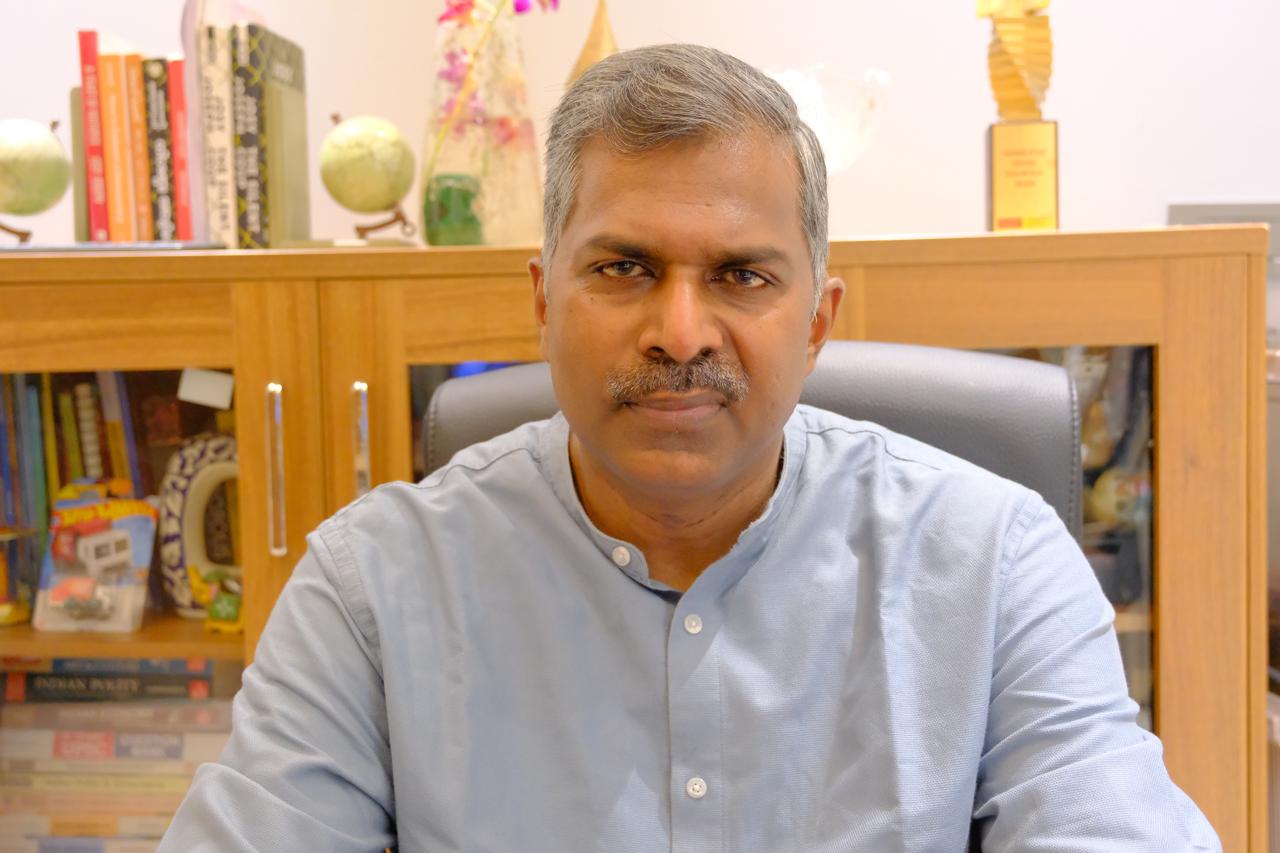
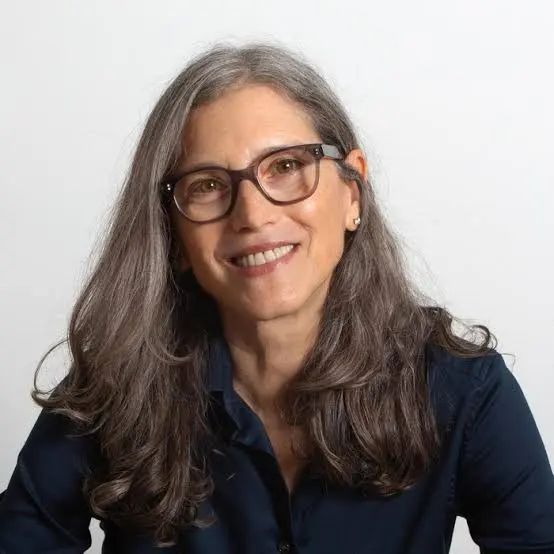
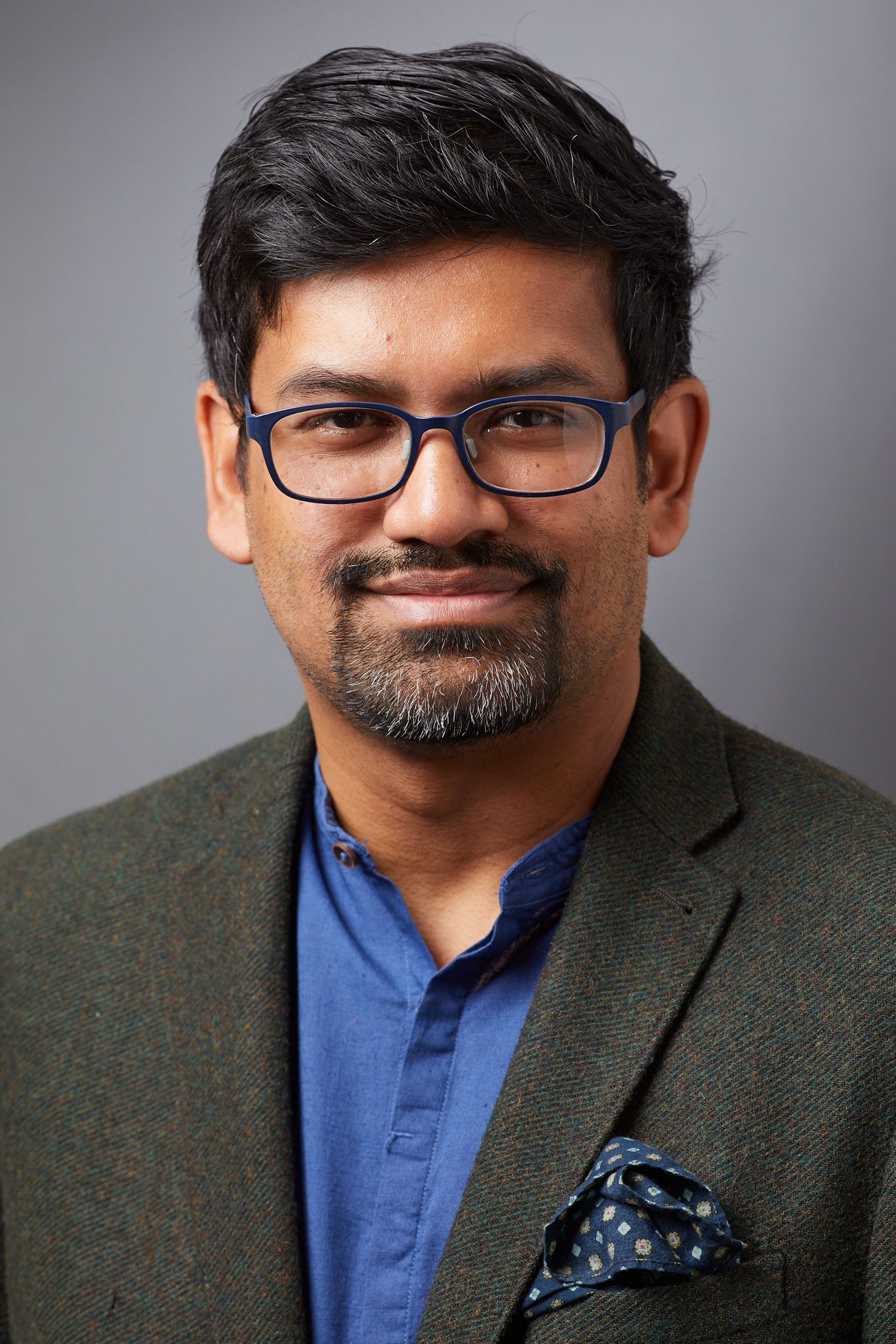
Milan Vaishnav and Tanul Thakur discuss Tanul's new book "Wild Wild East: Exiled Americans, Enslaved Indians and the Systemic Abuse of the H-1B Visa Programme."
Milan Vaishnav, Tanul Thakur
Paul McGarr joins Milan Vaishnav to discuss the history of foreign intelligence operations in India and their domestic implications, drawing on McGarr's new book, Spying in South Asia: Britain, the United States, and India’s Secret Cold War.
Over the past twelve months, tales of spies and spycraft have complicated India’s relationships with key Western partners.
In recent months, both Canada and the United States have alleged that India’s foreign intelligence agency was involved in a complex plot to identify and target Khalistani separatists who were citizens of those countries.
In India, these allegations have, in turn, revealed deep skepticism about the actions of western spy agencies and the negative role they’ve played in India and across the Global South.
A new book, Spying in South Asia: Britain, the United States, and India’s Secret Cold War, offers the first comprehensive history of US and UK intelligence operations in the Indian subcontinent. The author of this book is Paul McGarr, a lecturer in Intelligence Studies at King’s College London.
To talk more about his new book—and the West’s 50-year battle to win the hearts and minds of Indians—Paul joins Milan on the show this week.
The two discuss India’s tradition of spycraft, the long shadow of the British Raj, and secret collaboration between the U.S. Central Intelligence Agency and its Indian counterparts. Plus, the two discuss why the covert efforts of British and American intelligence agencies in 20th century India largely proved to be misguided and self-defeating.
Episode notes:
1. VIDEO: “Indira Gandhi Overdid the ‘Foreign Hand’ but Some of Her Fears About the CIA were real ,” The Wire, November 21, 2024.
2. “Inside the Secret World of South Asia's Spies (with Adrian Levy),” Grand Tamasha, October 27, 2021.

Carnegie does not take institutional positions on public policy issues; the views represented herein are those of the author(s) and do not necessarily reflect the views of Carnegie, its staff, or its trustees.
Milan Vaishnav and Tanul Thakur discuss Tanul's new book "Wild Wild East: Exiled Americans, Enslaved Indians and the Systemic Abuse of the H-1B Visa Programme."
Milan Vaishnav, Tanul Thakur
Discussing their new short book, Indian Public Opinion toward the Major Powers, Paul Staniland, and Aidan Milliff join Milan Vaishnav to discuss the treasure trove of data on Indian public opinion they stumbled upon, the characteristics of India’s “foreign policy public,” and the variation in Indian attitudes toward the United States, China, and Russia/the Soviet Union. Plus, the discuss why a respondent’s region emerges as a strong predictor of one’s foreign policy views.
Milan Vaishnav, Paul Staniland, Aidan Milliff
Host Milan Vaishnav and Ambassador May-Elin Stener discuss the outcomes of the India-Nordic summit, the Trade and Economic Partnership Agreement (TEPA), and the green technology partnership Norway envisions with India.
Milan Vaishnav, May-Elin Stener
Milan Vaishnav, Sadanand Dhume, and Tanvi Madan discuss whether India is becoming a “one-party state,” the current state of the opposition, and the headwinds facing the Indian economy. Plus, the three discuss Pakistan’s diplomatic moment, Trump’s recent China trip, and Marco Rubio’s visit to India.
Milan Vaishnav, Tanvi Madan, Sadanand Dhume
This week, Milan Vaishnav and Abhishek Anand discuss the controversy over India’s GDP estimates, important reforms within India’s statistics ministry, and the debate over the Reserve Bank of India’s policies to defend the rupee. Plus, the two discuss Abhishek’s work on power sector reform and the embrace of non-tariff barriers that stymie the spirit of India’s new bilateral trade agreements.
Milan Vaishnav, Abhishek Anand