

Podcast Episode
An ex-head of the Secret Service in his first-ever podcast on growing threats to U.S. leaders.
Jon Bateman, Ronald L. Rowe, Jr.
Sophia Besch sits down with Michael Pettis to talk about the failures of our modern global trading system and how to fix them.
Our modern global trading system is broken. How can we fix it?
We seem to have moved beyond the free trade consensus of the globalization era. Few politicians today still publicly support the assumption that trade, unrestricted by national borders, makes everyone more prosperous. Under President Trump, the United States has wielded tariffs and industrial policy to reshape the international trade order to better serve American interests, and the Biden administration has upheld and doubled down on many of these. But these interventions do not yet add up to a new trade policy consensus.
This week's episode dives into a provocative new argument: in order to achieve freer trade, the world needs more trade interventions. What is global trade policy doing wrong? What new trade rules are needed to create a system that both harnesses the benefits of free trade and preserves nations' freedom to direct their economies? And what policy interventions might help foster this future of freer trade? Sophia discusses these questions and more with Michael Pettis, a nonresident Senior Fellow for Carnegie China and expert on China's economy.
Carnegie does not take institutional positions on public policy issues; the views represented herein are those of the author(s) and do not necessarily reflect the views of Carnegie, its staff, or its trustees.

An ex-head of the Secret Service in his first-ever podcast on growing threats to U.S. leaders.


Jon Bateman, Ronald L. Rowe, Jr.
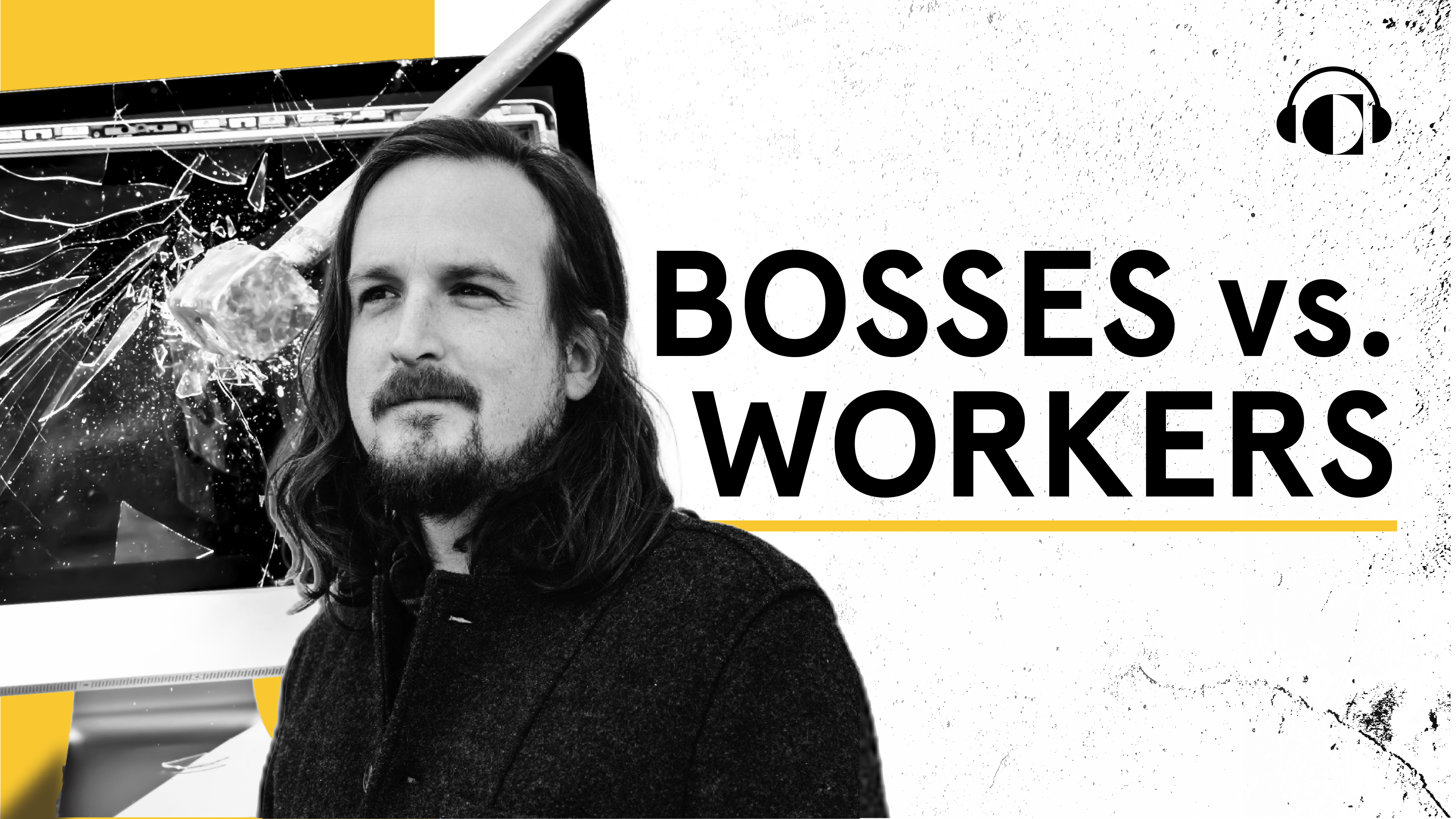
Brian Merchant on the Industrial Revolution’s failures, how AI undercuts workers, and the social order of technology.
Jon Bateman, Brian Merchant

The missing context that shows how AI isn’t the resource hog everyone thinks it is – with Andy Masley.

Jon Bateman, Andy Masley
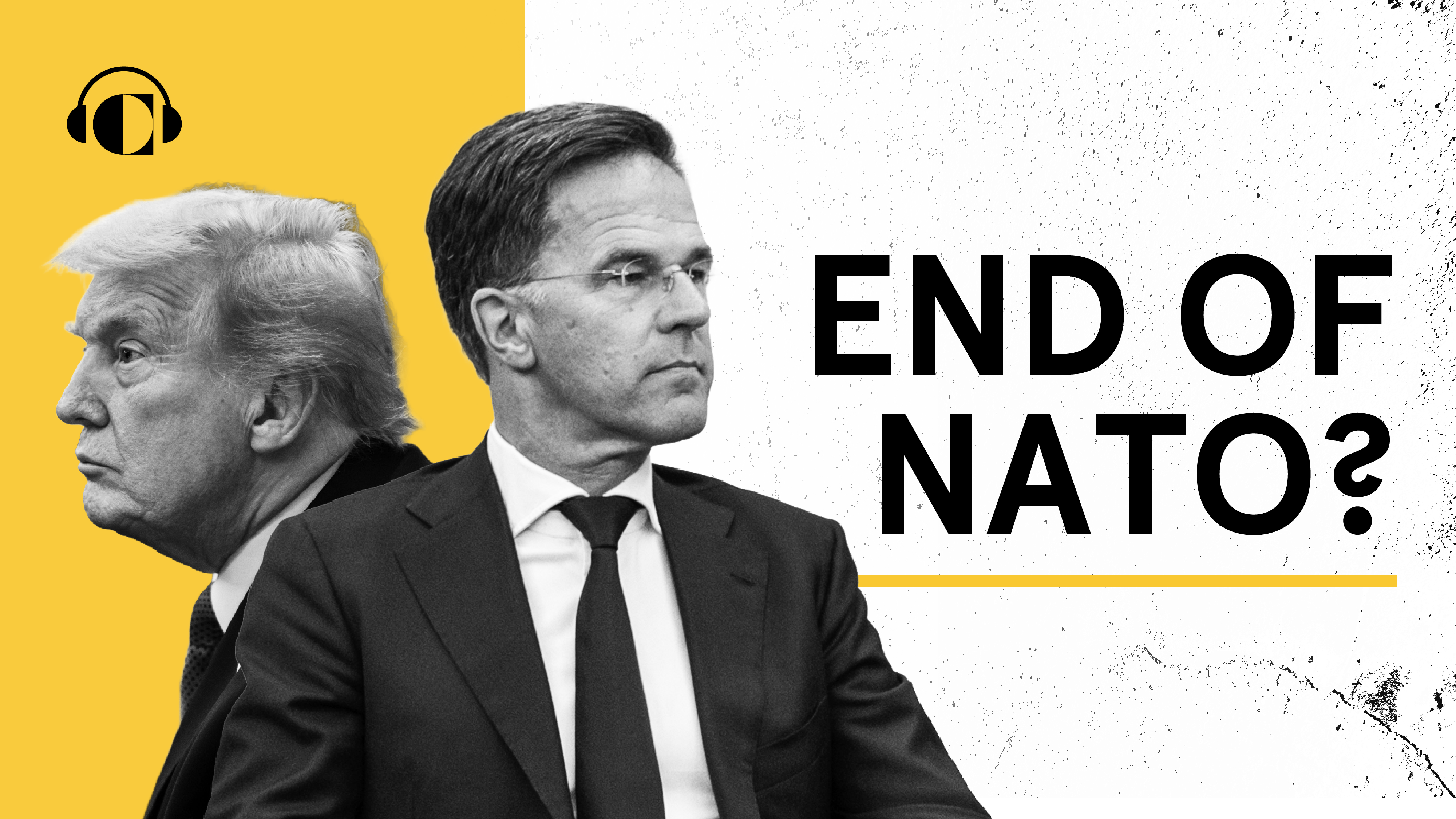
Sophia Besch games out NATO’s future, Baltic scenarios, German rearmament, and Europe’s next way of war.

Jon Bateman, Sophia Besch
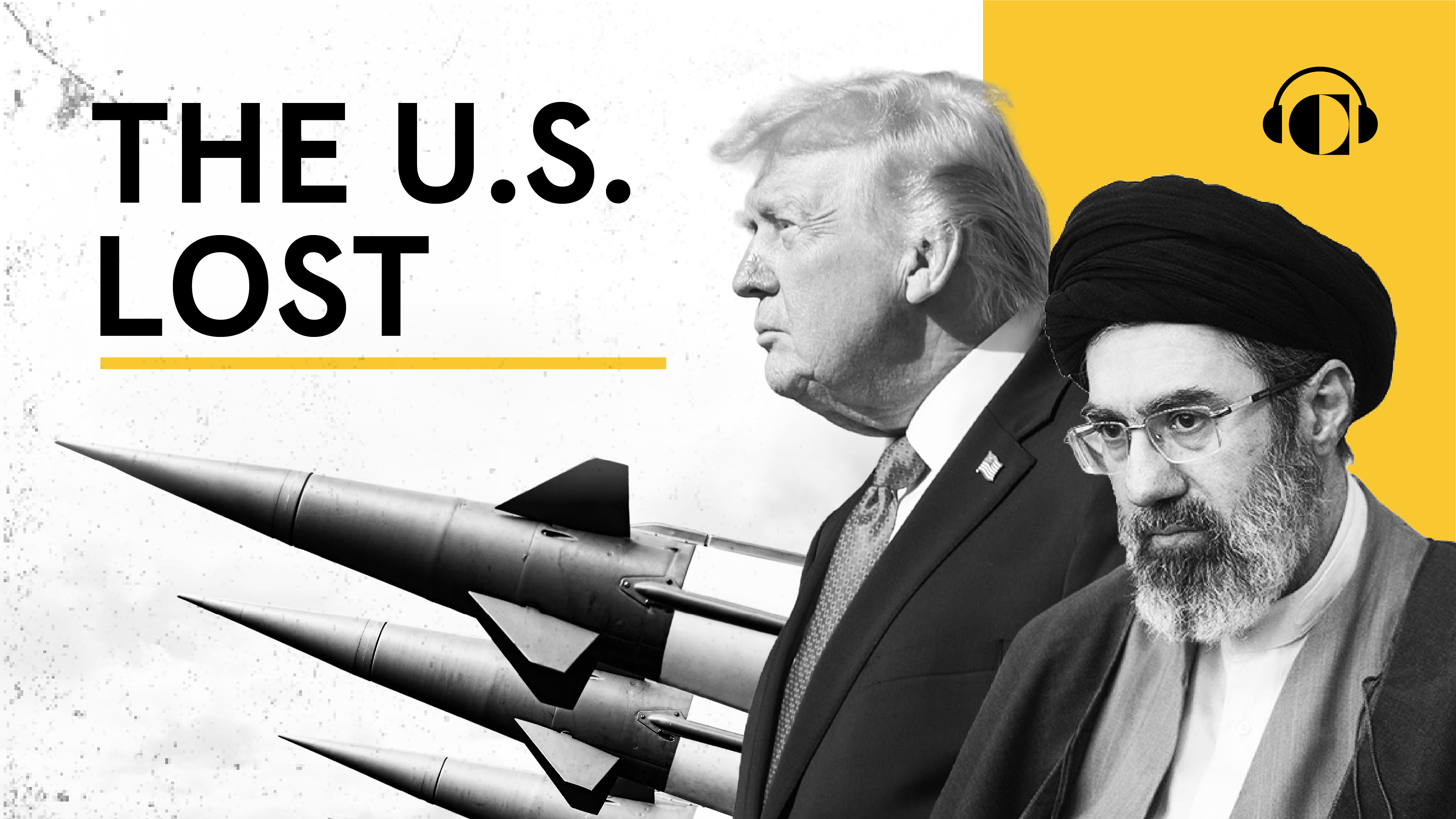
James Acton gives 50% odds of an Iranian nuke in 3 years and tells U.S. negotiators what to prioritize.

Jon Bateman, James M. Acton