

Podcast Episode
An ex-head of the Secret Service in his first-ever podcast on growing threats to U.S. leaders.
Jon Bateman, Ronald L. Rowe, Jr.
Isaac Kardon sits down with Dr. Meg Rithmire to explore the Chinese Communist Party’s complex relationship with capitalism. Rithmire explains how markets have become useful tools of governance, and meanwhile have generated instability that party-state leadership abhors, seeking political control over private entrepreneurs.
How should we understand China’s unique variety of party-state capitalism? In this episode of The World Unpacked, Isaac Kardon sits down with Dr. Meg Rithmire, a renowned scholar of political economy in China and the James E. Robison Professor at Harvard Business School, to discuss how capitalism functions in a party-state that tries to maintain “rule by market” without ceding too much control to private capital. Their discussion is based on Dr. Rithmire’s chapter in a new volume released from Carnegie called The Life of the Party: Past and Present Constraints on the Future of the Chinese Communist Party. They explore how private capitalists have been important to China’s economy since the 1950s, and how China attempts to exert control over companies to ensure that their activities serve party-state objectives, like Made in China 2025.
Notes:
Carnegie does not take institutional positions on public policy issues; the views represented herein are those of the author(s) and do not necessarily reflect the views of Carnegie, its staff, or its trustees.

An ex-head of the Secret Service in his first-ever podcast on growing threats to U.S. leaders.


Jon Bateman, Ronald L. Rowe, Jr.
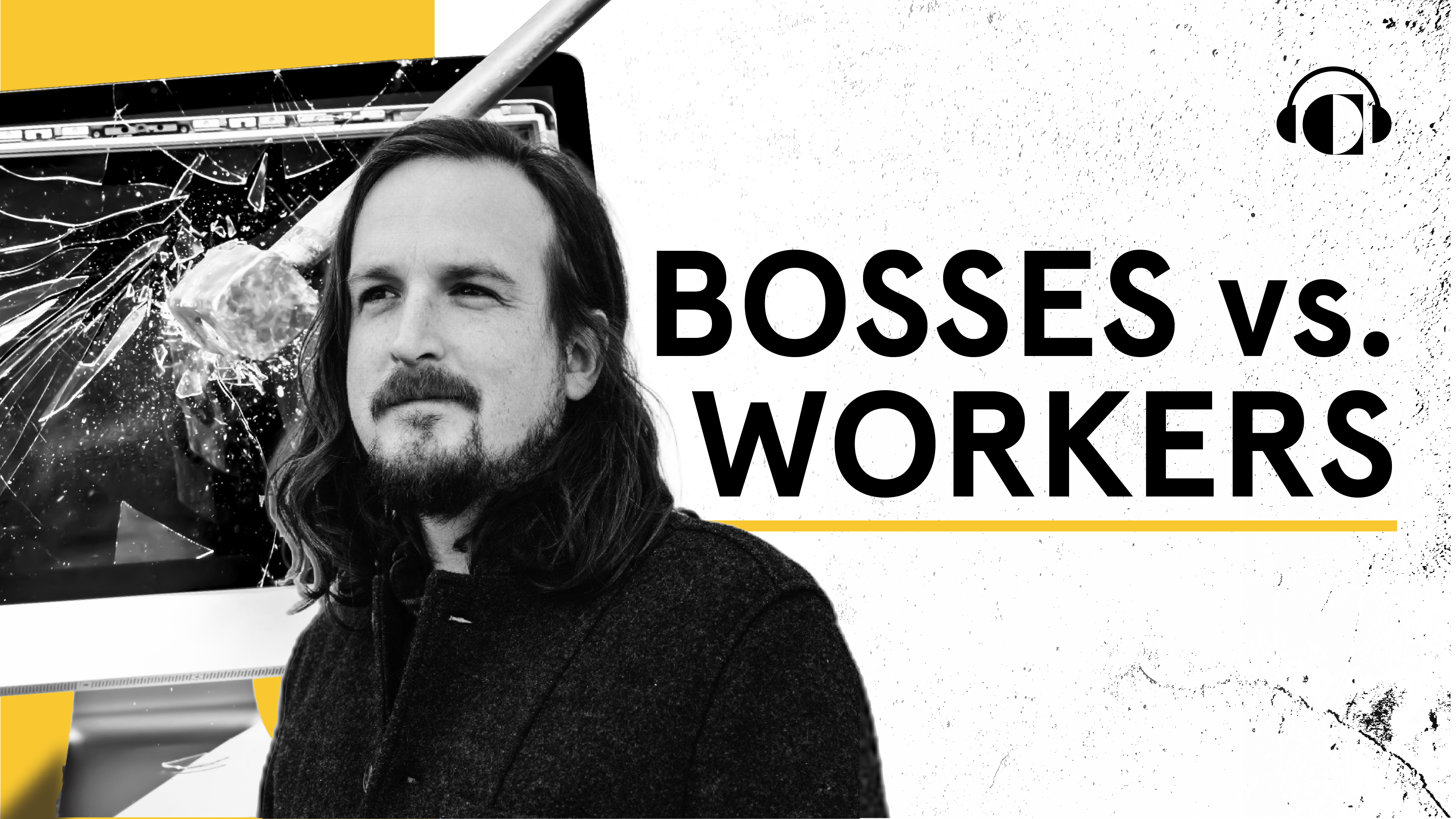
Brian Merchant on the Industrial Revolution’s failures, how AI undercuts workers, and the social order of technology.

Jon Bateman, Brian Merchant

The missing context that shows how AI isn’t the resource hog everyone thinks it is – with Andy Masley.

Jon Bateman, Andy Masley

Sophia Besch games out NATO’s future, Baltic scenarios, German rearmament, and Europe’s next way of war.

Jon Bateman, Sophia Besch

James Acton gives 50% odds of an Iranian nuke in 3 years and tells U.S. negotiators what to prioritize.

Jon Bateman, James M. Acton