

Podcast Episode
An ex-head of the Secret Service in his first-ever podcast on growing threats to U.S. leaders.
Jon Bateman, Ronald L. Rowe, Jr.
Sophia Besch sits down with Sam Winter-Levy to discuss how developments in AI and attempts to regulate them affect geopolitical strategy. They discuss the implications of the former Biden administration's new "Framework for Artificial Intelligence Diffusion" and the nuances of Washington's approach to AI exports and advancement more broadly.
China’s new AI model, DeepSeek, has rattled markets and raised questions about the global AI race. Meanwhile, just before leaving office, the Biden administration introduced the Framework for Artificial Intelligence Diffusion—an ambitious new rule that could reshape how—and who—gets access to advanced AI technologies from the U.S. It is designed to regulate AI exports, strengthen partnerships with allies, and restrict adversaries’ access to advanced AI chips and models.
But with the Trump administration now in power, will this framework survive? The stakes are high: AI chips fuel cutting-edge technologies, and whoever controls them holds the keys to the future of advanced AI systems.
In this episode, Sophia Besch and Technology and International Affairs Fellow Sam Winter-Levy explore what Biden’s new AI framework aims to achieve, how DeepSeek might challenge U.S. AI dominance, and what we might expect from the Trump administration's with respect to AI exports. Will Washington double down on AI restrictions, or will Trump scrap Biden’s framework in favor of a new approach? And with China rapidly advancing, can the U.S. maintain its technological edge?
Notes:
Credits:
Carnegie does not take institutional positions on public policy issues; the views represented herein are those of the author(s) and do not necessarily reflect the views of Carnegie, its staff, or its trustees.

An ex-head of the Secret Service in his first-ever podcast on growing threats to U.S. leaders.


Jon Bateman, Ronald L. Rowe, Jr.
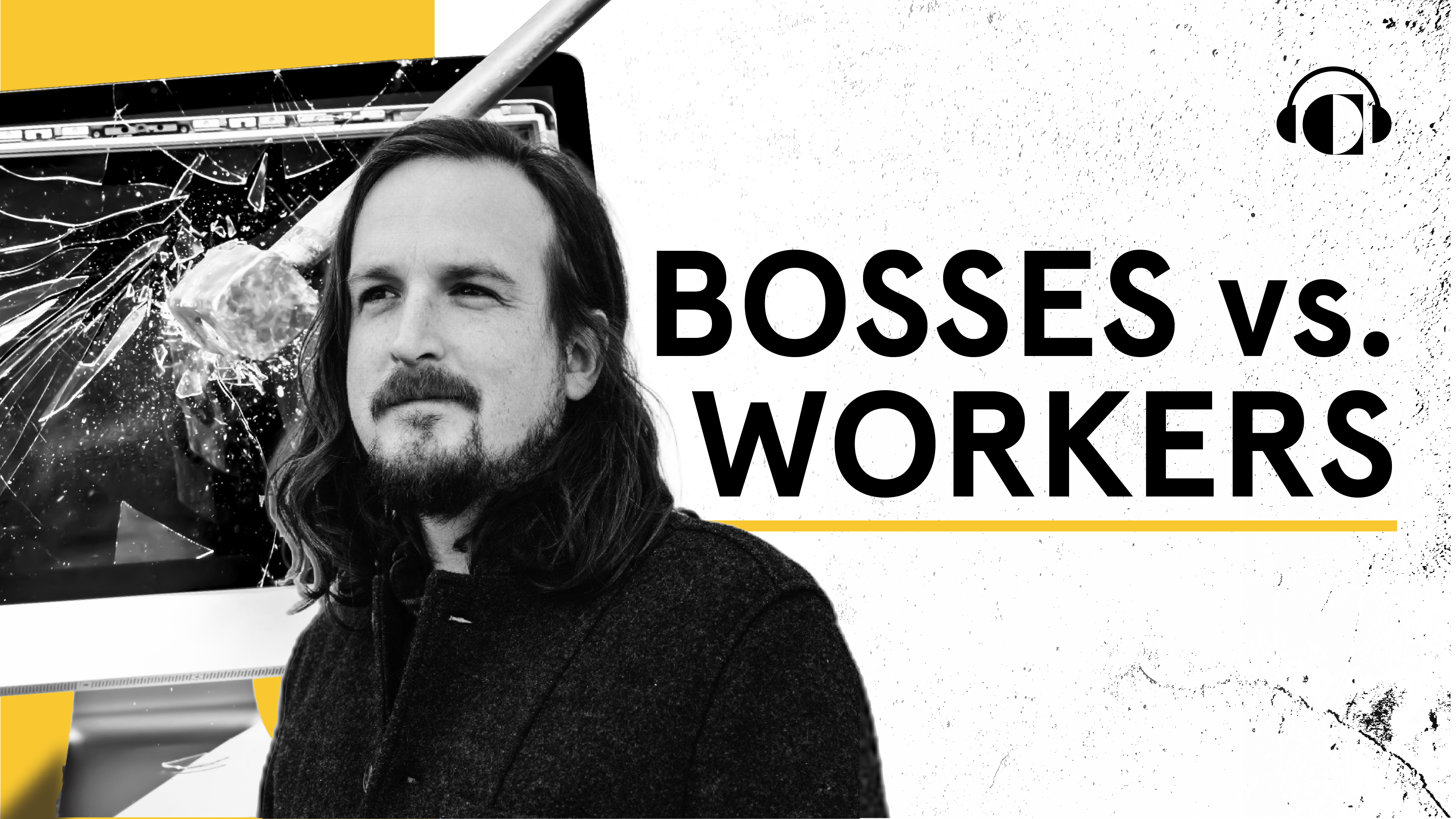
Brian Merchant on the Industrial Revolution’s failures, how AI undercuts workers, and the social order of technology.

Jon Bateman, Brian Merchant

The missing context that shows how AI isn’t the resource hog everyone thinks it is – with Andy Masley.

Jon Bateman, Andy Masley
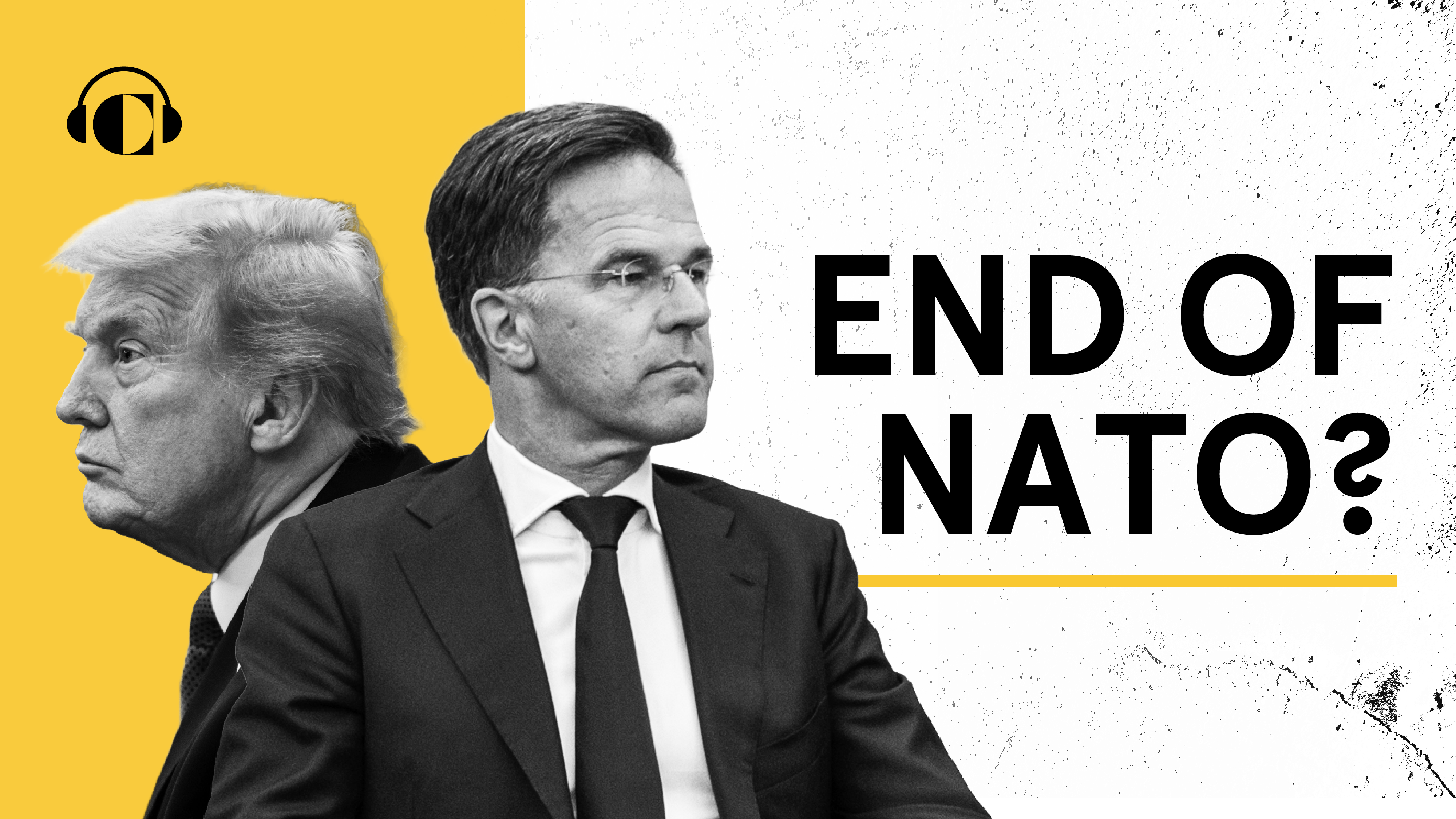
Sophia Besch games out NATO’s future, Baltic scenarios, German rearmament, and Europe’s next way of war.

Jon Bateman, Sophia Besch
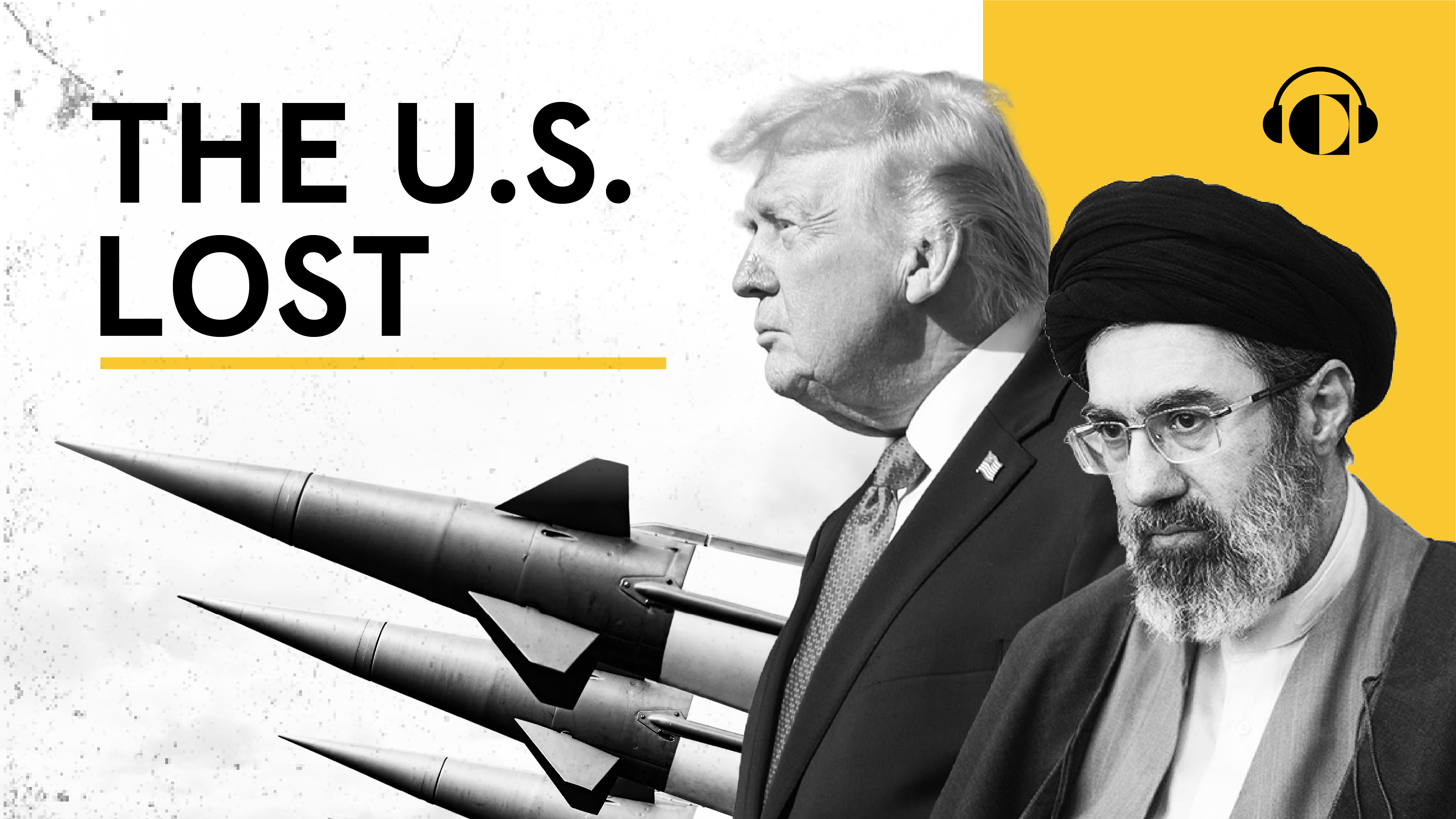
James Acton gives 50% odds of an Iranian nuke in 3 years and tells U.S. negotiators what to prioritize.

Jon Bateman, James M. Acton