

Podcast Episode
A new book goes inside the AI industry and calls for a mass movement to restrain it.
Jon Bateman, Garrison Lovely
Isaac B. Kardon sits down with Ashley J. Tellis and Andrew Yeo to explore how the political role of overseas bases has changed over time and how the U.S., China, and Russia—among other countries—use them to project military power today.
In this episode of The World Unpacked, Isaac B. Kardon sits down with Ashley J. Tellis, Tata Chair for Strategic Affairs and Senior Fellow at the Carnegie Endowment for International Peace, and Andrew Yeo, Senior Fellow and the SK-Korea Foundation Chair at the Brookings Institution. They explore how the role of overseas bases has changed over time and how the U.S., China, and Russia—among other countries—use them to project power today. Despite advances in technology and long-range weapons, bases remain key to grand strategy, political influence, and sustained military reach.
Notes:
Carnegie does not take institutional positions on public policy issues; the views represented herein are those of the author(s) and do not necessarily reflect the views of Carnegie, its staff, or its trustees.
A new book goes inside the AI industry and calls for a mass movement to restrain it.


Jon Bateman, Garrison Lovely

An ex-head of the Secret Service in his first-ever podcast on growing threats to U.S. leaders.

Jon Bateman, Ronald L. Rowe, Jr.
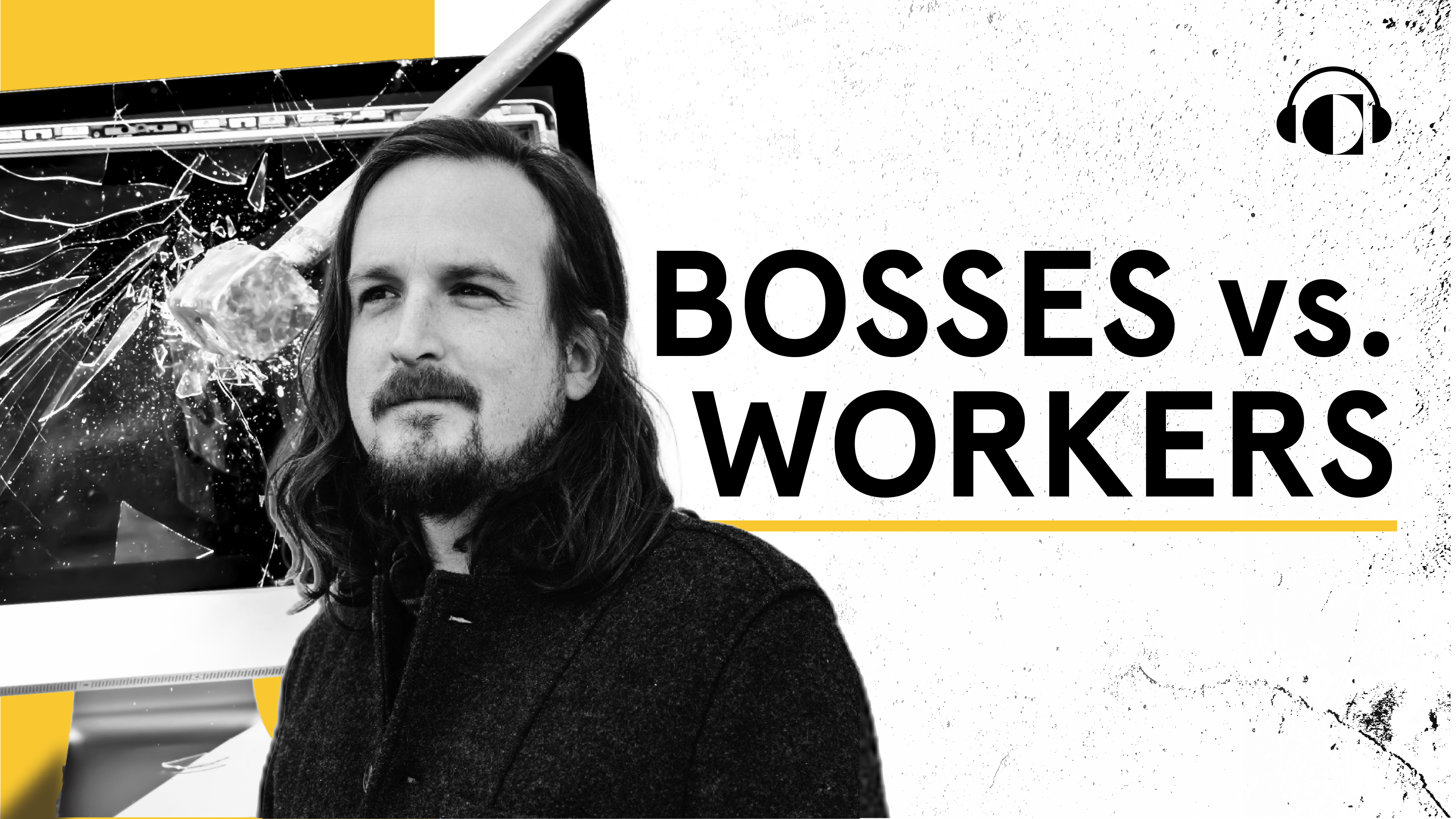
Brian Merchant on the Industrial Revolution’s failures, how AI undercuts workers, and the social order of technology.
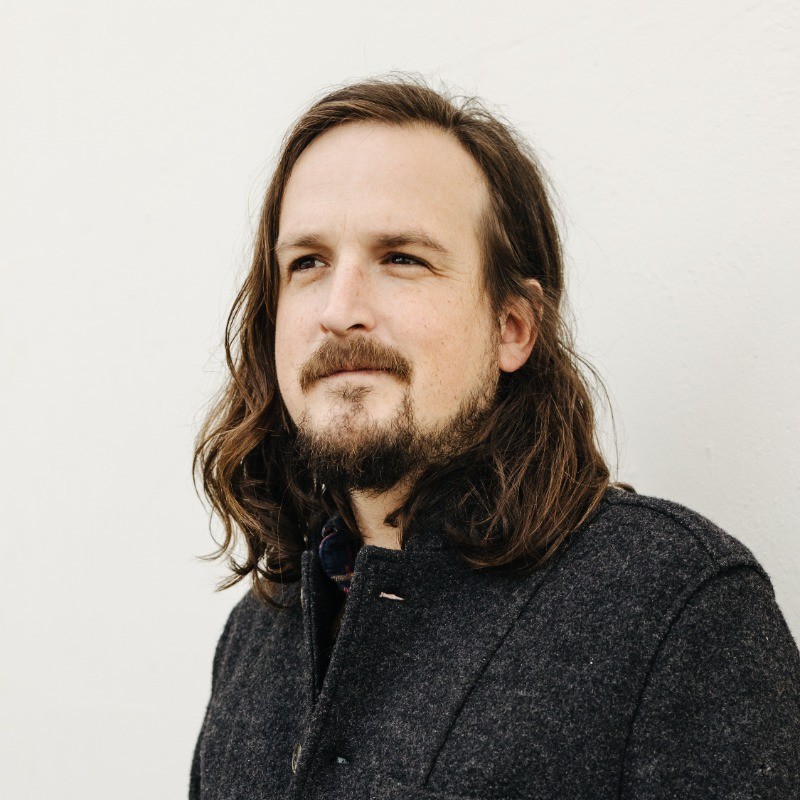
Jon Bateman, Brian Merchant

The missing context that shows how AI isn’t the resource hog everyone thinks it is – with Andy Masley.

Jon Bateman, Andy Masley
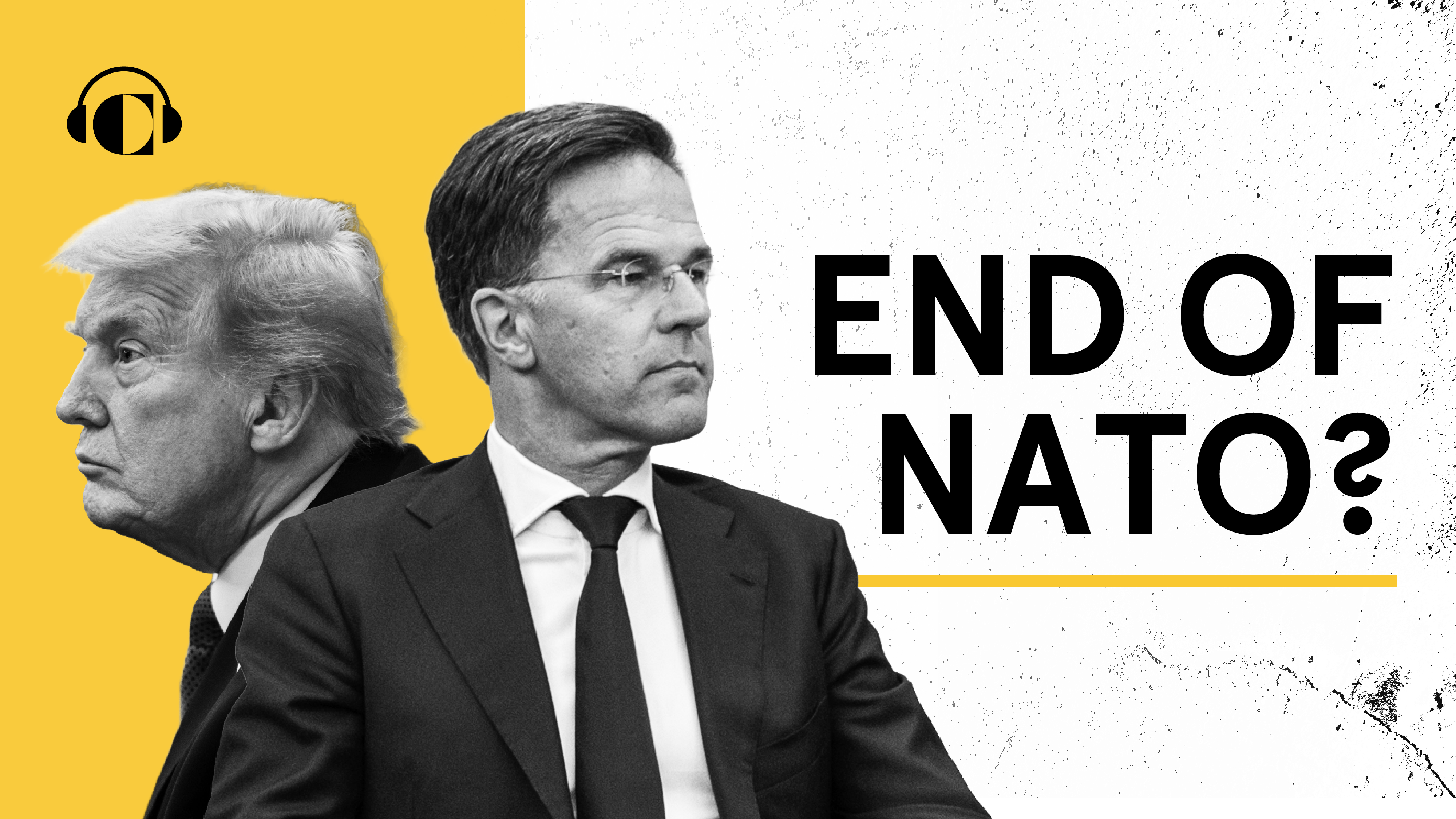
Sophia Besch games out NATO’s future, Baltic scenarios, German rearmament, and Europe’s next way of war.

Jon Bateman, Sophia Besch