• Research
  • Emissary
  • About
  • Experts
Carnegie Global logoCarnegie lettermark logo
DemocracyIran
  • Donate
{
  "authors": [
    "Minxin Pei"
  ],
  "type": "legacyinthemedia",
  "centerAffiliationAll": "dc",
  "centers": [
    "Carnegie Endowment for International Peace"
  ],
  "collections": [],
  "englishNewsletterAll": "asia",
  "nonEnglishNewsletterAll": "",
  "primaryCenter": "Carnegie Endowment for International Peace",
  "programAffiliation": "AP",
  "programs": [
    "Asia",
    "Democracy, Conflict, and Governance"
  ],
  "projects": [],
  "regions": [
    "United States",
    "China"
  ],
  "topics": [
    "Political Reform",
    "Democracy",
    "Military"
  ]
}
REQUIRED IMAGE

REQUIRED IMAGE

In The Media

Implementing the Institutions of Democracy

Link Copied
By Minxin Pei
Published on Dec 4, 2002
Program mobile hero image

Program

Asia

The Asia Program in Washington studies disruptive security, governance, and technological risks that threaten peace, growth, and opportunity in the Asia-Pacific region, including a focus on China, Japan, and the Korean peninsula.

Learn More
Program mobile hero image

Program

Democracy, Conflict, and Governance

The Democracy, Conflict, and Governance Program is a leading source of independent policy research, writing, and outreach on global democracy, conflict, and governance. It analyzes and seeks to improve international efforts to reduce democratic backsliding, mitigate conflict and violence, overcome political polarization, promote gender equality, and advance pro-democratic uses of new technologies.

Learn More

Source: Carnegie

International Journal on World Peace, Volume XIX no.4, December 2002.

Please click here to read the article as a PDF file.
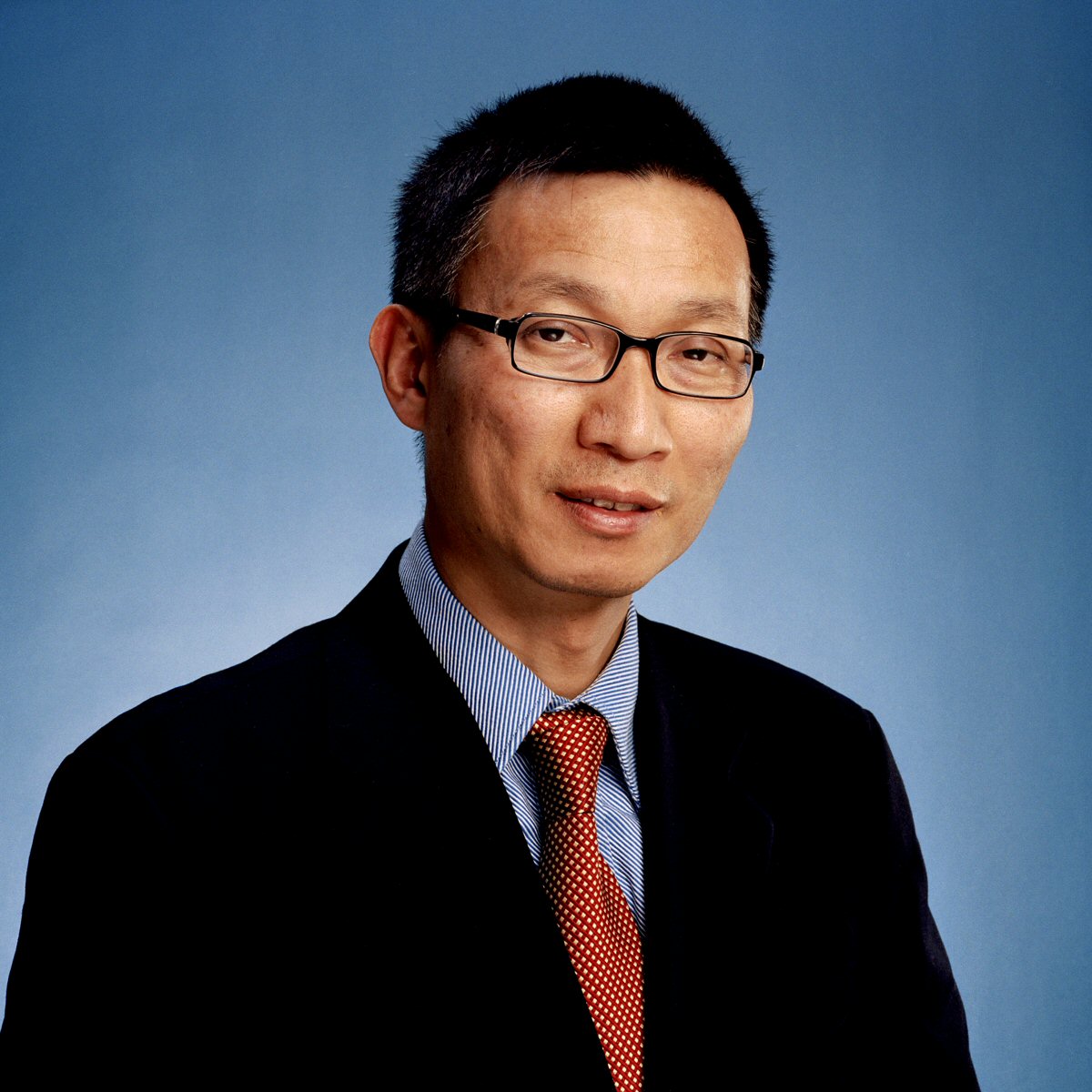
About the Author

Minxin Pei

Former Adjunct Senior Associate, Asia Program

Pei is Tom and Margot Pritzker ‘72 Professor of Government and the director of the Keck Center for International and Strategic Studies at Claremont McKenna College.

    Recent Work

  • In The Media
    How China Can Avoid the Next Conflict

      Minxin Pei

  • In The Media
    Small Change

      Minxin Pei

Minxin Pei
Former Adjunct Senior Associate, Asia Program
Minxin Pei
Political ReformDemocracyMilitaryUnited StatesChina

Carnegie does not take institutional positions on public policy issues; the views represented herein are those of the author(s) and do not necessarily reflect the views of Carnegie, its staff, or its trustees.

More Work from Carnegie Endowment for International Peace

  • Aerial View of a Geothermal Energy Plant in the Imperial Valley of California near the Salton Sea
    Paper
    A Geothermal and Nuclear Strategy for the U.S. International Development Finance Corporation

    The DFC should focus on advanced, low-carbon energy sources, prioritizing areas where the United States has comparative advantages.

      • Noah J. Gordon

      Noah Gordon, Liana Schmitter-Emerson

  • people watching a huge column of smoke in the distance
    Commentary
    Emissary
    Is the Russia-Ukraine War Vibe Shift Real?

    Media coverage suggests Kyiv’s fortunes have changed. That shift may be important, but it only goes so far.

      Dara Massicot, Aaron David Miller, Andrew S. Weiss

  • Lee and Lula walking
    Commentary
    Emissary
    Why Korea’s President Skipped Washington for Silicon Valley and Brasília

    Lee’s tour shows how Seoul is reorganizing its diplomacy away from Pyongyang and toward industrial networks and the geography of the compute economy.

      Darcie Draudt-Véjares

  • An AS3 interceptor part of the Merops, an AI-powered anti-drone system is pictured during a NATO live-fire demonstration of a counter-UAS system on November 18, 2025 in Nowa Deba, Poland.
    Paper
    Confronting the Barriers to AI Diffusion in the U.S. Military

    The Pentagon is calling for a rapid AI transformation. Autonomous drones offer a case study in the eight bottlenecks the U.S. military must navigate to realize that vision.

      Jake Steckler

  • Shadowed figure lighting grocery store shelves
    Commentary
    Emissary
    Five Years After His Power Grab, Tunisia’s President Has Only Achieved Failure

    Saied’s main accomplishment has been to destroy a decade’s worth of democratic progress.

      • Sarah Yerkes

      Sarah Yerkes

Get more news and analysis from
Carnegie Endowment for International Peace
Carnegie global logo, stacked
1779 Massachusetts Avenue NWWashington, DC, 20036-2103Phone: 202 483 7600
  • Research
  • Emissary
  • About
  • Experts
  • Donate
  • Programs
  • Events
  • Blogs
  • Podcasts
  • Contact
  • Annual Reports
  • Careers
  • Privacy
  • For Media
  • Government Resources
Get more news and analysis from
Carnegie Endowment for International Peace
© 2026 Carnegie Endowment for International Peace. All rights reserved.