
• Research
  • Emissary
  • About
  • Experts
Carnegie Global logoCarnegie lettermark logo
DemocracyIran
  • Donate
{
  "authors": [
    "Mei Ying Gechlik (Veron Hung)"
  ],
  "type": "legacyinthemedia",
  "centerAffiliationAll": "dc",
  "centers": [
    "Carnegie Endowment for International Peace"
  ],
  "collections": [],
  "englishNewsletterAll": "asia",
  "nonEnglishNewsletterAll": "",
  "primaryCenter": "Carnegie Endowment for International Peace",
  "programAffiliation": "AP",
  "programs": [
    "Asia"
  ],
  "projects": [],
  "regions": [
    "China"
  ],
  "topics": [
    "Political Reform",
    "Democracy"
  ]
}
REQUIRED IMAGE

REQUIRED IMAGE

In The Media

Review of Karin Buhmann’s “Implementing Human Rights through Administrative Law Reform

Link Copied
By Mei Ying Gechlik (Veron Hung)
Published on Feb 1, 2003
Program mobile hero image

Program

Asia

The Asia Program in Washington studies disruptive security, governance, and technological risks that threaten peace, growth, and opportunity in the Asia-Pacific region, including a focus on China, Japan, and the Korean peninsula.

Learn More

Source: Carnegie

62 Journal of Asian Studies 194 (February 2003).

Please click here to read the article in PDF format.

About the Author

Mei Ying Gechlik (Veron Hung)

Former Non-Resident Associate

    Recent Work

  • Paper
    Protecting Intellectual Property Rights in Chinese Courts: An Analysis of Recent Patent Judgments

      Mei Ying Gechlik (Veron Hung)

  • Paper
    Judicial Reform in China: Lessons from Shanghai

      Mei Ying Gechlik (Veron Hung)

Mei Ying Gechlik (Veron Hung)
Former Non-Resident Associate
Mei Ying Gechlik (Veron Hung)
Political ReformDemocracyChina

Carnegie does not take institutional positions on public policy issues; the views represented herein are those of the author(s) and do not necessarily reflect the views of Carnegie, its staff, or its trustees.
More Work from Carnegie Endowment for International Peace

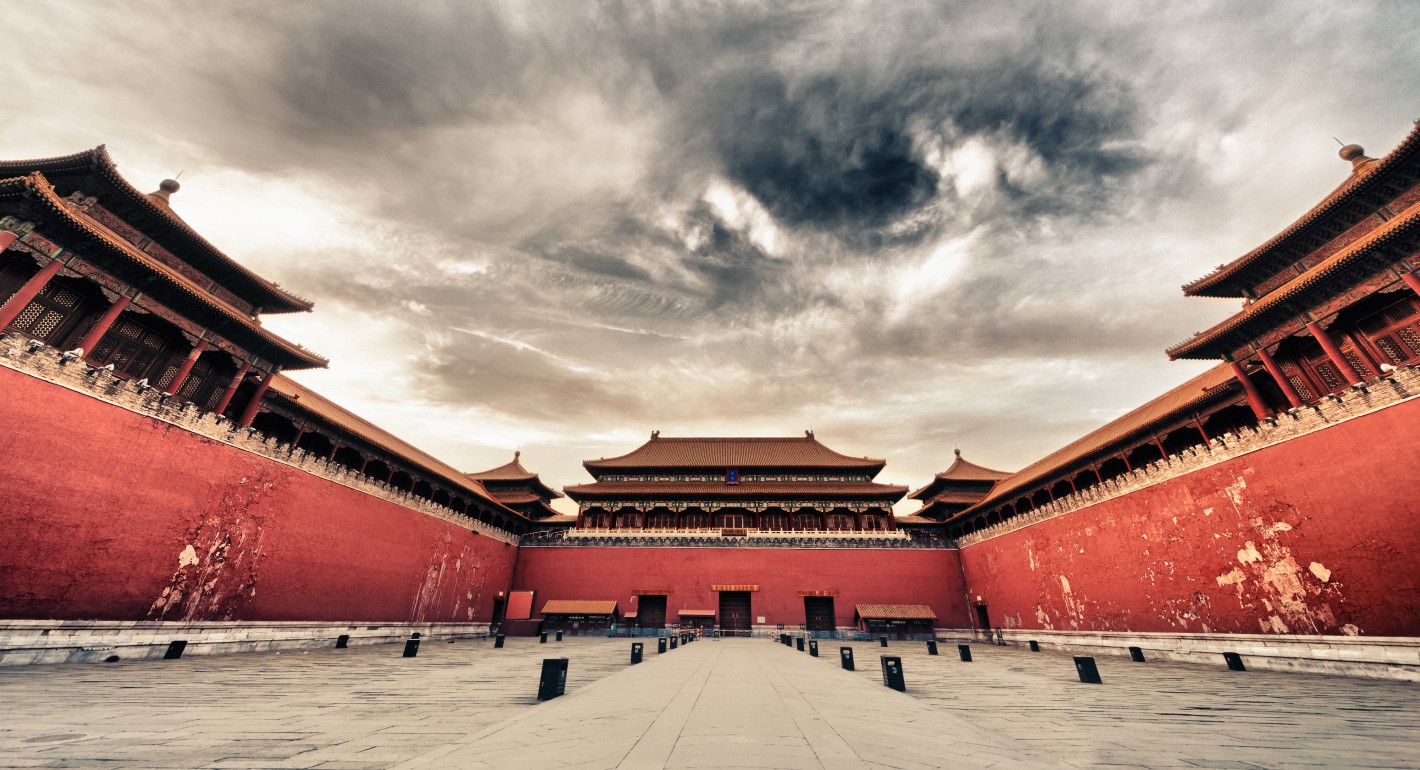
  • Forbidden City on a cloudy day
    Commentary
    Emissary
    Beijing Doesn’t Think Like Washington—and the Iran Conflict Shows Why

    Arguing that Chinese policy is hung on alliances—with imputations of obligation—misses the point. 

      Evan A. Feigenbaum
  • Commentary
    Carnegie Politika
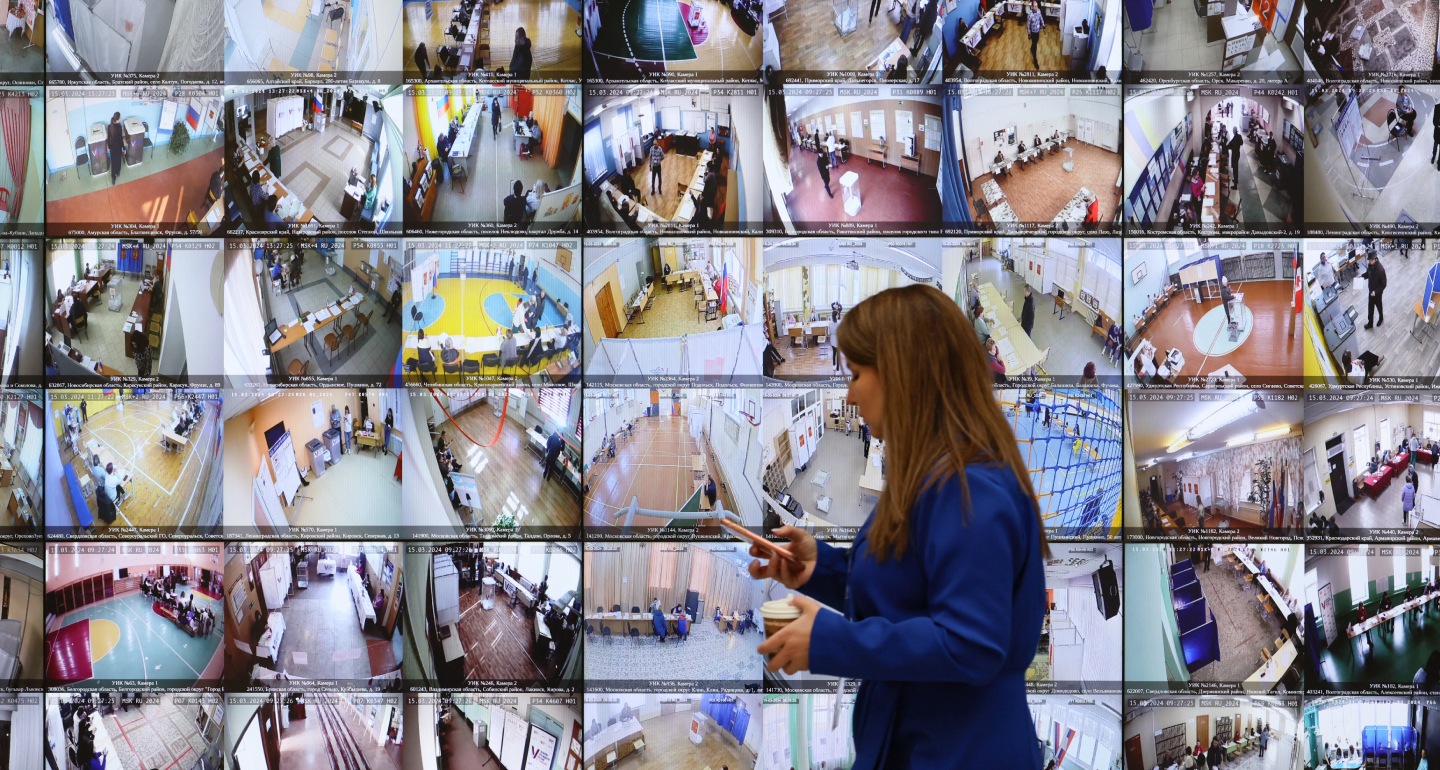
    The Kremlin Is Destroying Its Own System of Coerced Voting

    The use of technology to mobilize Russians to vote—a system tied to the relative material well-being of the electorate, its high dependence on the state, and a far-reaching system of digital control—is breaking down.

      Andrey Pertsev
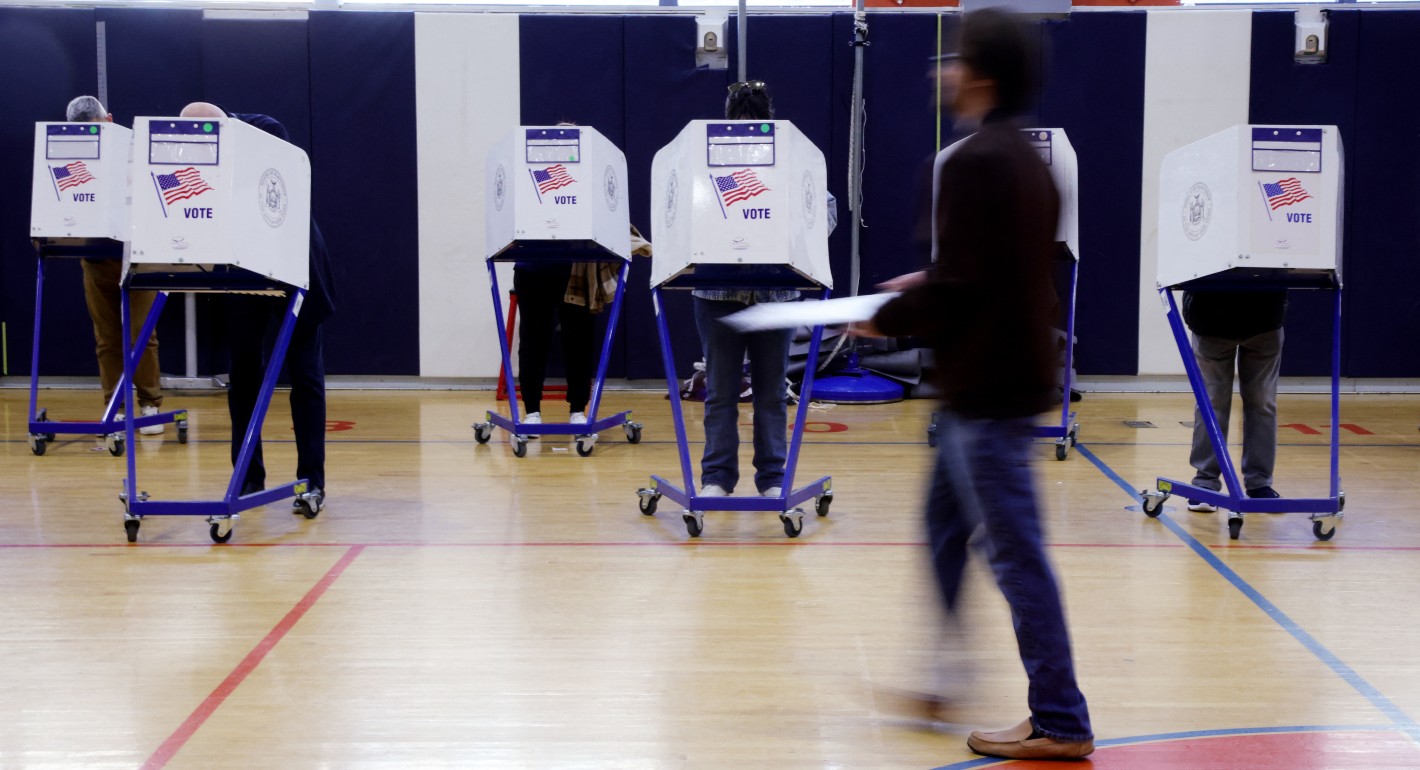
  • People in voting booths
    Commentary
    Emissary
    Indian Americans Still Lean Left. Just Not as Reliably.

    New data from the 2026 Indian American Attitudes Survey show that Democratic support has not fully rebounded from 2020.


      • +1

      Sumitra Badrinathan, Devesh Kapur, Andy Robaina, …
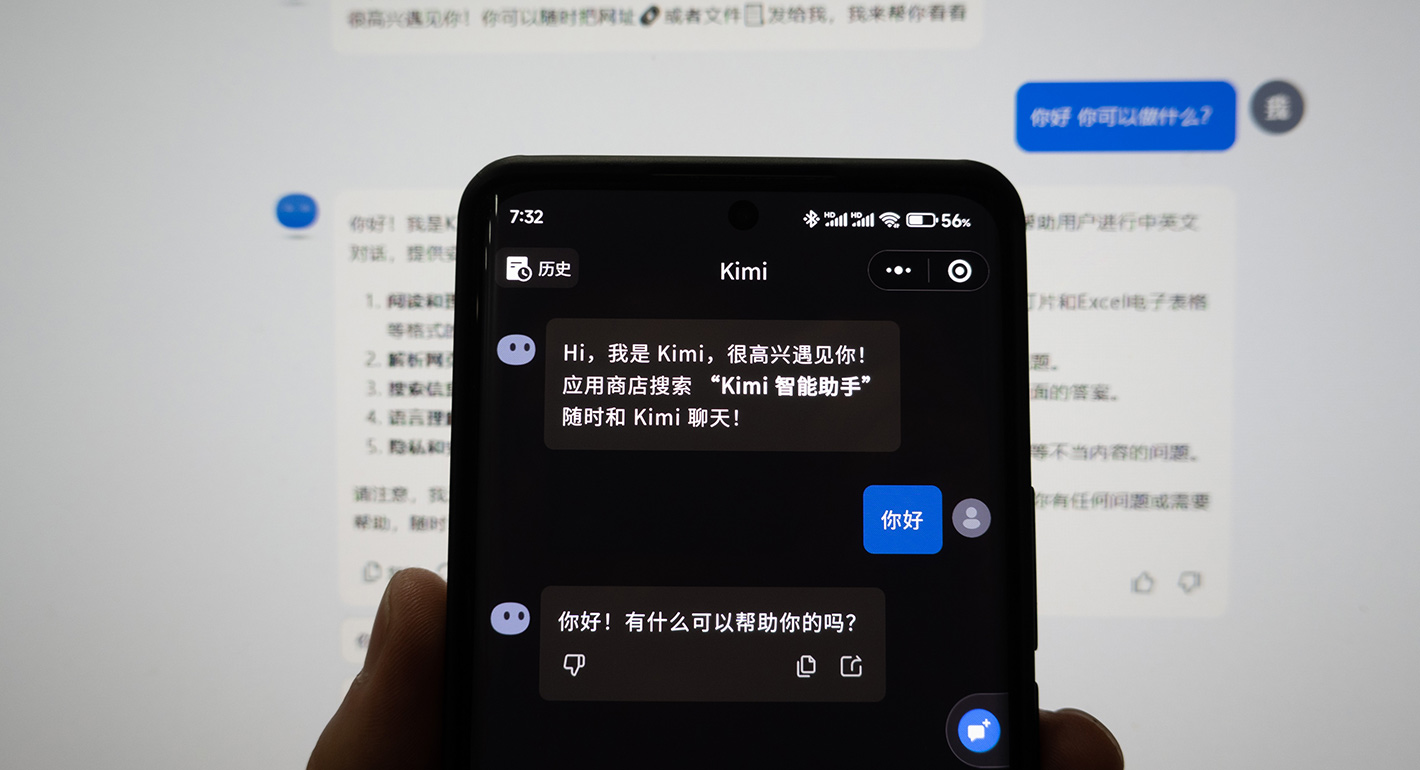
  • A young man uses Kimi, an AI grand model of artificial intelligence launched by Moonshot AI, in Shanghai, China, March 22, 2024.
    Article
    China Is Worried About AI Companions. Here’s What It’s Doing About Them.

    A new draft regulation on “anthropomorphic AI” could impose significant new compliance burdens on the makers of AI companions and chatbots.


      Scott Singer, Matt Sheehan

  • Research
    New Approaches to Defending Global Civil Society

    New thinking is needed on how global civil society can be protected. In an era of major-power rivalry, competitive geopolitics, and security primacy, civil society is in danger of getting squeezed – in some countries, almost entirely out of existence.


      Richard Youngs, ed., Elene Panchulidze, ed.

Get more news and analysis from
Carnegie Endowment for International Peace
Carnegie global logo, stacked
1779 Massachusetts Avenue NWWashington, DC, 20036-2103Phone: 202 483 7600Fax: 202 483 1840
  • Research
  • Emissary
  • About
  • Experts
  • Donate
  • Programs
  • Events
  • Blogs
  • Podcasts
  • Contact
  • Annual Reports
  • Careers
  • Privacy
  • For Media
  • Government Resources
Get more news and analysis from
Carnegie Endowment for International Peace
© 2026 Carnegie Endowment for International Peace. All rights reserved.