

Commentary
European Commission President Ursula von der Leyen is about to give her annual address on the state of the EU. Here’s what she won’t—but should—say.
Rym Momtaz
{
  "authors": [
    "Thomas Carothers",
    "Marina Ottaway"
  ],
  "type": "other",
  "centerAffiliationAll": "dc",
  "centers": [
    "Carnegie Endowment for International Peace"
  ],
  "collections": [],
  "englishNewsletterAll": "democracy",
  "nonEnglishNewsletterAll": "",
  "primaryCenter": "Carnegie Endowment for International Peace",
  "programAffiliation": "DCG",
  "programs": [
    "Democracy, Conflict, and Governance",
    "Middle East"
  ],
  "projects": [],
  "regions": [
    "United States",
    "Middle East",
    "Iraq"
  ],
  "topics": [
    "Political Reform",
    "Democracy",
    "Economy",
    "Trade",
    "Foreign Policy"
  ]
}
REQUIRED IMAGE
The Bush administration is preparing to launch a "Greater Middle East Initiative" at the G-8 summit meeting in June. The time is indeed opportune for engagement on regional reform, but as planned, the initiative fails to establish a basis for genuine partnership and does little to address the real challenges of Arab democratization.
Source: Carnegie
The Bush administration is preparing to launch a "Greater Middle East Initiative" at the G-8 summit meeting in June. The plan is to bring the United States, Europe, and the Middle East together around a set of commitments to help transform the region politically and economically. The time is indeed opportune for engagement on regional reform, but as planned, the initiative fails to establish a basis for genuine partnership and does little to address the real challenges of Arab democratization.
The administration should rethink its approach and start a new process of genuine consultations to come to an agreement on how all three sides can work cooperatively to address the regional problems that threaten the security of Arab societies and the West.
Click on link above for the full text of this Policy Brief.
Some free print copies are available.
Request a copy
About the Authors
Marina Ottaway is senior associate in the Democracy and Rule of Law Project at the Carnegie Endowment. She is the author of Women's Rights and Democracy in the Arab World (Carnegie Paper No. 42), coauthor with Thomas Carothers of The Right Road to Sovereignty in Iraq (Policy Brief no. 27), and Democracy Challenged: The Rise of Semiauthoritarianism.
Thomas Carothers directs the Democracy and Rule of Law Project, and has written extensively on democracy promotion, including Aiding Democracy Abroad: The Learning Curve. He also coedited with Marina Ottaway Funding Virtue: Civil Society Aid and Democracy Promotion. His forthcoming book, Critical Mission: Essays on Democracy Promotion, will be published in September 2004.

Harvey V. Fineberg Chair for Democracy Studies; Senior Fellow, Democracy, Conflict, and Governance Program
Thomas Carothers, a senior fellow in the Carnegie Endowment for International Peace’s Democracy, Conflict, and Governance Program, is a leading expert on comparative democratization and international support for democracy.
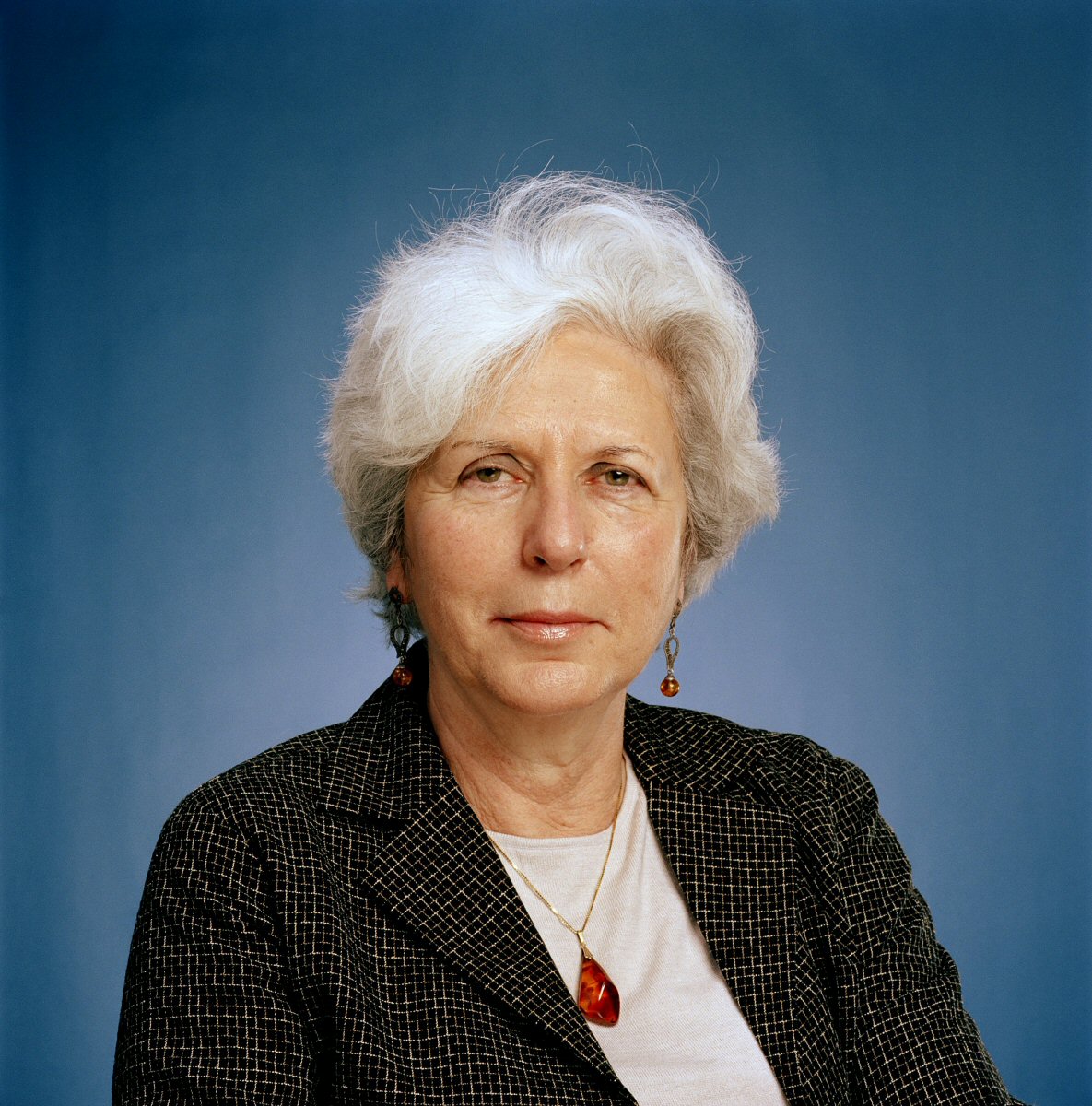
Former Senior Associate, Middle East Program
Before joining the Endowment, Ottaway carried out research in Africa and in the Middle East for many years and taught at the University of Addis Ababa, the University of Zambia, the American University in Cairo, and the University of the Witwatersrand in South Africa.
Carnegie does not take institutional positions on public policy issues; the views represented herein are those of the author(s) and do not necessarily reflect the views of Carnegie, its staff, or its trustees.

European Commission President Ursula von der Leyen is about to give her annual address on the state of the EU. Here’s what she won’t—but should—say.

Rym Momtaz

Depleted financial reserves and a shrinking tax base mean it is no longer possible to simultaneously deliver high defense spending, price stability, and economic growth.

Alexandra Prokopenko
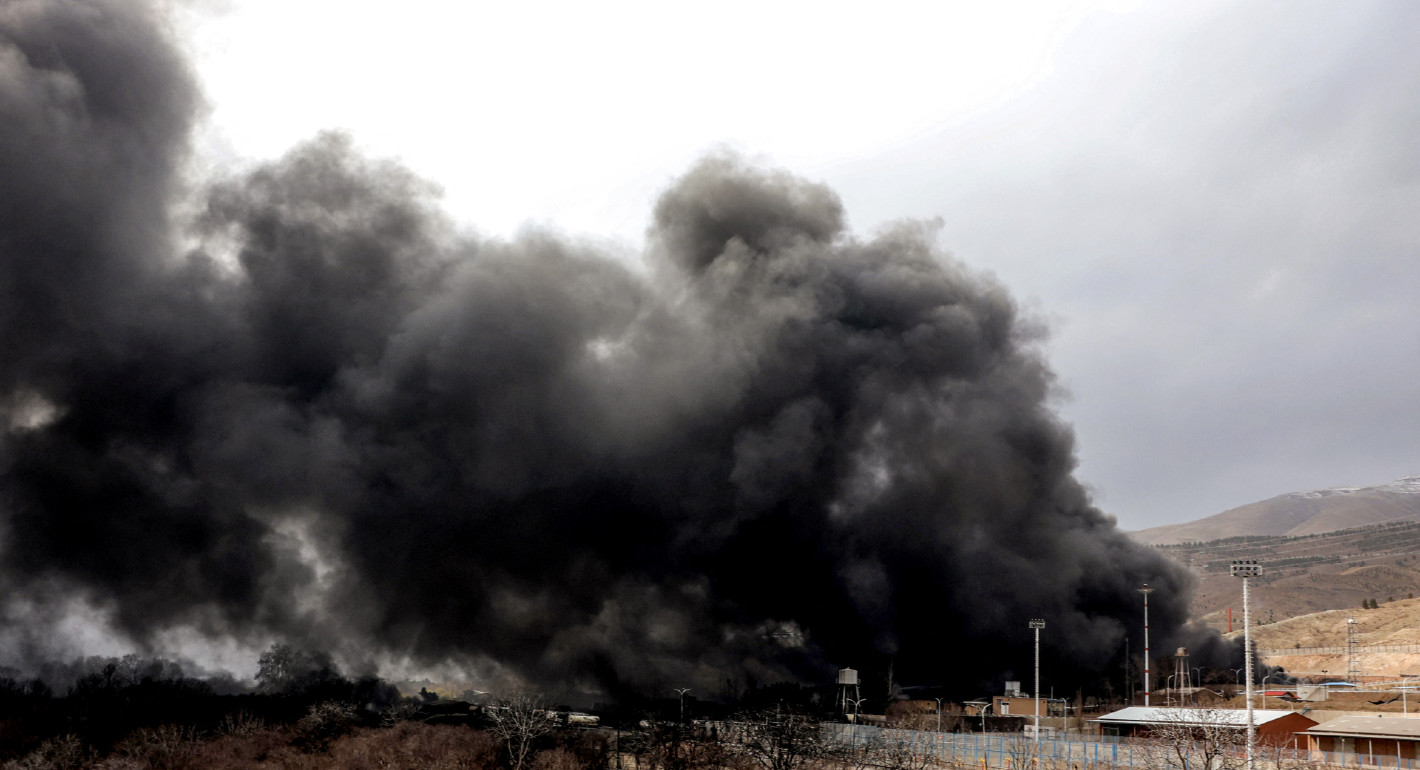
Understanding the climatic pain points is necessary for policymakers hoping to minimize the war’s negative environmental consequences.


Alejandro Martin Rodriguez, Joy Arkeh, Sarah Yerkes

Huawei pushed hard to enter the Egyptian data centers market, until the Americans made a better offer.

Angie Omar

Radical-right parties are expected to do well in upcoming elections in four of the EU's biggest member states. If successful, they could prevent the union from addressing key challenges ahead.

Stefan Lehne