

Paper
Mei Ying Gechlik (Veron Hung)
{
  "authors": [
    "Mei Ying Gechlik (Veron Hung)"
  ],
  "type": "testimony",
  "centerAffiliationAll": "dc",
  "centers": [
    "Carnegie Endowment for International Peace"
  ],
  "collections": [],
  "englishNewsletterAll": "asia",
  "nonEnglishNewsletterAll": "",
  "primaryCenter": "Carnegie Endowment for International Peace",
  "programAffiliation": "AP",
  "programs": [
    "Asia"
  ],
  "projects": [],
  "regions": [
    "East Asia",
    "China"
  ],
  "topics": [
    "Political Reform",
    "Democracy",
    "Military"
  ]
}
REQUIRED IMAGE
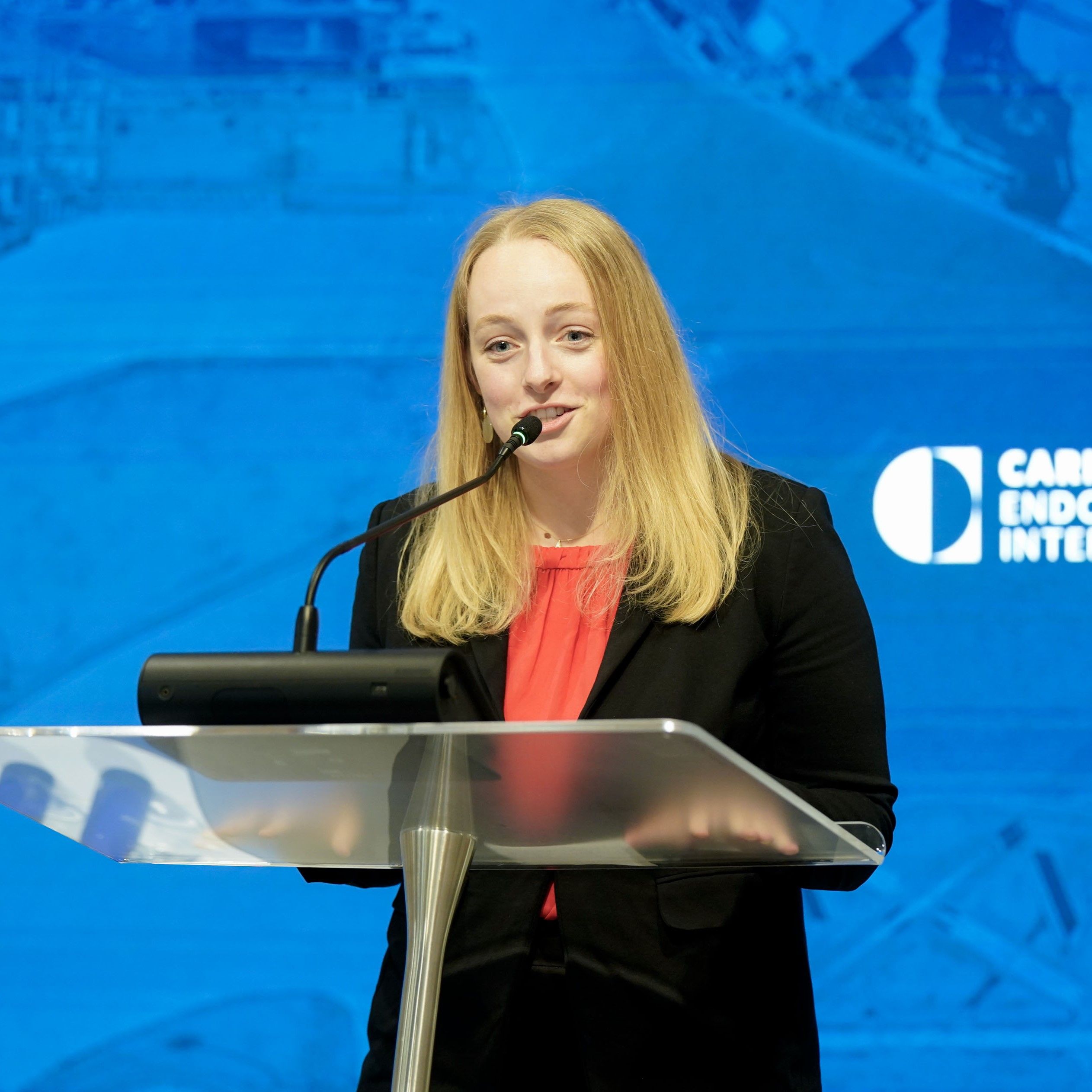
Carnegie’s associate Dr. Veron Hung testified before the Congressional-Executive Commission on China. Her testimony focused on one issue: Will Hu Jintao, who finally took over China’s military chairmanship from Jiang Zemin last Sunday, soften Beijing’s stance on democratization in Hong Kong?
Congressional-Executive Commission on China
Sept 23, 2004 Hearing
Dr. Veron Hung
Associate, China Program
Carnegie Endowment for International Peace
Today, I would like to focus on one issue: Will Hu Jintao, who finally took over China’s military chairmanship from Jiang Zemin last Sunday, soften Beijing’s stance on democratization in Hong Kong?
Although Hu is generally hailed as a moderate reformer, he is unlikely to revoke Beijing’s decision made in April that rules out universal suffrage for the election of the Hong Kong chief executive in 2007 and that of the city’s 60 legislators in 2008. The decision stems largely from Chinese leaders’ two fears: that a democratic Hong Kong may liberate itself from Beijing’s control and that democratization in Hong Kong would inspire and mobilize mainland Chinese to challenge the communist party’s governance. Sharing such fears, Hu, whose goal is to sustain the party’s role through reform but not to destroy it, will likely keep the decision.
But the need for Hu to prove his governing ability may bode well for a dialogue with Hong Kong democrats. The absence of such a dialogue will suggest to foreign nations a pessimistic future for political reform in China, intensifying their doubts about China’s “peaceful rise” claim. International criticism will likely escalate and overshadow Beijing’s 2008 Olympics, which China sees as a milestone to mark the country’s rise. All of these will not reflect well on Hu’s leadership. Hu should, therefore, have interest in meeting with democrats.
Such interest may further increase after Hu considers two implications of the legislative results. First, democrats’ failure to win a majority of seats signals that direct elections do not guarantee democrats a landslide victory. Feeling less worried about direct elections, Hu may be more receptive to discussing with democrats about democratization in Hong Kong.
Second, the record high turnout rate of 55.6 percent in the election shows that Hong Kong people’s demand for full democracy is still strong. If Hu does not respond to such demand by meeting with democrats, citizens in Hong Kong may, when their government blunders, demonstrate again on every July 1 to demand full democracy.
Even if Hu welcomes a dialogue with democrats, a crucial question remains: can democrats stay united to speak in one voice? Some democrats insist on pressuring Beijing to revoke the April decision. Others such as those pro-democracy barristers who just won in the election appear to be more flexible.
In my opinion, democrats must adopt a strategically flexible approach. In light of Beijing’s two fears about democratization in Hong Kong, the harder democrats push for early introduction of universal suffrage, the more threatened Beijing will feel and the more readily it will play its trump card – the Basic Law, Hong Kong’s mini-constitution. This law gives Beijing the ultimate power to determine the city’s political future and forestall democrats’ hopes.
Theoretically, democrats could trump Beijing with the threat of massive unrest but public support for such a strategy is neither present nor foreseeable. Most Hong Kong citizens are pragmatic, desiring to keep intact the city’s legal framework, prosperity and stability.
Democrats should aim at dispelling Beijing’s fear through dialogue. Knowing that Beijing cannot tolerate universal suffrage in 2007-08, democrats should relinquish this demand but require commensurate concessions from Beijing, namely a promise that once universal suffrage is introduced, citizens will be allowed to exercise their right to vote for the chief executive and all legislators by direct elections, instead of indirect elections.
I must emphasize this point because Hong Kong politicians have missed it. Strictly speaking, “universal suffrage” only means that all citizens of voting age have the right to vote. Full democracy – democrats’ goal -- cannot be exemplified if “universal suffrage” is implemented through “indirect elections” (whereby citizens elect representatives who in turn choose the ultimate officeholders).
Recent surveys show that many Hong Kong politicians including those from the pro-Beijing camp oppose introduction of universal suffrage in 2007-08, but support it to occur in 2012, when the next election for chief executive and legislators will be held. Such wide support for “universal suffrage in 2012” may encourage Chinese leaders to consider it to be an option. Delaying introduction of universal suffrage by 4 to 5 years in exchange for a “universal suffrage plus direct elections” package sounds acceptable.
As every sailor knows, a boat cannot move when it is directly against the wind because the sail luffs. To lead Hong Kong towards full democracy against Beijing’s resistance, democrats must master the art of steerage to position the boat at the best angle possible under the circumstances. Ending the dispute with Beijing over democratization in Hong Kong helps build mutual trust, upon which successful implementation of “one country, two systems” depend.

Former Non-Resident Associate
Recent Work
Mei Ying Gechlik (Veron Hung)
Mei Ying Gechlik (Veron Hung)
Carnegie does not take institutional positions on public policy issues; the views represented herein are those of the author(s) and do not necessarily reflect the views of Carnegie, its staff, or its trustees.

In the tenth year of his presidency, President Mirziyoyev’s system is becoming even more personalized than that of his predecessor Karimov.

Galiya Ibragimova

To remain effective, organizations need to master new media and legitimacy markers to make a once-in-a-century shift.

Renée DiResta, Rachel Kleinfeld, Margot Treadwell

An overwhelming victory by a far-right-wing party in a small state in eastern Germany will have major repercussions for Chancellor Friedrich Merz’s coalition.

Judy Dempsey

With the growth in points of friction between the great powers, organizations like the SCO will continue to play a role in the strategic adaptation of the smaller powers caught between them.

Temur Umarov
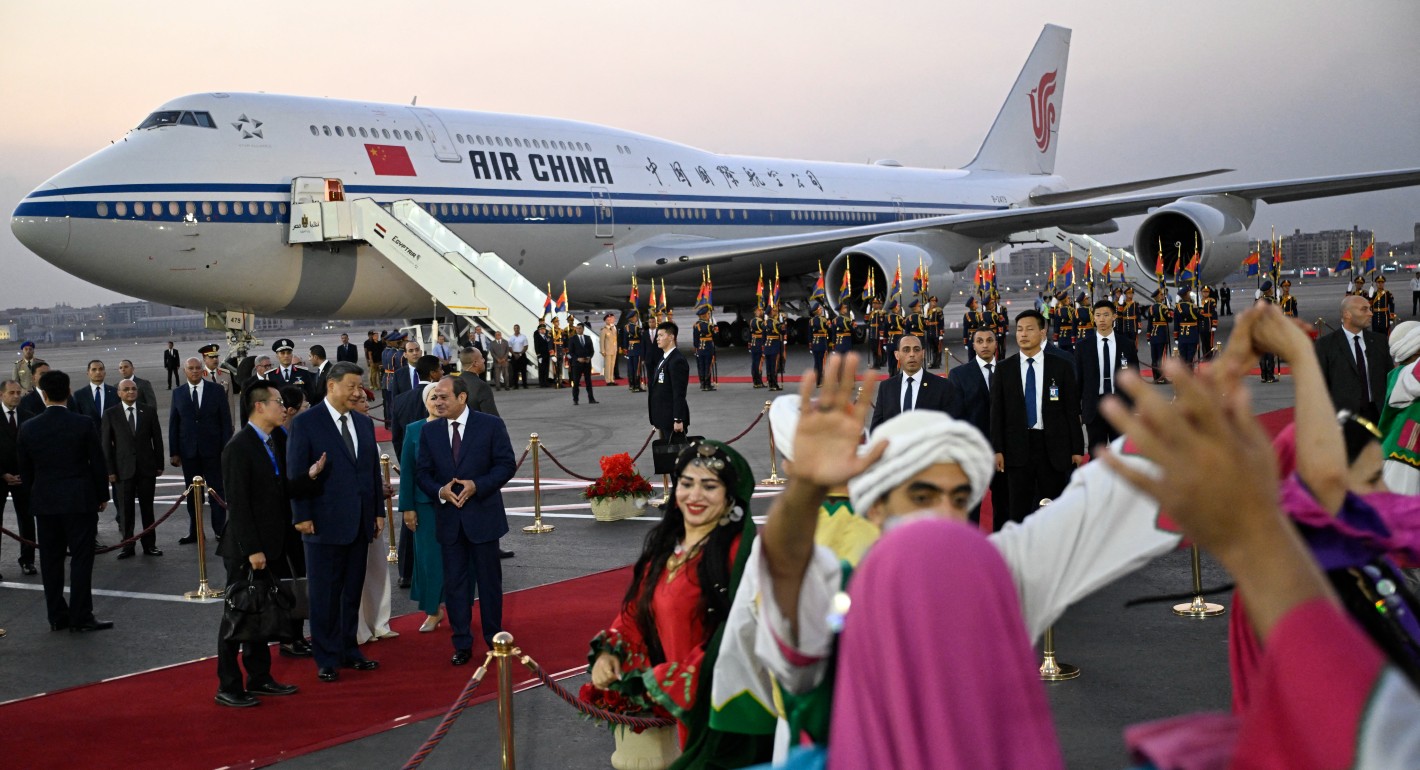
Amid celebrations of bilateral ties was a deeper focus on stability in the Middle East.

Amr Hamzawy