

Research
- +10
Rosa Balfour, Frances Z. Brown, Yasmine Farouk, …
{
  "authors": [
    "Moisés Naím"
  ],
  "type": "legacyinthemedia",
  "centerAffiliationAll": "",
  "centers": [
    "Carnegie Endowment for International Peace"
  ],
  "collections": [],
  "englishNewsletterAll": "",
  "nonEnglishNewsletterAll": "",
  "primaryCenter": "Carnegie Endowment for International Peace",
  "programAffiliation": "",
  "programs": [],
  "projects": [],
  "regions": [
    "North America",
    "South America"
  ],
  "topics": [
    "Economy",
    "Trade"
  ]
}
REQUIRED IMAGE
Behind the ornate institutional façade of Argentina's government lies a weak state that cannot adequately perform tasks that are indispensable to ensuring economic stability, let alone success. Its economic institutions were woefully inadequate. Ignoring this reality proved to be one of the many fatal mistakes that led to the crisis.
Source: Washington Post Book World
AND THE MONEY KEPT ROLLING IN (AND OUT)
Wall Street, the IMF, and the Bankrupting of Argentina
By Paul Blustein. PublicAffairs. 278 pp. $27.50
One of the many surprises of the past decade was how often a company, an industry, a country or even an entire region admired by experts, applauded by journalists and coveted by investors eventually ended up crashing. Enron, legions of dot-coms, Mexico and East Asia's miraculous "tiger" economies all went from financial superstardom to ruin. The crash always happened in the blink of an eye, and its shock waves inevitably hurt innocent bystanders.
In And the Money Kept Rolling In (and Out), Paul Blustein, a veteran economic reporter at The Washington Post, vividly documents the most recent of these megacrashes: Argentina's 2000-01 economic collapse. The book could have been titled "CSI: Buenos Aires" because what Blustein expertly investigates is undoubtedly an economic crime scene. Alas, that scene is familiar: An "emerging market," with all the trappings of a modern market economy and run with the latest economic ideas fashionable in Washington and loudly cheered by Wall Street, suddenly implodes in a catastrophic spiral of economic chaos and political turmoil. Widespread human suffering ensues.
But experienced economic detectives like Blustein know that, except for the human toll, this story hides more than it reveals, and that the crime and the culprits are not what or who they seem to be at first sight. It quickly becomes evident, for example, that behind the ornate institutional façade of Argentina's government lies a weak state that cannot adequately perform tasks that are indispensable to ensuring economic stability, let alone success. Yes, Argentina has the equivalent of an SEC, an IRS, a comptroller of the currency who regulates banks, a budget office that controls public spending. In practice, however, these institutions were woefully inadequate. Ignoring this reality proved to be one of the many fatal mistakes that led to the crisis.
Blustein's forensic work also unveils what is always the case in financial crashes: The victim had a secret economic life. Argentina, it turns out, was not the model pupil that influential foreigners enthusiastically complimented for its adherence to the principles of the "Washington Consensus," the market-oriented economic doctrine that gained worldwide popularity in the 1990s. Argentina did follow the "Consensus" and eliminate barriers to foreign investment and trade. It also privatized most of its corrupt and inefficient state-owned enterprises -- although, we now know, it did so corruptly and inefficiently.
Argentina's main problem, however, was that it became -- or always was -- a serial and serious violator of two of the fundamental tenets of the "Consensus": the need to have a low fiscal deficit and the need to maintain the value of its currency at a level that would stimulate exports. Instead, President Carlos Menem and his powerful, larger-than-life finance minister, Domingo Cavallo, pushed through a law in 1991 that promised that each Argentine peso would be equivalent to one U.S. dollar -- forever. At first, this rule worked well, helping stamp out the high inflation that had long crippled the nation. Eventually, however, it became an asphyxiating economic straitjacket.
The Menem government also promised to rein in public spending and thus avoid the deficits that could undermine its ability to fulfill the "dollarization" pledge. But the deficits remained high. As Argentina's fiscal situation deteriorated and threatened to damage its international reputation, the star pupil began to cheat. "Creative accounting" made the country's books harder for outsiders to interpret and let the allure of the success story continue. The money kept rolling in -- and out.
The Argentine government was hardly alone in having a vital interest in keeping the legend alive. Blustein tells the interesting story of how Wall Street investment banks were making huge profits trading Argentine bonds -- even while their "objective" research departments kept issuing technical reports that reassured unsuspecting investors that Argentina was a lucrative and relatively safe bet.
Yet for many observers -- including most Argentines -- the main culprit in this tragedy is the International Monetary Fund. The IMF is widely seen -- and not just in Argentina -- as a powerful, unaccountable institution that does the bidding of rich countries and their bankers by forcing less-developed countries to adopt one-size-fits-all economic-austerity measures that inevitably hurt the poor.
And the Money Kept Rolling In (and Out) convincingly shows that, at least in this case, this interpretation is not only wrong but precisely backward: It was Argentina that cunningly manipulated the IMF into giving it large financial rescue packages that the IMF knew would probably not save it from crashing. Drawing on hundreds of interviews with all the major decision-makers in Washington, New York and elsewhere, Blustein demonstrates that this crash was made in Buenos Aires and on Wall Street, not in Washington. The policies that led to Argentina's crash were not imposed by the IMF and did not follow a rigid standard recipe. In this case, the IMF showed extraordinary flexibility. At the end, it became a feeble enabler that lacked the political leverage, the money or the ideas to make a difference. In this context, the fund's leaders opted not to add to the damage by making any move that would precipitate a crisis that many inside the IMF and elsewhere thought inevitable.
Perhaps the most important lesson of Blustein's book is that the perverse alignment of incentives and institutional failures that allowed this tragedy to unfold are still in place today. When Mexico crashed in 1994, Michel Camdessus, then the head of the IMF, warned that this was the first financial crisis of the 21st century. He was right. Unfortunately, Argentina's will not be the last. Today, the money keeps rolling into industries and countries where managers, cheerleaders and enablers behave in ways suspiciously similar to those that made Argentina an economic crime scene. ·
Moisés Naím, formerly Venezuela's minister of trade and industry, is the editor of Foreign Policy magazine. His book "Illicit: How Traffickers, Smugglers and Copycats Are Hijacking the Global Economy" will be published in the fall.

Distinguished Fellow
Moisés Naím is a distinguished fellow at the Carnegie Endowment for International Peace, a best-selling author, and an internationally syndicated columnist.
Recent Work



Rosa Balfour, Frances Z. Brown, Yasmine Farouk, …
Moisés Naím
Carnegie does not take institutional positions on public policy issues; the views represented herein are those of the author(s) and do not necessarily reflect the views of Carnegie, its staff, or its trustees.
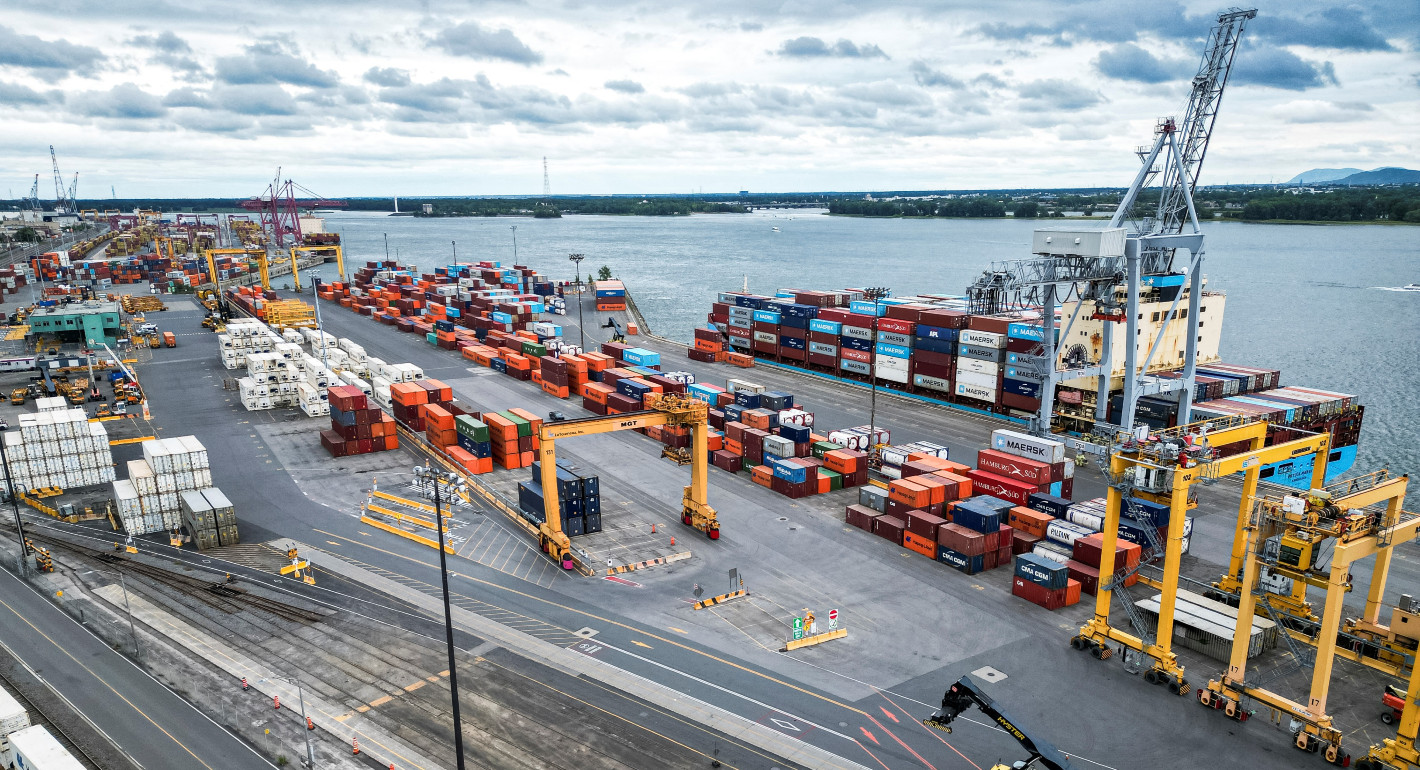
U.S. trading partners in Asia are closely watching the dispute for signs of how it may affect their own interests.
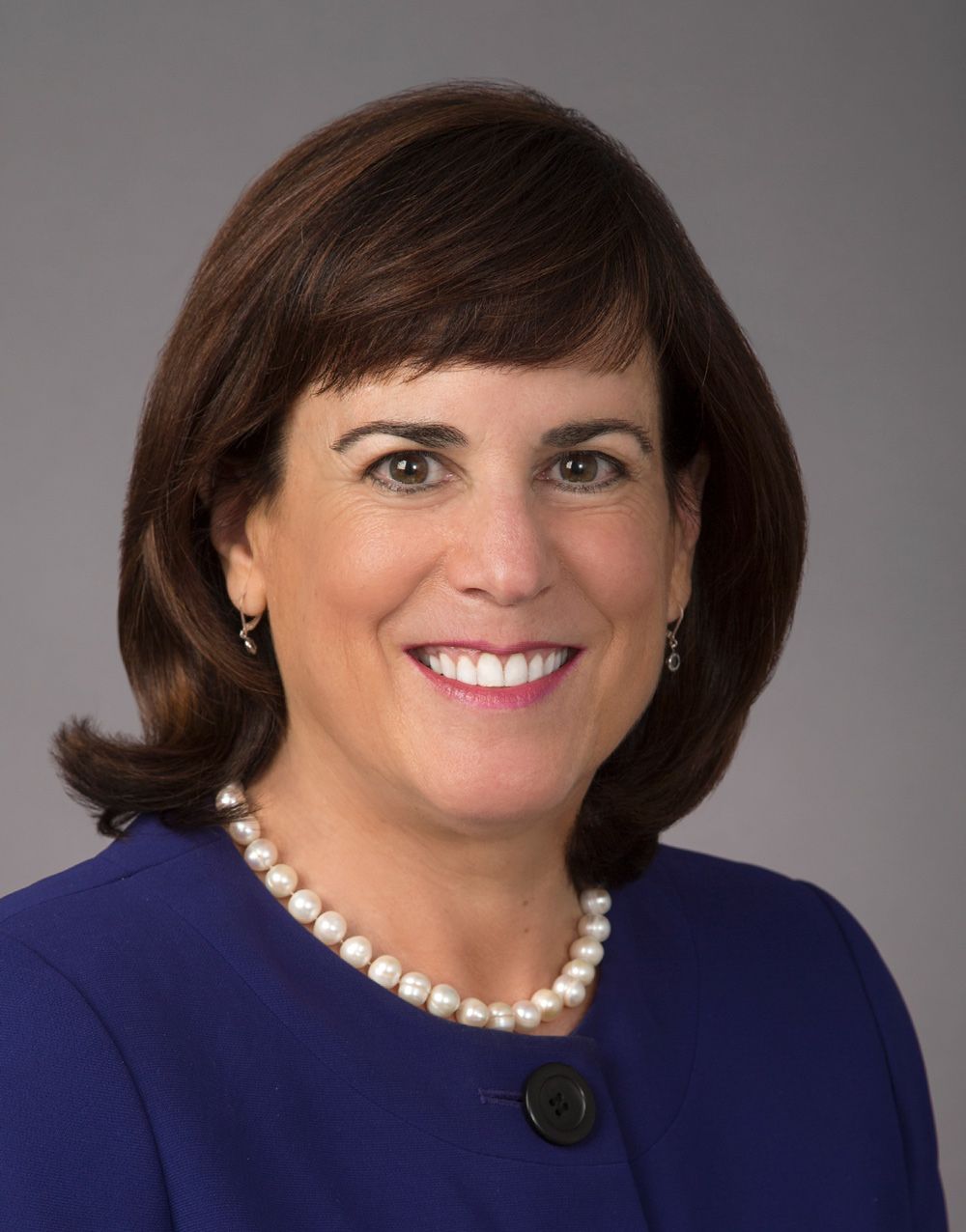
Barbara Weisel

Congress needs to step up and make EXIM a low-carbon financing powerhouse.

Jesse Young
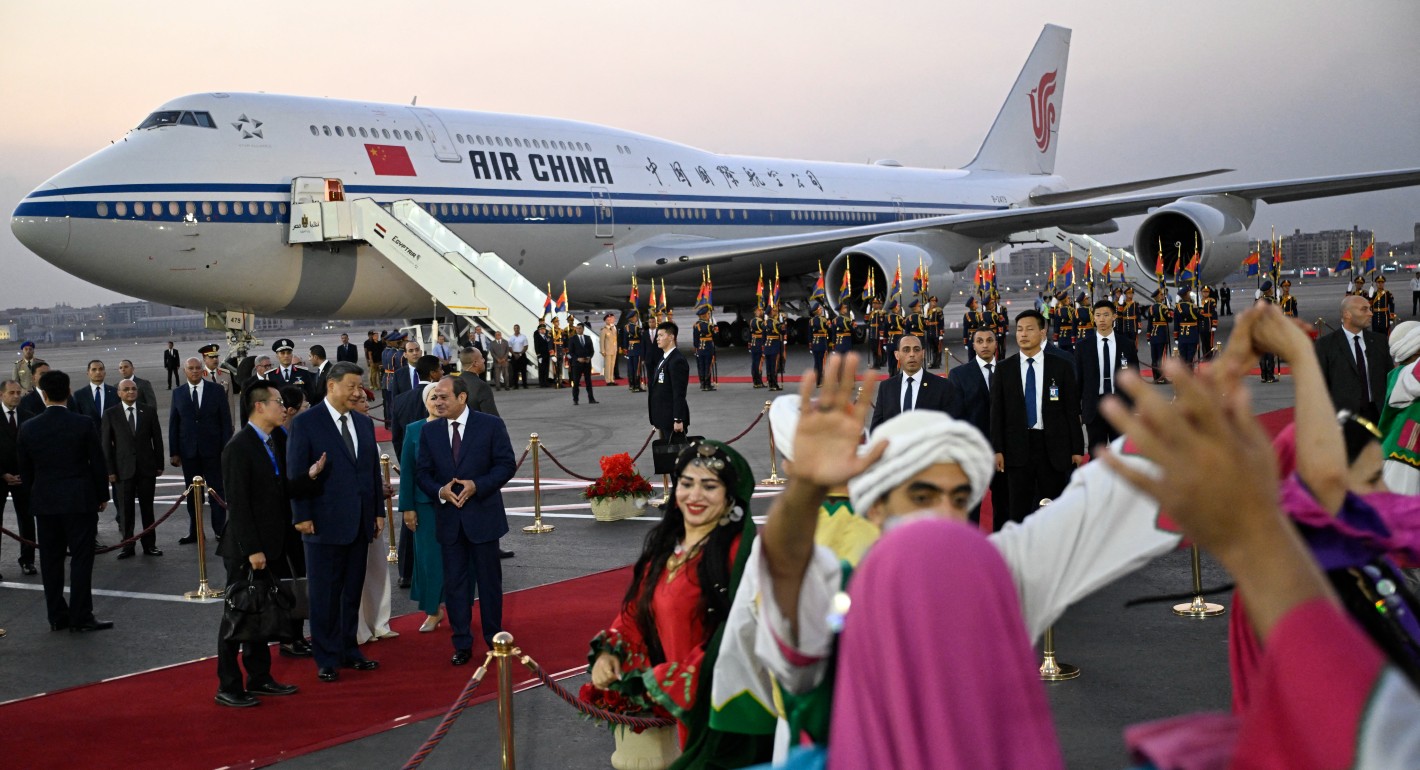
Amid celebrations of bilateral ties was a deeper focus on stability in the Middle East.

Amr Hamzawy

Canadian Prime Minister Mark Carney has twice inspired praise for standing up to U.S. President Donald Trump: at the 2026 World Economic Forum in Davos and on Canada-U.S. trade negotiations. Is Carney showing a third way better than the EU has in dealing with the Trump administration?

Rym Momtaz, ed.

Xi, Putin, and other regional leaders are back-slapping in Bishkek, but the SCO has yet to answer the most serious questions about continental Asia's economic future.

Evan A. Feigenbaum