

Article
Dr. Albert Keidel
{
  "authors": [
    "Albert Keidel"
  ],
  "type": "other",
  "centerAffiliationAll": "dc",
  "centers": [
    "Carnegie Endowment for International Peace"
  ],
  "collections": [],
  "englishNewsletterAll": "asia",
  "nonEnglishNewsletterAll": "",
  "primaryCenter": "Carnegie Endowment for International Peace",
  "programAffiliation": "AP",
  "programs": [
    "Asia"
  ],
  "projects": [],
  "regions": [
    "China",
    "North America",
    "United States",
    "East Asia"
  ],
  "topics": [
    "Economy",
    "Trade",
    "Military",
    "Domestic Politics"
  ]
}
REQUIRED IMAGE
Source: Carnegie Endowment
In Washington, politicians and pundits have settled on a single magical solution for the country's economic ills: getting China to revalue its currency, the RMB. By any reasonable economic measure, however, the RMB is not undervalued. China does have a trade surplus with the United States, but it has a trade deficit with the rest of the world. And China 's accumulation of dollar reserves is not the result of trade surpluses, but of large investment inflows caused in part by speculators' betting that China will yield to U.S. pressure. Focusing on China 's currency is a distraction. If the United States wants to improve its economy for the long haul, it had best look elsewhere, beginning with raising the productivity of American workers.Click on the link above for the full text of this Carnegie publication.
A limited number of print copies are available.
Request a copy
About the Author
Albert Keidel is a senior associate at the Carnegie Endowment for International Peace in Washington, D.C. Through August 2004, he was Deputy Director of the Office of East Asian Nations in the U.S. Treasury Department, where he supervised its China desk and was its principal specialist on China exchange rate issues. Through the end of 2000 he served as senior economist in the World Bank's Beijing office. Since the latter 1980s he has taught graduate courses on China's economy variously at Johns Hopkins University School of Advance International Studies, George Washington University, and Georgetown University. His recent writings include Exchange-Rate Regimes and Capital Flows in East Asia, Prospects for Continued High Economic Growth in China, China 's G8 Impact, and The Economic Basis for Social Unrest in China. His Ph.D. in Economics is from Harvard University. He speaks and reads Mandarin Chinese.
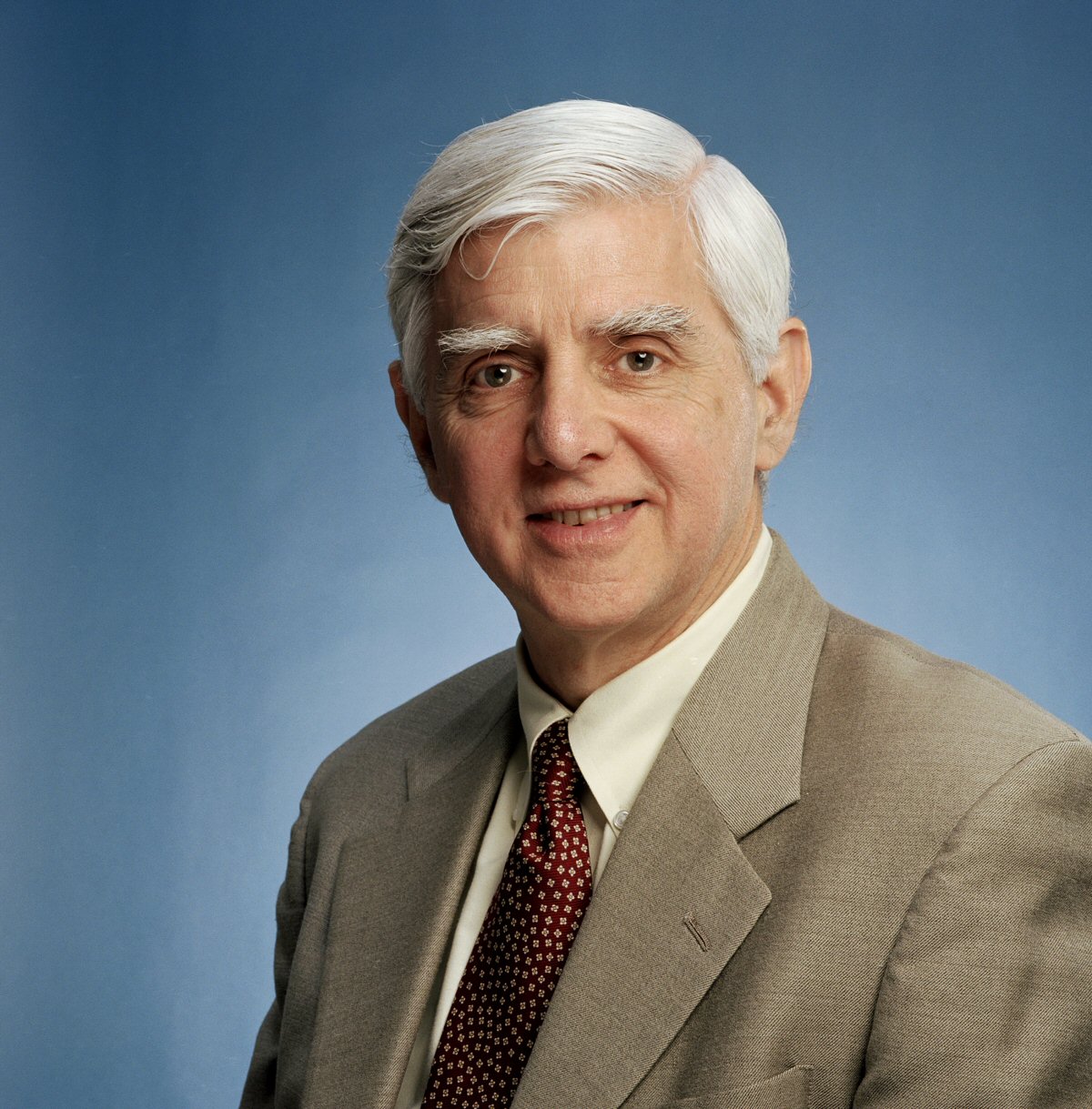
Former Senior Associate, China Program
Keidel served as acting director and deputy director for the Office of East Asian Nations at the U.S. Department of the Treasury. Before joining Treasury in 2001, he covered economic trends, system reforms, poverty, and country risk as a senior economist in the World Bank office in Beijing.
Recent Work
Dr. Albert Keidel
Dr. Albert Keidel
Carnegie does not take institutional positions on public policy issues; the views represented herein are those of the author(s) and do not necessarily reflect the views of Carnegie, its staff, or its trustees.

The Plaza Accord was not an externally imposed punishment of Japan but part of a broader restructuring that Japanese economists and policymakers themselves recognized was necessary. Its effects were undermined, however, when Tokyo responded to the resulting slowdown with policies that exacerbated investment, credit expansion, and the very imbalances the adjustment was intended to resolve.

Michael Pettis

Trump has promised Belarus a massive potash deal. But Minsk is seeking something greater: restored Western transit and greater room for maneuver from Russia.

Balázs Jarábik

The real test may come after the leaders leave the room.



Sheena Chestnut Greitens, Oriana Skylar Mastro, Yukon Huang, …

The Horn of Africa countries are among those facing a new security calculus.


Andrew Leber, Lesley Anne Warner

The new U.S.–Denmark–Greenland agreement will help Washington exert political, economic, and financial dominance under the guise of security. Yet, it acknowledged Copenhagen’s and Nuuk’s sovereignty on the island.

Marc Pierini