

In The Media
Branko Milanovic
{
  "authors": [
    "Branko Milanovic"
  ],
  "type": "other",
  "centerAffiliationAll": "",
  "centers": [
    "Carnegie Endowment for International Peace"
  ],
  "collections": [],
  "englishNewsletterAll": "",
  "nonEnglishNewsletterAll": "",
  "primaryCenter": "Carnegie Endowment for International Peace",
  "programAffiliation": "",
  "programs": [],
  "projects": [],
  "regions": [
    "North America",
    "Middle East",
    "China"
  ],
  "topics": [
    "Economy"
  ]
}
REQUIRED IMAGE
In an upcoming paper in World Economics, “Global Income Inequality: What It Is and Why It Matters?” Branko Milanovic outlines the meaning of global inequality - inequality between the world’s citizens. Milanovic explores the limits of our ability to measure global inequality, and the thorny challenges of assessing whether inequality has changed over the years, whether globalization has impacted the gap between the global rich and poor, and how extreme world inequality might ever be changed through global governance.

Former Adjunct Scholar
Milanovic is a lead economist in the World Bank's research department,where he has been working on the topics of income inequality and globalization. Previously, he was a World Bank country economist for Poland and a research fellow at the Institute of Economic Sciences in Belgrade.
Recent Work
Branko Milanovic
Branko Milanovic
Carnegie does not take institutional positions on public policy issues; the views represented herein are those of the author(s) and do not necessarily reflect the views of Carnegie, its staff, or its trustees.

China’s banking crisis in the 2000s was resolved by transferring the costs to households through financial repression—a decision that recapitalized the banks while exacerbating the structural imbalances that continue to shape the Chinese economy today.

Michael Pettis

Chinese biotech companies have been on the receiving end of U.S. economic coercion. Yet their responses have differed significantly because firm and state interests are not uniformly aligned. For Washington, treating all Chinese tech firms the same, irrespective of their actual interests, risks pushing them farther into Beijing’s corner.

Xue Gong
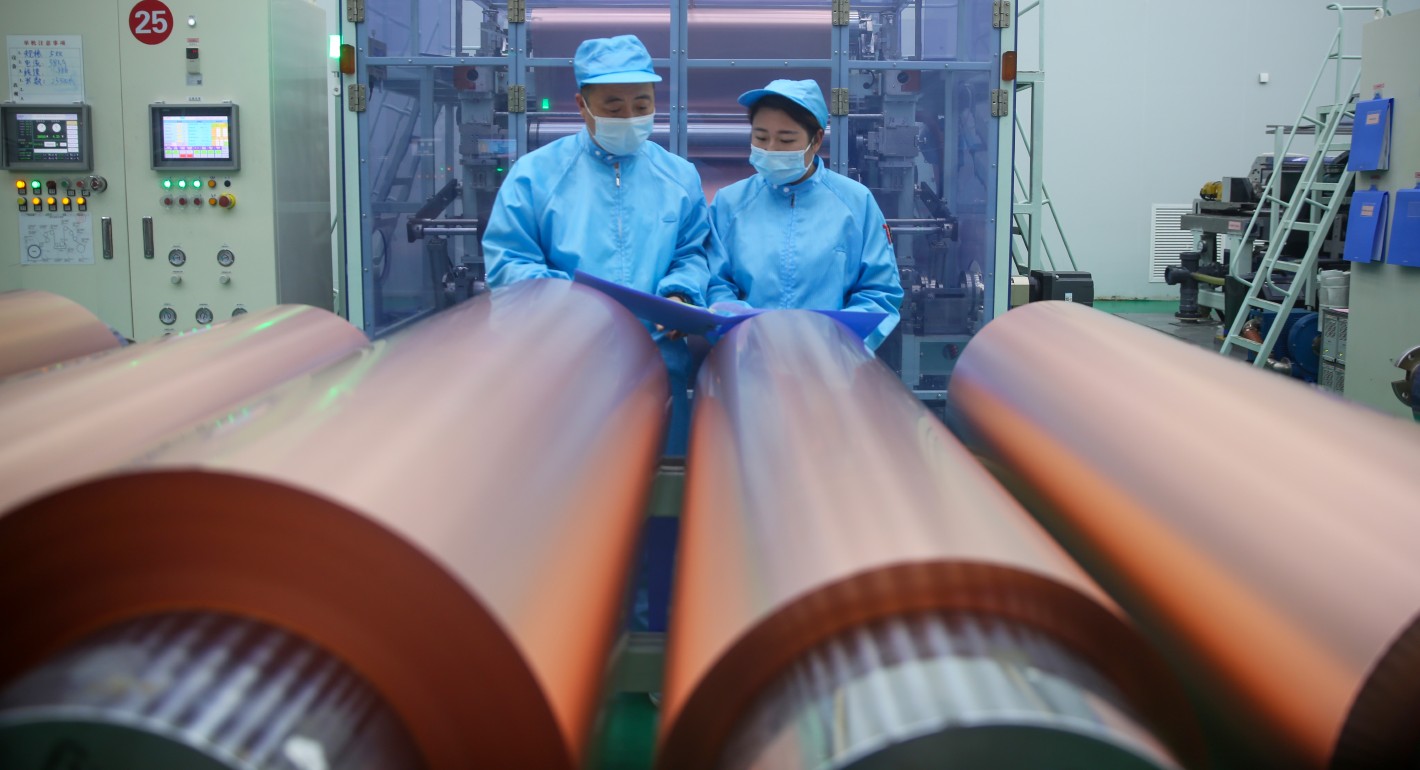
Over the past decade, China has moved from marginal player to major producer of all things batteries. The United States, Europe, and others are aiming to balance the market.

Milo McBride
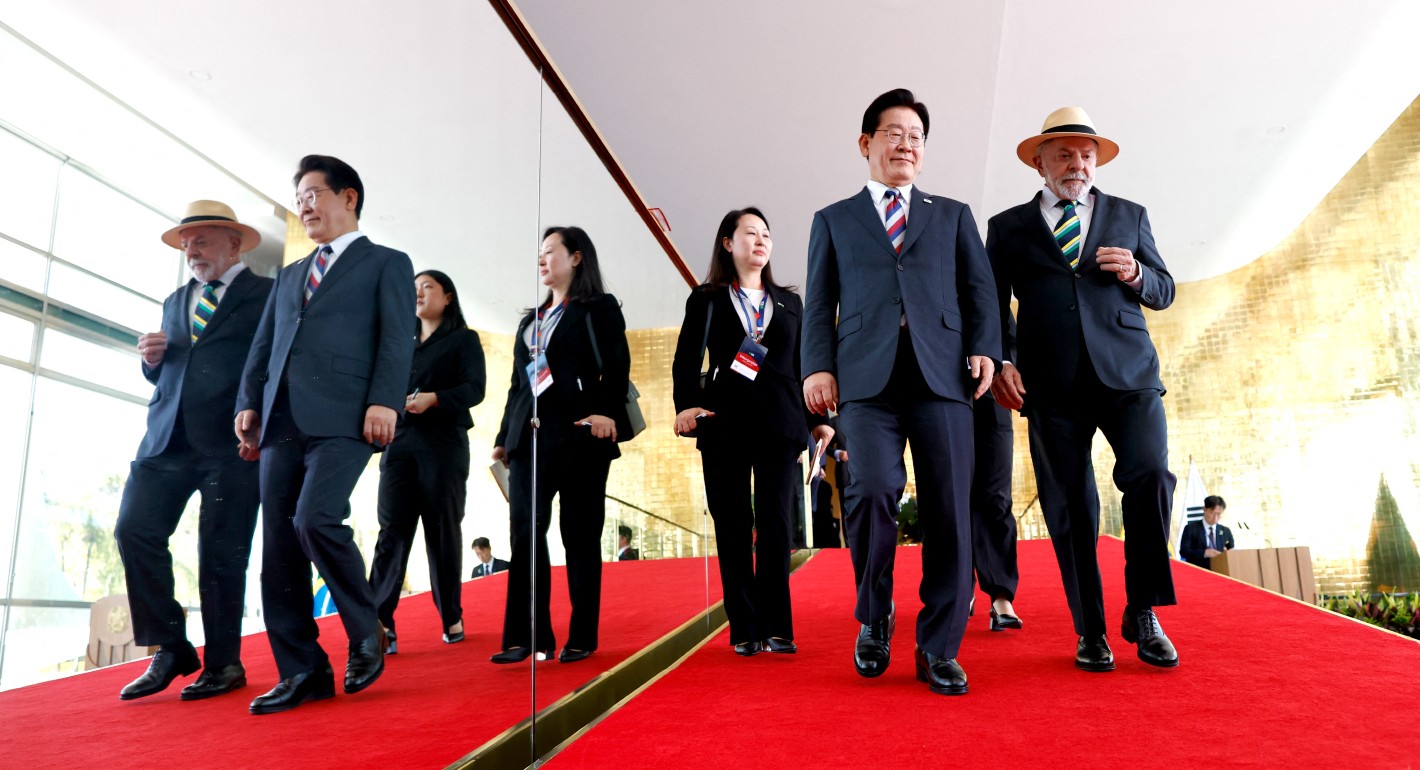
Lee’s tour shows how Seoul is reorganizing its diplomacy away from Pyongyang and toward industrial networks and the geography of the compute economy.

Darcie Draudt-Véjares

Most migrants may have left Ceuta, but the effects may linger.


Alejandro Martin Rodriguez, Sarah Yerkes