

Article
If Washington cannot adapt to the ongoing transformations of a multipolar world, its superiority will become a liability.
Amr Hamzawy
{
  "authors": [],
  "type": "other",
  "centerAffiliationAll": "dc",
  "centers": [
    "Carnegie Endowment for International Peace"
  ],
  "collections": [],
  "englishNewsletterAll": "democracy",
  "nonEnglishNewsletterAll": "",
  "primaryCenter": "Carnegie Endowment for International Peace",
  "programAffiliation": "DCG",
  "programs": [
    "Democracy, Conflict, and Governance",
    "Middle East"
  ],
  "projects": [],
  "regions": [
    "Middle East",
    "Egypt",
    "Iraq"
  ],
  "topics": [
    "Political Reform",
    "Democracy",
    "Foreign Policy"
  ]
}
REQUIRED IMAGE
U.S. efforts to promote democracy in the Middle East have several components.
Source: Carnegie Resource Page
U.S. efforts to promote democracy in the Middle East have several components. The first and most visible component is the statements issued by the president and other high government officials. In addition, there is quiet diplomatic engagement with several countries in the region. The third, less understood component consists of a diverse array of assistance programs implemented by governmental and non-governmental actors. This fact-sheet provides an overview of these actors and their activities.
Please click on Word icon above to read full document.
Carnegie does not take institutional positions on public policy issues; the views represented herein are those of the author(s) and do not necessarily reflect the views of Carnegie, its staff, or its trustees.
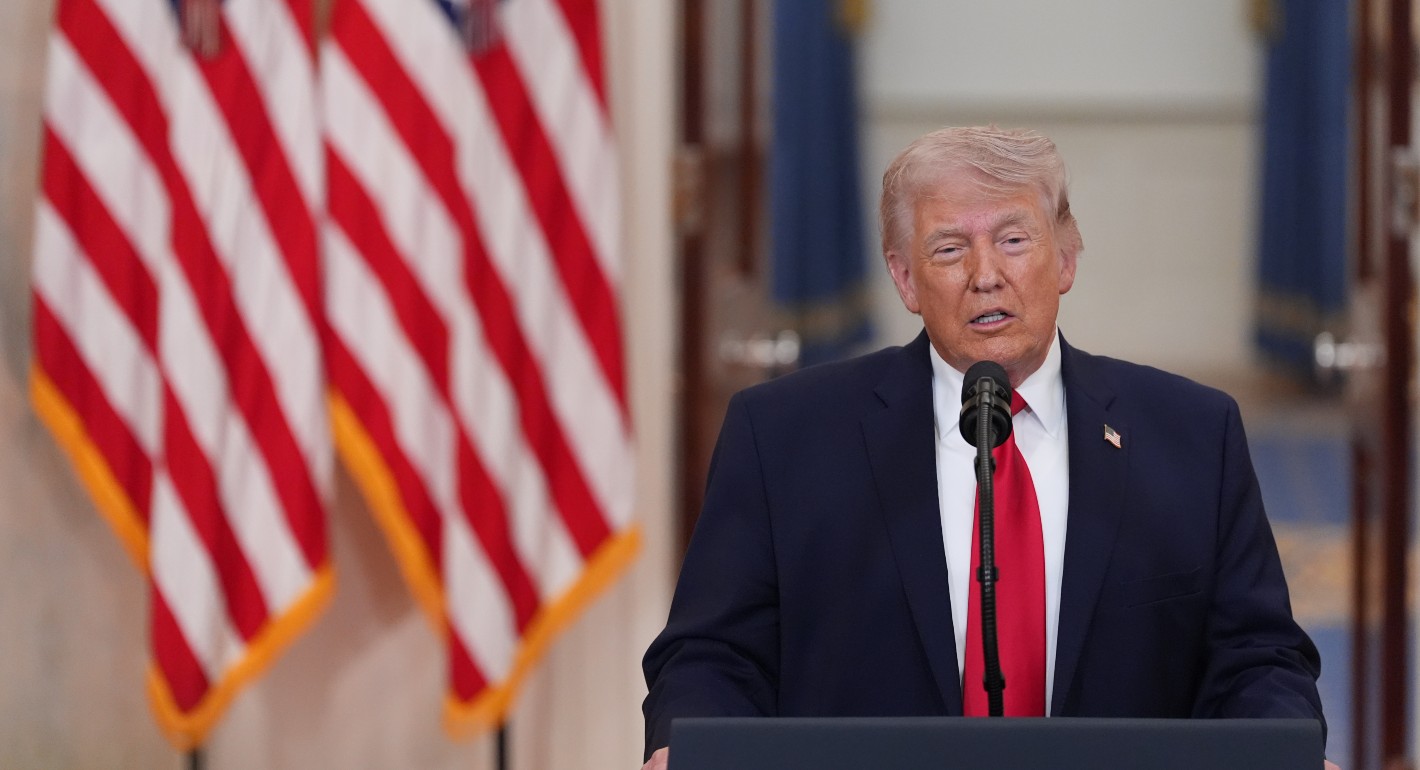
If Washington cannot adapt to the ongoing transformations of a multipolar world, its superiority will become a liability.

Amr Hamzawy
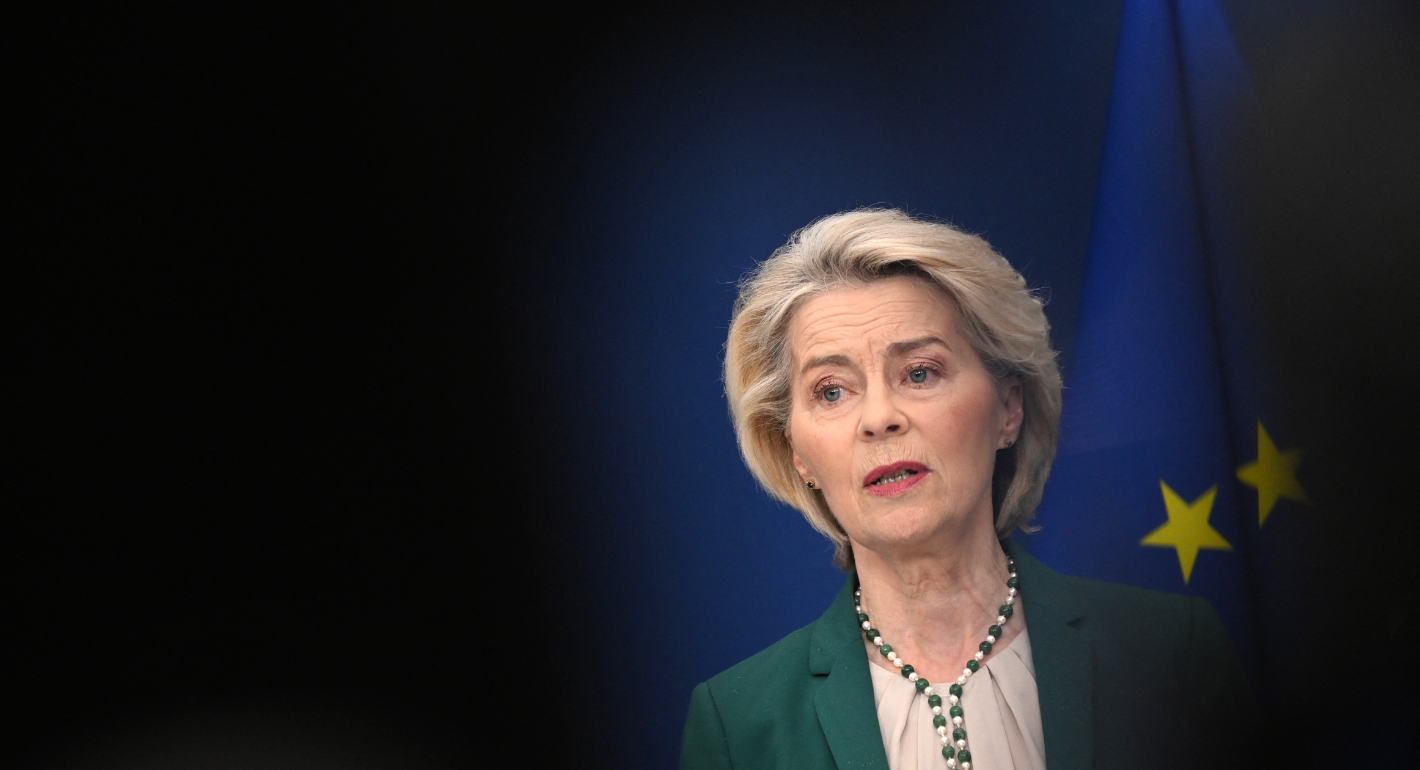
Following Ursula von der Leyen’s gaffe equating Turkey to Russia and China, relations with Ankara risk deteriorating even further. Without better, more consistent diplomatic messaging, how can the EU pretend to be a geopolitical power?

Sinan Ülgen
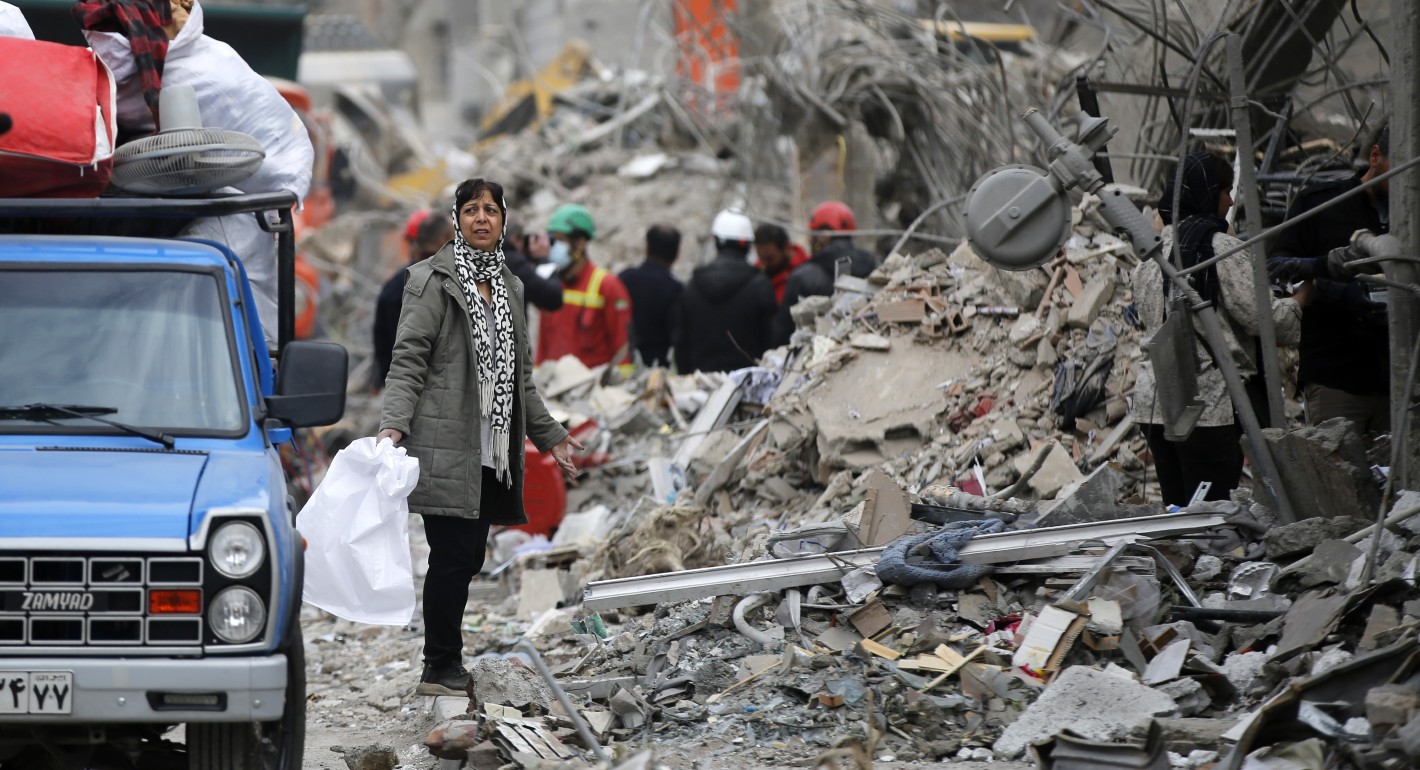
Here’s why—and what the next president needs to do to fix the process.

Daniel C. Kurtzer, Aaron David Miller
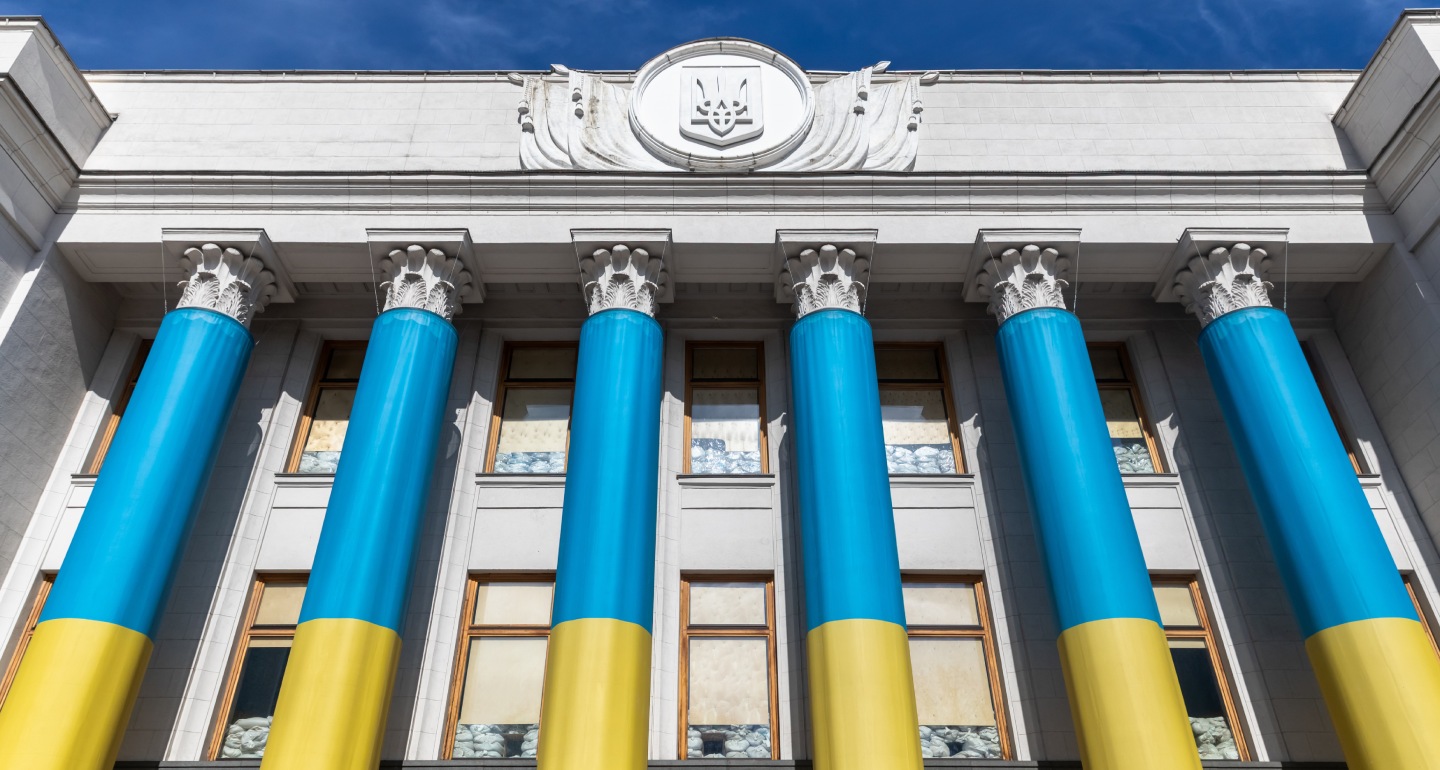
The return of parliamentary politics reflects a broader shift from earlier expectations of a settlement and elections toward the reality of a prolonged war.
Balázs Jarábik
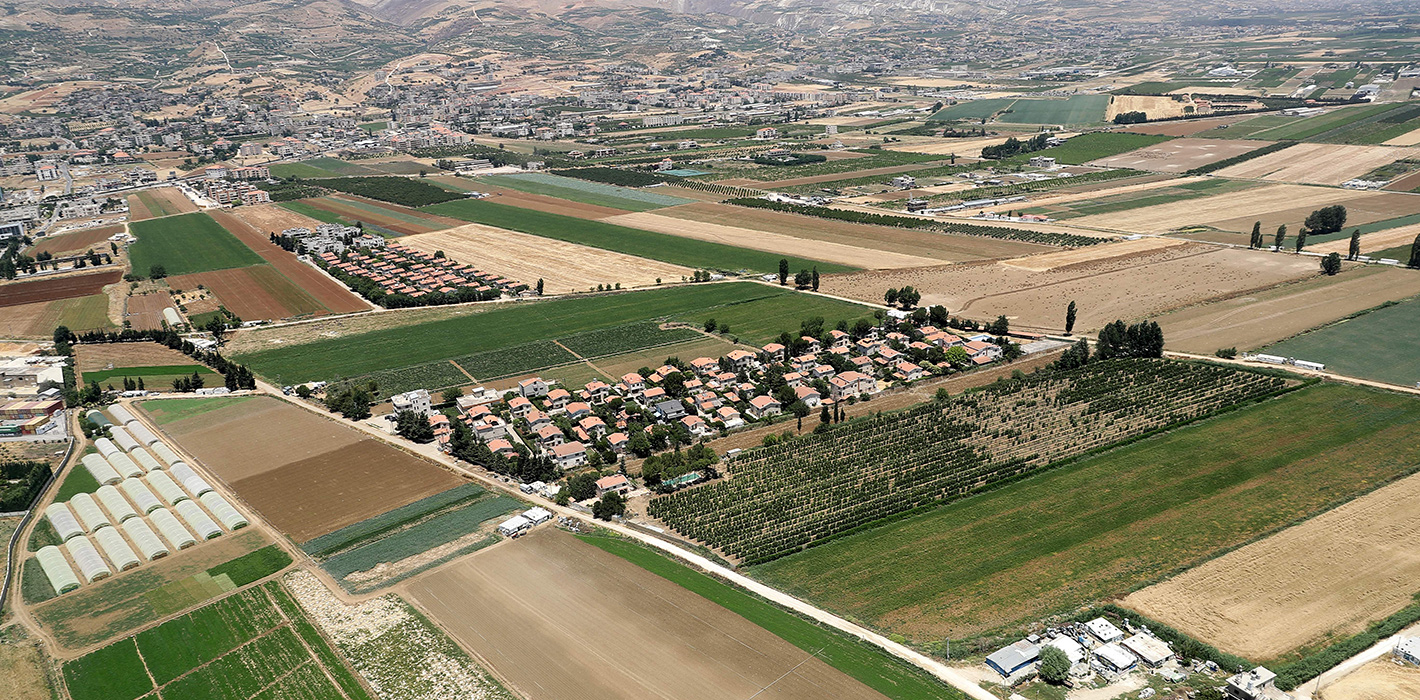
When municipalities and local actors are empowered with regulatory authority, knowledge, and resources, they can fill critical governance gaps.
Sabine Saad