

Commentary
This year’s wars have made alternative routes to transit through Russia no less risky for Central Asian countries.
Galiya Ibragimova
{
  "authors": [],
  "type": "pressRelease",
  "centerAffiliationAll": "dc",
  "centers": [
    "Carnegie Endowment for International Peace"
  ],
  "collections": [],
  "englishNewsletterAll": "asia",
  "nonEnglishNewsletterAll": "",
  "primaryCenter": "Carnegie Endowment for International Peace",
  "programAffiliation": "AP",
  "programs": [
    "Asia"
  ],
  "projects": [],
  "regions": [
    "North America",
    "United States",
    "East Asia",
    "China",
    "Taiwan",
    "Japan",
    "Southeast Asia"
  ],
  "topics": [
    "Military",
    "Foreign Policy"
  ]
}
REQUIRED IMAGE
China is significantly transforming its image and influence in Southeast Asia through a broad concept of soft power while U.S. influence wanes in this region. If the United States does not refocus its foreign policy in SE Asia, China could use its soft power to incrementally push the U.S., Japan, and Taiwan out of regional influence.
For Immediate Release: June 5, 2006
Contact: Jennifer Linker, 202/939-2372, jlinker@CarnegieEndowment.org
Charmed by China
New Policy Brief Analyzes Implications of Chinese Soft Power in SE Asia
China is significantly transforming its image and influence in Southeast Asia through a broad concept of soft power while U.S. influence wanes in this region. If the United States does not refocus its foreign policy in SE Asia, China could use its soft power—a conscious, shrewd mix of diplomacy, foreign aid, and access to Chinese education—to incrementally push the U.S., Japan, and Taiwan out of regional influence. Carnegie Visiting Scholar Joshua Kurlantzick’s new Policy Brief, China’s Charm: Implications of Chinese Soft Power, analyzes China’s influence and policy tools of soft power and argues that, while China’s rising soft power could prove benign or even beneficial in some respects, it could prove disastrous for Southeast Asia—for democratization, for anticorruption initiatives, and for good governance. Click here to read China’s Charm, go to www.CarnegieEndowment.org/ChinaProgram.
What Washington needs, Kurlantzick prescribes, is to focus its SE Asia policy on containing the reach of China’s soft power and counterbalancing its influence. The United States should expand its own soft power by reevaluating its stringent student visa restrictions, rethinking U.S. economic sanctions on SE Asian nations, expanding its diplomatic presence in each country, and dedicating resources to examine China’s bilateral relationship with each SE Asian nation.
In the Policy Brief, Kurlantzick identifies the different elements of China’s soft power, which started to grow during the Asian financial crisis, when China portrayed its refusal to devalue its currency as standing up for Asia against the West. Since then, China has actively focused its attention on countries whose bilateral relationships with the US are faltering, like Cambodia. China also has increased its foreign aid, topping US foreign aid to nations like Indonesia, and improving China’s image to both elites and the broader public.
Yet, what are China’s intentions? Kurlantzick acknowledges that some of its goals are benign. But, he argues, in the worst possible case, China’s success in delivering strong economic growth while retaining political control could serve as an example to some of the more authoritarian-minded leaders in the region. In controlling development from the top, of course, Beijing’s model rejects the idea that ordinary citizens should control countries’ destinies.
Joshua Kurlantzick is a visiting scholar in the China Program at the Carnegie Endowment for International Peace. Also a special correspondent for The New Republic, Kurlantzick is assessing China’s relationship with Southeast Asia, particularly in the context of China’s relationship with other parts of the developing world and the United States.
###
Carnegie does not take institutional positions on public policy issues; the views represented herein are those of the author(s) and do not necessarily reflect the views of Carnegie, its staff, or its trustees.
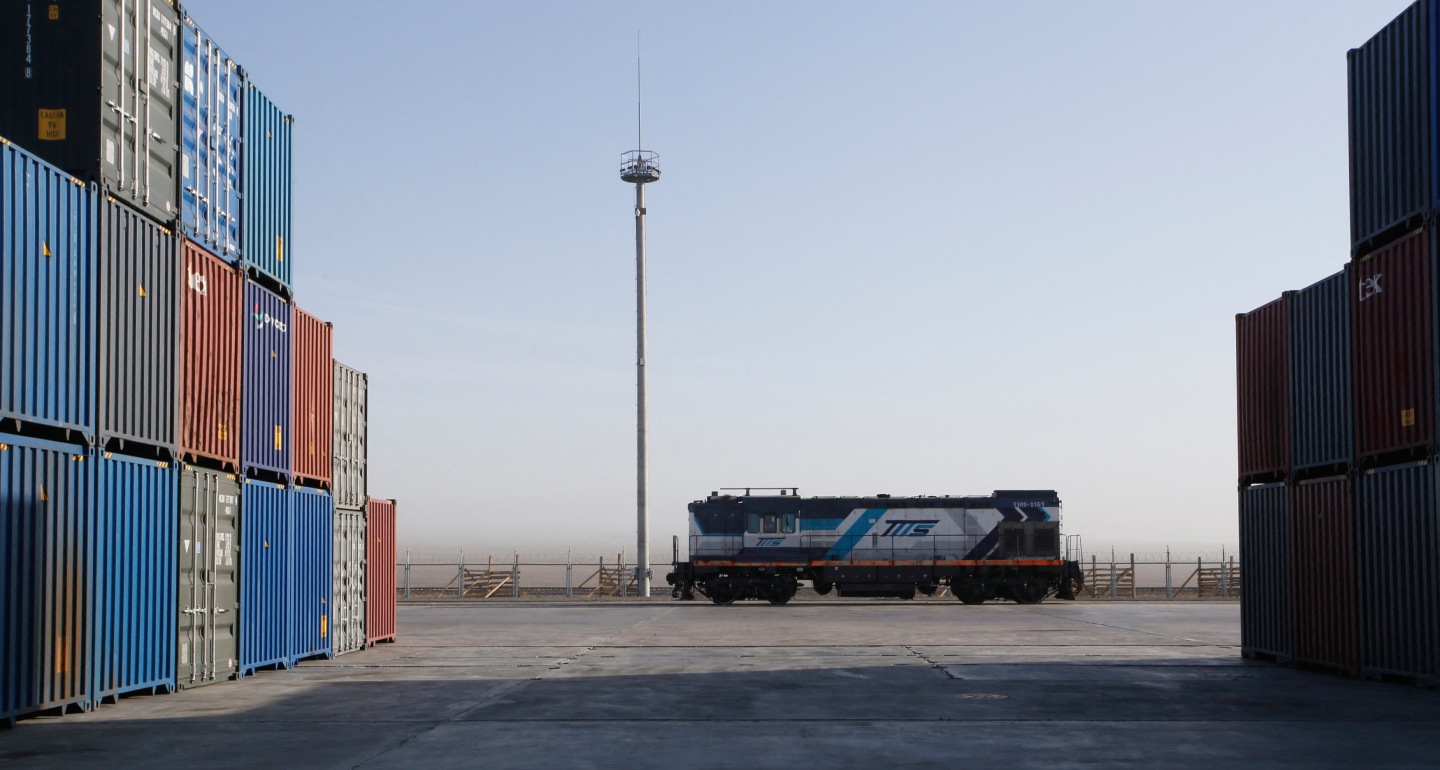
This year’s wars have made alternative routes to transit through Russia no less risky for Central Asian countries.

Galiya Ibragimova
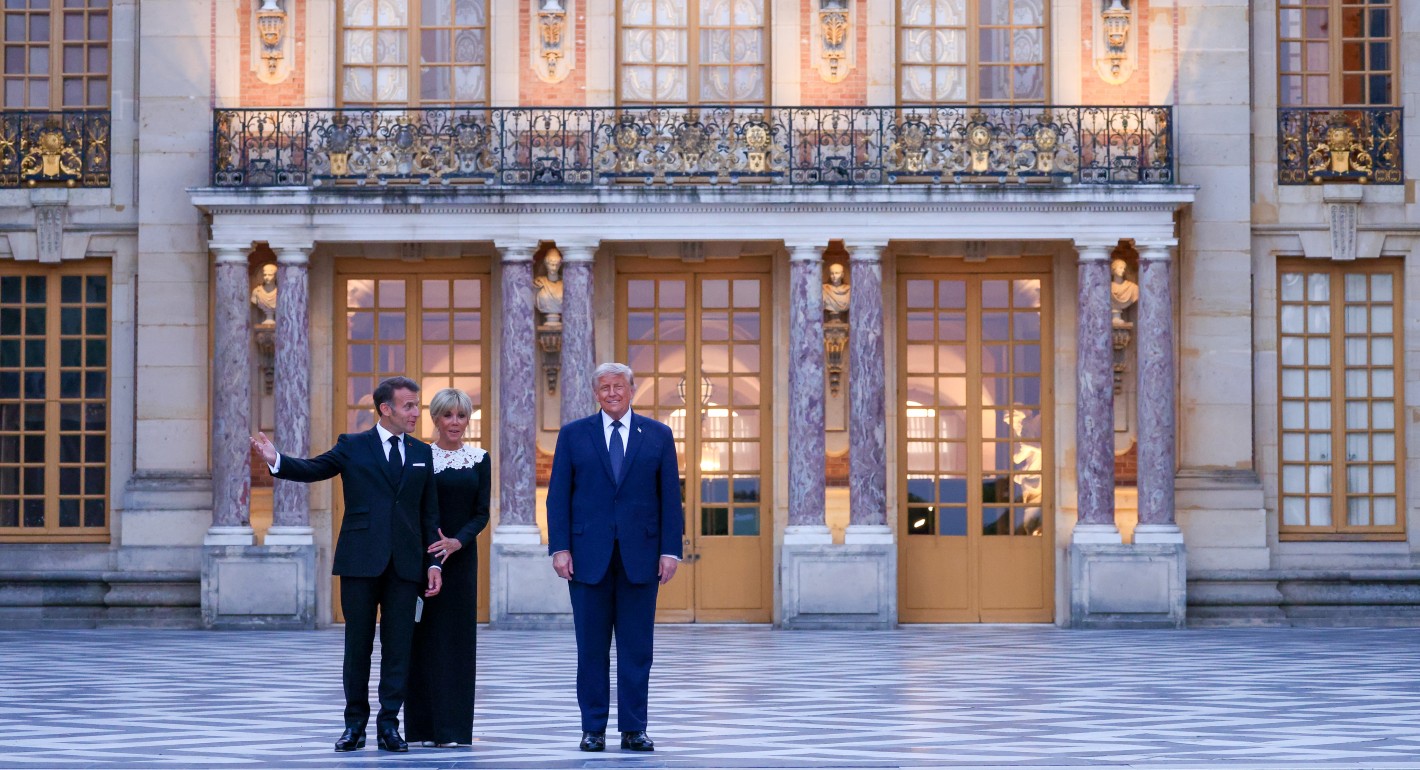
By burying disagreements in imprecision, the new deal risks same fate as its predecessors.

James M. Acton
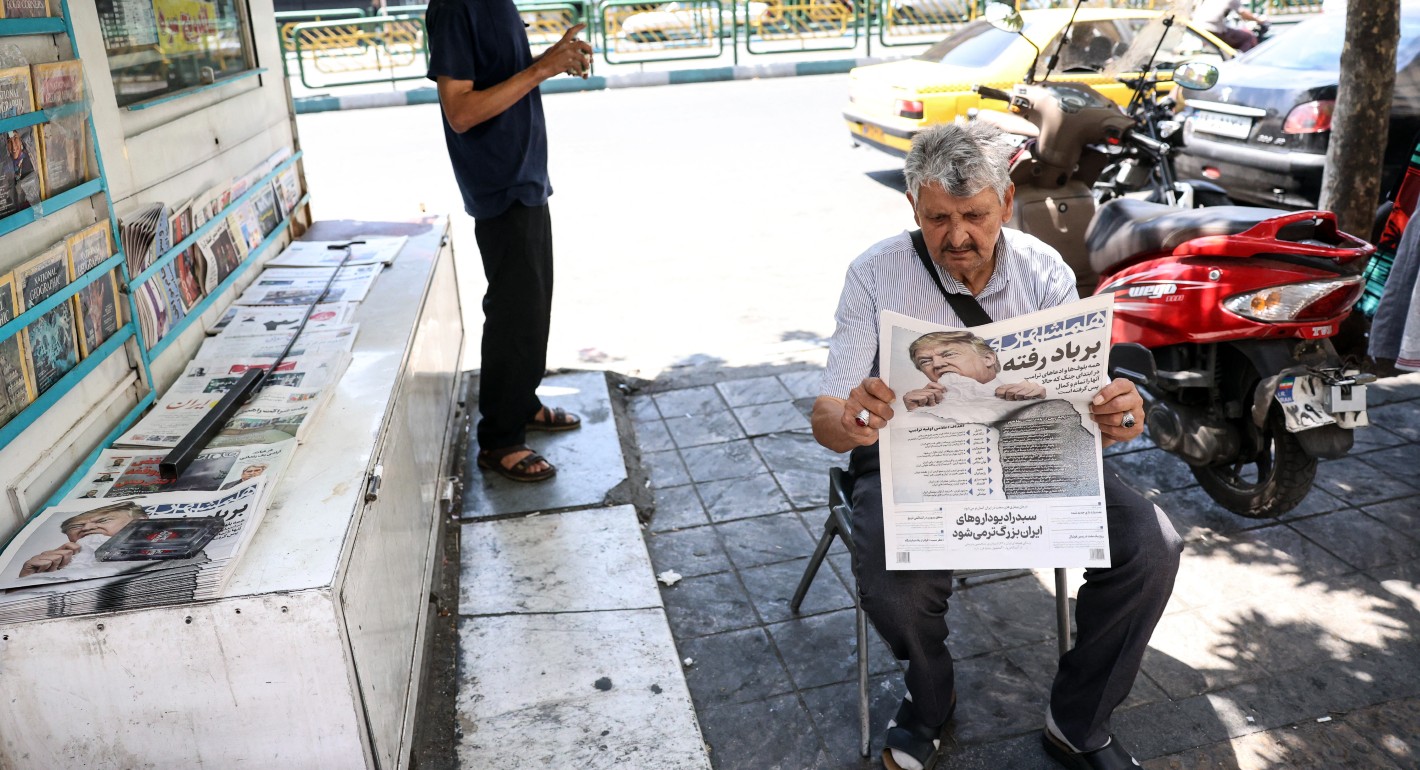
The United States and Israel may have unwittingly revived the Islamic Republic’s “zombie regime.”



Suzanne Maloney, Aaron David Miller, Karim Sadjadpour
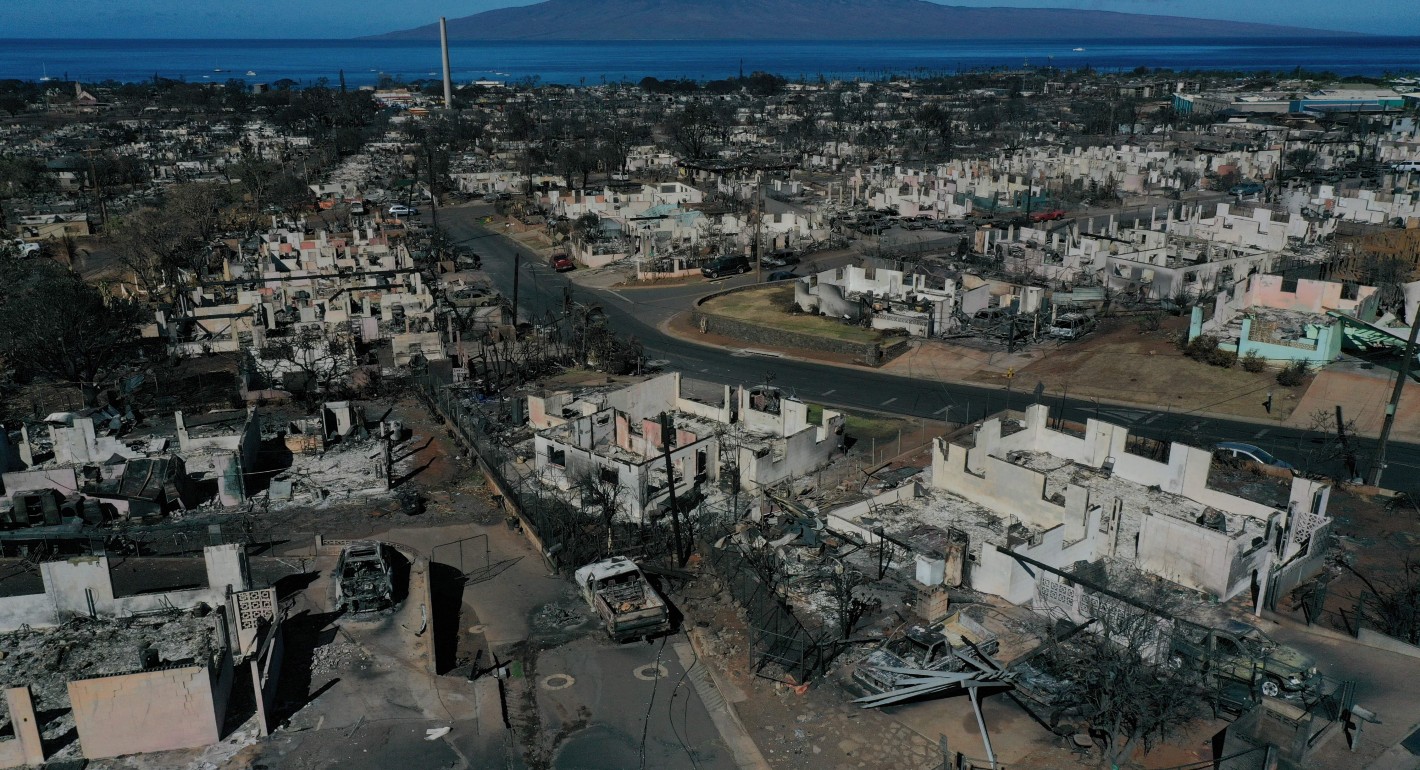
Natural disasters are no longer local incidents but sources of systemic risk that threaten vital infrastructure and the economy—and public support for international engagement.

Leonardo Martinez-Diaz

When the U.S.-Iran memorandum of understanding was announced, the UK, France, Germany, and Italy declared their readiness to help demine the Strait of Hormuz and lift nuclear sanctions on Tehran. But does Europe need new tools to recover a diplomatic role?

Rym Momtaz, ed.