

Paper
George Perkovich
{
  "authors": [
    "George Perkovich"
  ],
  "type": "legacyinthemedia",
  "centerAffiliationAll": "dc",
  "centers": [
    "Carnegie Endowment for International Peace"
  ],
  "collections": [
    "U.S. Nuclear Policy"
  ],
  "englishNewsletterAll": "",
  "nonEnglishNewsletterAll": "",
  "primaryCenter": "Carnegie Endowment for International Peace",
  "programAffiliation": "NPP",
  "programs": [
    "Nuclear Policy",
    "Middle East"
  ],
  "projects": [],
  "regions": [
    "North America",
    "United States",
    "Middle East",
    "Iran"
  ],
  "topics": [
    "Security",
    "Military",
    "Nuclear Policy"
  ]
}
REQUIRED IMAGE
The debate over Iran's nuclear program has now been widened, with Iran feeling emboldened to compete with the United States for dominance in the Middle East as a whole. This competition has the potential for "tragedy" if the United States feels it must use military power against Iran.
Source: Council on Foreign Relations Interview
George Perkovich, a leading expert on Iran and on nuclear issues, says the debate over Iran’s nuclear program has now been widened, with Iran feeling emboldened to compete with the United States for dominance in the Middle East as a whole. He warns this competition has the potential for “tragedy” if the United States feels it must use military power against Iran.
“Now seems to be a moment when President [Mahmoud] Ahmadinejad especially displays real bellicosity and arrogance,” says Perkovich. He says the Iranian president’s actions could provoke military action by the United States “that certainly would not serve U.S. interests, but which also would not be good for Iran, and has the makings of tragedy.”
When we last spoke in August much attention was focused on the effort by the United States and its allies in the UN Security Council to pressure Iran to suspend its nuclear enrichment program. Since then there seems to be less focus on the nuclear issues and more on the Middle East. Can you bring us up to date?
There are so many things going on that it overwhelms U.S. leadership, as it would any country. North Korea tested a nuclear weapon. Now you’ve got the assassination of Pierre Gemayel in Lebanon. You have many other things going on, but amidst it all, the UN Security Council’s demand that Iran suspend its fuel cycle activities remains defied by Iran and unenforced by the Security Council. The United States has been trying to press the Security Council to adopt sanctions. Russia has been resisting that and so the matter remains in limbo, which Iran, and I think much of the rest of the world, takes to mean that there will not be enforcement and that Iran can continue to defy not only the Security Council but the United States. In that context, while the nuclear issue is essentially unaddressed, Iran is stepping up its sense of competition with the United States for dominance in the broader Middle East.
You see this today in the attempt by the Iranian leadership to have the leaders of Syria and Iraq come to Iran just as President Bush is going to the region to meet with Prime Minister Nouri al-Maliki in Jordan and try to reestablish U.S. leadership. Iran is stepping up in a very frontal way, in essence saying, “We’re the main player in the region, our side is winning, you guys are on the run.”
Do you think the Iranian rhetoric may be self-defeating? The Iranians are treating the United States very arrogantly. Could this backfire?
Yes. Historically the United States has cycles when it feels really offended and arrogant. Now seems to be a moment when President [Mahmoud] Ahmadinejad especially displays real bellicosity and arrogance. It’s provocative in some ways, and it could provoke at some point, in exasperation, military action by the United States that certainly would not serve U.S. interests, but which also would not be good for Iran, and has the makings of tragedy. These interacting tendencies to be arrogant and rub each other’s face in things really can produce tragedy.
There’s been a lot written in the last year or so about the possibility of the United States launching a military attack on Iran’s nuclear facilities. I haven’t heard that much lately. What have you heard about this?
Anybody that Iran talks to acknowledges a military attack on Iraq’s nuclear installations would have very, very negative consequences. So it’s not something that people take lightly, especially in the wake of the Iraq experience. One reason you don’t hear much about it is the negative effects would be so great and so numerous that it’s hard to think this would be anything other than a desperation measure. One reason people are not talking about it so much is because it’s not like it’s going to solve any problem.
There’s a lot of discussion in the United States that perhaps the United States should end its reluctance to deal directly with Iran by talking to Iran and Syria about Iraq. This, of course, leaves unclear the whole nuclear question. I’m sure the Iranians would rather talk to the United States about Iraq than about suspending their nuclear program.
Well, one of the things that has happened with U.S. foreign policy in the last six years is that the administration started off, in essence, saying it’s not going to talk to “bad actors” or “bad regimes.” Then after about five years it realizes that’s not getting you anywhere and you start to adjust. By then it may be too late to achieve what you want. So I believe the administration is prepared and would like to talk directly to Iran, but it’s not clear to me the government of Iran is going to want to talk directly to the United States. There’s a way to do this where even if Iran had suspended its nuclear activities as required by the Security Council, you could have a dialogue on other topics.
I don’t think we should negotiate with them on the nuclear issue until they’ve suspended [uranium enrichment] but you could talk to them about Iraq and the regional security environment even as you’re pressing sanctions on the nuclear issue. It’s not clear to me the Iranians want to talk because I think—at least at the presidential level in Iran—the view would be “Yes, we’ll talk to the United States if it’s prepared to talk about the terms of its surrender to us. But we Iranians aren’t going to have a dialogue with the United States where they are the demander and somehow we’re supposed to be accommodating their demands. That just isn’t going to happen.”
Coming back to Iran’s nuclear program, the Russian reluctance to really have any serious sanctions is due to what?
I could list six probable causes and how President [Vladimir] Putin decides what to do we don’t really know. In other words, the first meaningful sanctions that people have in mind would be to cut off nuclear cooperation with Iran beyond the Bushehr [nuclear power plant being supplied by Russia]. But [other] such cooperation would be cut off. Well, that hurts Russia the most. They’re the ones with the contracts.
What contracts do they have with Iran besides Bushehr?
They’re trying to go forward with another reactor and they would like to keep other projects moving forward in negotiation. The revenue source is Bushehr, but then if you’re going to cut future cooperation then that isn’t appealing to them.
The other thing that would be cut off is conventional arms sales to Iran, but guess what? Russia is the main supplier. So again Russia would be asked to take the biggest economic hit. There is a general view the Russians have which is that economic sanctions don’t work. Their argument is if they didn’t work in Iraq, they’re not going to work here. Never mind that Russia put trade sanctions on Georgia and its own adversaries. And then there is an underlying issue as you look at how President Putin is now dealing with the United States in general. It’s very competitive. Anything that diminishes American power, I think, is felt to be in Russia’s advantage and so if the United States suffers, if it looked weak and incapable of imposing its will in the Middle East, I don’t think that’s something the Russians are going to feel badly about.
Even though the United States just signed this trade agreement with the Russians which lets them in the World Trade Organization?
Some of the Russians would say “Terrific, great.” But if you look at the Middle East you’d say Russia for twenty years hasn’t had a position in the Middle East. Iraq was their bastion in the Middle East. Then we invaded and Russia lost their place there. Iran is the only place where they can really get a nice footing in the broader region. If you’re Russia that’s not a bad place to get a footing and to be regarded as the erstwhile partner. It’s the most powerful country in the Middle East. It has tremendous [oil] reserves and so if you’re Russia you say “Well, we’re excluded from the GCC [Gulf Cooperation Council] states. We’re out of Egypt, We’re out of Jordan. Well, if we have a tight partnership with Iran, that’s a nice place to be.”
So if you’re in the White House these are really tough questions: What to do about Iran?
I think it’s excruciating. You can even play it out and make it still more difficult and realistic. You’re in a contest over hearts and minds in the Middle East, in the Muslim world, and the world more broadly. The Iranians feel they’re on a roll. You’ve got the near civil war in Lebanon and so if you look at it, you ask how these issues are perceived. Well it’s that the United States is on the side of Israel and Iran is on the side of the Palestinians and the Muslims. Who is going to win that contest?

Japan Chair for a World Without Nuclear Weapons, Senior Fellow
George Perkovich is the Japan Chair for a World Without Nuclear Weapons and a senior fellow in the Carnegie Endowment for International Peace’s Nuclear Policy Program. He works primarily on nuclear deterrence, nonproliferation, and disarmament issues, and is leading a study on nuclear signaling in the 21st century.
Recent Work
George Perkovich
George Perkovich
Carnegie does not take institutional positions on public policy issues; the views represented herein are those of the author(s) and do not necessarily reflect the views of Carnegie, its staff, or its trustees.
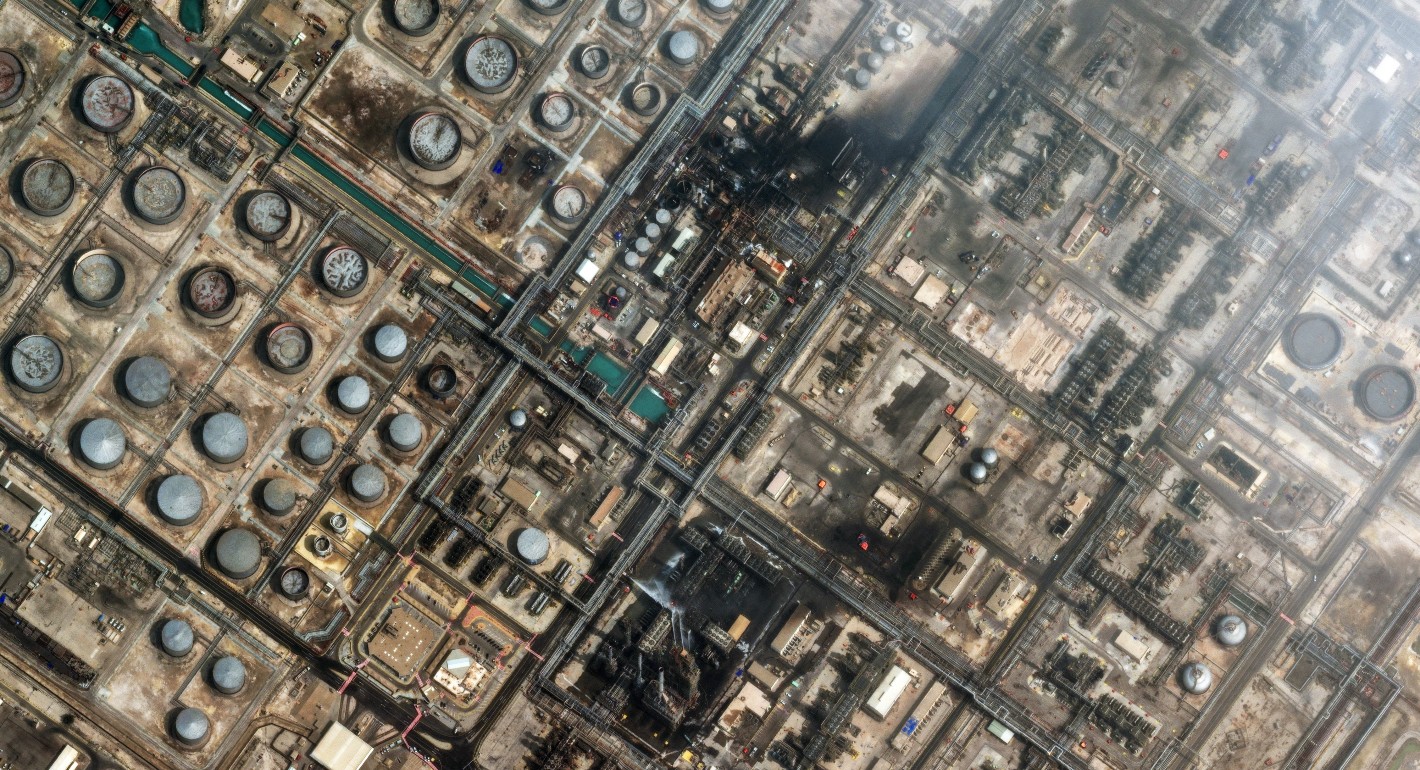
Tehran’s attacks are reshaping the security situation in the Middle East—and forcing the region’s clock to tick backward once again.

Amr Hamzawy
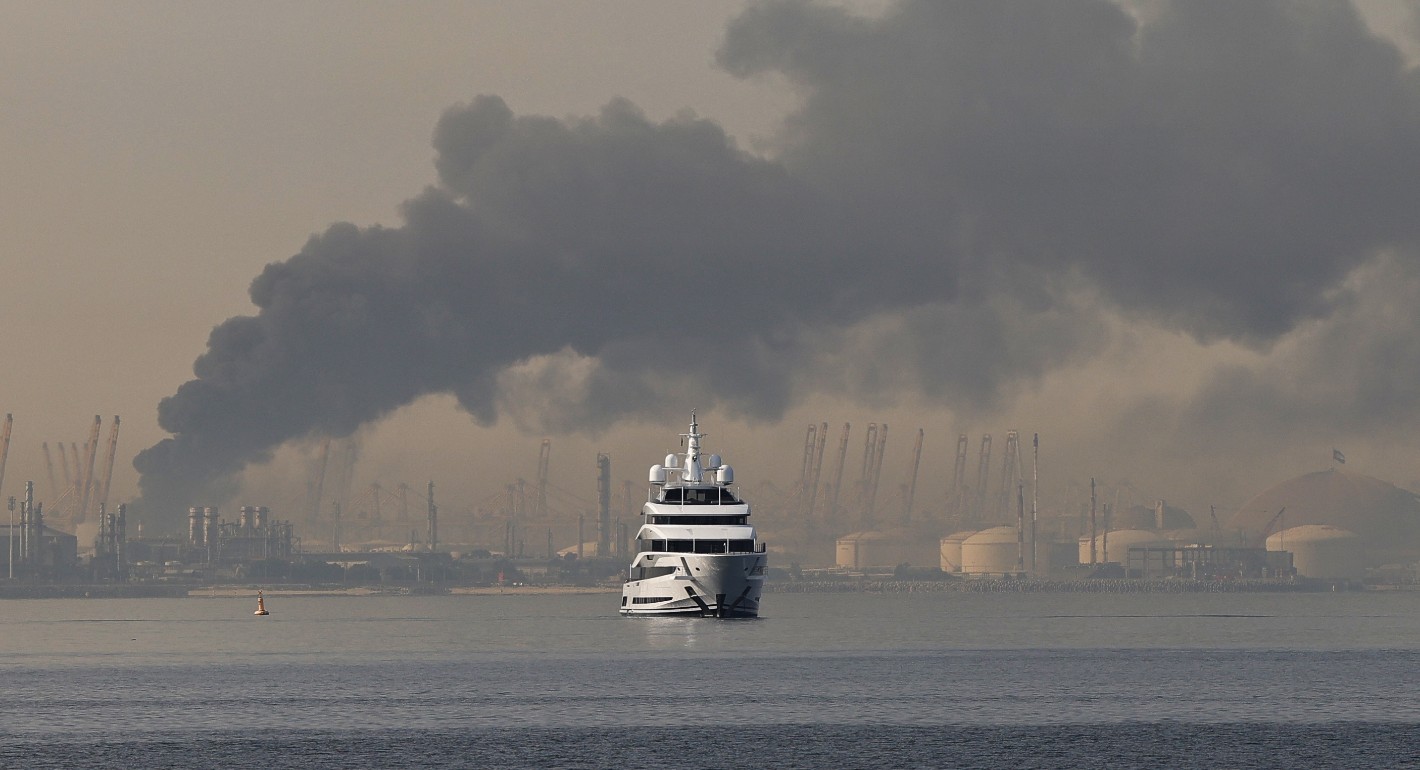
Only collective security can protect fragile economic models.

Andrew Leber
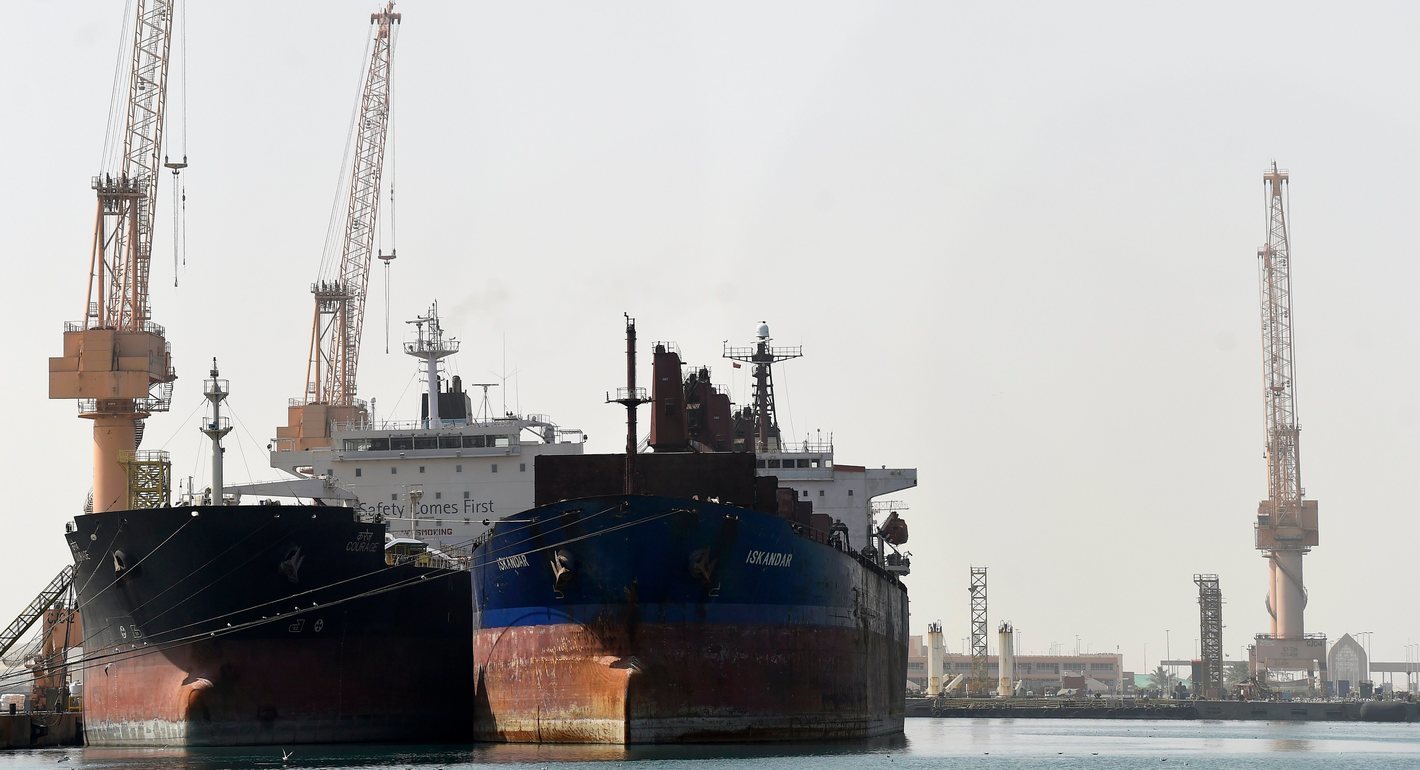
In a volatile Middle East, the Omani port of Duqm offers stability, neutrality, and opportunity. Could this hidden port become the ultimate safe harbor for global trade?
Giorgio Cafiero, Samuel Ramani

Europe’s reaction to the war in Iran has been disunited and meek, a far cry from its previously leading role in diplomacy with Tehran. To avoid being condemned to the sidelines while escalation continues, Brussels needs to stand up for international law.

Pierre Vimont
In 2021, the U.S. government began to consider how to address climate migration. The outcomes of that process offer useful takeaways for other governments.
Jennifer DeCesaro