

Commentary
With the growth in points of friction between the great powers, organizations like the SCO will continue to play a role in the strategic adaptation of the smaller powers caught between them.
Temur Umarov
{
  "authors": [
    "Nina Poussenkova"
  ],
  "type": "other",
  "centerAffiliationAll": "dc",
  "centers": [
    "Carnegie Endowment for International Peace"
  ],
  "collections": [],
  "englishNewsletterAll": "ctw",
  "nonEnglishNewsletterAll": "",
  "primaryCenter": "Carnegie Endowment for International Peace",
  "programAffiliation": "russia",
  "programs": [
    "Russia and Eurasia"
  ],
  "projects": [],
  "regions": [
    "Caucasus",
    "Russia"
  ],
  "topics": [
    "Economy"
  ]
}
REQUIRED IMAGE
Click on icon above for the full text.
This paper was written for the joint James A. Baker III Institute for Public Policy/Japan Petrolium Energy Center Policy report, The Changing Role of National Oil Companies in International Energy Markets, published by the James A. Baker III Institute for Public Policy.
Click here to read full report. Click here to read more NOC case studies and related research.
Nina Poussenkova

With the growth in points of friction between the great powers, organizations like the SCO will continue to play a role in the strategic adaptation of the smaller powers caught between them.

Temur Umarov
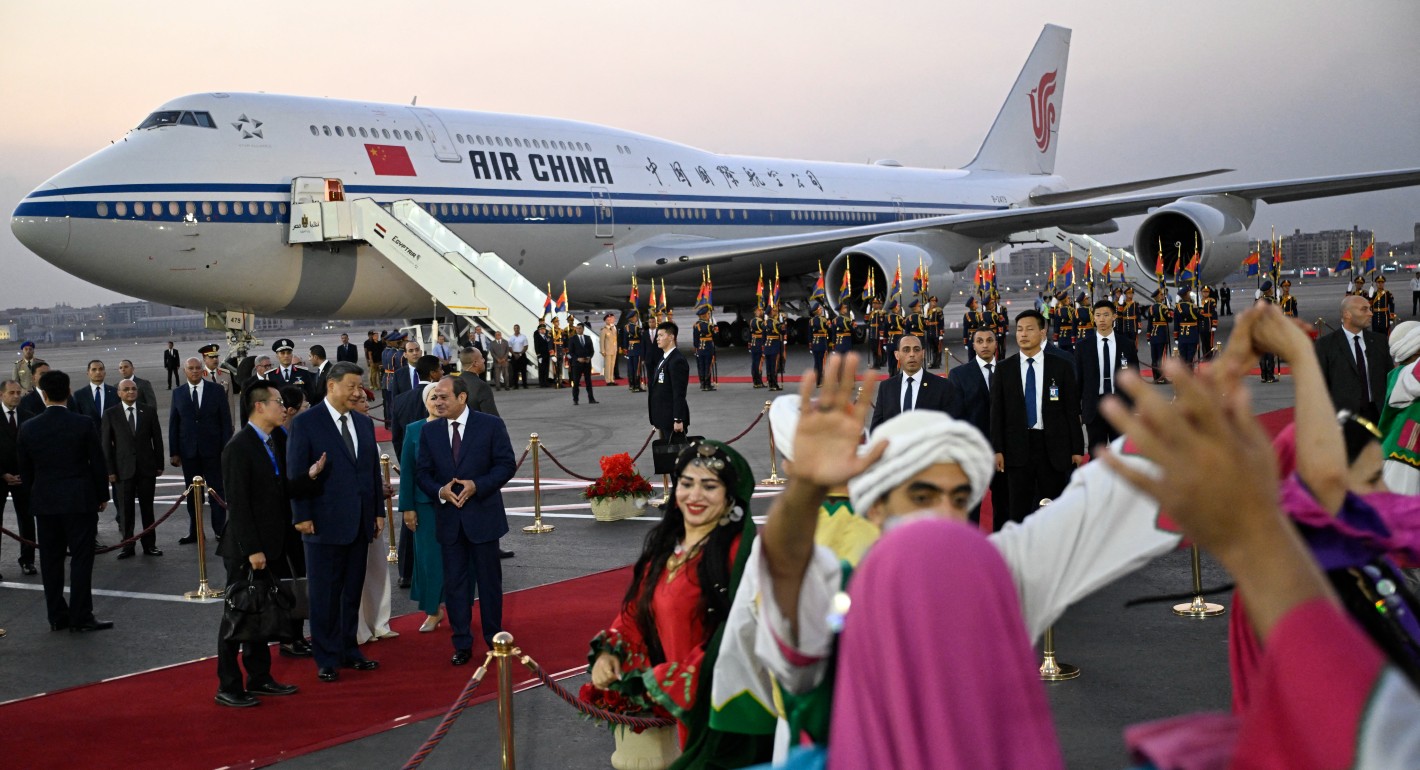
Amid celebrations of bilateral ties was a deeper focus on stability in the Middle East.

Amr Hamzawy
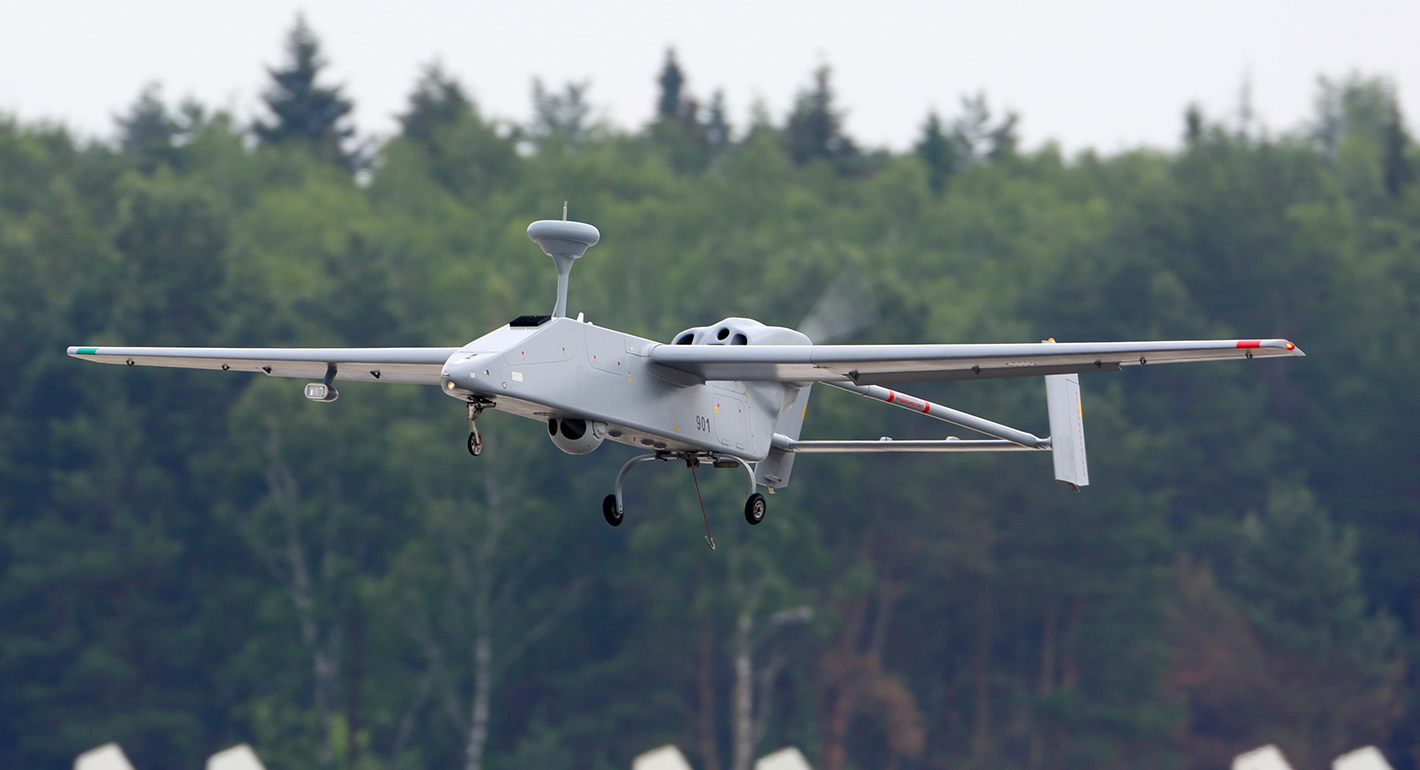
Moscow is testing Europe’s defenses with drone incursions and could decide to use drones against the continent on a much larger scale once the war in Ukraine pauses. European countries will need Kyiv to help them prepare for such a possibility.

Pavlo Zvenyhorodskyi

The war in Ukraine and a change in ownership led VK to neglect its commercial ventures in favor of implementing the Kremlin’s online agenda. Now it’s been sanctioned by the EU.

Maria Kolomychenko

Xi, Putin, and other regional leaders are back-slapping in Bishkek, but the SCO has yet to answer the most serious questions about continental Asia's economic future.

Evan A. Feigenbaum