

Commentary
Sufyan Alissa
{
  "authors": [
    "Sufyan Alissa"
  ],
  "type": "legacyinthemedia",
  "centerAffiliationAll": "dc",
  "centers": [
    "Carnegie Endowment for International Peace",
    "Malcolm H. Kerr Carnegie Middle East Center"
  ],
  "collections": [],
  "englishNewsletterAll": "menaTransitions",
  "nonEnglishNewsletterAll": "",
  "primaryCenter": "Malcolm H. Kerr Carnegie Middle East Center",
  "programAffiliation": "MEP",
  "programs": [
    "Middle East"
  ],
  "projects": [],
  "regions": [
    "Middle East",
    "North Africa"
  ],
  "topics": [
    "Political Reform",
    "Economy",
    "Trade"
  ]
}
Source: Getty
Economic reform measures in the region have had many flaws. Nowhere have they been part of a comprehensive economic plan that coordinated with social policies and different economic sectors. Nowhere have they been sustained. The reform process suffers from lack of consensus around the meaning and ramifications of reform among key national stakeholders.
Source: The Daily Star

Debate with the state over economic reform, if any, is generally limited to major private sector actors who are often close to the regime or part of it. This debate is centered on the costs and benefits to these actors. The majority of the private sector, represented by small and medium enterprises (SMEs), and members of civil society, especially workers and grassroots organizations, is excluded from the debate over economic reform strategy.
In addition, reform programs have neglected the role of institutions in economic development, targeting instead government spending, market conditions, and ownership of resources. Yet in the experience of many developing and developed countries, it was strong institutions that provided the underpinning for successful economic reform and sustainable growth. Growing awareness of that fact has led to adjustments in the reform process in some Arab countries in the late 1990s and early 21st century, to include more attention to good governance, an effective judiciary, corporate governance, and other institutional issues; but much work still needs to be done.
In its recently published report on "Doing Business 2008," the World Bank highlights the fact that Arab countries lag behind many other regions of the developing and developed world in creating a healthy, enabling environment for business. The report indicates that despite granting Egypt the title of top reformer of the year, it still ranks very low among other countries (127th out of 178). Although there is significant progress in some countries like Saudi Arabia which ranks 23rd, the position of other countries in the region has significantly worsened in recent years. Jordan, for example, ranks 80th, compared with 78th in 2007 and 73rd in 2006. Other countries in the region also hold positions at the lower end of the rankings, including Mauritania (157th), Sudan (143rd) and Syria (137th).
The reform experience indicates that the region needs to invest greater efforts in building efficient, transparent and dynamic institutions in the realms of the public sector, the private sector, and civil society. Institutional transformation is necessary to promote more integrated economic reform with greater ownership and stronger ties to social policies. Healthy institutions are key to sustaining strong economic growth with equity, featuring employment expansion and a steady rise in productivity. They are also crucial in promoting social partnership between the state, the private sector, and civil society. Developing this partnership is conducive to advancing economic reform in the region more effectively, as modified institutional arrangements are crucial for developing a new social contract between the state and society that enjoys consensus among all actors.
At the state level, the region needs to develop state institutions for them to fulfill the following functions: to influence the work and efficiency of the bureaucracy, to shape politicians' behavior by punishing or rewarding certain types of behavior, through the accountability and transparency of politicians, especially high-ranking ones, and to widen the political space and participation in public life for Arab citizens.
At the private sector level, the region should rebuild its private sector institutions to make them more representative of all economic sectors. The current private sector institutions can be divided into two categories. The first includes large enterprises dominated by a narrow business elite and often close to the regime, and the second consists of the wide sector of small and medium enterprises, that provide a livelihood to major sections of the population, and many of which are part of the informal sector. Enterprises of the second category are not sufficiently represented in private sector institutions, and unlike major businesses, they have no influence on the nature and outcomes of reform efforts in the region.
Finally, the region needs to advance its civil society institutions. On the one hand, workers need to be enabled to have a stronger bargaining position vis-a-vis big business, that has been so far the main beneficiary of reform. The latest report of the International Trade Union Confederation indicates that "workers in the region still have fewer trade union rights than anywhere else in the world" In this regard, key International Labor Organization standards of freedom of association and collective bargaining should be respected. On the other hand the region should address its democracy deficit by widening the space for political activity. This requires two main steps: easing restrictions on freedom of expression, assembly and the activity of political parties; and holding regular, free and fair elections to assemblies that have actual power in the policy-making process.
Building appropriate institutions is a slow and gradual process; however, the region should avoid reliance on purely technocratic institutions. Instead, institutional development should take into consideration the legal, social, cultural, and political context of each country that influences the efficiency and dynamism of all institutions. In addition the region needs to encourage coordination between the different institutions, as institutions don't function in a vacuum. The countries of the region should start now with the challenge of institution building in order to enhance the possibility of sustainable and socially inclusive economic growth.
Sufyan Alisaa, an economist, is an associate at the Carnegie Endowment's Middle East Center in Beirut. He wrote this commentary for THE DAILY STAR.
http://www.dailystar.com.lb/article.asp?edition_id=10&categ_id=5&article_id=86218
Former Associate, Middle East Center
Recent Work
Sufyan Alissa
Carnegie does not take institutional positions on public policy issues; the views represented herein are those of the author(s) and do not necessarily reflect the views of Carnegie, its staff, or its trustees.
As the Iran war shocks oil prices, countries that have invested in renewables, EVs, and battery development since the 2022 Russian invasion of Ukraine are seeing the value of their investments.
Noah Gordon
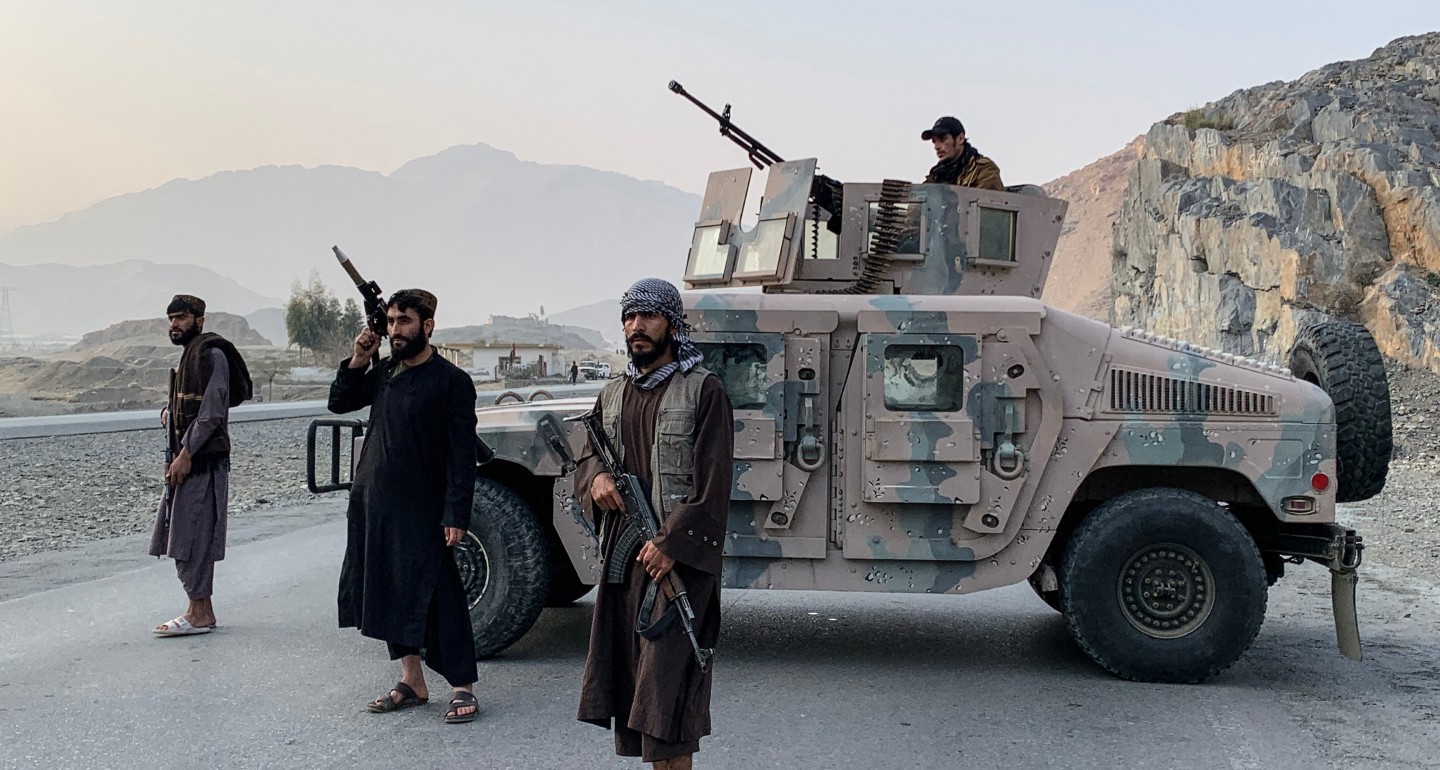
Not only does the fighting jeopardize regional security, it undermines Russian attempts to promote alternatives to the Western-dominated world order.

Ruslan Suleymanov
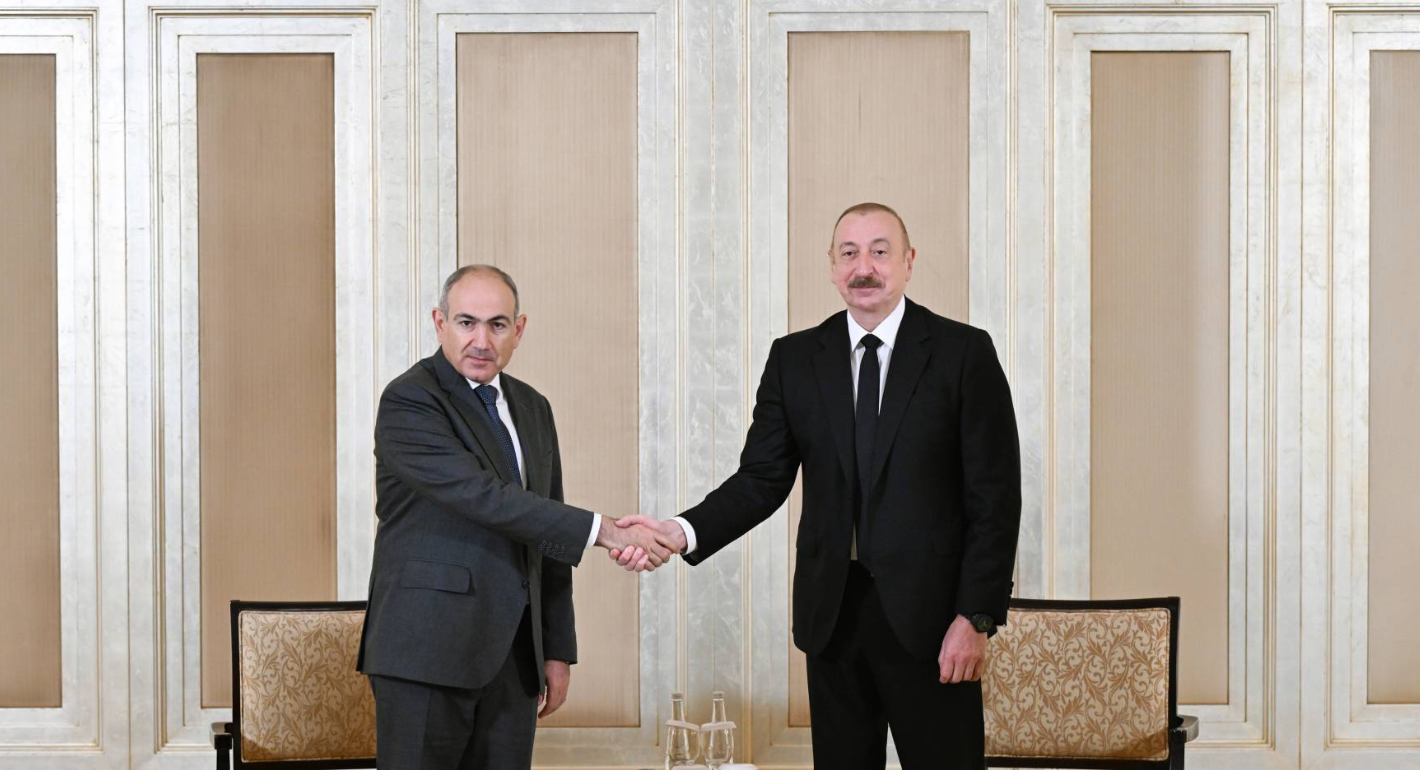
The U.S.-sponsored TRIPP deal is driving the Armenia-Azerbaijan peace process forward. But foreign and domestic hurdles remain before connectivity and economic interdependence can open up the South Caucasus.



Thomas de Waal, Areg Kochinyan, Zaur Shiriyev
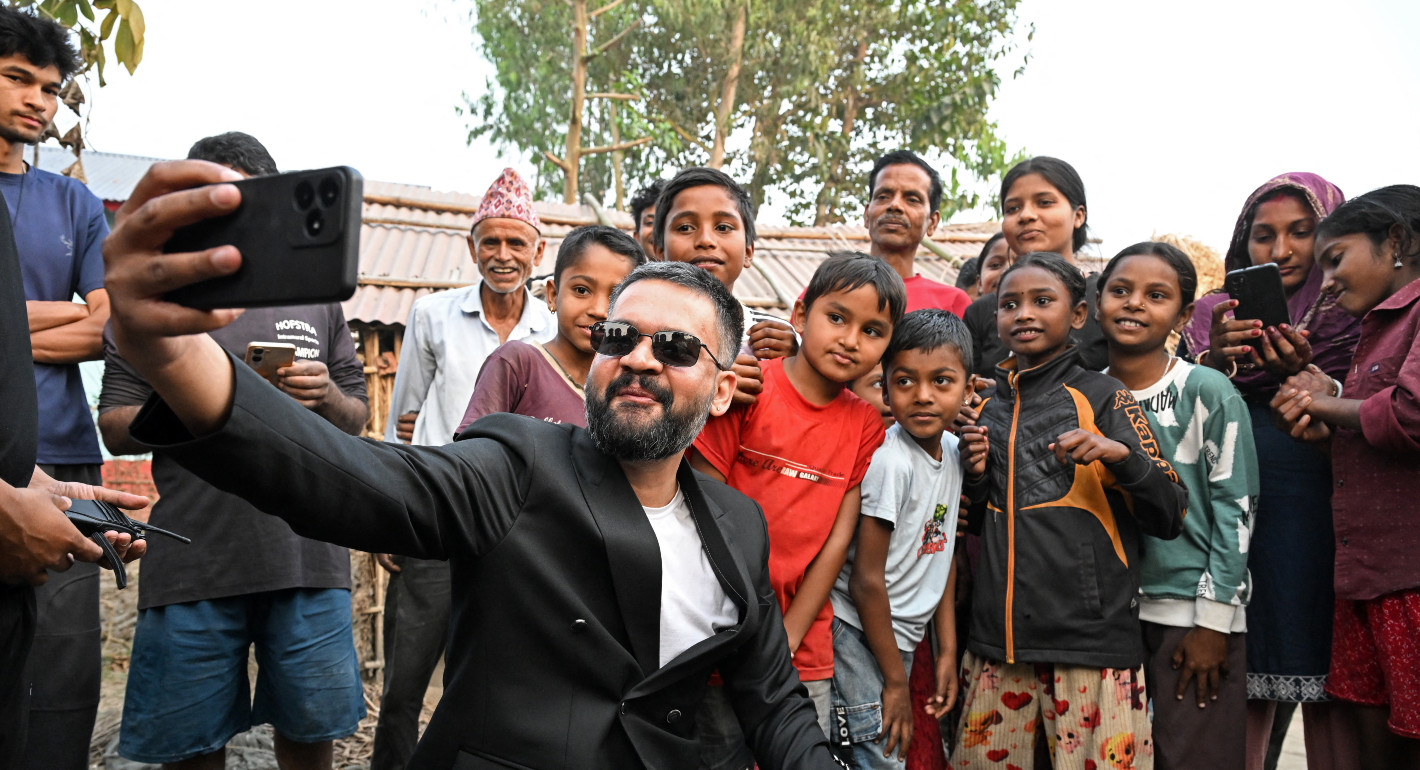
The incoming government has swept Nepal’s election. The real work begins now.
Amish Raj Mulmi

Assessing U.S. compliance with the international laws of war is essential at a time when these frameworks are already fraying.

Federica D’Alessandra