

Commentary
Russian strikes are weakening the economy sustaining Ukraine’s war effort. Closing the growing funding gap will require more European support and politically contentious reforms in Kyiv.
Balázs Jarábik
{
  "authors": [],
  "type": "pressRelease",
  "centerAffiliationAll": "",
  "centers": [
    "Carnegie Endowment for International Peace"
  ],
  "collections": [],
  "englishNewsletterAll": "",
  "nonEnglishNewsletterAll": "",
  "primaryCenter": "Carnegie Endowment for International Peace",
  "programAffiliation": "",
  "programs": [],
  "projects": [],
  "regions": [
    "North America",
    "China"
  ],
  "topics": [
    "Economy",
    "Trade"
  ]
}
REQUIRED IMAGE
In a new policy outlook, Sandra Polaski re-examines conventional wisdom about rising food prices, their impact on global poverty, and how trade policy should respond. She finds it is largely wrong.
WASHINGTON, May 22—A new analysis of rising food prices finds that although many of the world’s poor will require urgent assistance, more are likely to gain than lose. It also recommends how the Doha Round negotiations, which might soon produce a deal, could help by:
In a new policy outlook, Rising Food Prices, Poverty, and the Doha Round, Sandra Polaski re-examines conventional wisdom about rising food prices, their impact on global poverty, and how trade policy should respond. She finds it is largely wrong.
Polaski reviews the causes of high food prices that are susceptible to action by governments, including several that grew out of past policy mistakes. She then presents recent evidence on how food prices affect the poor.
Polaski points out that all sophisticated models of the Doha Round conclude that it would raise food prices modestly, but she argues that a carefully crafted agreement could nonetheless play a positive role in improving global food security and reducing future hunger and poverty. However, proper diagnosis of the problem will be required to avoid counterproductive measures that could have disastrous results.
Key Conclusions:
###

Carnegie does not take institutional positions on public policy issues; the views represented herein are those of the author(s) and do not necessarily reflect the views of Carnegie, its staff, or its trustees.

Russian strikes are weakening the economy sustaining Ukraine’s war effort. Closing the growing funding gap will require more European support and politically contentious reforms in Kyiv.

Balázs Jarábik

While the EU and European governments are embracing the much-lauded middle-power moment, this entails three difficult conundrums.

Richard Youngs

Europe is facing rising populism internally as well as external pressures from Russia, China, Turkey, and the United States.

Dimitar Bechev

Much has been said of the changes Brussels is trying to make to the EU enlargement process. Here’s why gradual integration might—or might not—be the answer.
Dimitar Bechev
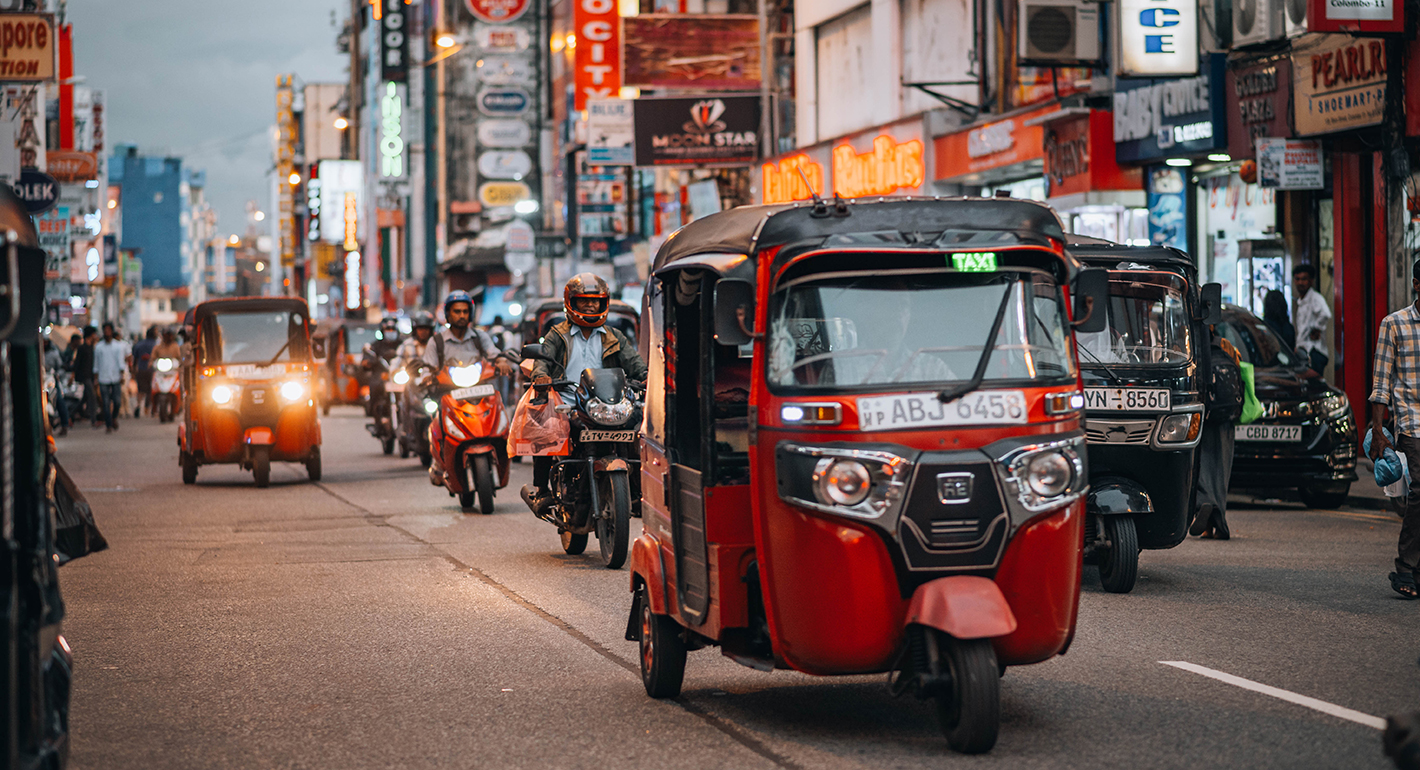
Economic recovery has brought Sri Lanka a modicum of stability, but domestic strains and great-power rivalry could test how long it lasts.

Avinash Paliwal