• Research
  • Emissary
  • About
  • Experts
Carnegie Global logoCarnegie lettermark logo
DemocracyIran
  • Donate
{
  "authors": [
    "Eduardo Zepeda"
  ],
  "type": "legacyinthemedia",
  "centerAffiliationAll": "",
  "centers": [
    "Carnegie Endowment for International Peace"
  ],
  "collections": [],
  "englishNewsletterAll": "",
  "nonEnglishNewsletterAll": "",
  "primaryCenter": "Carnegie Endowment for International Peace",
  "programAffiliation": "",
  "programs": [],
  "projects": [],
  "regions": [
    "North America",
    "South America"
  ],
  "topics": [
    "Economy"
  ]
}
Source: Getty

In The Media

Learning from the Past: Mexico's Failed Pro-Market Policy Experience

Mainstream economic policies in Mexico managed to generate growth that proved neither pro-poor nor sustained. The Mexican experience shows the need to leave behind the blind faith in market forces and embrace employment-based policies.

Link Copied
By Eduardo Zepeda
Published on Dec 1, 2008

Source: Poverty in Focus

Eduardo Zepeda, Senior Associate at Carnegie, assesses the extent to which reforms undertaken by the Mexican government following the recommendations of the Washington Consensus helped to improve labor outcomes.  

Zepeda argues that while trade liberalization, the enactment of NAFTA, the promotion of export-oriented factories did create some jobs, the overall economic strategy had only weak labor results in general and specifically failed to increase unskilled workers’ earnings. Zepeda urges the rejection of a singular reliance on free market forces to create employment and improve income distribution.  Instead, he recommends adopting employment-based development strategies as the viable alternative to generate pro-poor growth.
 

 To view the entire December 2008 edition of Poverty in Focus:
http://www.undp-povertycentre.org/pub/IPCPovertyInFocus16.pdf
 

About the Author

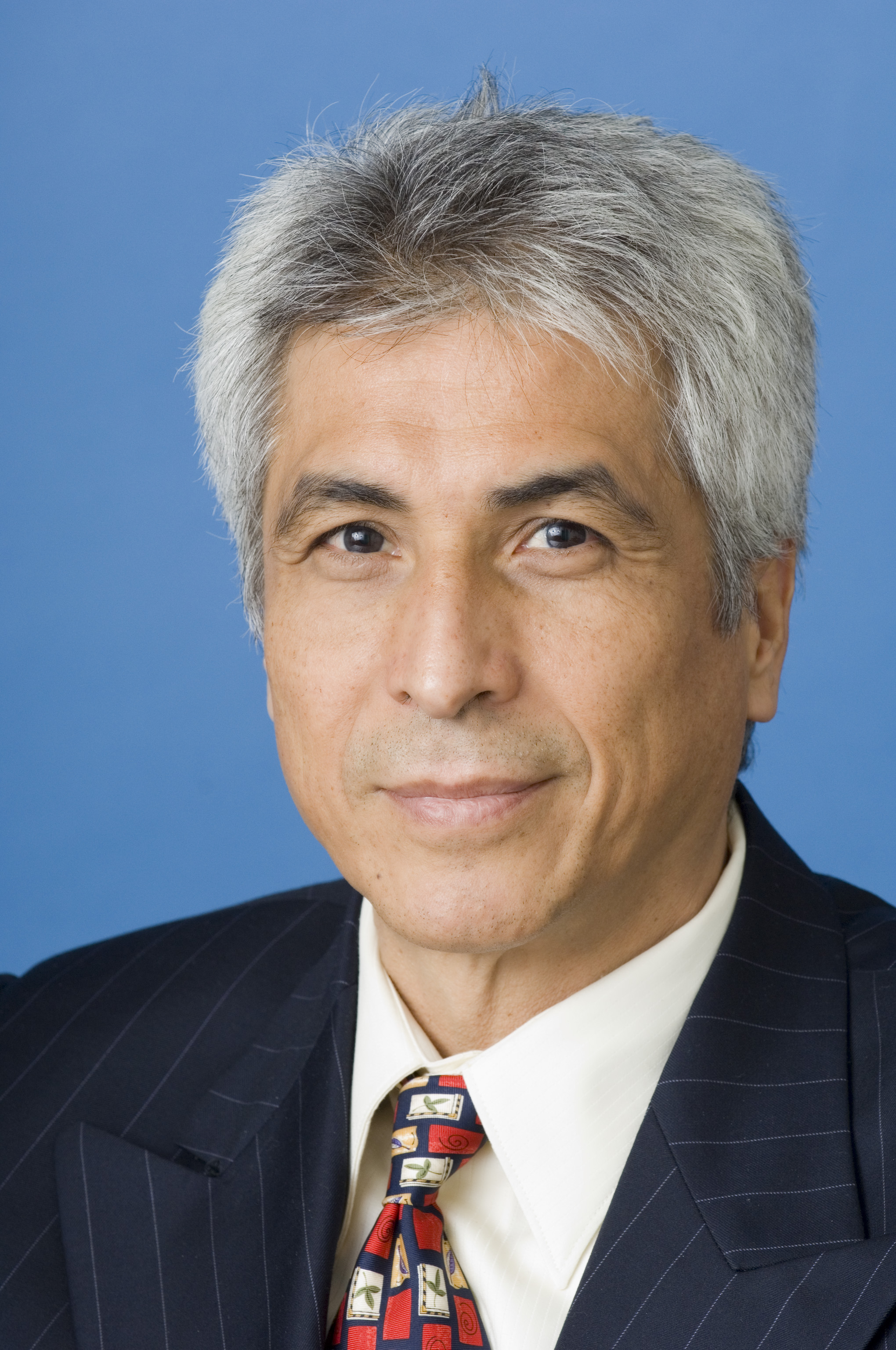
Eduardo Zepeda

Former Senior Associate, Trade, Equity and Development Program

Zepeda is inter-regional policy coordinator of the Development Policy and Analysis Division, Department of Economic and Social Affairs at the United Nations General Secretariat. He was previously a senior associate in the Trade, Equity, and Development Program at the Carnegie Endowment for International Peace.

    Recent Work

  • Report
    Employing India: Guaranteeing Jobs for the Rural Poor
      • +2

      Eduardo Zepeda, Scott McDonald, Manoj Panda, …

  • Other
    Rethinking Trade Policy for Development: Lessons From Mexico Under NAFTA

      Eduardo Zepeda, Timothy A. Wise, Kevin P. Gallagher

Eduardo Zepeda
Former Senior Associate, Trade, Equity and Development Program
Eduardo Zepeda
EconomyNorth AmericaSouth America

Carnegie does not take institutional positions on public policy issues; the views represented herein are those of the author(s) and do not necessarily reflect the views of Carnegie, its staff, or its trustees.
More Work from Carnegie Endowment for International Peace

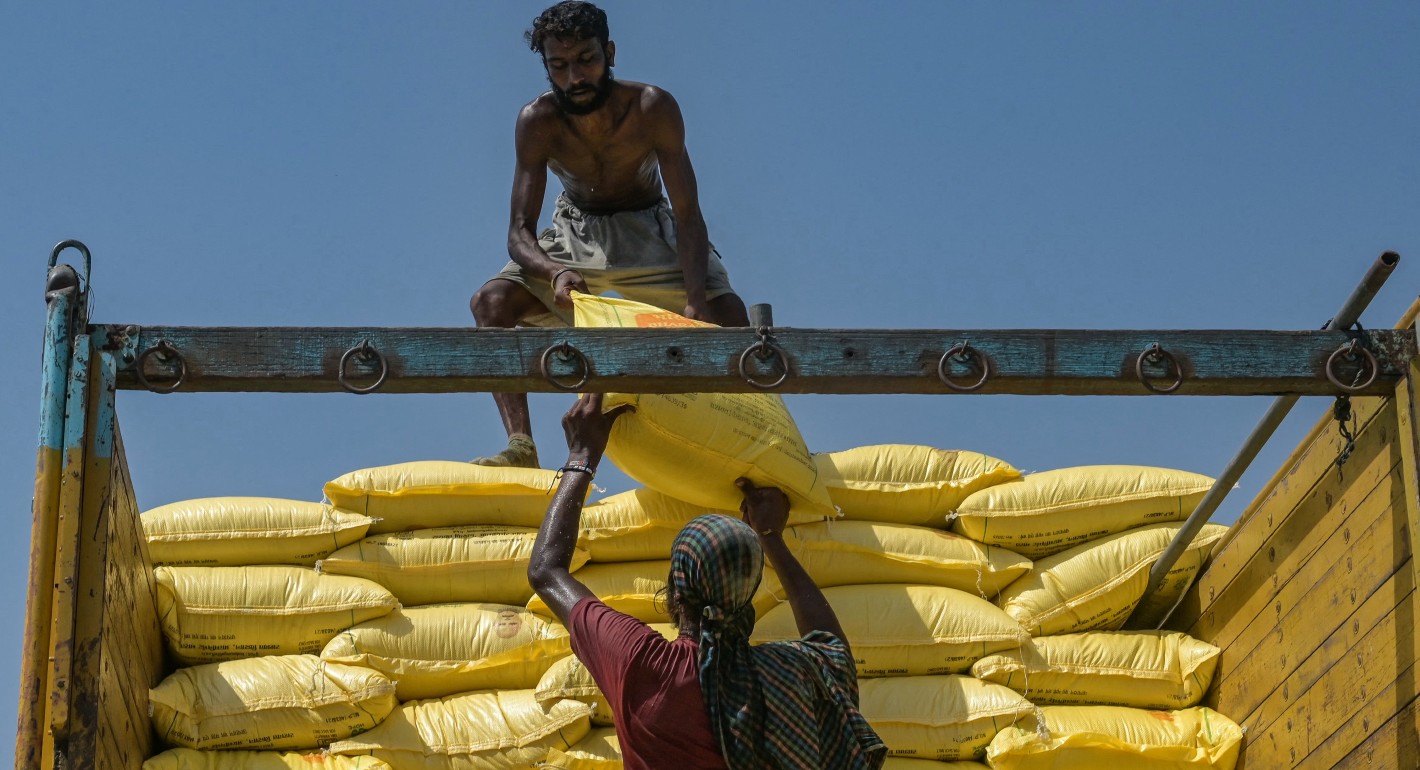
  • One man tossing a sack to another to stack on a truck
    Commentary
    Emissary
    The Other Global Crisis Stemming From the Strait of Hormuz’s Blockage

    Even if the Iran war stops, restarting production and transport for fertilizers and their components could take weeks—at a crucial moment for planting.
      • Noah  Gordon ​​​​

      Noah Gordon, Lucy Corthell

  • Satellite of a damaged oil refinery
    Commentary
    Emissary
    Iran Is Pushing Its Neighbors Toward the United States

    Tehran’s attacks are reshaping the security situation in the Middle East—and forcing the region’s clock to tick backward once again.

      Amr Hamzawy
  • A boat, with smoke in the background
    Commentary
    Emissary
    The Gulf Monarchies Are Caught Between Iran’s Desperation and the U.S.’s Recklessness

    Only collective security can protect fragile economic models.

      • Andrew Leber

      Andrew Leber

  • Commentary
    Sada
    Duqm at the Crossroads: Oman’s Strategic Port and Its Role in Vision 2040

    In a volatile Middle East, the Omani port of Duqm offers stability, neutrality, and opportunity. Could this hidden port become the ultimate safe harbor for global trade?

      Giorgio Cafiero, Samuel Ramani
  • Forbidden City on a cloudy day
    Commentary
    Emissary
    Beijing Doesn’t Think Like Washington—and the Iran Conflict Shows Why

    Arguing that Chinese policy is hung on alliances—with imputations of obligation—misses the point. 

      Evan A. Feigenbaum

Get more news and analysis from
Carnegie Endowment for International Peace
Carnegie global logo, stacked
1779 Massachusetts Avenue NWWashington, DC, 20036-2103Phone: 202 483 7600Fax: 202 483 1840
  • Research
  • Emissary
  • About
  • Experts
  • Donate
  • Programs
  • Events
  • Blogs
  • Podcasts
  • Contact
  • Annual Reports
  • Careers
  • Privacy
  • For Media
  • Government Resources
Get more news and analysis from
Carnegie Endowment for International Peace
© 2026 Carnegie Endowment for International Peace. All rights reserved.