

Q&A
Suzanne Maloney, Aaron David Miller, Karim Sadjadpour
{
  "authors": [
    "Karim Sadjadpour"
  ],
  "type": "legacyinthemedia",
  "centerAffiliationAll": "dc",
  "centers": [
    "Carnegie Endowment for International Peace"
  ],
  "collections": [],
  "englishNewsletterAll": "menaTransitions",
  "nonEnglishNewsletterAll": "",
  "primaryCenter": "Carnegie Endowment for International Peace",
  "programAffiliation": "MEP",
  "programs": [
    "Middle East"
  ],
  "projects": [],
  "regions": [
    "North America",
    "United States",
    "Middle East",
    "Iran"
  ],
  "topics": [
    "Foreign Policy"
  ]
}
Source: Getty
Following a one-day trial in Tehran on charges of spying, journalist Roxana Saberi was sentenced to eight years in prison by an Iranian court, a decision motivated by tensions between Iran's hard-liners and the United States.
Source: NPR's Weekend Edition Saturday

He explains that the journalist has unfortunately been "caught up in a broader contentious relationship between the United States and Iran. Whereas the Obama administration has reached a consensus that it is time to engage Iran to try to forge a new relationship with Tehran, I think within Tehran, they are very conflicted. You have hard-liners who do not represent the majority of the population or even the political elite, who stand to lose big time if there is a U.S.-Iran rapprochement. And over the last thirty years, we have seen that whenever there has been hope of confidence building, or talks, or an improvement in the relationship, they do something to try to torpedo or sabotage the dialogue. And I would put Roxana's case unfortunately in that context."

Senior Fellow, Middle East Program
Karim Sadjadpour is a senior fellow at the Carnegie Endowment for International Peace, where he focuses on Iran and U.S. foreign policy toward the Middle East.
Recent Work

Suzanne Maloney, Aaron David Miller, Karim Sadjadpour

Aaron David Miller, Karim Sadjadpour, Robin Wright
Carnegie does not take institutional positions on public policy issues; the views represented herein are those of the author(s) and do not necessarily reflect the views of Carnegie, its staff, or its trustees.
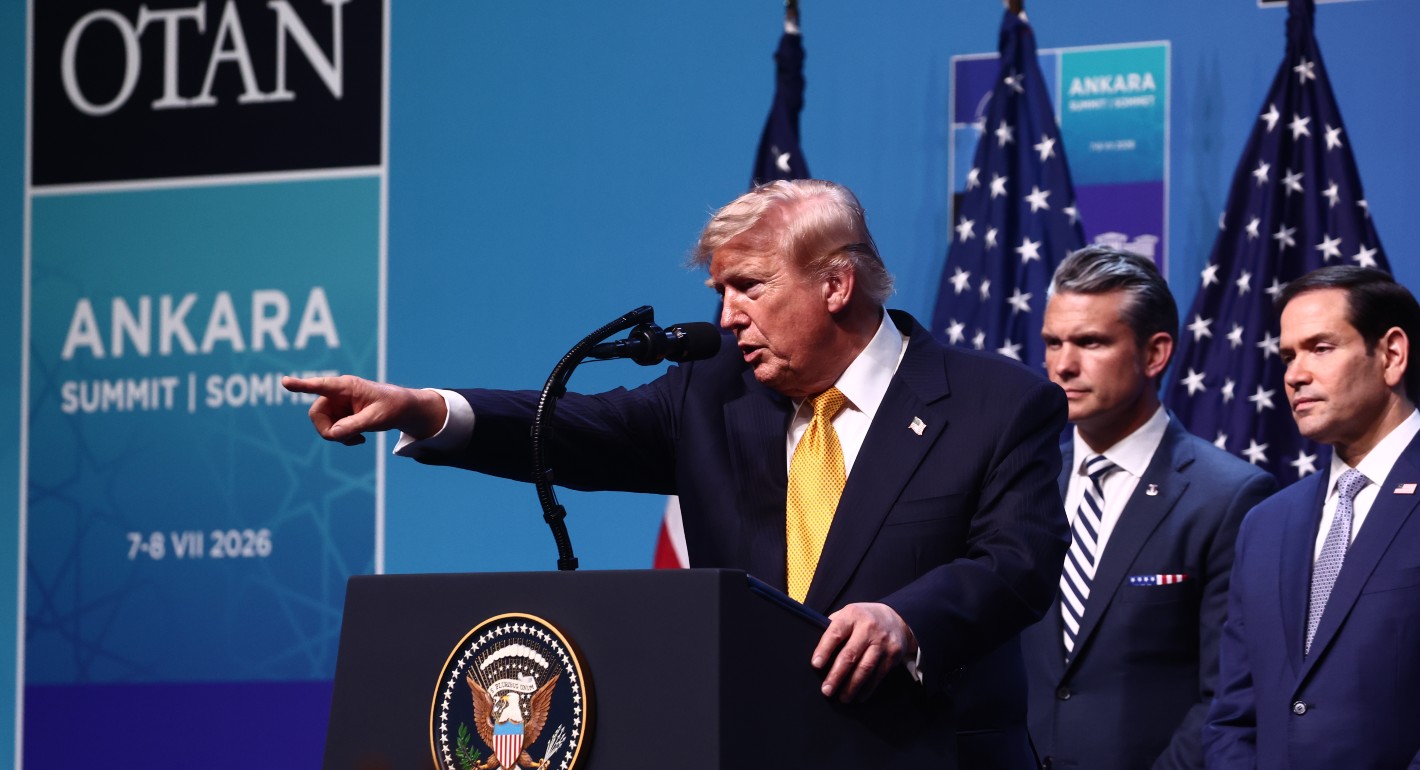
Does Donald Trump want to redraw the map of the world? Historian and geopolitical thinker Stephen Wertheim tries to parse the logic behind current American foreign policy

Stephen Wertheim
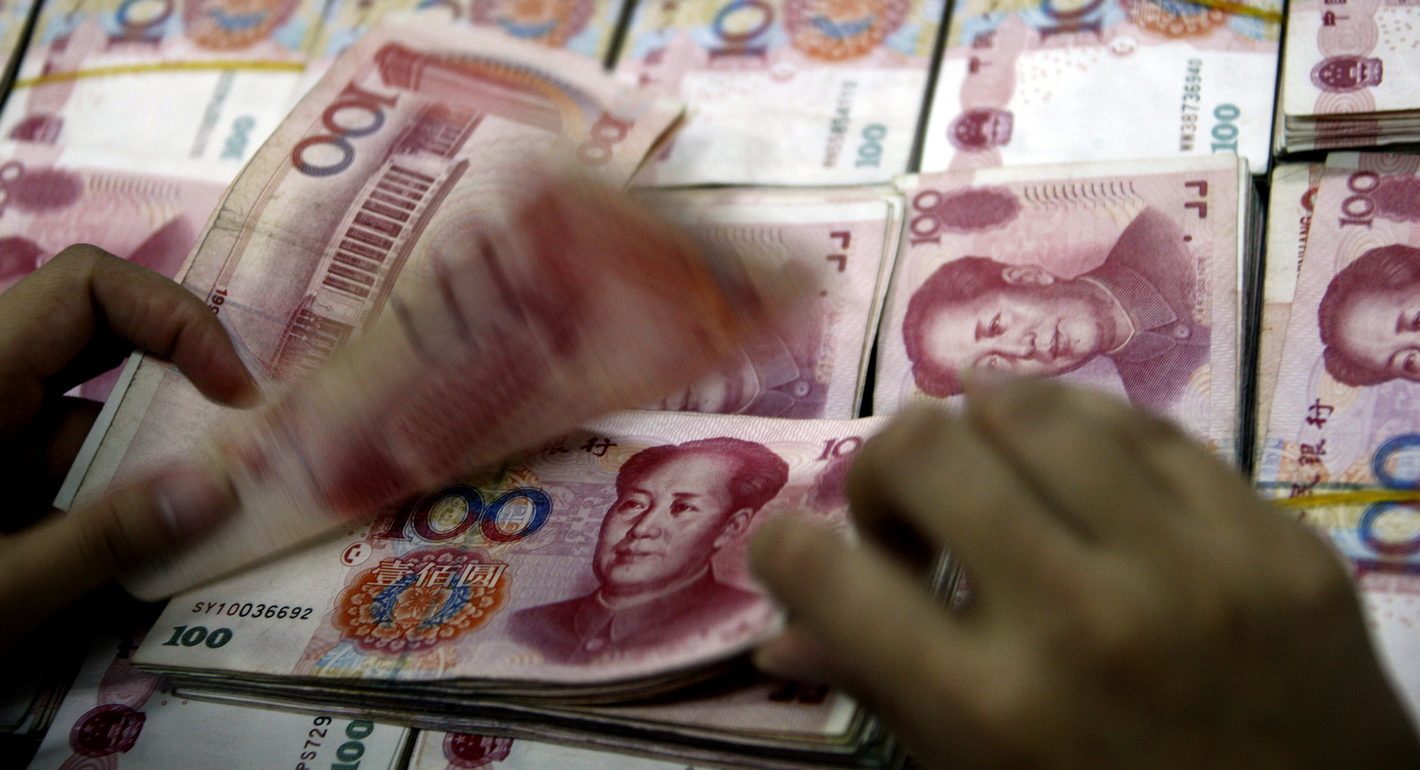
Is the Gulf moving beyond the dollar? This article examines how China is expanding the renminbi's role across Gulf markets, what that means for regional finance, and why the future of global currencies is more complex than the de-dollarization debate suggests.
Andrew Bonney
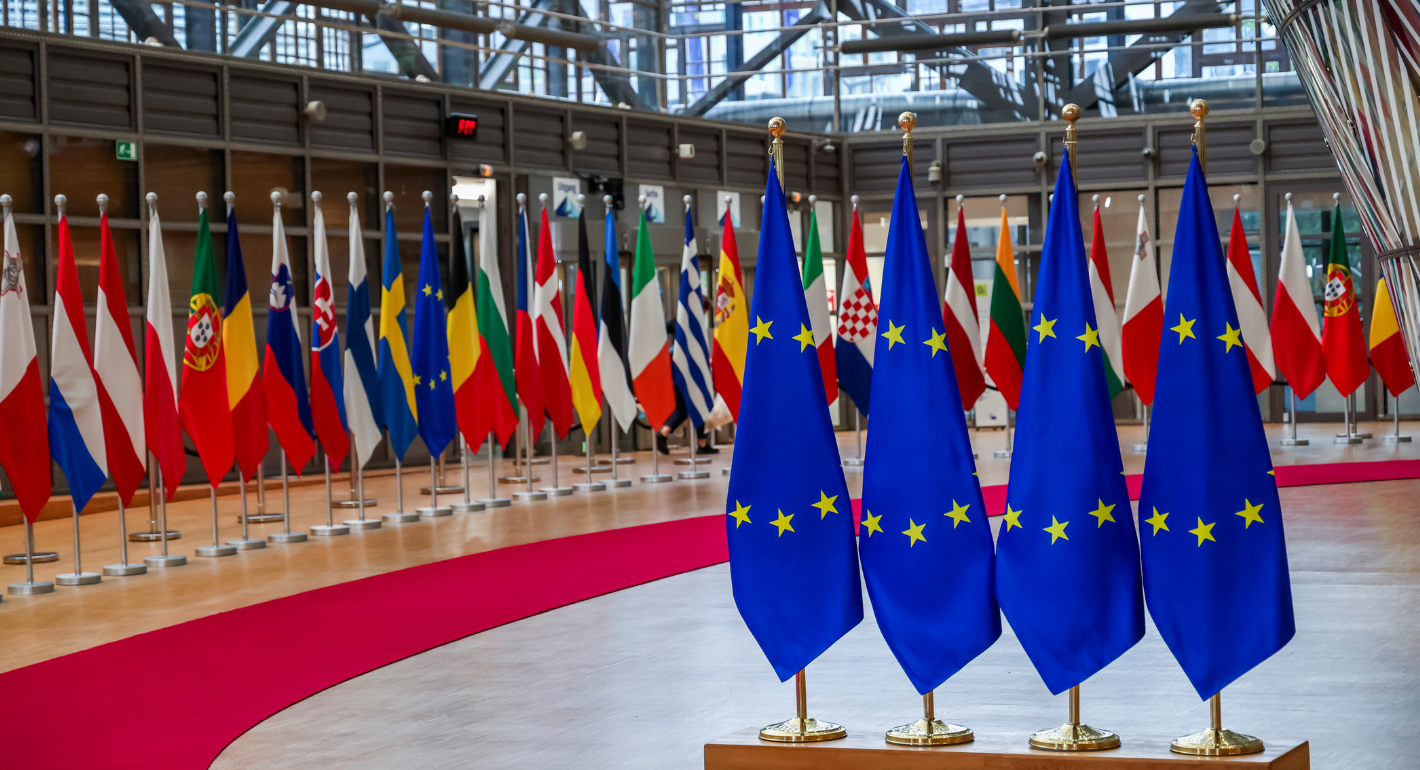
As we close out another season of Strategic Europe, it is worth taking stock of the deep shifts underway.

Rym Momtaz
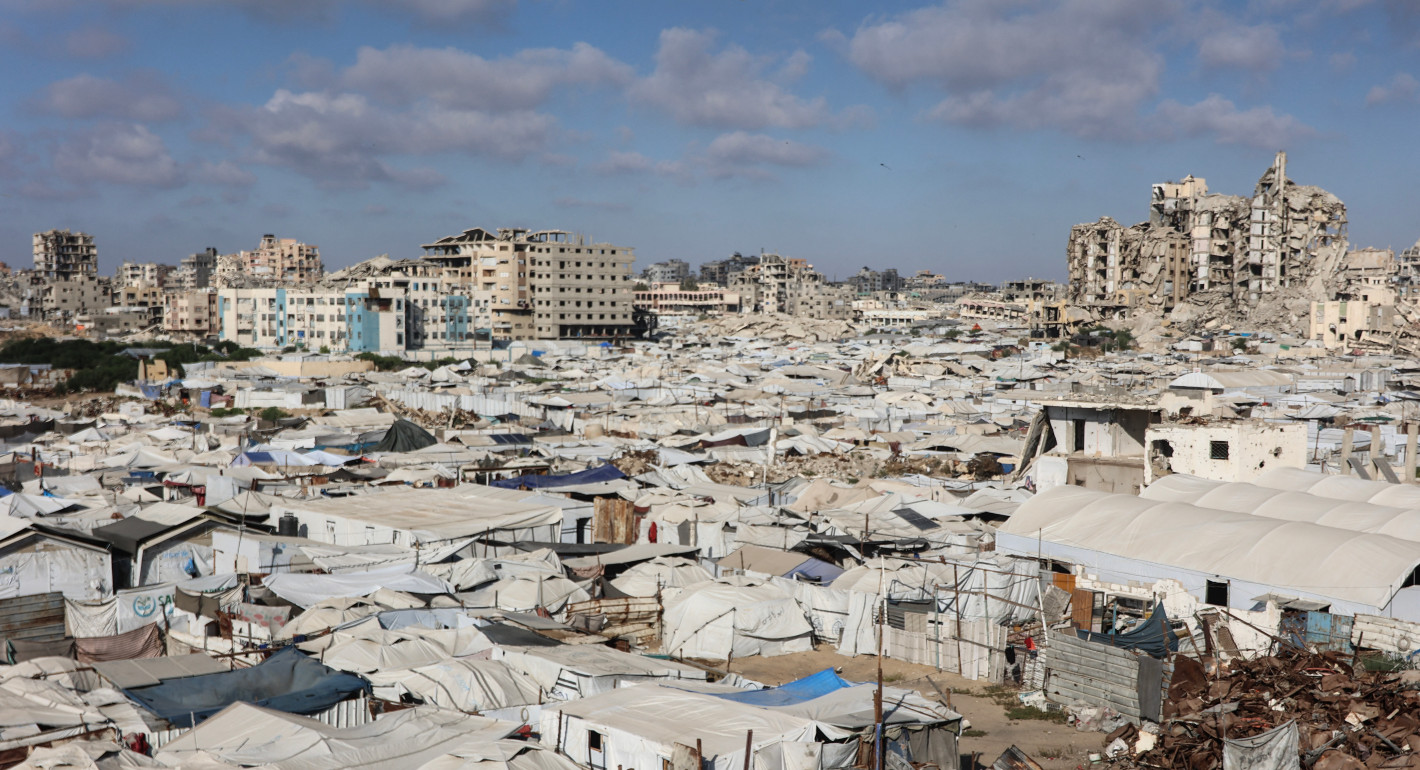
The Trump-led board has laid out blueprints for “voluntary emigration” and land confiscation.
Zaha Hassan
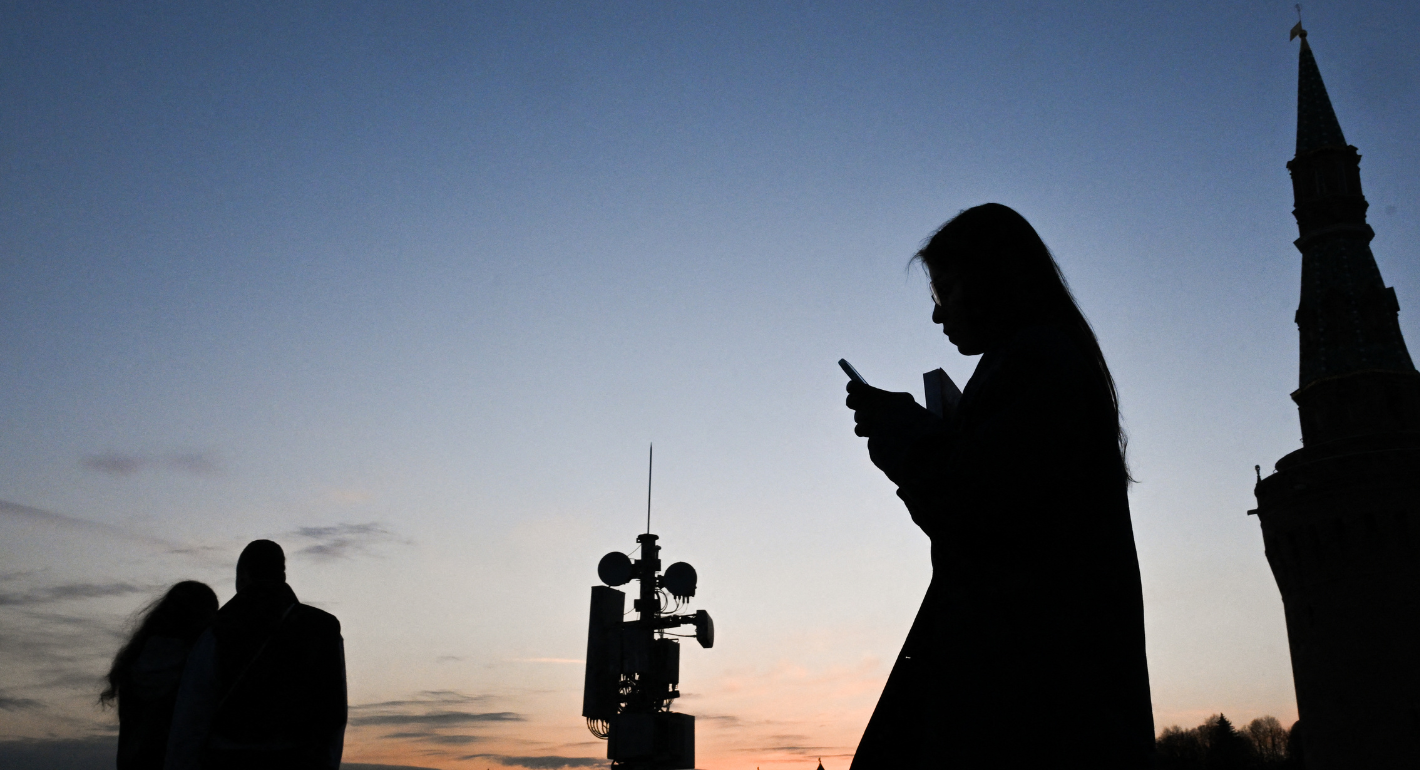
The hybrid warfare landscape is evolving rapidly, leaving policymakers without clear strategies. To better inform their work in addressing emerging challenges, governments must dig deeper into the underlying dynamics at play.

Raluca Csernatoni, Alicia Wanless