• Research
  • Emissary
  • About
  • Experts
Carnegie Global logoCarnegie lettermark logo
DemocracyIran
  • Donate
{
  "authors": [
    "Karim Sadjadpour"
  ],
  "type": "legacyinthemedia",
  "centerAffiliationAll": "dc",
  "centers": [
    "Carnegie Endowment for International Peace"
  ],
  "collections": [],
  "englishNewsletterAll": "menaTransitions",
  "nonEnglishNewsletterAll": "",
  "primaryCenter": "Carnegie Endowment for International Peace",
  "programAffiliation": "MEP",
  "programs": [
    "Middle East"
  ],
  "projects": [],
  "regions": [
    "United States",
    "Middle East",
    "Iran"
  ],
  "topics": [
    "Foreign Policy",
    "Nuclear Policy"
  ]
}
Source: Getty

In The Media

Pressure On Iran Mounts Over Nuclear Disclosure

Iran's continued resistance to cooperate with the international community on its nuclear program demonstrates the regime's intransigence, particularly in light of the Obama administration efforts to engage.

Link Copied
By Karim Sadjadpour
Published on Sep 26, 2009
Program mobile hero image

Program

Middle East

The Middle East Program in Washington combines in-depth regional knowledge with incisive comparative analysis to provide deeply informed recommendations. With expertise in the Gulf, North Africa, Iran, and Israel/Palestine, we examine crosscutting themes of political, economic, and social change in both English and Arabic.

Learn More

Source: NPR's Weekend Edition

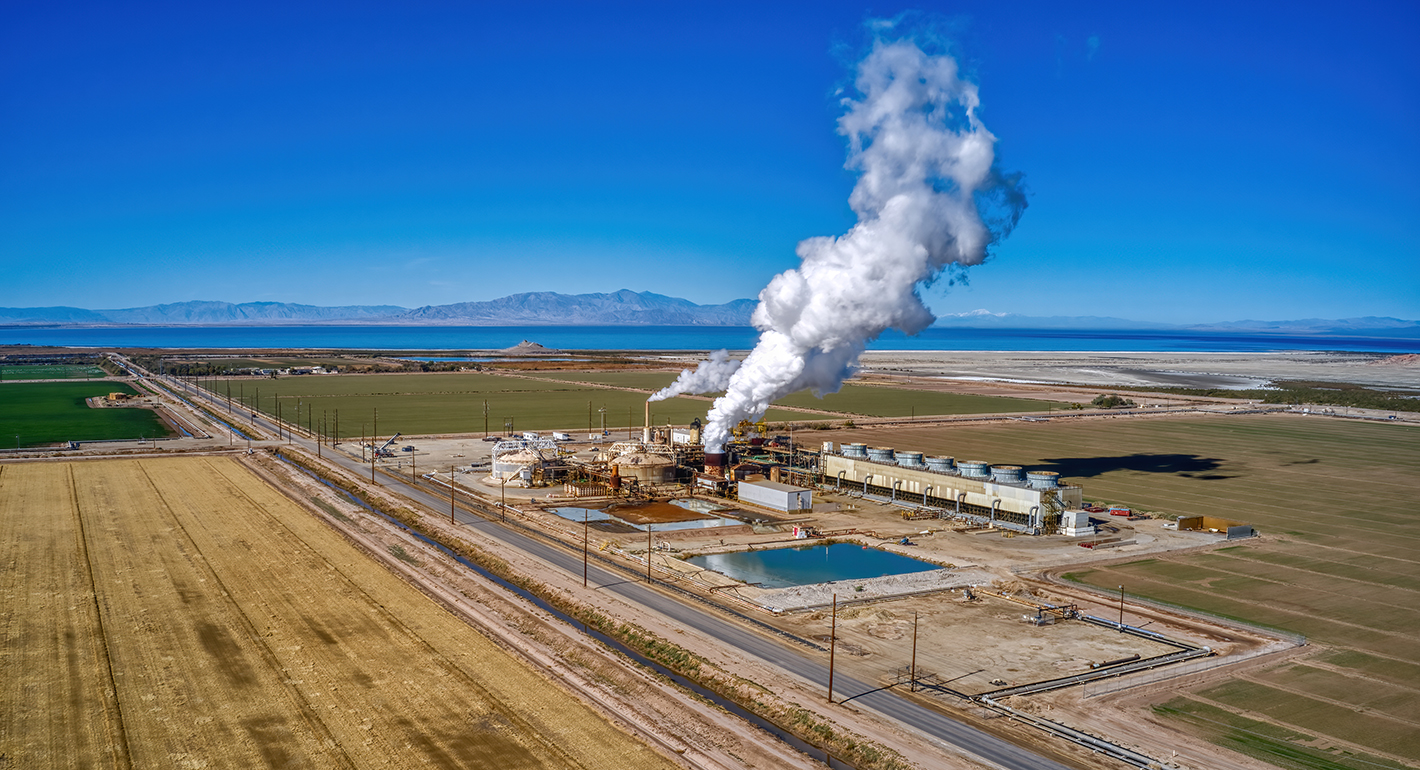
Revelations of a second nuclear facility 100 miles southwest of Tehran heightened international concerns about Iran's nuclear program. Efforts by the United States and its international partners to win concessions from the regime have failed. Karim Sadjapour believes it is becoming increasingly clear that "the world and especially the people within Iran are realizing that the unreasonable partner in this equation looks like it's the Iranians, not the Americans."

About the Author

Karim Sadjadpour

Senior Fellow, Middle East Program

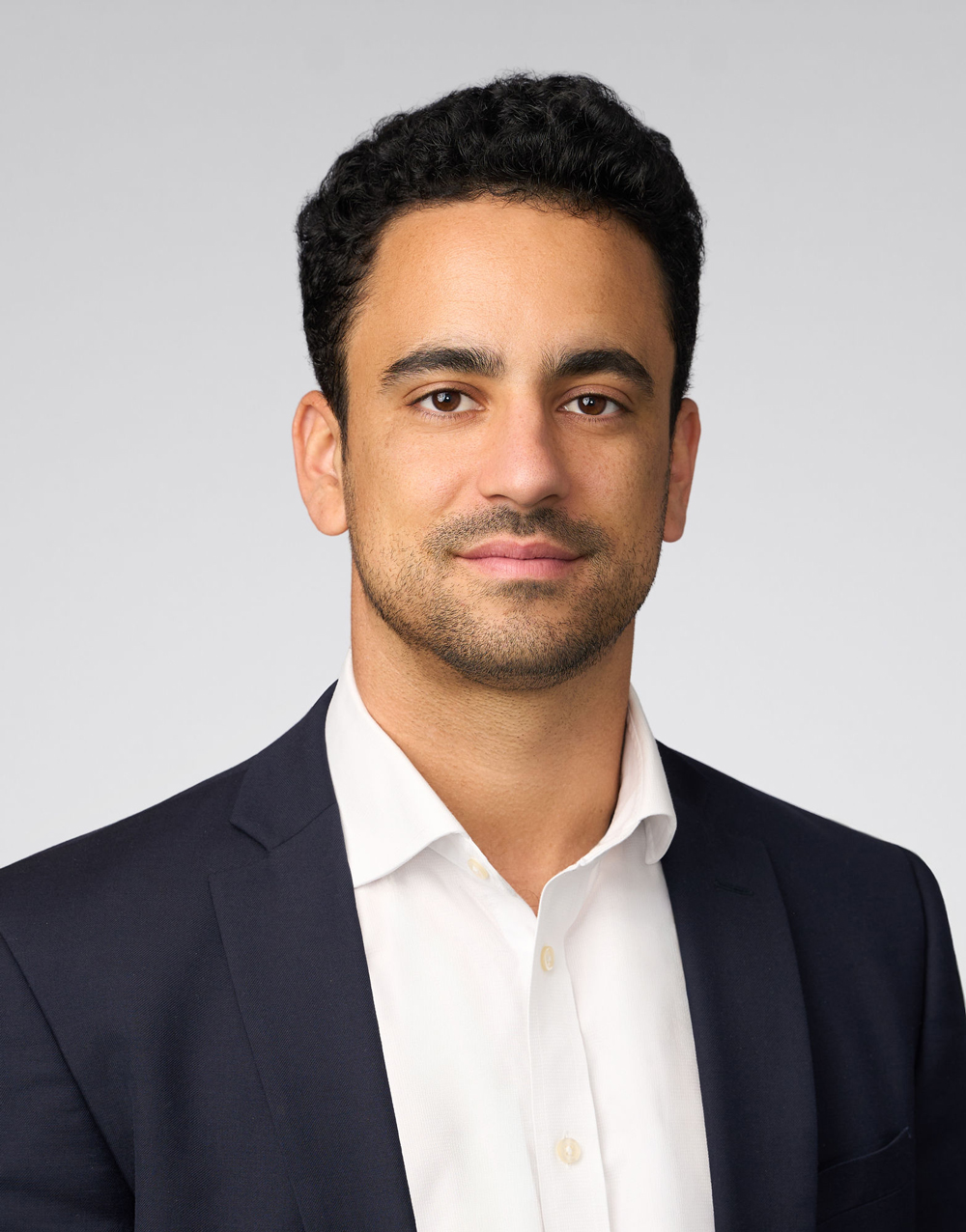
Karim Sadjadpour is a senior fellow at the Carnegie Endowment for International Peace, where he focuses on Iran and U.S. foreign policy toward the Middle East.

    Recent Work

  • Q&A
    Iran Wanted to Survive the War. Now What?

      Suzanne Maloney, Aaron David Miller, Karim Sadjadpour

  • Q&A
    What’s Keeping the Iranian Regime in Power—for Now

      Aaron David Miller, Karim Sadjadpour, Robin Wright

Karim Sadjadpour
Senior Fellow, Middle East Program
Karim Sadjadpour
Foreign PolicyNuclear PolicyUnited StatesMiddle EastIran

Carnegie does not take institutional positions on public policy issues; the views represented herein are those of the author(s) and do not necessarily reflect the views of Carnegie, its staff, or its trustees.
More Work from Carnegie Endowment for International Peace

  • An AS3 interceptor part of the Merops, an AI-powered anti-drone system is pictured during a NATO live-fire demonstration of a counter-UAS system on November 18, 2025 in Nowa Deba, Poland.
    Paper
    Confronting the Barriers to AI Diffusion in the U.S. Military

    The Pentagon is calling for a rapid AI transformation. Autonomous drones offer a case study in the eight bottlenecks the U.S. military must navigate to realize that vision.

      Jake Steckler

  • People standing on rocks in the ocean near the shore, with soldiers in the foreground
    Commentary
    Emissary
    The Migration Wave That Embarrassed Morocco and Rattled Europe

    Most migrants may have left Ceuta, but the effects may linger.

      • Alejandro Rodriguez
      • Sarah Yerkes

      Alejandro Martin Rodriguez, Sarah Yerkes

  • Supporters wave VOX and Spanish flags at the start of Patriots for Europe rally at Marriott Auditorium Hotel on February 08, 2025 in Madrid, Spain
    Paper
    How Populist Middle Powers Are—and Are Not—Reshaping Global Politics

    There is a transnational far-right populist movement that links middle powers in a global movement that extends well beyond Trump.

      • Christopher Chivvis

      Christopher S. Chivvis, Rohan Mukherjee, Milan Vaishnav

  • Commentary
    Carnegie Politika
    Russia Is Exporting Its Fuel Crisis to Central Asia

    When faced with fuel shortages in the past, Central Asian governments could always count on additional supplies from Moscow. That safety net no longer exists.

      Galiya Ibragimova

  • Shadowed figure lighting grocery store shelves
    Commentary
    Emissary
    Five Years After His Power Grab, Tunisia’s President Has Only Achieved Failure

    Saied’s main accomplishment has been to destroy a decade’s worth of democratic progress.

      • Sarah Yerkes

      Sarah Yerkes

Get more news and analysis from
Carnegie Endowment for International Peace
Carnegie global logo, stacked
1779 Massachusetts Avenue NWWashington, DC, 20036-2103Phone: 202 483 7600
  • Research
  • Emissary
  • About
  • Experts
  • Donate
  • Programs
  • Events
  • Blogs
  • Podcasts
  • Contact
  • Annual Reports
  • Careers
  • Privacy
  • For Media
  • Government Resources
Get more news and analysis from
Carnegie Endowment for International Peace
© 2026 Carnegie Endowment for International Peace. All rights reserved.