• Research
  • Emissary
  • About
  • Experts
Carnegie Global logoCarnegie lettermark logo
DemocracyIran
  • Donate
{
  "authors": [
    "Ashley J. Tellis"
  ],
  "type": "other",
  "centerAffiliationAll": "dc",
  "centers": [
    "Carnegie Endowment for International Peace"
  ],
  "collections": [],
  "englishNewsletterAll": "ctw",
  "nonEnglishNewsletterAll": "",
  "primaryCenter": "Carnegie Endowment for International Peace",
  "programAffiliation": "SAP",
  "programs": [
    "South Asia"
  ],
  "projects": [],
  "regions": [
    "North America",
    "United States",
    "South Asia",
    "India",
    "Pakistan"
  ],
  "topics": [
    "Security",
    "Foreign Policy",
    "Nuclear Policy"
  ]
}
Source: Getty

Other

The United States and India 3.0: <i>Cave! Hic Dragones</i>

The United States and India must agree on three vital security issues to ensure that their relations continue to deepen: terrorism, Kashmir, and the balance of power in Asia.

Link Copied
By Ashley J. Tellis
Published on Oct 28, 2009
Program mobile hero image

Program

South Asia

The South Asia Program informs policy debates relating to the region’s security, economy, and political development. From strategic competition in the Indo-Pacific to India’s internal dynamics and U.S. engagement with the region, the program offers in-depth, rigorous research and analysis on South Asia’s most critical challenges.

Learn More

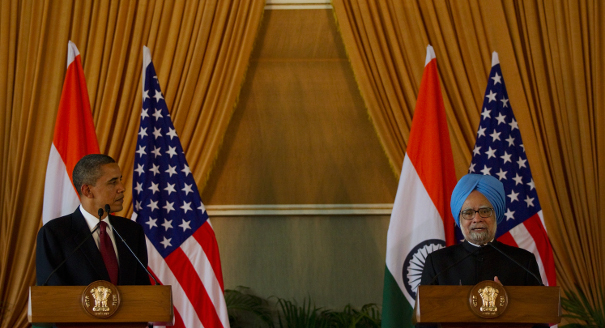
On the eve of Indian Prime Minister Manmohan Singh’s first state visit to Washington since Barack Obama took office, the United States and India must agree on three vital security issues to ensure that their relations continue to deepen: terrorism, Kashmir, and the balance of power in Asia.

U.S.–India relations are off to a strong start under President Obama following an unprecedented strengthening during the Bush administration. Secretary of State Hillary Clinton scored high points on her visit to India in July, emphasizing economic and social development, and making a number of symbolic gestures to reaffirm India’s importance to the Obama administration. But relations can only advance so far unless India is assured of U.S. support on its major security challenges.

Key Conclusions:

  • Terrorism: Pakistan uses U.S. counterterrorism aid to combat terrorists who threaten mainly its own security, ignoring those who target Afghanistan and India. India—and the Indian public, especially—is increasingly frustrated that Washington’s policy has failed to show results. The United States must cooperate with India in addressing this challenge, and redouble its efforts to ensure the cooperation of the Pakistani military.
     
  • Kashmir: The Bush administration’s hands-off approach on Kashmir was critical to bringing both sides to the negotiating table with realistic expectations. Talk of intervention by the Obama administration could deepen Pakistani recalcitrance, disrupt U.S.–India relations, and set back the peace process.
     
  • Regional balance of power: The regional balance of power is critical to sustaining India’s current nuclear posture and deterrent capabilities. A private, high-level dialogue between India and the United States would assure New Delhi that Washington values a balanced regional approach—and that U.S. financial dependence on China will not unduly limit the necessity for preserving the appropriate strategic balance in Asia.


“Prime Minister Manmohan Singh’s forthcoming state visit to Washington offers the Obama administration a splendid opportunity to engage on these issues, and also on the U.S. priorities of climate change, nonproliferation, and economic and defense cooperation,” writes Tellis. “The success and durability of the partnership between India and the United States will depend on it.”
 

About the Author

Ashley J. Tellis

Former Senior Fellow

Ashley J. Tellis was a senior fellow at the Carnegie Endowment for International Peace.

    Recent Work

  • Paper
    Multipolar Dreams, Bipolar Realities: India’s Great Power Future

      Ashley J. Tellis

  • Commentary
    India Sees Opportunity in Trump’s Global Turbulence. That Could Backfire.

      Ashley J. Tellis

Ashley J. Tellis
Former Senior Fellow
SecurityForeign PolicyNuclear PolicyNorth AmericaUnited StatesSouth AsiaIndiaPakistan

Carnegie does not take institutional positions on public policy issues; the views represented herein are those of the author(s) and do not necessarily reflect the views of Carnegie, its staff, or its trustees.
More Work from Carnegie Endowment for International Peace

  • Commentary
    Diwan
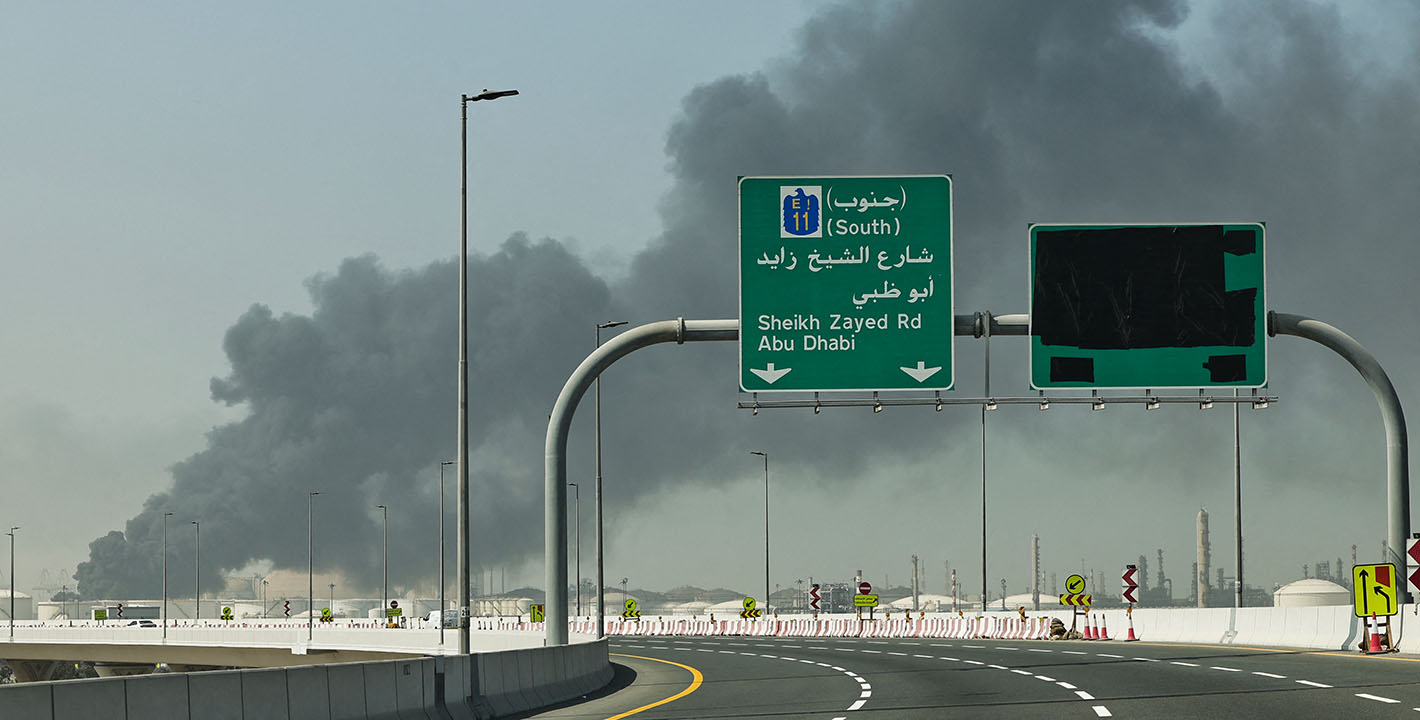
    Shockwaves Across the Gulf

    The countries in the region are managing the fallout from Iranian strikes in a paradoxical way.

      • Angie Omar

      Angie Omar

  • Commentary
    Strategic Europe
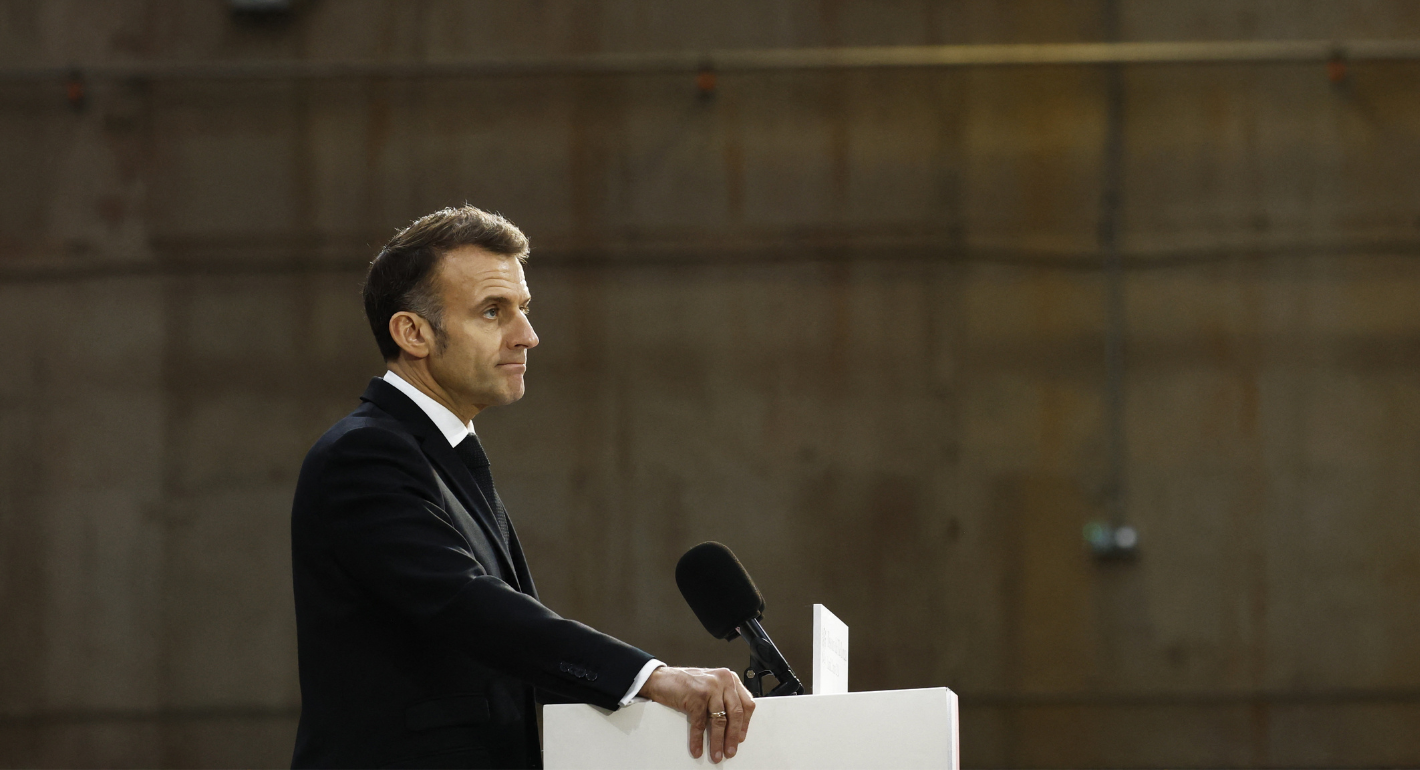
    Taking the Pulse: Is France’s New Nuclear Doctrine Ambitious Enough?

    French President Emmanuel Macron has unveiled his country’s new nuclear doctrine. Are the changes he has made enough to reassure France’s European partners in the current geopolitical context?

      • Rym Momtaz

      Rym Momtaz, ed.

  • Commentary
    The Iran War’s Dangerous Fallout for Europe

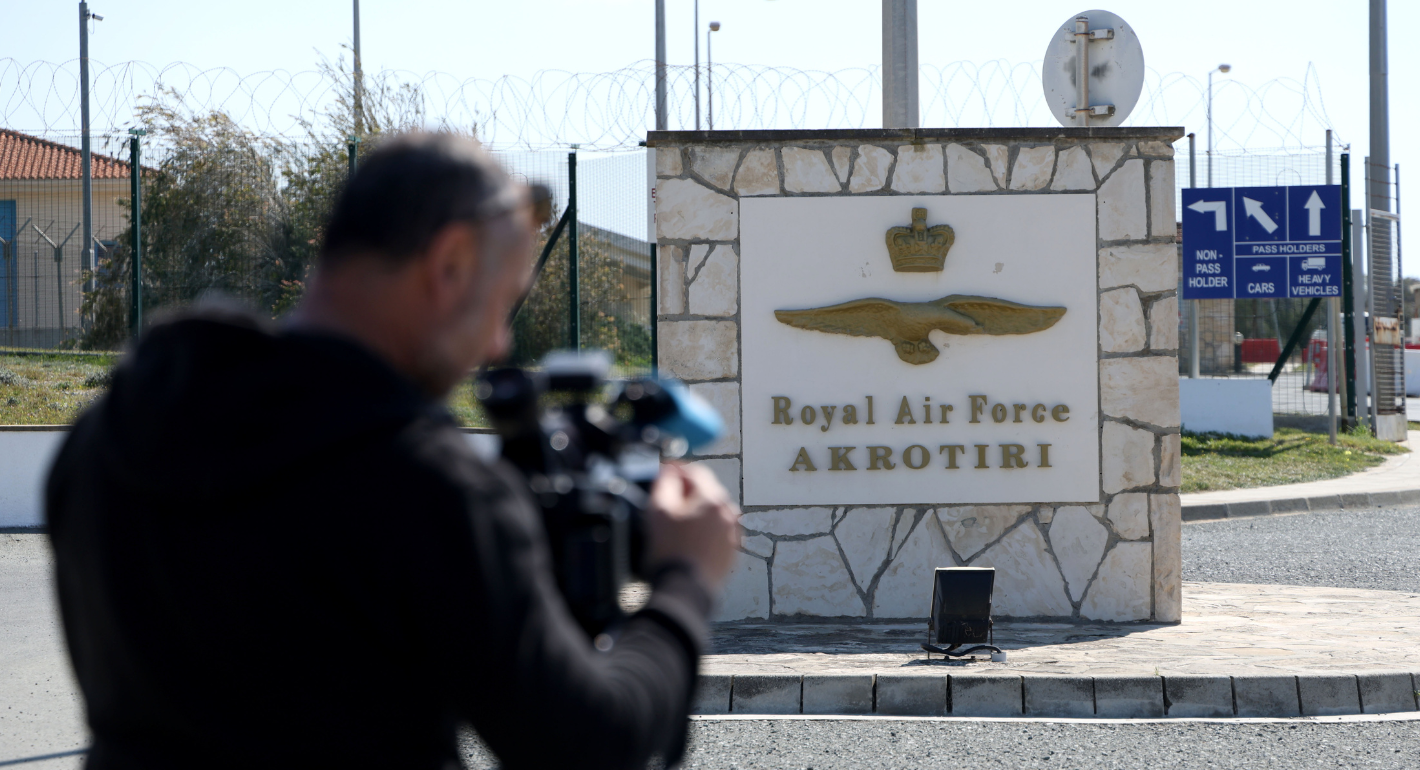
    The drone strike on the British air base in Akrotiri brings Europe’s proximity to the conflict in Iran into sharp relief. In the fog of war, old tensions in the Eastern Mediterranean risk being reignited, and regional stakeholders must avoid escalation.

      Marc Pierini

  • Commentary
    Diwan
    The U.S. Risks Much, but Gains Little, with Iran

    In an interview, Hassan Mneimneh discusses the ongoing conflict and the myriad miscalculations characterizing it.

      Michael Young
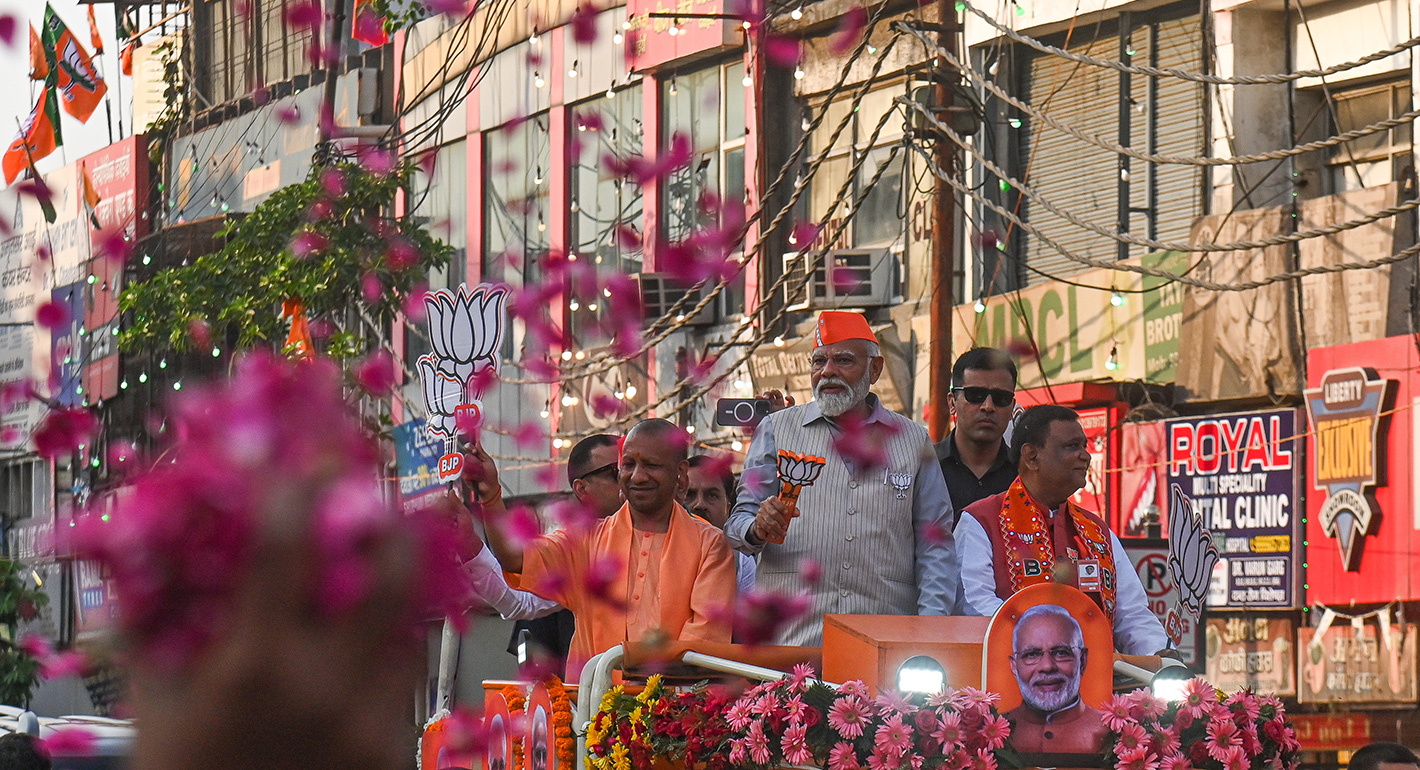
  • Indian Prime Minister Narendra Modi, wearing an orange cap, and the Chief Minister of Uttar Pradesh, Yogi Adityanath, dressed in saffron robes, are greeting supporters of the Bharatiya Janata Party (BJP) during a roadshow ahead of the Indian General Elections in Ghaziabad, Uttar Pradesh, India, on April 6, 2024.
    Paper
    India’s Foreign Policy in the Age of Populism

    Domestic mobilization, personalized leadership, and nationalism have reshaped India’s global behavior.
      Sandra Destradi

Get more news and analysis from
Carnegie Endowment for International Peace
Carnegie global logo, stacked
1779 Massachusetts Avenue NWWashington, DC, 20036-2103Phone: 202 483 7600Fax: 202 483 1840
  • Research
  • Emissary
  • About
  • Experts
  • Donate
  • Programs
  • Events
  • Blogs
  • Podcasts
  • Contact
  • Annual Reports
  • Careers
  • Privacy
  • For Media
  • Government Resources
Get more news and analysis from
Carnegie Endowment for International Peace
© 2026 Carnegie Endowment for International Peace. All rights reserved.