

Q&A
Suzanne Maloney, Aaron David Miller, Karim Sadjadpour
{
  "authors": [
    "Karim Sadjadpour"
  ],
  "type": "legacyinthemedia",
  "centerAffiliationAll": "dc",
  "centers": [
    "Carnegie Endowment for International Peace"
  ],
  "collections": [],
  "englishNewsletterAll": "menaTransitions",
  "nonEnglishNewsletterAll": "",
  "primaryCenter": "Carnegie Endowment for International Peace",
  "programAffiliation": "MEP",
  "programs": [
    "Middle East"
  ],
  "projects": [],
  "regions": [
    "Middle East",
    "Iran",
    "United Arab Emirates"
  ],
  "topics": [
    "Political Reform",
    "Trade",
    "Economy",
    "Foreign Policy",
    "Nuclear Policy"
  ]
}
Source: Getty
Given the deep economic and cultural ties between Iran and Dubai, the recent economic troubles in the Emirate will certainly have an impact on Iran and may even play a role in the international negotiations over Iran’s nuclear program.
Source: CNBC's Street Signs
Despite the recent tumult in Dubai’s financial markets, the economic and cultural linkages between the wealthy Emirate and Iran remain strong. Abu Dhabi, a neighboring Emirate of equal economic clout, has always been more hawkish on Iran and is generally expected to assist Dubai in paying its debts. Nonetheless, it is doubtful that Abu Dhabi or other members of the international community will be able to weaken the ties between Iran and Dubai. “Ties between Iran and Dubai will never be severed. The relationship is incredibly important for both sides,” notes Karim Sadjadpour.

Senior Fellow, Middle East Program
Karim Sadjadpour is a senior fellow at the Carnegie Endowment for International Peace, where he focuses on Iran and U.S. foreign policy toward the Middle East.
Recent Work


Suzanne Maloney, Aaron David Miller, Karim Sadjadpour

Aaron David Miller, Karim Sadjadpour, Robin Wright
Carnegie does not take institutional positions on public policy issues; the views represented herein are those of the author(s) and do not necessarily reflect the views of Carnegie, its staff, or its trustees.
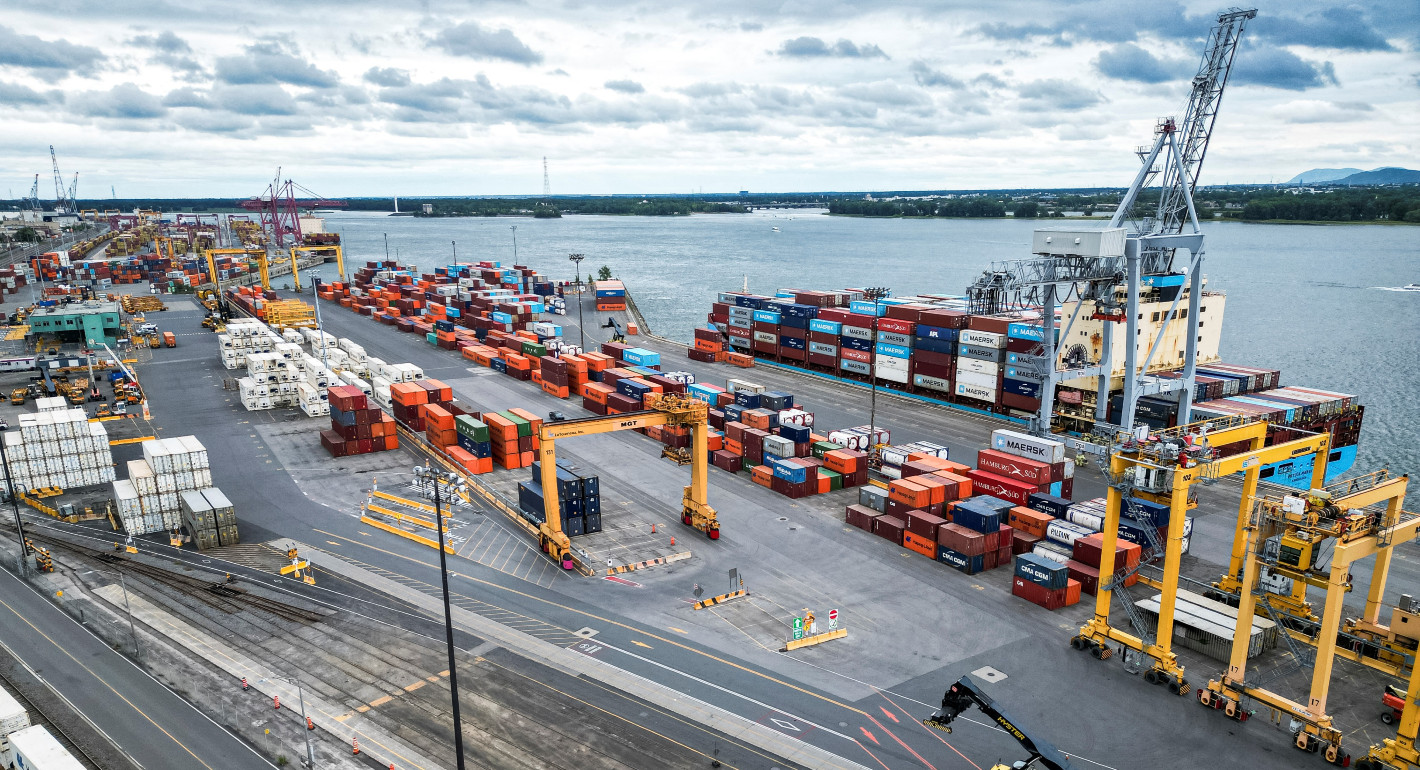
U.S. trading partners in Asia are closely watching the dispute for signs of how it may affect their own interests.
Barbara Weisel

The aftermath of the Ceuta crisis shows Europe has drawn the wrong lessons. Rather than doubling down on failed migration policies, the EU needs to address the underlying roots of such episodes.

Richard Youngs
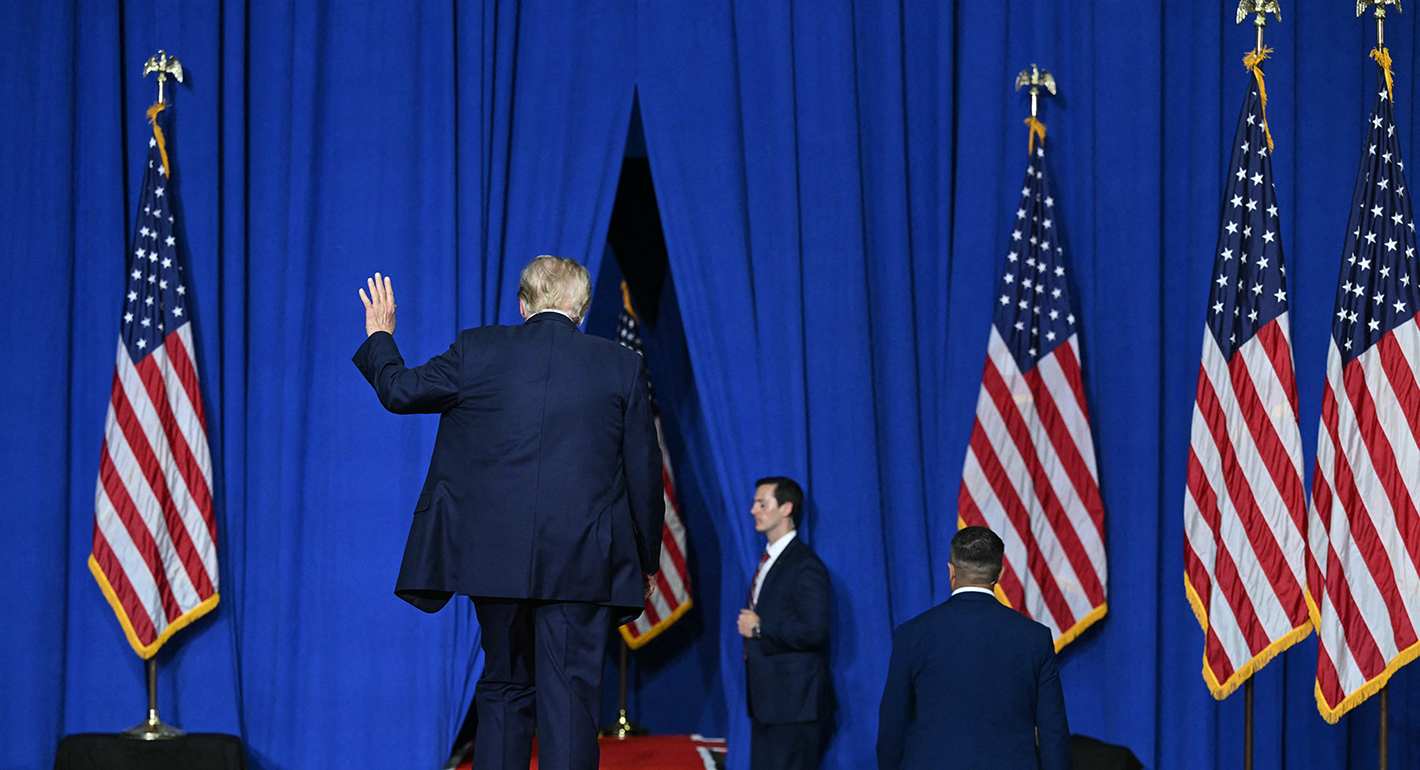
By abandoning past U.S. pro-democracy policies and adopting several lines of pro-autocratic action, the Trump administration has fundamentally repositioned the United States vis-à-vis democracy in the world.

Thomas Carothers
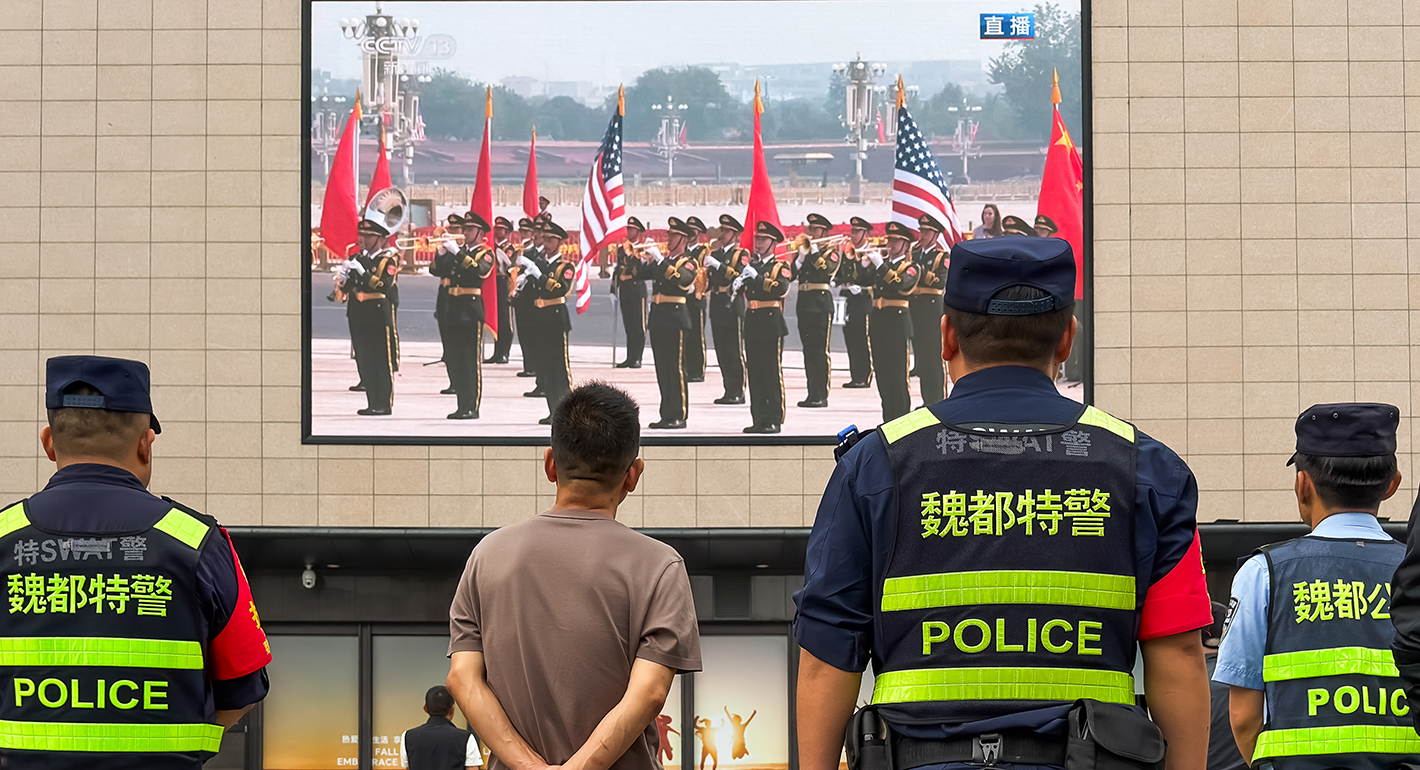
Chinese strategists are once again debating whether American power is declining and whether U.S. hegemony is experiencing irreversible decay.
Wu Xinbo

In the tenth year of his presidency, President Mirziyoyev’s system is becoming even more personalized than that of his predecessor Karimov.

Galiya Ibragimova