

Commentary
In an interview, Ian Lustick and Eli Clifton discuss their new book on why a prominent ally has so much influence in America.
Michael Young
{
  "authors": [],
  "type": "pressRelease",
  "centerAffiliationAll": "dc",
  "centers": [
    "Carnegie Endowment for International Peace"
  ],
  "collections": [],
  "englishNewsletterAll": "ctw",
  "nonEnglishNewsletterAll": "",
  "primaryCenter": "Carnegie Endowment for International Peace",
  "programAffiliation": "russia",
  "programs": [
    "Russia and Eurasia"
  ],
  "projects": [],
  "regions": [
    "United States",
    "Caucasus",
    "Eastern Europe",
    "Western Europe"
  ],
  "topics": [
    "Foreign Policy"
  ]
}
REQUIRED IMAGE
The Carnegie Endowment announced the launch of the Euro–Atlantic Security Initiative (EASI), a two-year Commission to build the intellectual framework for an inclusive transatlantic security system for the 21st century.
BRUSSELS, Dec 10—The Carnegie Endowment for International Peace today announced the launch of the Euro–Atlantic Security Initiative (EASI), a two-year Commission to build the intellectual framework for an inclusive transatlantic security system for the 21st century.
Co-chaired by Wolfgang Ischinger, former German deputy foreign minister and ambassador to the United States, Igor Ivanov, former foreign minister of Russia, and Sam Nunn, former chairman of the Senate Armed Services Committee, the Commission has assembled distinguished public figures from the former ranks of government, business, and academia.
Making the announcement the three co-chairs said:
“Twenty years ago, the fall of the Berlin Wall promised great hope that Cold War divides would vanish, ushering in a new era of peace and security based on what Mikhail Gorbachev called a 'common European home,' and George H. W. Bush called a 'Europe whole and free.'
“Over the intervening years this moment never arrived, but neither has the hope died. Over the next two years, in consultation with experts and policy makers from Europe, Russia, its neighbors, and the United States, we will look comprehensively at the full range of security challenges facing our nations, assess the existing institutions to cope with them, and recommend steps by which the great swath of nations from the Atlantic to the Urals could be transformed into a genuinely common security space.”
Jessica Mathews, president of the Carnegie Endowment for International Peace, added:
“Throughout its 99-year history, the Endowment has initiated and supported many independent international initiatives ranging from international conciliation to financial reconstruction to the founding of new institutions.
“Today, Carnegie is uniquely placed as a global institution with the ability to bring together perspectives through our operations in Europe, Russia, and the United States to address this central security challenge of the new century. Creative thinking from all quarters will be essential if we are to clarify the root of our differences and to develop a framework for future positive cooperation.”
###
NOTES
Carnegie does not take institutional positions on public policy issues; the views represented herein are those of the author(s) and do not necessarily reflect the views of Carnegie, its staff, or its trustees.

In an interview, Ian Lustick and Eli Clifton discuss their new book on why a prominent ally has so much influence in America.

Michael Young
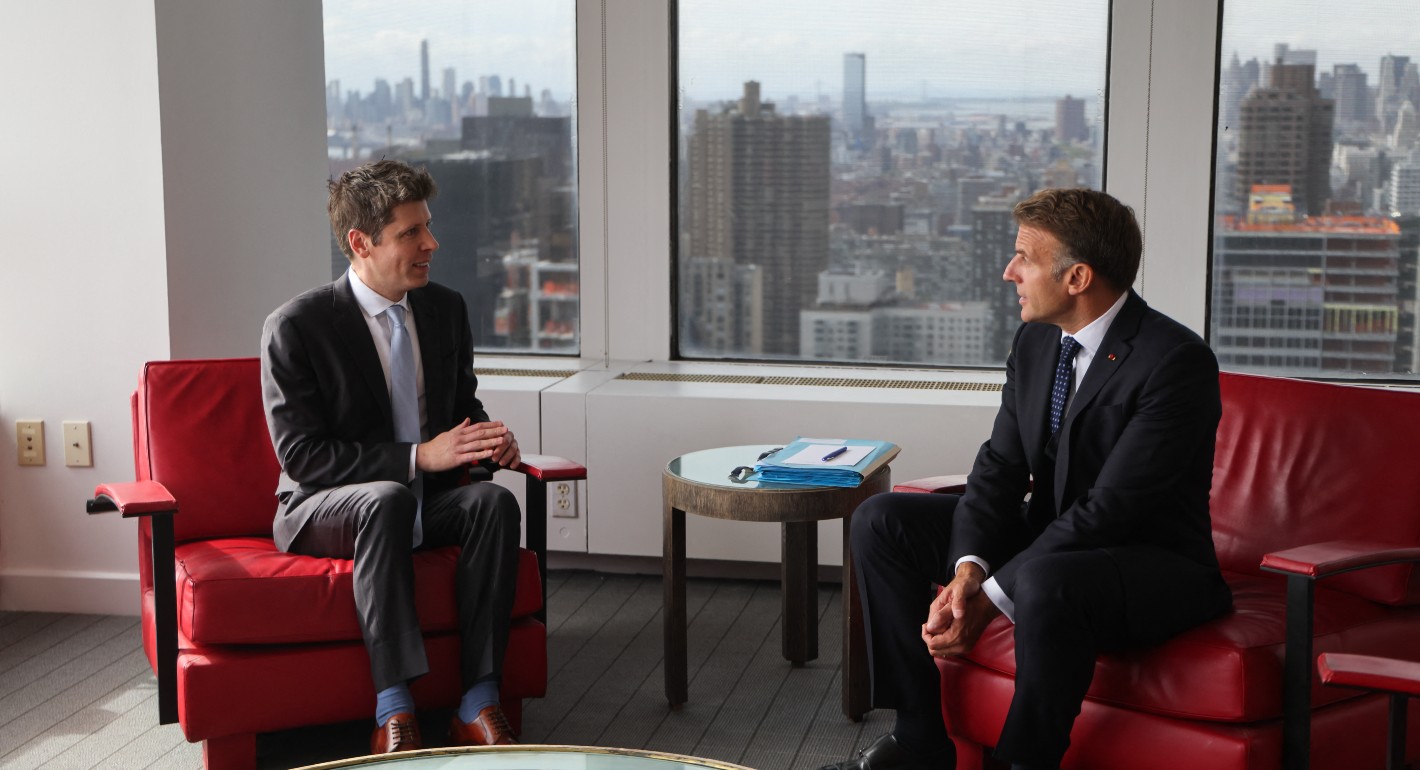
Germany, India, and other middle powers can’t build frontier AI alone, and they risk being cut off if they depend on the United States or China. The way through is to build the capacity for a frontier sprint while hoping never to use it.
Anton Leicht, Sam Winter-Levy

Trump has promised Belarus a massive potash deal. But Minsk is seeking something greater: restored Western transit and greater room for maneuver from Russia.

Balázs Jarábik

Before the next wave of EU enlargement takes place, the union needs to grapple with thorny questions of how power is distributed among its members.


Emil Sondaj Hansen, Ditte Brasso Sørensen
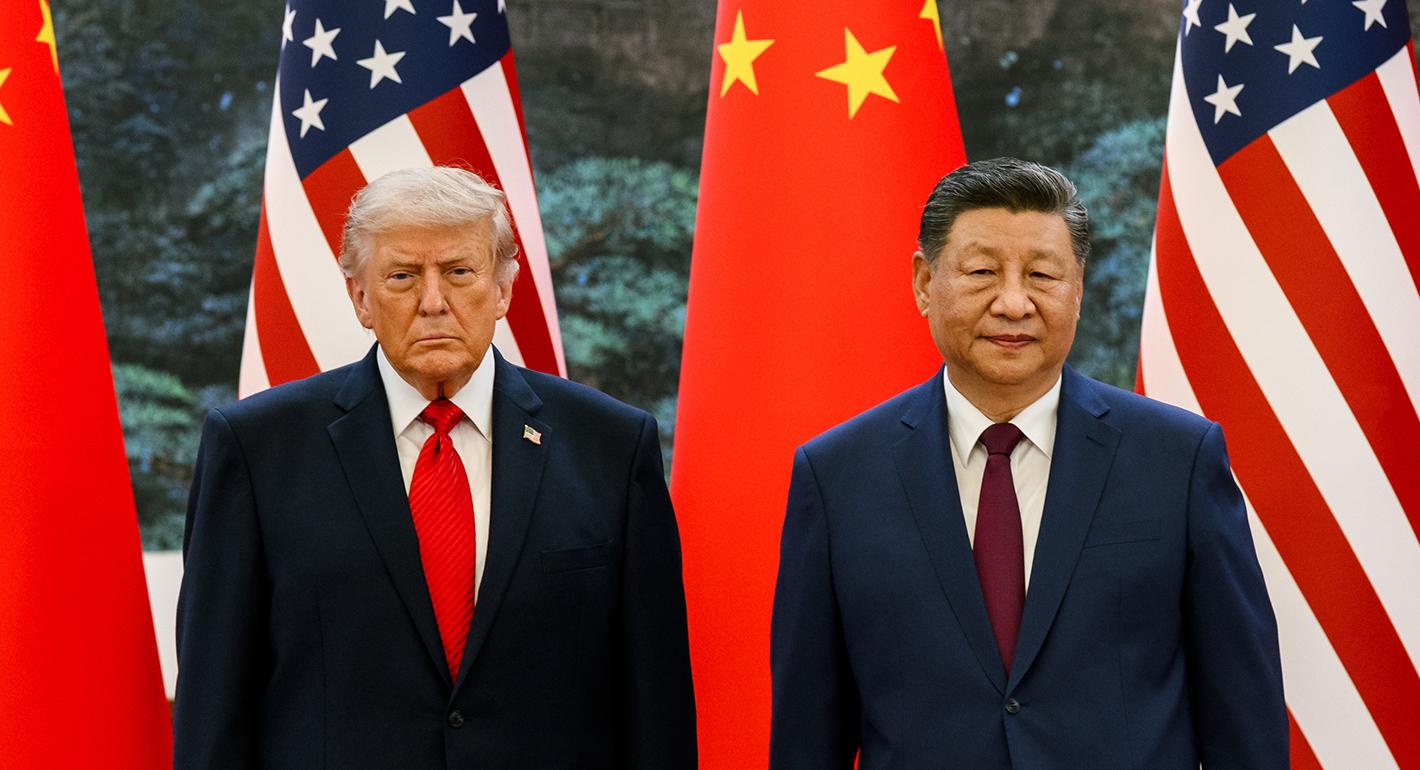
The real test may come after the leaders leave the room.



Sheena Chestnut Greitens, Oriana Skylar Mastro, Yukon Huang, …