An exploration into how India and Pakistan have perceived each other’s manipulations, or lack thereof, of their nuclear arsenals.
Rakesh Sood
{
"authors": [],
"type": "pressRelease",
"centerAffiliationAll": "dc",
"centers": [
"Carnegie Endowment for International Peace"
],
"collections": [],
"englishNewsletterAll": "",
"nonEnglishNewsletterAll": "",
"primaryCenter": "Carnegie Endowment for International Peace",
"programAffiliation": "NPP",
"programs": [
"Nuclear Policy"
],
"projects": [],
"regions": [],
"topics": [
"Nuclear Policy",
"Nuclear Energy"
]
}REQUIRED IMAGE
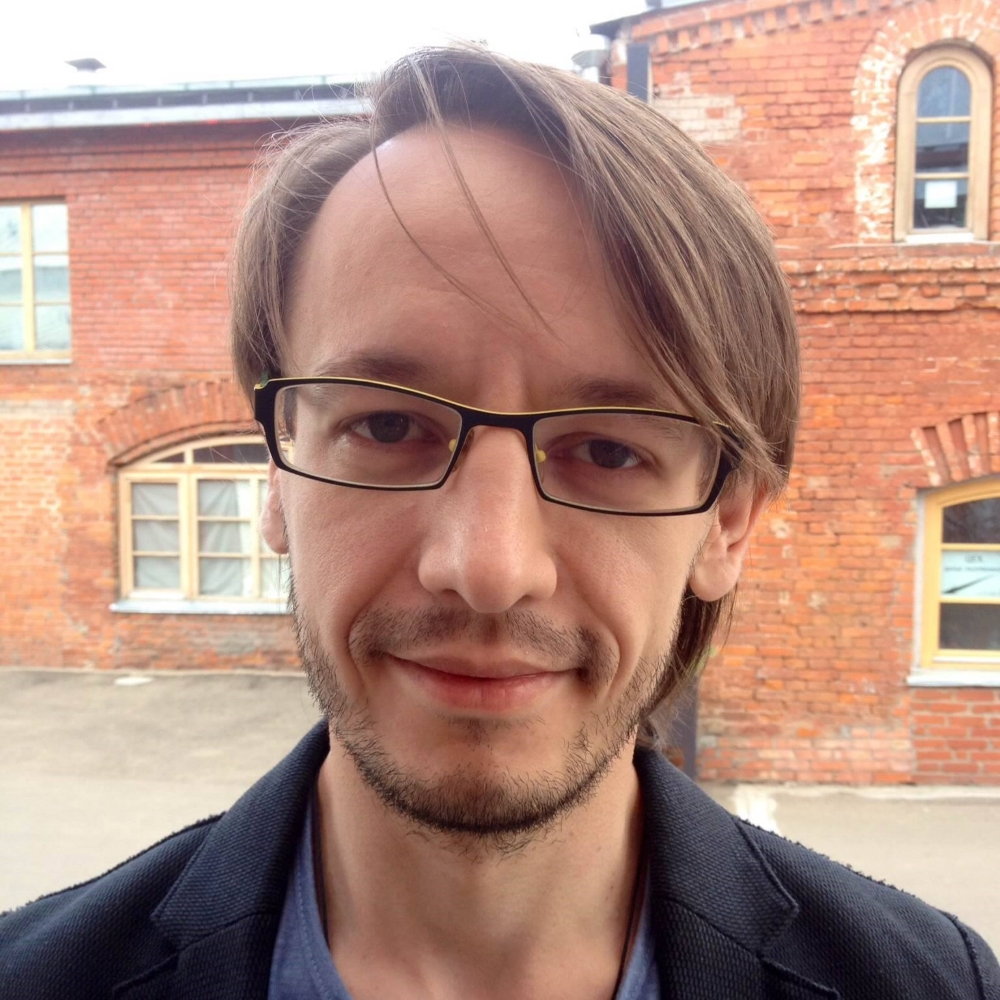
Mark Hibbs, one of the world’s most acclaimed investigative reporters on nuclear energy and proliferation, will join the Carnegie Endowment. For over two decades Hibbs has covered proliferation networks, the International Atomic Energy Agency, and nuclear trade for leading publications, including Nucleonics Week and Nuclear Fuel.
WASHINGTON, Jan 27—Mark Hibbs, one of the world’s most acclaimed investigative reporters on nuclear energy and proliferation, will join the Carnegie Endowment for International Peace. For over two decades Hibbs has covered proliferation networks, the International Atomic Energy Agency, and nuclear trade for leading publications, including Nucleonics Week and Nuclear Fuel.
Making the announcement, George Perkovich, vice president for studies and director of the Carnegie Nuclear Policy Program, said:
“Mark Hibbs is a legend in the nuclear world. Governments, industry, NGOs, the media—they all know Mark as a fount of hard-to-get information and analysis on a wide range of nuclear topics. We are thrilled that Mark has joined our superb global team and that we will now be distributing his unique findings and insights.”
Hibbs, who will join the Endowment on March 1, said:
“Increasingly in recent years, many of the IAEA’s member states have seen the world’s leading nuclear agency divided between haves and have nots, and most of the conflict areas are where disarmament, nonproliferation, and the peaceful use of nuclear energy intersect. At Carnegie, I’ll work with a team of experts in all three fields, and in five locations worldwide, dedicated to attaining practical solutions to these global nuclear problems.”
Known for his reporting on emerging nuclear programs, Hibbs will focus during this year on China’s nuclear energy program, Turkey’s nuclear future, steps to improve the effectiveness of the IAEA Board of Governors, and clandestine nuclear procurement efforts.
###
NOTES
Mark Hibbs is a senior associate in the Carnegie Nuclear Policy Program. Before joining Carnegie, for over 20 years he was an editor and correspondent for the nuclear energy publications, including Nucleonics Week and Nuclear Fuel, published by the Platts division of the McGraw-Hill Companies.
Hibbs joined McGraw-Hill as European editor for nuclear publications, then became editor for Asia-Pacific, and finally, in addition to his Asia-Pacific responsibilities, senior correspondent.
From the late 1980s until the mid-1990s, he covered nuclear developments in the Soviet bloc, including research on the USSR’s nuclear fuel cycle facilities and its nuclear materials inventories. Since the mid-1990s, much of his work has focused emerging nuclear programs in Asia, including China, and India.
Throughout the last two decades, many of the over 3,000 articles he wrote investigated nuclear proliferation-related developments in Argentina, Brazil, China, India, Iran, Iraq, Israel, Japan, Libya, North and South Korea, Pakistan, South Africa, Syria, and Taiwan.
Since 2003 he made many detailed findings about clandestine procurement related to gas centrifuge uranium enrichment programs in Iran, Libya, North Korea, and Pakistan.

Carnegie does not take institutional positions on public policy issues; the views represented herein are those of the author(s) and do not necessarily reflect the views of Carnegie, its staff, or its trustees.
An exploration into how India and Pakistan have perceived each other’s manipulations, or lack thereof, of their nuclear arsenals.
Rakesh Sood
For Putin, upgrading Russia’s nuclear forces was a secondary goal. The main aim was to gain an advantage over the West, including by strengthening the nuclear threat on all fronts. That made growth in missile arsenals and a new arms race inevitable.
Maxim Starchak
A close study of five crises makes clear that Cold War logic doesn’t apply to the South Asia nuclear powers.
Moeed Yusuf, Rizwan Zeb
As states without nuclear weapons develop nuclear-powered submarines, can NWFZ regimes adapt to manage new technical, legal, procedural, and normative challenges?
Jamie Kwong, ed., Toby Dalton, ed., Celia McDowall, ed.
As the first states without nuclear weapons set to acquire nuclear-powered attack submarines, Australia and Brazil face new questions and challenges as they seek to responsibly manage the risks of naval nuclear propulsion.
Jamie Kwong, ed., Toby Dalton, ed.