

Article
James F. Collins
{
  "authors": [
    "James F. Collins"
  ],
  "type": "legacyinthemedia",
  "centerAffiliationAll": "dc",
  "centers": [
    "Carnegie Endowment for International Peace",
    "Carnegie Russia Eurasia Center"
  ],
  "collections": [],
  "englishNewsletterAll": "ctw",
  "nonEnglishNewsletterAll": "",
  "primaryCenter": "Carnegie Endowment for International Peace",
  "programAffiliation": "russia",
  "programs": [
    "Russia and Eurasia"
  ],
  "projects": [],
  "regions": [
    "North America",
    "United States",
    "Caucasus",
    "Russia"
  ],
  "topics": [
    "Foreign Policy",
    "Nuclear Policy"
  ]
}
Source: Getty
The United States and Russia have officially signed the new START Treaty, setting up the necessary framework to reduce the world’s nuclear weapon stockpile by almost a third.
Source: Russia Today: The Alyona Show
The United States and Russia have officially signed the new START agreement, setting up the necessary framework to reduce the world’s nuclear weapon stockpile by almost a third. Ahead of the nuclear security summit in Washington, the world was focused on Prague as U.S. President Barack Obama and Russian President Dmitry Medvedevey set the tone for international nuclear disarmament. James Collins participated in a live discussion on Russia Today about the importance of the new START agreement.
The new START agreement is a historic treaty which puts the world on the right trajectory, asserted Collins. He commented that people were skeptical about the first START agreement, but it has proven to be quite an achievement, as demonstrated by the huge reductions of nuclear arsenals that took place under that agreement over the course of fifteen years. The new START agreement will be important; it provides a legally binding set of rules under which the United States and Russia will continue to manage their nuclear arsenals and build them down.
The treaty has enhanced the credibility of both President Obama and President Medvedev, added Collins. It proves that both Russia and the United States are serious about controlling nuclear proliferation and insuring that nuclear materials and nuclear weapons do not fall into the hands of terrorists, non-state actors, or rogue states. The threat of terrorists gaining access to nuclear weapons, Collins suggested, will be among the key issues discussed at the nuclear security summit in Washington, D.C. this week.
Collins concluded, “What encourages me is that you now have real discussion about the idea that you will have a world with no nuclear weapons. That just wasn’t the case fifteen or twenty years ago. And while we are long ways from it, I don’t think we should minimize at all the significance of this step by the two powers who have to work together in order to get us anywhere closer to a realistic possibility of having no nuclear weapons.”
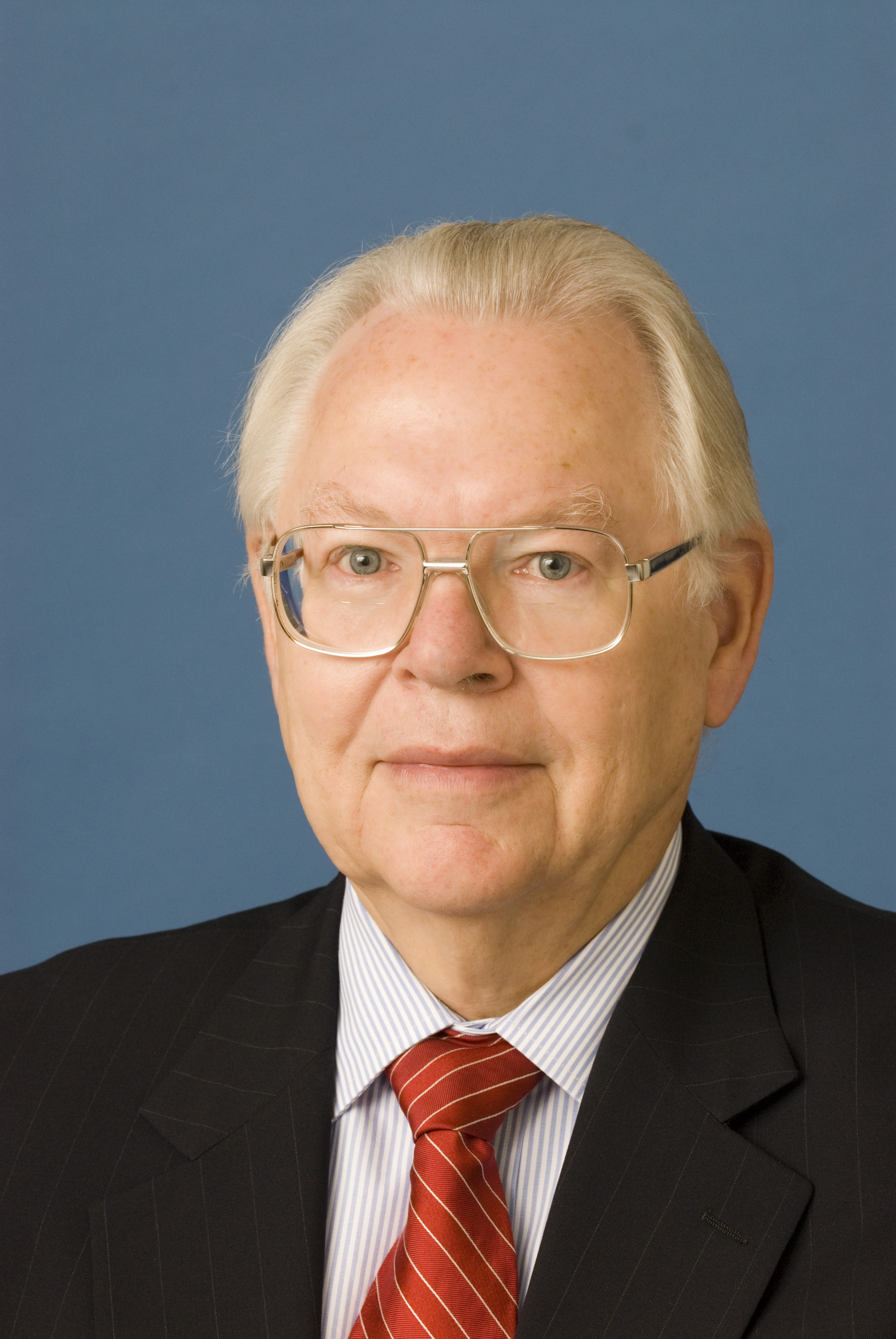
Nonresident Senior Fellow, Russia and Eurasia Program; Diplomat in Residence
Ambassador Collins was the U.S. ambassador to the Russian Federation from 1997 to 2001 and is an expert on the former Soviet Union, its successor states, and the Middle East.
Recent Work
James F. Collins
Dmitri Trenin, James F. Collins
Carnegie does not take institutional positions on public policy issues; the views represented herein are those of the author(s) and do not necessarily reflect the views of Carnegie, its staff, or its trustees.

Despite its flop at the box office, the film raises important questions for the climate community to answer.

Leonardo Martinez-Diaz

Funding Ukraine remains a priority for European leaders. As Russia’s war of aggression heads into another winter, two feasible options to mobilize support for Kyiv should be fast-tracked.


Vladyslav Rashkovan, Gregory P. Wilson

Russian strikes are weakening the economy sustaining Ukraine’s war effort. Closing the growing funding gap will require more European support and politically contentious reforms in Kyiv.

Balázs Jarábik

In an interview, Rozina Ali discusses her new book on the rise and manifestations of Islamophobia in the United States.

Michael Young

While the EU and European governments are embracing the much-lauded middle-power moment, this entails three difficult conundrums.

Richard Youngs