• Research
  • Emissary
  • About
  • Experts
Carnegie Global logoCarnegie lettermark logo
DemocracyIran
  • Donate
{
  "authors": [
    "Pierre Goldschmidt"
  ],
  "type": "other",
  "centerAffiliationAll": "dc",
  "centers": [
    "Carnegie Endowment for International Peace"
  ],
  "collections": [
    "U.S. Nuclear Policy"
  ],
  "englishNewsletterAll": "ctw",
  "nonEnglishNewsletterAll": "",
  "primaryCenter": "Carnegie Endowment for International Peace",
  "programAffiliation": "NPP",
  "programs": [
    "Nuclear Policy"
  ],
  "projects": [],
  "regions": [
    "North America",
    "United States",
    "Caucasus",
    "Russia"
  ],
  "topics": [
    "Nuclear Policy"
  ]
}
Source: Getty

Other

Is Nuclear Non-proliferation Utopian?

Nuclear nonproliferation cannot be considered utopian since we know what can and should be done to achieve it. The harder question, however, is whether we can muster the political will to create the necessary geo-political and security conditions to achieve common nonproliferation goals.

Link Copied
By Pierre Goldschmidt
Published on Jun 2, 2010
Program mobile hero image

Program

Nuclear Policy

The Nuclear Policy Program aims to reduce the risk of nuclear war. Our experts diagnose acute risks stemming from technical and geopolitical developments, generate pragmatic solutions, and use our global network to advance risk-reduction policies. Our work covers deterrence, disarmament, arms control, nonproliferation, and nuclear energy.

Learn More

Source: Paper prepared for the European Nuclear Conference

"Utopian" refers to a concept or an endeavour that seems ideal, but is unattainable in the real world. Nuclear nonproliferation cannot be considered utopian since we know what can and should be done to achieve it. The harder question, however, is whether we can muster the political will to create the necessary geo-political and security conditions to achieve common nonproliferation goals. The vision and new impetus brought by President Barack Obama is a formidable opportunity to make real and immediate progress in preventing vertical and horizontal proliferation, which are interlinked and must be tackled simultaneously.

About the Author

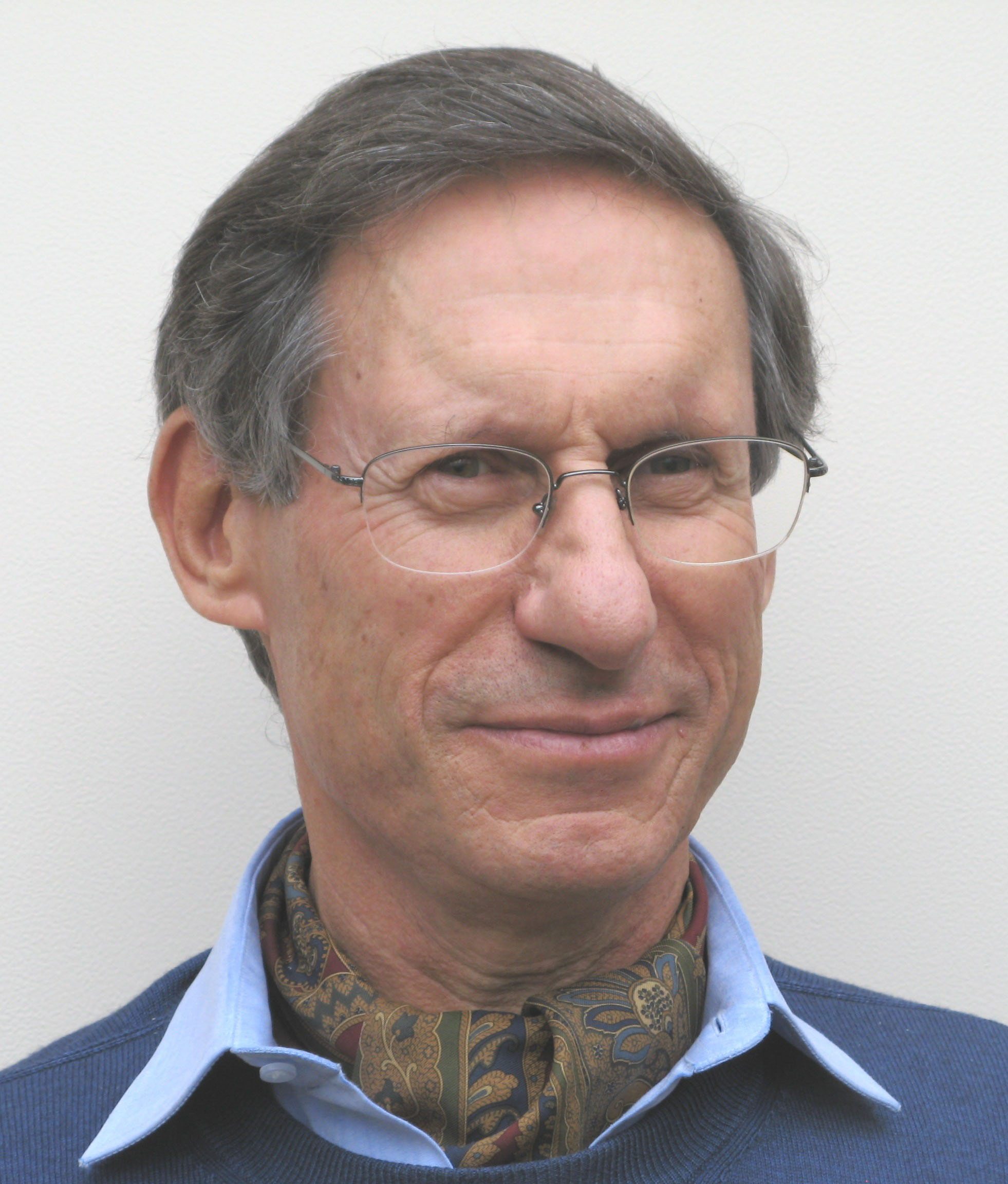
Pierre Goldschmidt

Former Nonresident Senior Associate, Nuclear Policy Program

Goldschmidt was a nonresident senior associate at the Carnegie Endowment.

    Recent Work

  • Article
    A Realistic Approach Toward a Middle East Free of WMD

      Pierre Goldschmidt

  • Article
    Serious Deficiencies Exposed by Latest IAEA Safeguards Implementation Report

      Pierre Goldschmidt

Pierre Goldschmidt
Former Nonresident Senior Associate, Nuclear Policy Program
Pierre Goldschmidt
Nuclear PolicyNorth AmericaUnited StatesCaucasusRussia

Carnegie does not take institutional positions on public policy issues; the views represented herein are those of the author(s) and do not necessarily reflect the views of Carnegie, its staff, or its trustees.

More Work from Carnegie Endowment for International Peace

  • Commentary
    Carnegie Politika
    Belarus Wants More From the West Than a ‘Massive Deal’ on Potash

    Trump has promised Belarus a massive potash deal. But Minsk is seeking something greater: restored Western transit and greater room for maneuver from Russia.

      Balázs Jarábik

  • Commentary
    Emissary
    What to Watch When Trump and Xi Meet in Washington

    The real test may come after the leaders leave the room.

      • Sheena Chestnut Greitens
      • Oriana Skylar Mastro's headshot
      • +1

      Sheena Chestnut Greitens, Oriana Skylar Mastro, Yukon Huang, …

  • Commentary
    Carnegie Politika
    Will the Far Right Change Europe’s Russia Policy?

    The European far right might fail to steer EU policy in the direction Russia wants, but they will create enough chaos inside Europe to benefit the Kremlin.

      Dimitar Bechev

  • Greenland United States Denmark Agreement Nuuk
    Commentary
    The Denmark-Greenland-U.S. Agreement Needs to Stand the Test of Time

    The new U.S.–Denmark–Greenland agreement will help Washington exert political, economic, and financial dominance under the guise of security. Yet, it acknowledged Copenhagen’s and Nuuk’s sovereignty on the island.

      Marc Pierini

  • The nuclear missile formation passes through Tian'anmen Square during a military parade on September 3, 2025 in Beijing, China.
    Paper
    Untangling the Nuclear Knot: A Constructive Agenda for Managing China’s Nuclear Relations with the United States and Its Allies

    The nuclear relationship between China and the United States is increasingly shaped by widening perception gaps rather than deliberate strategic design.

      Tong Zhao

Get more news and analysis from
Carnegie Endowment for International Peace
Carnegie global logo, stacked
1779 Massachusetts Avenue NWWashington, DC, 20036-2103Phone: 202 483 7600
  • Research
  • Emissary
  • About
  • Experts
  • Donate
  • Programs
  • Events
  • Blogs
  • Podcasts
  • Contact
  • Annual Reports
  • Careers
  • Privacy
  • For Media
  • Government Resources
Get more news and analysis from
Carnegie Endowment for International Peace
© 2026 Carnegie Endowment for International Peace. All rights reserved.