

Article
Thailand is no longer safe for regional activists; neither are Cambodia, Laos, or Vietnam for Thai dissidents who had typically sought refuge in those countries.
Janjira Sombatpoonsiri
{
  "authors": [],
  "type": "pressRelease",
  "centerAffiliationAll": "dc",
  "centers": [
    "Carnegie Endowment for International Peace"
  ],
  "collections": [],
  "englishNewsletterAll": "asia",
  "nonEnglishNewsletterAll": "",
  "primaryCenter": "Carnegie Endowment for International Peace",
  "programAffiliation": "AP",
  "programs": [
    "Asia"
  ],
  "projects": [],
  "regions": [
    "Southeast Asia"
  ],
  "topics": []
}
REQUIRED IMAGE
The Carnegie Endowment for International Peace announced that the Bakrie Center Foundation will generously support a new senior associate to work on Southeast Asian issues, based in Washington, D.C.
WASHINGTON, July 26—The Carnegie Endowment for International Peace announced today that the Bakrie Center Foundation will generously support a new senior associate to work on Southeast Asian issues, based in Washington, D.C.
The Bakrie chair will focus on political, economic, and strategic developments in Southeast Asia and the region’s global influence. In collaboration with colleagues in Carnegie’s offices in Moscow, Beirut, Brussels, and Beijing, the position will research and analyze policy pertaining to Southeast Asia.
Making the announcement, Douglas Paal, vice president for studies at the Carnegie Endowment, said:
“Carnegie is grateful for the Bakrie Center Foundation’s commitment to shaping international knowledge—and therefore global policy—on Southeast Asia and its geopolitical importance. The region is too often overlooked and we thank the Foundation for expanding its long-term commitment to increasing global understanding on Southeast Asia.”
Anindya Novyan Bakrie, head of the Bakrie Foundation and CEO of Bakrie Telecom, said:
“Working out of the world-class Carnegie Endowment, the Bakrie chair will contribute policy relevant research by revealing key political, economic, and socio-cultural trends in Indonesia and Southeast Asia. The senior associate will address the unanswered questions of the region and become a reference point for policy makers in the United States and the international community.”
###
ABOUT
NOTES
PRESS CONTACT
Carnegie does not take institutional positions on public policy issues; the views represented herein are those of the author(s) and do not necessarily reflect the views of Carnegie, its staff, or its trustees.
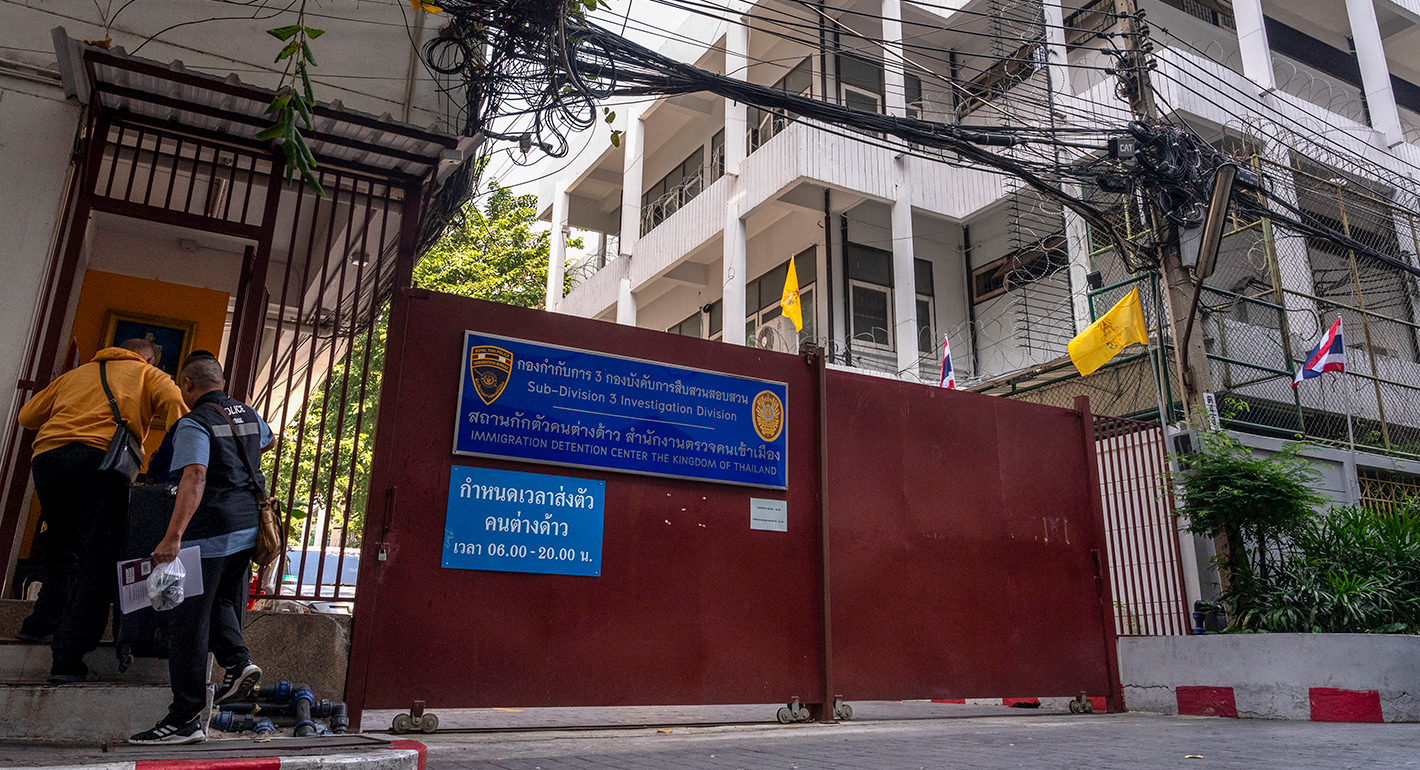
Thailand is no longer safe for regional activists; neither are Cambodia, Laos, or Vietnam for Thai dissidents who had typically sought refuge in those countries.

Janjira Sombatpoonsiri
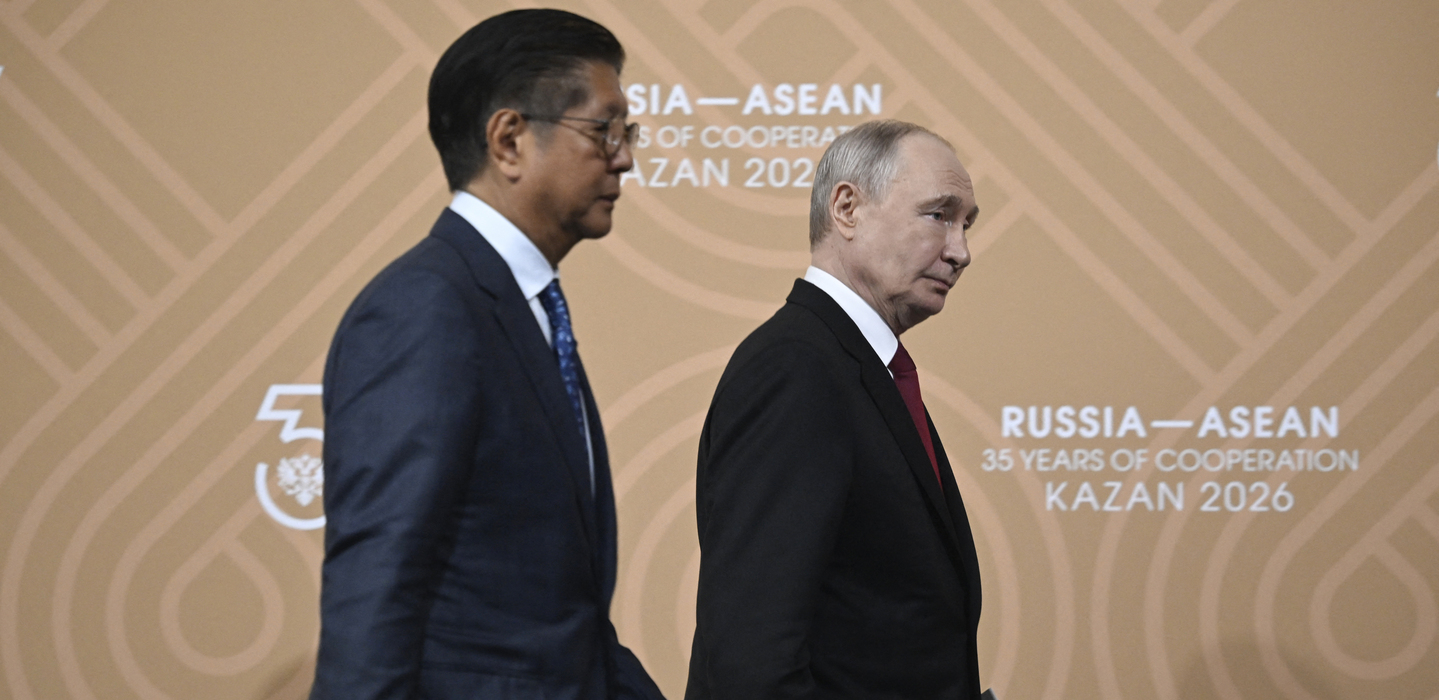
Russia looks set to reap economic benefits from closer ties with Southeast Asian countries that are keen to find reliable energy suppliers and diversify trade ties.

Alexander Gabuev
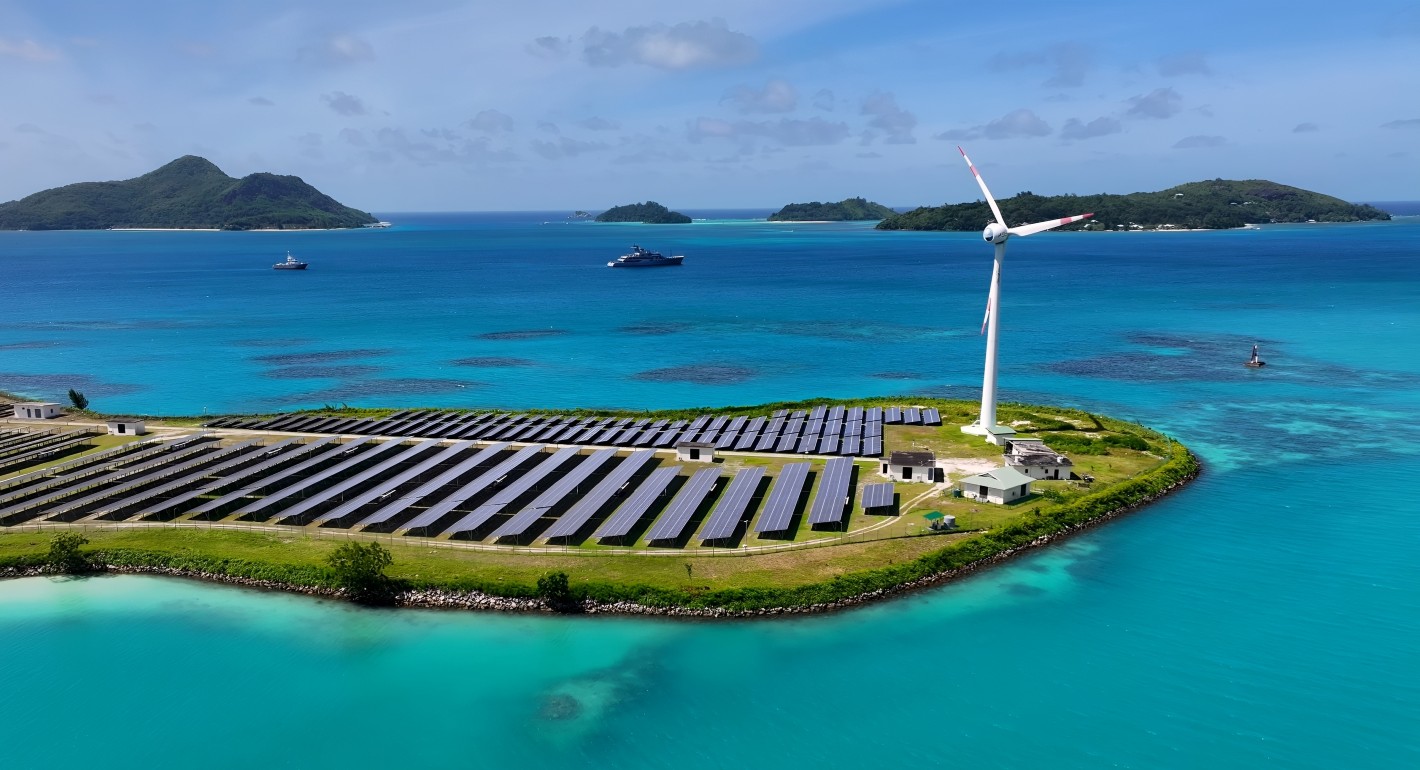
China’s central bank swap lines could help developing world leaders drive their energy transition—if they harness conditionality to protect their interests.
Ebipere K. Clark

U.S. unpredictability has allowed China to capitalize on its positioning as the “responsible great power”. Paradoxically, the more China wins the perception game, the more likely expectations will rise for Beijing to deliver not just words but to demonstrate with its deeds.

Chong Ja Ian

Hanoi and Beijing have long treated each other as distant cousins rather than comrades in arms. That might be changing as both sides draw closer to hedge against uncertainty and America’s erratic behavior.

Nguyễn Khắc Giang