

Q&A
S. Akbar Zaidi
{
  "authors": [
    "S. Akbar Zaidi"
  ],
  "type": "other",
  "centerAffiliationAll": "dc",
  "centers": [
    "Carnegie Endowment for International Peace"
  ],
  "collections": [],
  "englishNewsletterAll": "ctw",
  "nonEnglishNewsletterAll": "",
  "primaryCenter": "Carnegie Endowment for International Peace",
  "programAffiliation": "SAP",
  "programs": [
    "South Asia"
  ],
  "projects": [],
  "regions": [
    "South Asia",
    "Pakistan"
  ],
  "topics": [
    "Economy"
  ]
}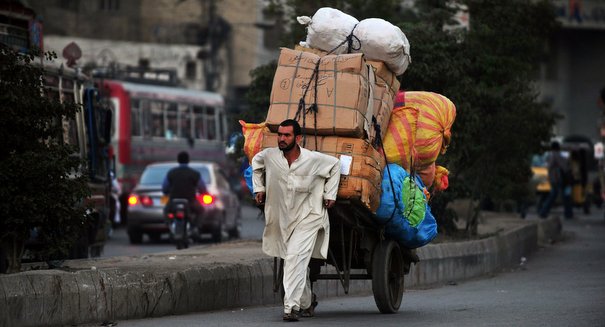
Source: Getty
Pakistan's economic instability stems in large part from low government revenue due to the elite's use of tax evasions, loopholes, and exemptions. Without tax reform, Pakistan will continue to run an unsustainable debt and be forced to rely on Western donors for bailouts.
Unable to sustain solid growth, Pakistan’s economy is teetering on the brink of collapse, with one-third of the population living below the poverty line. S. Akbar Zaidi writes in a paper that Pakistan’s economic instability stems in large part from low government revenue due to the elite’s use of tax evasions, loopholes, and exemptions. Without tax reform, Pakistan will continue to run an unsustainable debt and be forced to rely on Western donors for bailouts.
“Pakistan’s lack of a proper tax and revenue regime has resulted in high rates of tax evasion, burdening the country with unsustainable debt and undermining its development priorities,” writes Zaidi. “The key to the country’s economic prosperity—even its survival—is a far-reaching program of tax reform.”
Former Visiting Scholar, South Asia Program
Zaidi was a visiting scholar in the Carnegie Endowment’s South Asia Program. A visiting professor at Johns Hopkins University’s School of Advanced International Studies (SAIS), his research focuses on development, governance, and political economy in South Asia.
Recent Work
S. Akbar Zaidi
S. Akbar Zaidi
Carnegie does not take institutional positions on public policy issues; the views represented herein are those of the author(s) and do not necessarily reflect the views of Carnegie, its staff, or its trustees.

The Bureau of Industry and Security needs to adjust its focus and practices to maintain its position as the U.S. government’s primary champion of international technological competition.

Geoffrey Irving

Depleted financial reserves and a shrinking tax base mean it is no longer possible to simultaneously deliver high defense spending, price stability, and economic growth.

Alexandra Prokopenko

U.S. trading partners in Asia are closely watching the dispute for signs of how it may affect their own interests.

Barbara Weisel
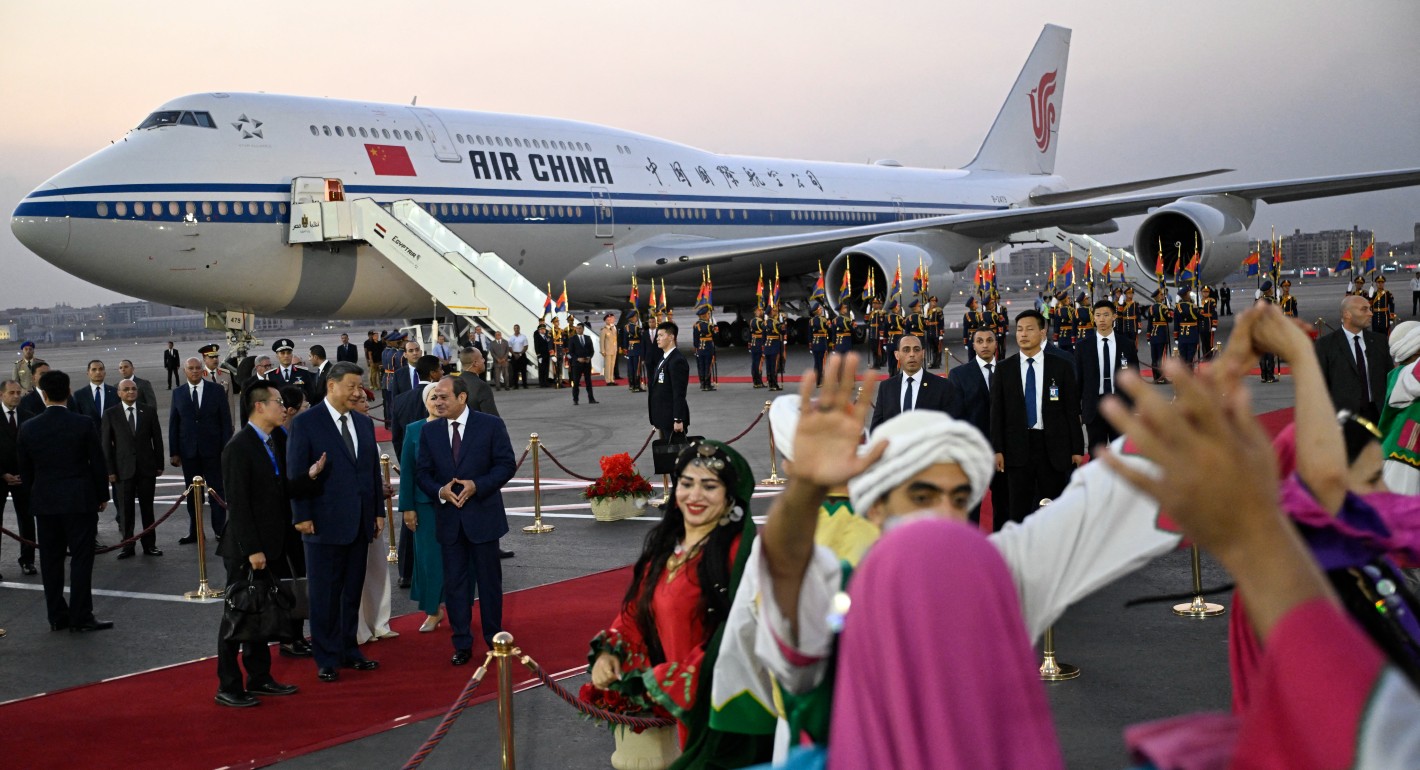
Amid celebrations of bilateral ties was a deeper focus on stability in the Middle East.

Amr Hamzawy
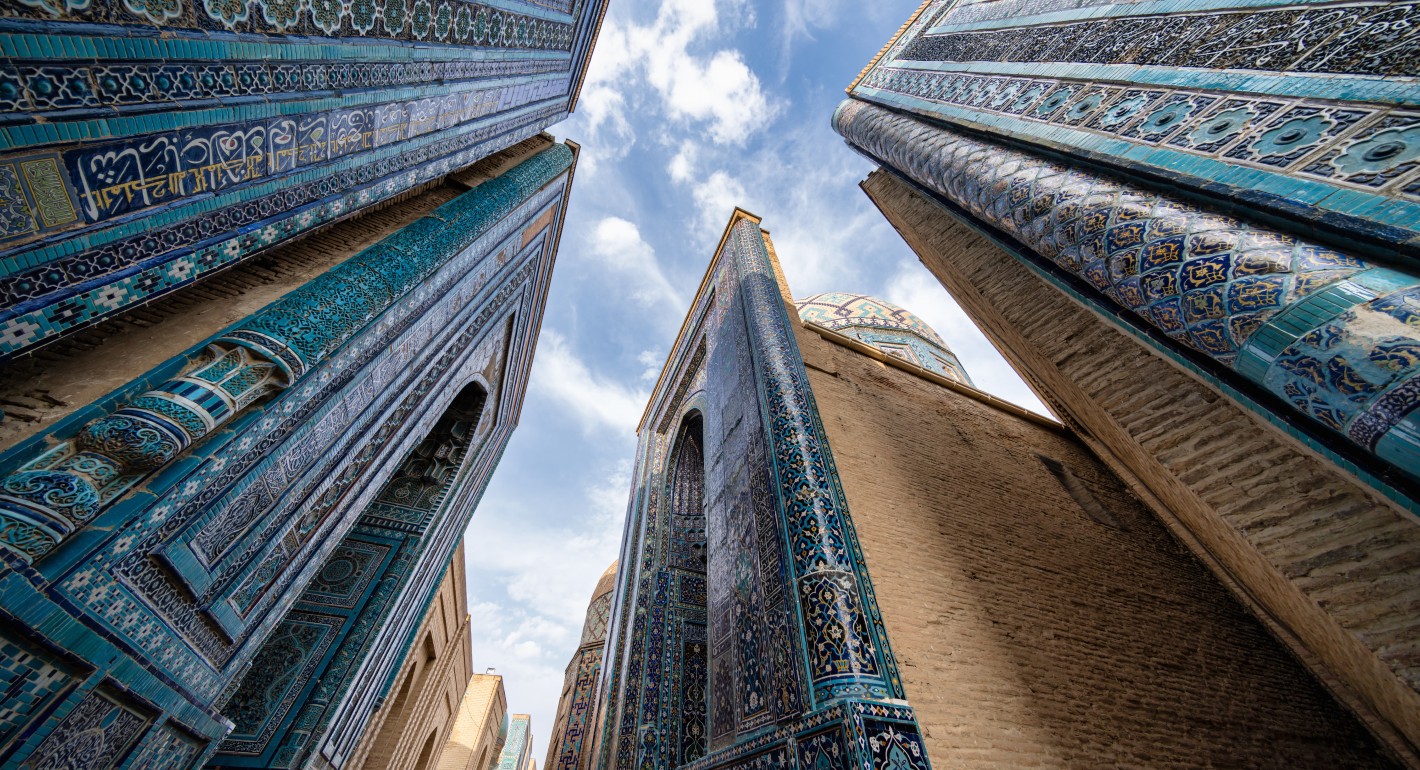
Xi, Putin, and other regional leaders are back-slapping in Bishkek, but the SCO has yet to answer the most serious questions about continental Asia's economic future.

Evan A. Feigenbaum