{
  "authors": [
    "Amr Hamzawy"
  ],
  "type": "legacyinthemedia",
  "centerAffiliationAll": "",
  "centers": [
    "Carnegie Endowment for International Peace",
    "Malcolm H. Kerr Carnegie Middle East Center"
  ],
  "collections": [],
  "englishNewsletterAll": "",
  "nonEnglishNewsletterAll": "",
  "primaryCenter": "Carnegie Endowment for International Peace",
  "programAffiliation": "",
  "programs": [],
  "projects": [],
  "regions": [
    "Egypt",
    "Levant"
  ],
  "topics": [
    "Political Reform"
  ]
}
Source: Getty
In The Media
The Abuse of Plurality
The relative plurality found in both Egypt and Lebanon is rare in the Arab world; politicians and media officials in both countries should embrace this rich pluralistic characteristic instead of seeking to undermine it.
The Abuse of PluralityDifferences in the socio-political realities that prevail in Egypt and Lebanon make it hard to draw comparisons between the two countries. Certain recent developments, however, remind us that the two states share an important virtue - relative plurality in the public space - which is sufficiently rare in the Arab world that politicians and media officials in both countries should refrain from undermining it. Yet by failing to use existing forums to conduct responsible discussions on major social problems and falling back instead on demagoguery and cliché, undermining this plurality is exactly what the political and media elites do.
In recent weeks the broadcast of the serial Al-Jama'a on a number of television stations riveted the Egyptian public's attention on the Muslim Brotherhood, casting to the fore issues such as the relationship between religion and politics in Egypt, the Brotherhood's history of involvement in the use of violence to attain political ends, the extent of its commitment to its renunciation of violence, and the repercussions of the political exploitation of religion on society, especially the relationship between the Muslim majority and Christian minority. In spite of the legitimacy of such concerns, and as compelling as the renewed interest in the Muslim Brotherhood is as a consequence of the televised drama, the political and media elites on both sides of the pro-government/opposition divide reduced discussion to variations on the theme of the Muslim Brotherhood being either all good or all bad. They skirted around essential issues by reproducing trite populist rhetoric that scorns any separation between religion and the state as a "secularist" idol that they claim is rejected by the Egyptian people.
In Lebanon recent events in the Burj Abu Heidar area of Beirut once again brought the Lebanese people face to face with the problems caused by the proliferation of arms and the dangers inherent in undermining the power of the state to monopolise or control the use of armed force. The intractability of this problem in Lebanon, and the tragic loss of life it has incurred, compelled the country's political elites to deal with it publicly. Unfortunately, almost without exception and regardless of where they stand in Lebanon's political and denominational spectrum or their many and variegated domestic, regional and international alliances and networks, these elites contributed nothing of value. They shirked the very issues that made the Abu Heidar incident possible: the fragility of the central state and the weakness of its military and security establishments, the power of certain militias and the likelihood of their recourse to violence to resolve domestic conflicts, the sheer unfeasibility of the idea of harmony between the resistance and the state on the ground, and the lack of a national consensus that transcends sectarian and political divides over what constitutes and what does not constitute the legitimate use of arms outside the framework of the state's monopoly over the use of force. As varied as the responses were, they were all marred by this strategy of avoidance.
Some even pleaded the "singularity" of the incident and insisted it was not sectarian in nature. Others took shelter behind pledges to "guarantee domestic and regional reconciliation and calm", vowing to bring those responsible - referring to individuals as opposed to groups -to justice as they wagged their fingers against the use of the "arms of resistance" inside Lebanon. There were political and media figures who did not even have the courage to bring up the question of arms until they could figure out how to camouflage it amidst a profusion of antitheses and qualifications that sapped whatever proposal they had of any substance, eventually arriving at the artful compromise - disarm Beirut, the capital, to safeguard the security of the people of Beirut. It was as though they condoned the use of arms elsewhere in the country and reduced those not living in Beirut into second class citizens.
The two examples above -- the handling of the controversy over the Al-Jama'a series in Egypt and the handling of the aftermath of the Burj Abu Heidar incident in Lebanon -- illustrate how plurality in the public sphere, as represented by the government and independent media in Egypt and the great range of privately owned and diversely politically and denominationally oriented media in Lebanon, failed to compel politicians to depart from their custom of relying on populist discourse and tactics and oblige them to address the core concerns of their societies in a substantial and meaningful way. As long as the diversity of the Egyptian and Lebanese public space remains abused in this manner one must question whether the Egyptians and Lebanese can really boast of having a free and independent press and other open, vibrant public forums.
Amr Hamzawy is a senior fellow and the director of the Carnegie Middle East Program. His research and writings focus on Egypt’s and other middle powers’ involvement in regional security in the Middle East, particularly through collective diplomacy and multilateral conflict resolution
Carnegie does not take institutional positions on public policy issues; the views represented herein are those of the author(s) and do not necessarily reflect the views of Carnegie, its staff, or its trustees.
More Work from Carnegie Endowment for International Peace
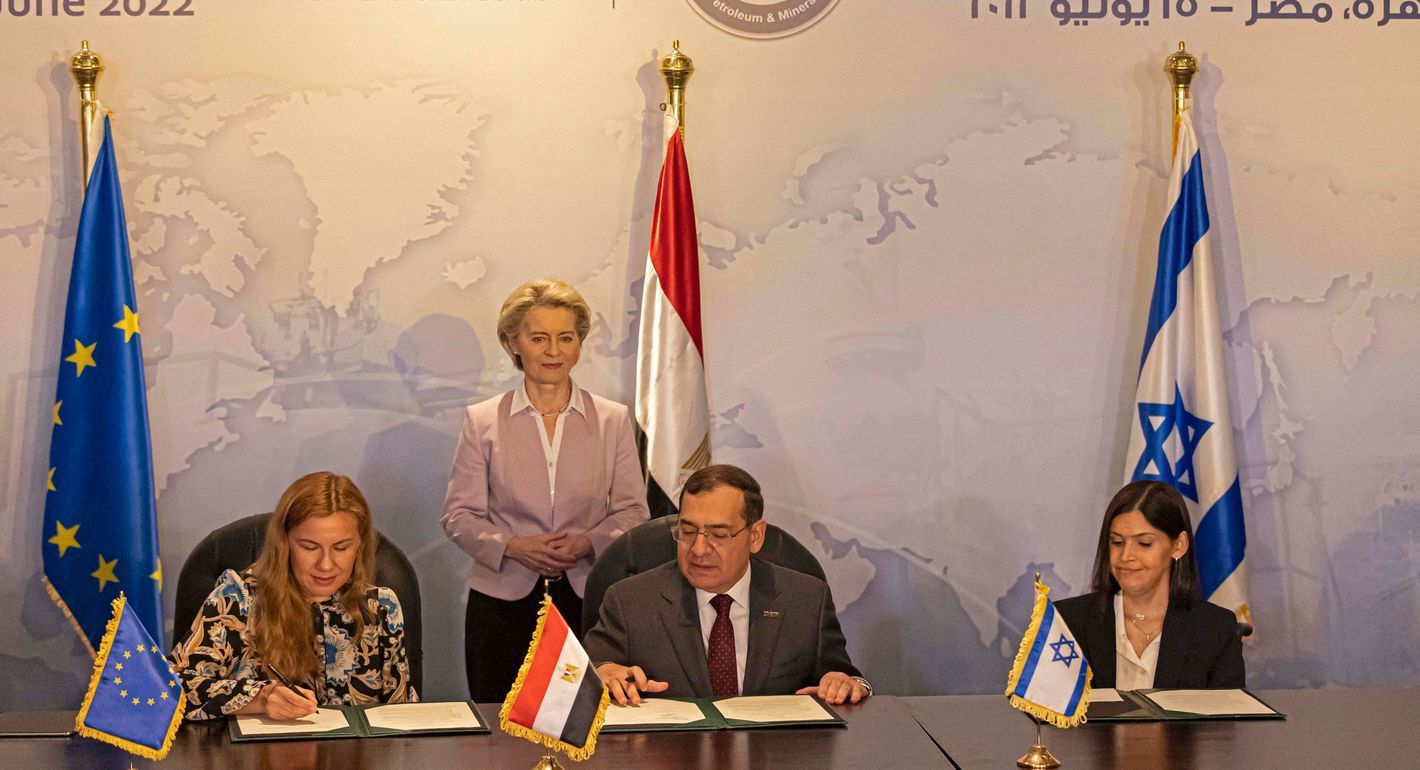
Can economic ties help contain conflict between Egypt and Israel, or do they simply postpone confrontation? Drawing on the German-Russian experience, the article examines how the gas deal creates mutual dependence, keeps channels of cooperation open, and raises the cost of conflict, without necessarily delivering lasting peace.
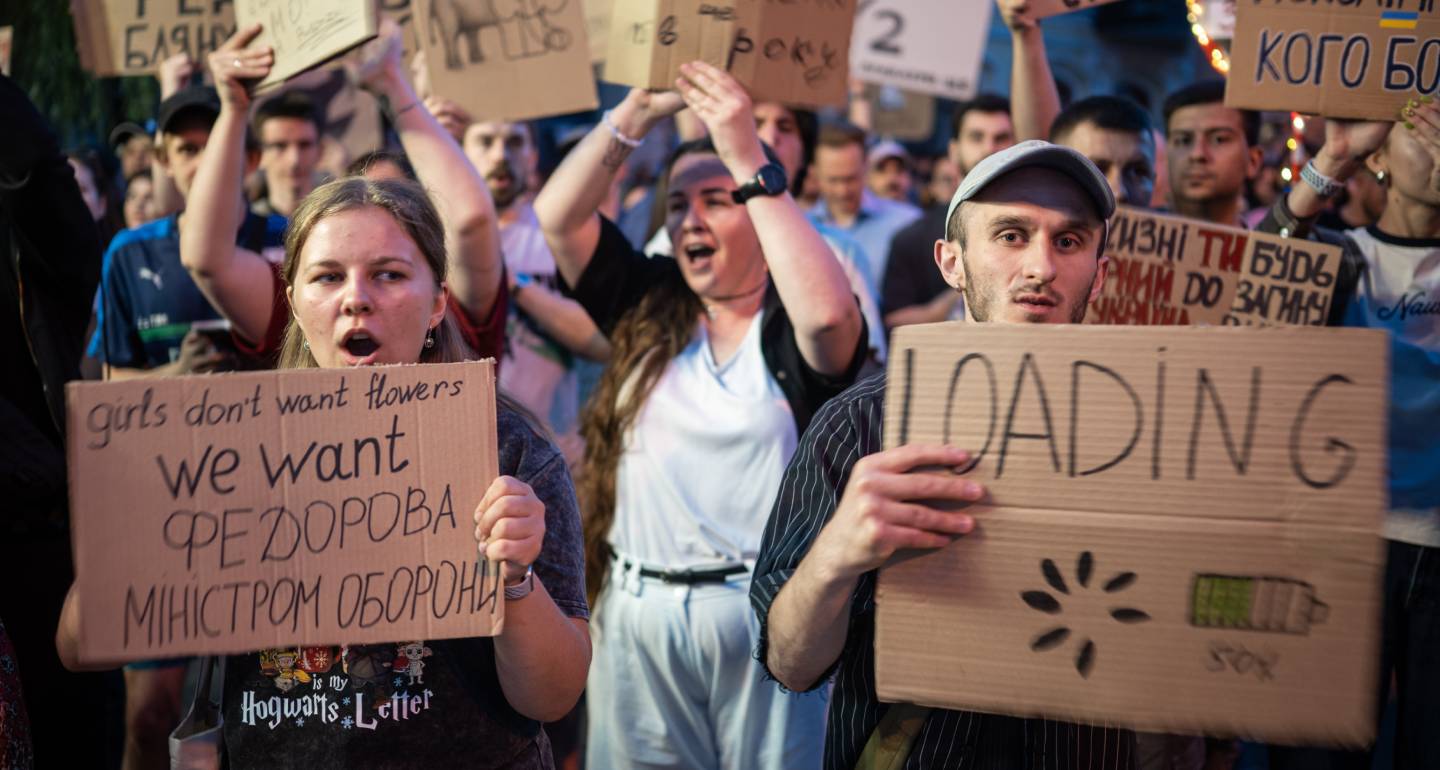
The greater threat to Zelensky comes not from Fedorov alone, but from the convergence between the former defense minister’s political campaign and the anti-corruption investigations moving ever closer to the presidential administration.