• Research
  • Emissary
  • About
  • Experts
Carnegie Global logoCarnegie lettermark logo
DemocracyIran
  • Donate
{
  "authors": [
    "Christopher Boucek"
  ],
  "type": "testimony",
  "centerAffiliationAll": "dc",
  "centers": [
    "Carnegie Endowment for International Peace"
  ],
  "collections": [],
  "englishNewsletterAll": "menaTransitions",
  "nonEnglishNewsletterAll": "",
  "primaryCenter": "Carnegie Endowment for International Peace",
  "programAffiliation": "MEP",
  "programs": [
    "Middle East"
  ],
  "projects": [],
  "regions": [
    "Middle East",
    "Saudi Arabia",
    "Yemen"
  ],
  "topics": [
    "Security",
    "Foreign Policy"
  ]
}
Source: Getty

Testimony

Terrorist Threat to the U.S. Homeland - Al-Qaeda in the Arabian Peninsula

Al-Qaeda in the Arabian Peninsula now poses the greatest single terrorist threat to the United States—a greater danger even than al-Qaeda’s senior leadership.

Link Copied
By Christopher Boucek
Published on Mar 2, 2011
Program mobile hero image

Program

Middle East

The Middle East Program in Washington combines in-depth regional knowledge with incisive comparative analysis to provide deeply informed recommendations. With expertise in the Gulf, North Africa, Iran, and Israel/Palestine, we examine crosscutting themes of political, economic, and social change in both English and Arabic.

Learn More

Source: March 2

Al-Qaeda in the Arabian Peninsula (AQAP), the organization behind the attempted Christmas Day 2009 attack and last October’s cargo bomb plot, has repeatedly attempted to strike American interests. In testimony before the House Homeland Security Committee, Christopher Boucek warns that AQAP is now the greatest single terrorist threat to the United States—a greater danger even than al-Qaeda’s senior leadership.

U.S. Policy Recommendations:

  • Increase economic and security assistance to Yemen: AQAP thrives on Yemen’s internal disarray and the government’s inability to control its own territory. The United States should increase aid to Yemen to help build state capacity and deny AQAP space to plot and plan attacks.

  • Use caution when exercising force: To avoid antagonizing ordinary Yemenis, counterterrorism operations directed against AQAP should be proportionate, Yemeni-led, and minimize the risk of civilian casualties.

  • Recognize the limits of hard power: In addition to exercising force, the United States must push Yemen to improve the government’s visibility and service delivery at the local level, thereby addressing some of the underlying grievances that helped give rise to AQAP in the first place.

“AQAP has emerged as the organization most likely to kill American nationals and to attack U.S. interests,” Boucek writes. “Very clearly Yemen’s problems are not staying in Yemen and AQAP poses a grave and growing threat to American domestic security.”
About the Author

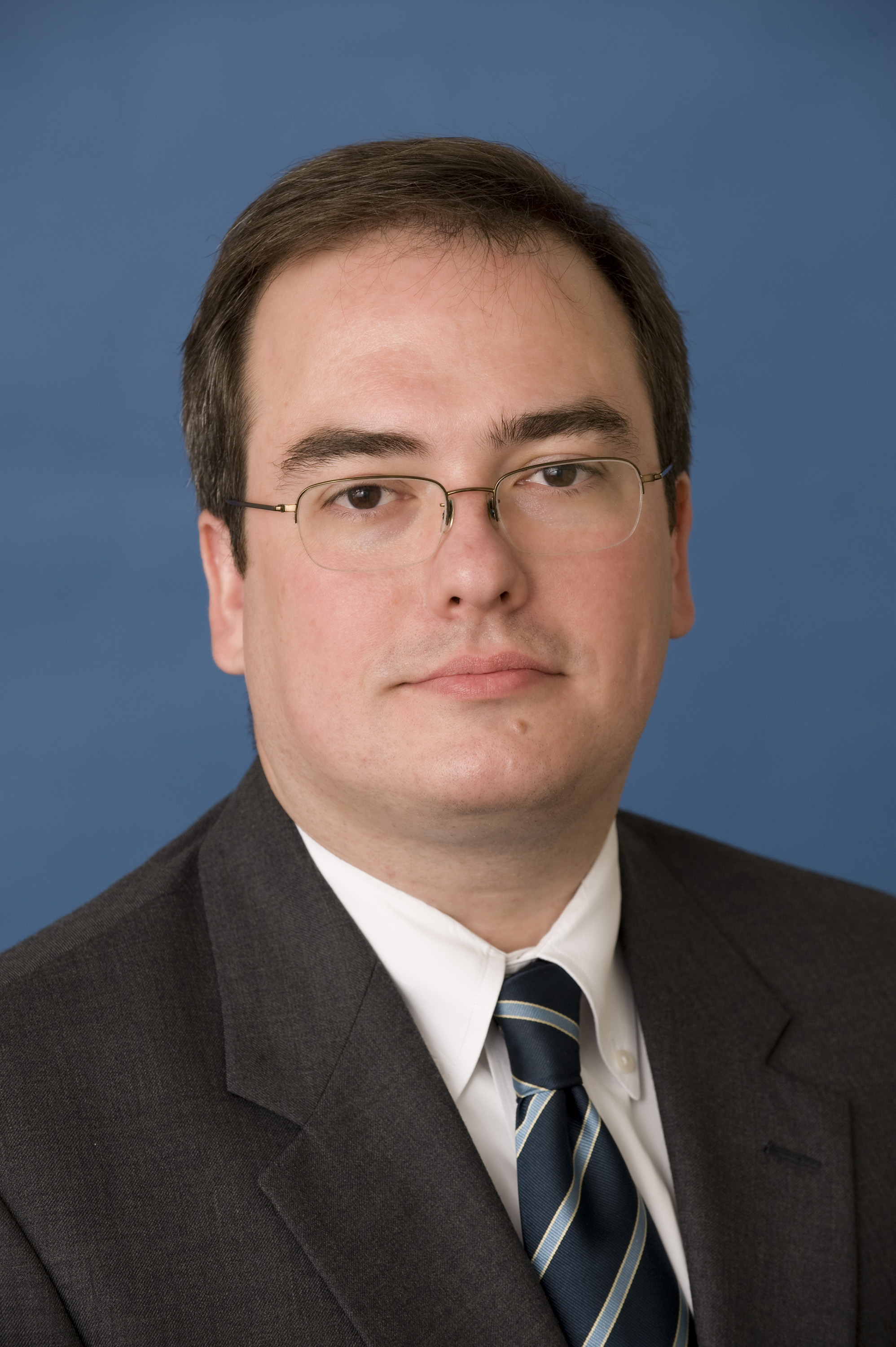
Christopher Boucek

Former Associate, Middle East Program

Boucek was an associate in the Carnegie Middle East Program where his research focused on security challenges in the Arabian Peninsula and Northern Africa.

    Recent Work

  • Q&A
    Yemen After Saleh’s Return and Awlaki’s Exit

      Christopher Boucek

  • Q&A
    Rivals—Iran vs. Saudi Arabia

      Christopher Boucek, Karim Sadjadpour

Christopher Boucek
Former Associate, Middle East Program
Christopher Boucek
SecurityForeign PolicyMiddle EastSaudi ArabiaYemen

Carnegie does not take institutional positions on public policy issues; the views represented herein are those of the author(s) and do not necessarily reflect the views of Carnegie, its staff, or its trustees.

More Work from Carnegie Endowment for International Peace

  • apan's 8,900-ton Maritime Self-Defense Force supply ship Oosumi leaves Muroran port escorted by the 4,550-ton destroyer Murasame bound for Kuwait February 20, 2004 in Muroran, Japan.
    Article
    Japan’s Security Policy Is Still Caught Between the Alliance and Domestic Reality

    Japan’s response to U.S. pressure over Hormuz highlights a broader dilemma: How to preserve the alliance while remaining bound by legal limits, public opinion, and an Asia-centered security agenda. Tokyo gained diplomatic space through an alliance-embracing strategy, but only under conditions that may not endure.

      • Ryo Sahashi

      Ryo Sahashi

  • Article
    Kenya’s Health Deal Is a Stress Test for the America First Global Health Strategy

    U.S. agreements must contend with national data protection laws to make durable foreign policy instruments.

      • A Black woman with long hair wears a black blazer

      Jane Munga, Rose Mosero

  • Trump seated and gesturing while speaking
    Commentary
    Emissary
    The Iran War Is Making America Less Safe

    A conflict launched in the name of American security is producing the opposite effect.

      • Sarah Yerkes

      Sarah Yerkes

  • Commentary
    Sada
    Digital Dissent in Morocco: A Sociological Analysis of the Generation Z Movement

    From anime heroes to online gaming communities, Morocco’s Gen Z is building a new protest culture. What does this digital imagination reveal about youth politics, and how should institutions respond?

      Abdelilah Farah

  • Commentary
    Strategic Europe
    Taking the Pulse: Is it NATO’s Job to Support Trump’s War of Choice?

    Donald Trump has demanded that European allies send ships to the Strait of Hormuz while his war of choice in Iran rages on. He has constantly berated NATO while the alliance’s secretary-general has emphatically supported him.

      • Rym Momtaz

      Rym Momtaz, ed.

Get more news and analysis from
Carnegie Endowment for International Peace
Carnegie global logo, stacked
1779 Massachusetts Avenue NWWashington, DC, 20036-2103Phone: 202 483 7600Fax: 202 483 1840
  • Research
  • Emissary
  • About
  • Experts
  • Donate
  • Programs
  • Events
  • Blogs
  • Podcasts
  • Contact
  • Annual Reports
  • Careers
  • Privacy
  • For Media
  • Government Resources
Get more news and analysis from
Carnegie Endowment for International Peace
© 2026 Carnegie Endowment for International Peace. All rights reserved.