

Commentary
This will be the region’s most representative tournament, amid broad changes in its footballing landscape.
Issam Kayssi
{
  "authors": [],
  "type": "other",
  "centerAffiliationAll": "",
  "centers": [
    "Carnegie Endowment for International Peace"
  ],
  "collections": [],
  "englishNewsletterAll": "",
  "nonEnglishNewsletterAll": "",
  "primaryCenter": "Carnegie Endowment for International Peace",
  "programAffiliation": "",
  "programs": [],
  "projects": [],
  "regions": [
    "North Africa",
    "Egypt"
  ],
  "topics": []
}
Source: Getty
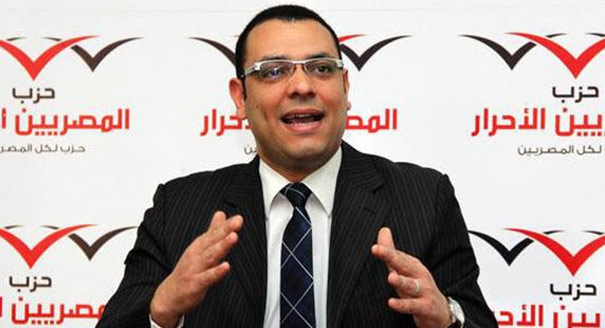
A backgrounder on the Free Egyptians Party.
This resource was published on 09/21/2011 and is not updated to reflect changing circumstances.
The Free Egyptians Party is fast emerging as a major player. With 100,000 registered members, it is probably second only to the Freedom and Justice Party in terms of its organization and potential. The Free Egyptians Party is the linchpin of the Egypt Bloc.
Naguib Sawiris: Founder
Ahmed Said: Member of party’s executive committee
Hani Sary al-Din: Member of party’s executive committee
Basel Adel: Member of party’s executive committee
Launched in April 2011 by Egyptian telecommunications mogul Naguib Sawiris, former chairman of Orascom Telecom Holding, the party can draw on large financial resources and management expertise. Sawiris, a Copt, has made it clear that the party is for all Egyptians, not just Copts, and the response suggests people believe him. The party is firmly pro-business and pro-trade, and focuses on economic development based upon a free economy, strong state institutions, and the rule of law. It accepts Islam as the state religion but advocates religious freedom in a civil state and stresses equality of all citizens regardless of creed. In terms of its platform, it is the most liberal of the Egypt Bloc members.
Carnegie does not take institutional positions on public policy issues; the views represented herein are those of the author(s) and do not necessarily reflect the views of Carnegie, its staff, or its trustees.
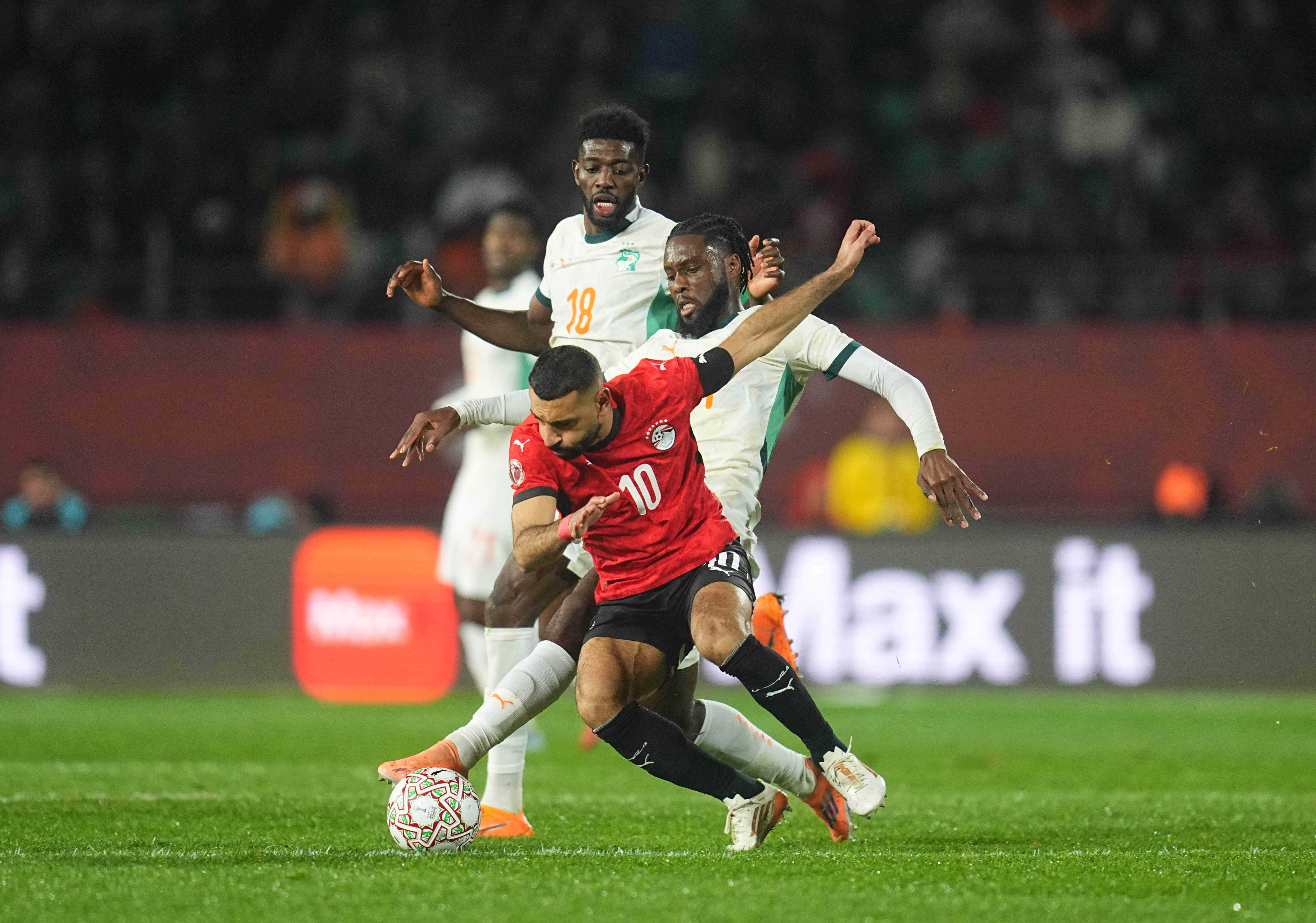
This will be the region’s most representative tournament, amid broad changes in its footballing landscape.

Issam Kayssi
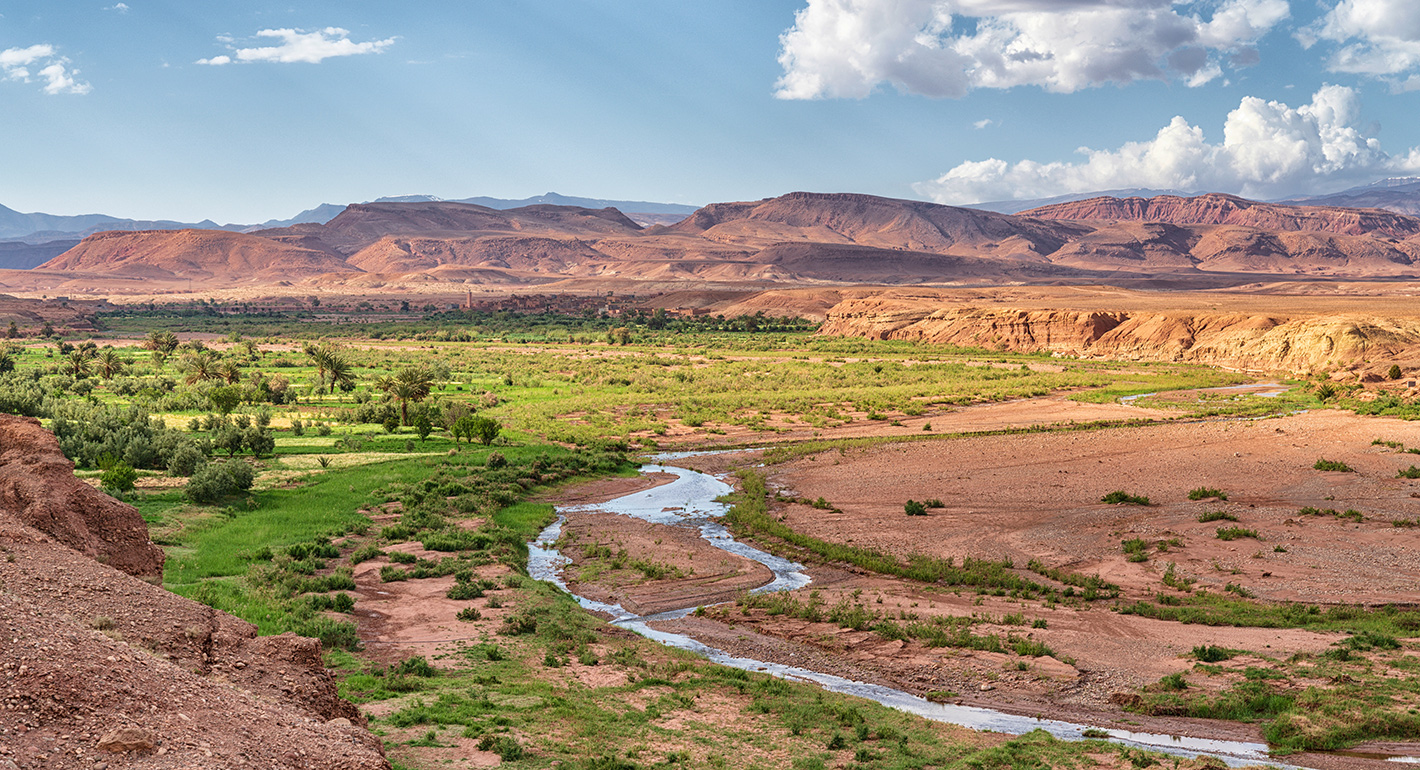
If Indigenous land and water dispossession is ignored, climate adaptation strategies risk reproducing inequalities and worsening acute climate vulnerability.

Frederic Wehrey, Charles H. Johnson
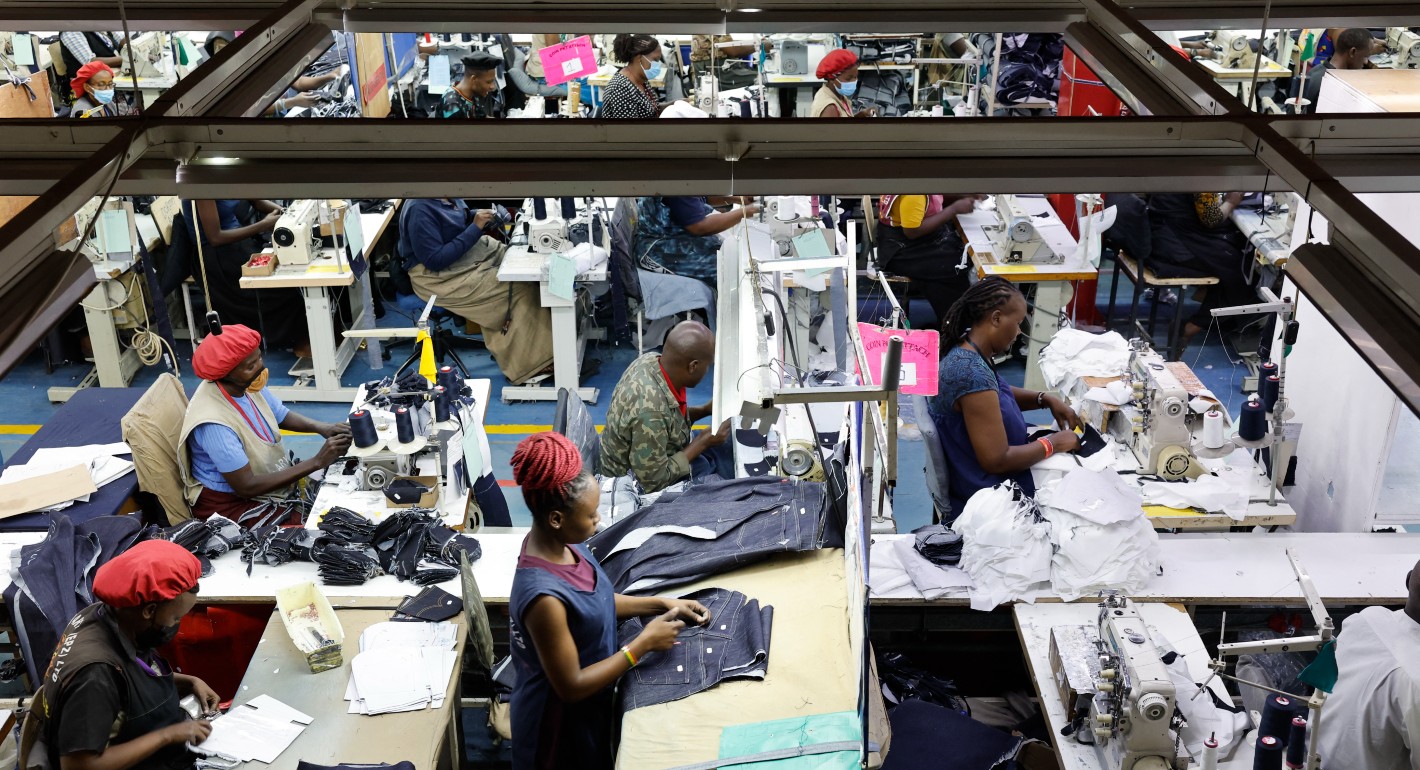
Strengthening U.S.-Africa trade and advancing U.S. interests aren’t conflicting goals.
Tyler Beckelman, Kholofelo Kugler

A partnership between India, a country of subcontinental size, and Africa, a continent of fifty-four countries, may seem asymmetric until one notes that both are home to nearly the same number of people—1.4 billion. This essay spells out the existing challenges to the partnership, its optimal potential, and the possible pathways to realize it over the next quarter-century.

Rajiv Bhatia
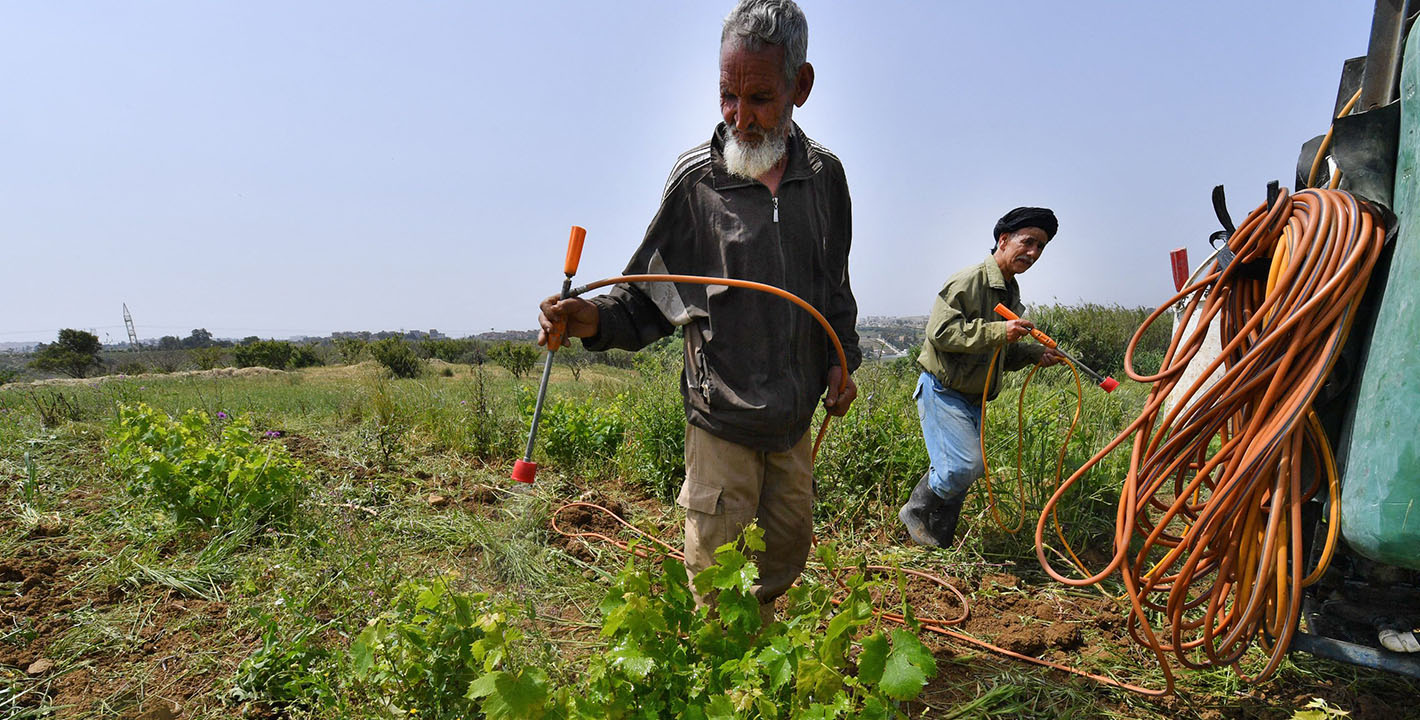
Understanding how farmers in the Oued Sahel-Soummam Valley grapple with climate change is essential for addressing the paradoxes through which adaptation, operating at both individual and institutional levels, deepens the region’s vulnerability and erodes the social fabric and agrarian identity that once defined life.
Ilyssa Yahmi