

Other
- +18
James M. Acton, Saskia Brechenmacher, Cecily Brewer, …
{
  "authors": [
    "Marwan Muasher"
  ],
  "type": "legacyinthemedia",
  "centerAffiliationAll": "dc",
  "centers": [
    "Carnegie Endowment for International Peace",
    "Malcolm H. Kerr Carnegie Middle East Center"
  ],
  "collections": [
    "Arab Awakening"
  ],
  "englishNewsletterAll": "menaTransitions",
  "nonEnglishNewsletterAll": "",
  "primaryCenter": "Carnegie Endowment for International Peace",
  "programAffiliation": "MEP",
  "programs": [
    "Middle East"
  ],
  "projects": [],
  "regions": [
    "Middle East",
    "North Africa",
    "Libya",
    "Tunisia",
    "Syria",
    "Maghreb"
  ],
  "topics": [
    "Political Reform"
  ]
}
Source: Getty
In countries like Syria and Libya, where the situation is still fluid and tumultuous, Tunisia provides a great example of how a transitional election should unfold.
Source: Viewpoints with James Zogby
Speaking on Viewpoints with James Zogby, Carnegie's Marwan Muasher explained why the Tunisian elections provide an exemplary model for the Arab world on what the beginnings of a democratic transition can look like. According to Marwan Muasher, “the results of the election, which was free from violence; the turnout, which was near 90 percent; the election committee, which ensured transparency; and the role of the military, all were very encouraging signs.” Although there is significant concern over the role of the Islamic Ennahda party, Muasher suggested that so far, Ennahda has shown itself to be a moderate Islamic party and has even run unveiled women candidates. Moreover, he pointed out that these elections are for a constituent assembly to draft a constitution. If Tunisians are unhappy with Ennahda, they can simply vote them out in the next elections, which are a year away.
In countries like Syria and Libya, and even Egypt to a certain extent, where the situation is still fluid and tumultuous, “Tunisia provides a great example of how a transitional election should unfold,” noted Muasher.

Vice President for Studies
Marwan Muasher is vice president for studies at Carnegie, where he oversees research in Washington and Beirut on the Middle East. Muasher served as foreign minister (2002–2004) and deputy prime minister (2004–2005) of Jordan, and his career has spanned the areas of diplomacy, development, civil society, and communications.
Recent Work


James M. Acton, Saskia Brechenmacher, Cecily Brewer, …


Amr Hamzawy, Andrew Leber, Marwan Muasher, …
Carnegie does not take institutional positions on public policy issues; the views represented herein are those of the author(s) and do not necessarily reflect the views of Carnegie, its staff, or its trustees.
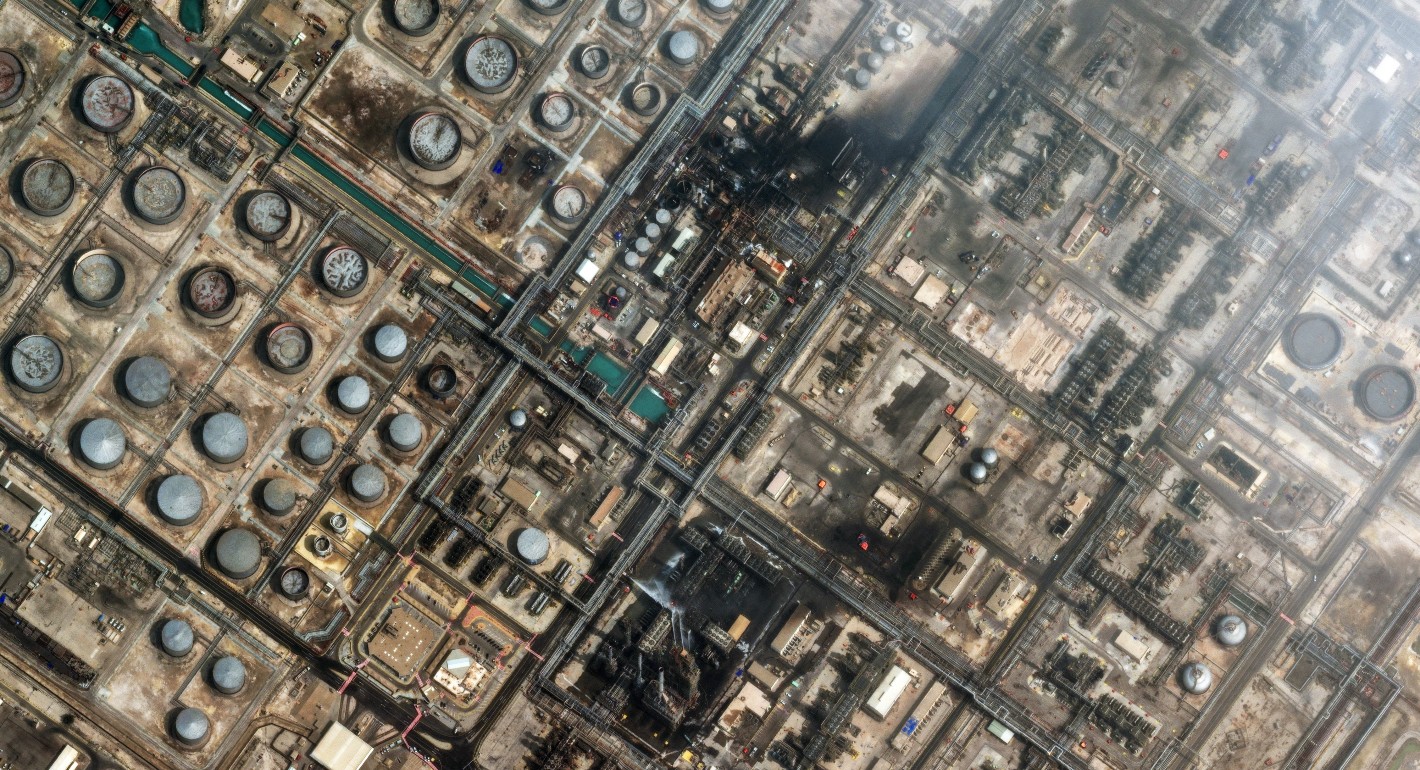
Tehran’s attacks are reshaping the security situation in the Middle East—and forcing the region’s clock to tick backward once again.
Amr Hamzawy
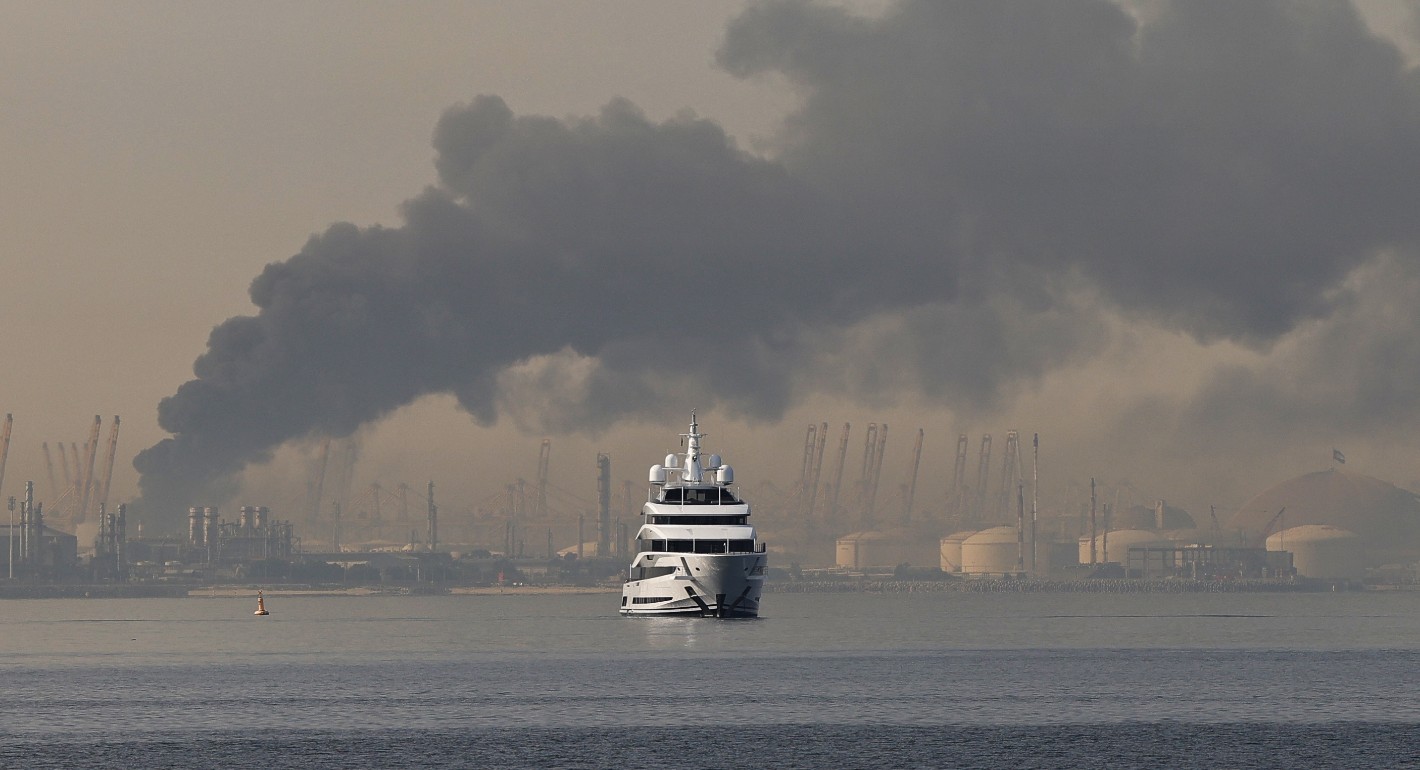
Only collective security can protect fragile economic models.
Andrew Leber
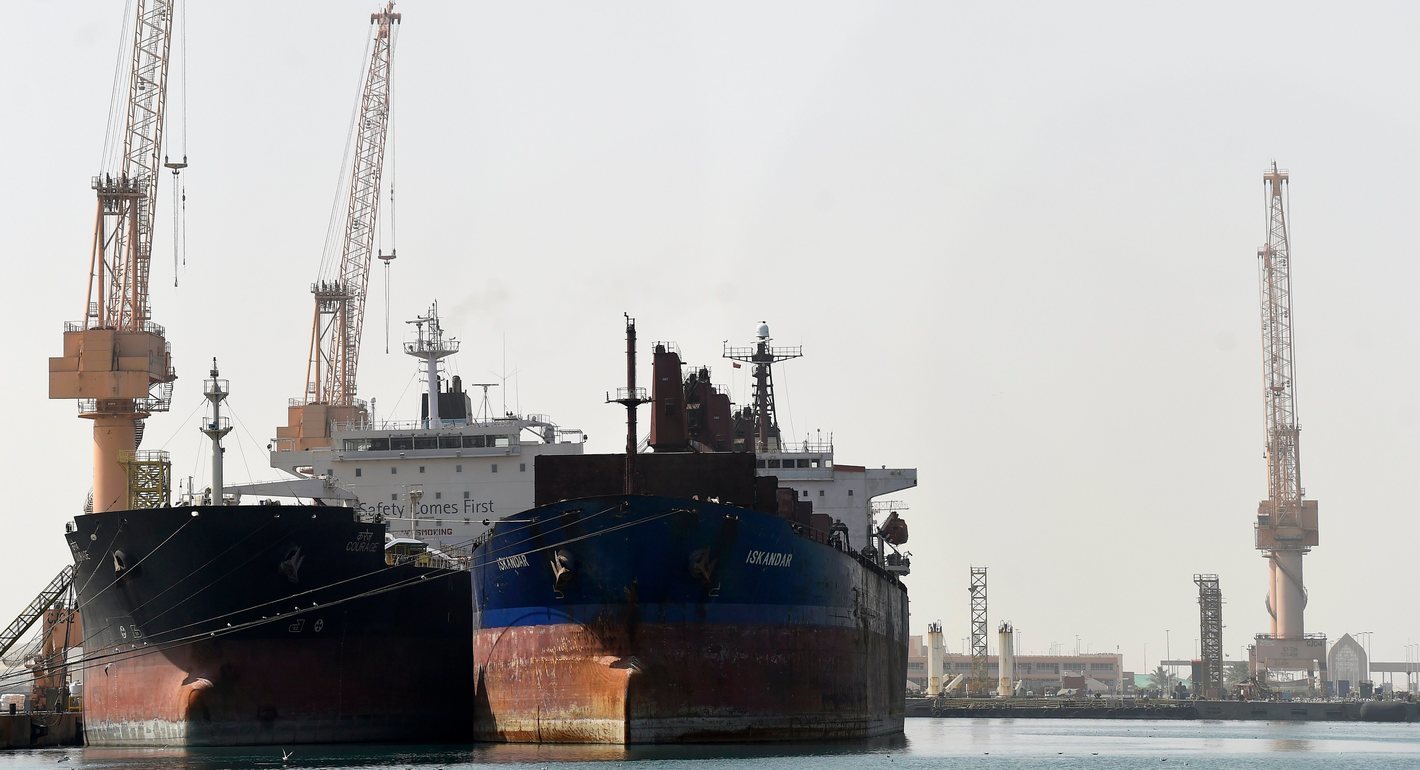
In a volatile Middle East, the Omani port of Duqm offers stability, neutrality, and opportunity. Could this hidden port become the ultimate safe harbor for global trade?
Giorgio Cafiero, Samuel Ramani

Europe’s reaction to the war in Iran has been disunited and meek, a far cry from its previously leading role in diplomacy with Tehran. To avoid being condemned to the sidelines while escalation continues, Brussels needs to stand up for international law.

Pierre Vimont
Two experts discuss how drone technology is shaping yet another conflict and what the United States can learn from Ukraine.

Steve Feldstein, Dara Massicot