

Commentary
The Trump administration’s disruption attempts at the UN shipping agency are a test of multilateralism’s ability to defy the United States.
Theodore Zaritsky, Stewart Patrick
{
  "authors": [
    "Yaping Wang"
  ],
  "type": "legacyinthemedia",
  "centerAffiliationAll": "",
  "centers": [
    "Carnegie Endowment for International Peace",
    "Carnegie Europe",
    "Carnegie China"
  ],
  "collections": [
    "China’s Foreign Relations"
  ],
  "englishNewsletterAll": "",
  "nonEnglishNewsletterAll": "",
  "primaryCenter": "Carnegie China",
  "programAffiliation": "",
  "programs": [],
  "projects": [],
  "regions": [
    "Asia",
    "Europe",
    "East Asia",
    "China",
    "Western Europe"
  ],
  "topics": [
    "Foreign Policy",
    "Economy",
    "Trade"
  ]
}
Source: Getty
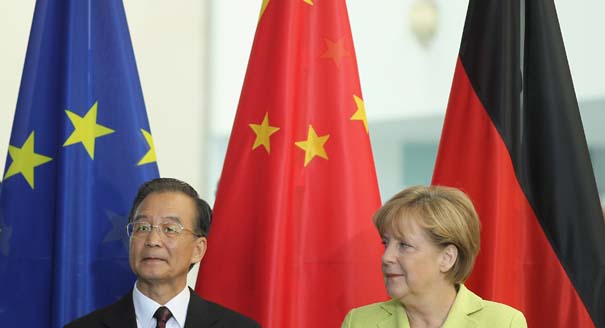
Europe's economic and political worries feed into three myths about EU-China relations that should form the basis of discussions at this year’s European Union-China summit in Tianjin.
Source: Independent

True, but it is more nuanced than that. There has been a change of attitude in Europe towards China in recent years. From the late 1990s until 2006, many Europeans wanted to align themselves with China as a counterbalance to the United States. Additionally, China was generally considered a great trading partner with enormous market potential. And most people in the European Commission saw China as highly malleable, a student of the West, and a follower of the existing world order. But 10 years after China’s accession into the WTO, Europeans are becoming increasingly impatient with China’s progress on transparency, intellectual property rights protection, and on eliminating various forms of industry subsidies and trade barriers. Public attitudes in Europe towards China now deteriorate year after year. Politicians in Brussels and some European companies have become more and more critical about China. At the core of the issue is both China’s growing competitiveness and the EU’s deflated confidence due to its internal problems. As Catherine Ashton, EU High Representative for Foreign Affairs and Security Policy said, “China will not match EU standards of human rights and rule of law for some time to come. Future convergence is best sought by concentrating on common ground…We need to manage mutual expectations.” Conversely, this disenchantment may be mutual. China had high expectations for Europe too, both strategically and economically. And it was likewise disappointed at the arms embargo, the Dalai Lama’s visit, technology transfers, among other actions. Moving forward, both sides will need to manage mutual expectations.
False, the EU does not have a coherent policy towards China. The lack of coherence is threefold: among the different European institutions, among member states, and between the EU and the member states. Among the different European institutions, a large amount of research and writing has been done on a variety of topics related to China – usually in the European Commission – but these have never been fully integrated. Even if the European Commission had a unified China strategy, the member states might not agree with it. And because foreign policy falls under the domain of each member state, the member states often do not even agree with each other on their China policies. This is both good news and bad news for China. On the one hand, like Russia and the United States, China could “divide and conquer,” capitalizing on the fault lines to seek various political and economic concessions. On the other hand, China could be played by the EU scapegoating; each country can blame Brussels or each other for their actions. At the end of the day, the EU has to realize the advantages of speaking with one voice, not only on China but also on a myriad of issues. Again, this turns back to the EU’s internal issues.
Not necessarily. First, with the exception of a few countries, the European debt crisis did not keep the EU from joining NATO’s bombing campaign in Libya. Putting aside the factor of diverting domestic tensions, the majority of the EU still sees the Middle East/North Africa region as its backyard. Second, albeit not without some scepticism, a significant portion of Europeans view China as Europe’s last hope. China remains America’s largest creditor; with its vast foreign exchange reserves, China may as well pull Europe out of the abyss. On top of that, many people believe that Germany’s economic rebound was largely conditional on its exports to China. Therefore, trading with China may lie as a key to solving the EU’s economic problems at home. It is also important to note that Europe is not the only one with troubles at home. Plenty of domestic challenges—income disparity, pollution, and unemployment—are of concern to many Chinese leaders. Nonetheless, these challenges at home on either side are not likely to diminish the significance of EU-China relations. But as mentioned above, both the EU and China should keep pragmatic expectations of each other and of the EU-China relations.

Yaping Wang
Former Senior Editor
Yaping Wang was senior editor of the Asia Program’s monthly web-based newsletter, Carnegie China Insight.
Carnegie does not take institutional positions on public policy issues; the views represented herein are those of the author(s) and do not necessarily reflect the views of Carnegie, its staff, or its trustees.

The Trump administration’s disruption attempts at the UN shipping agency are a test of multilateralism’s ability to defy the United States.

Theodore Zaritsky, Stewart Patrick
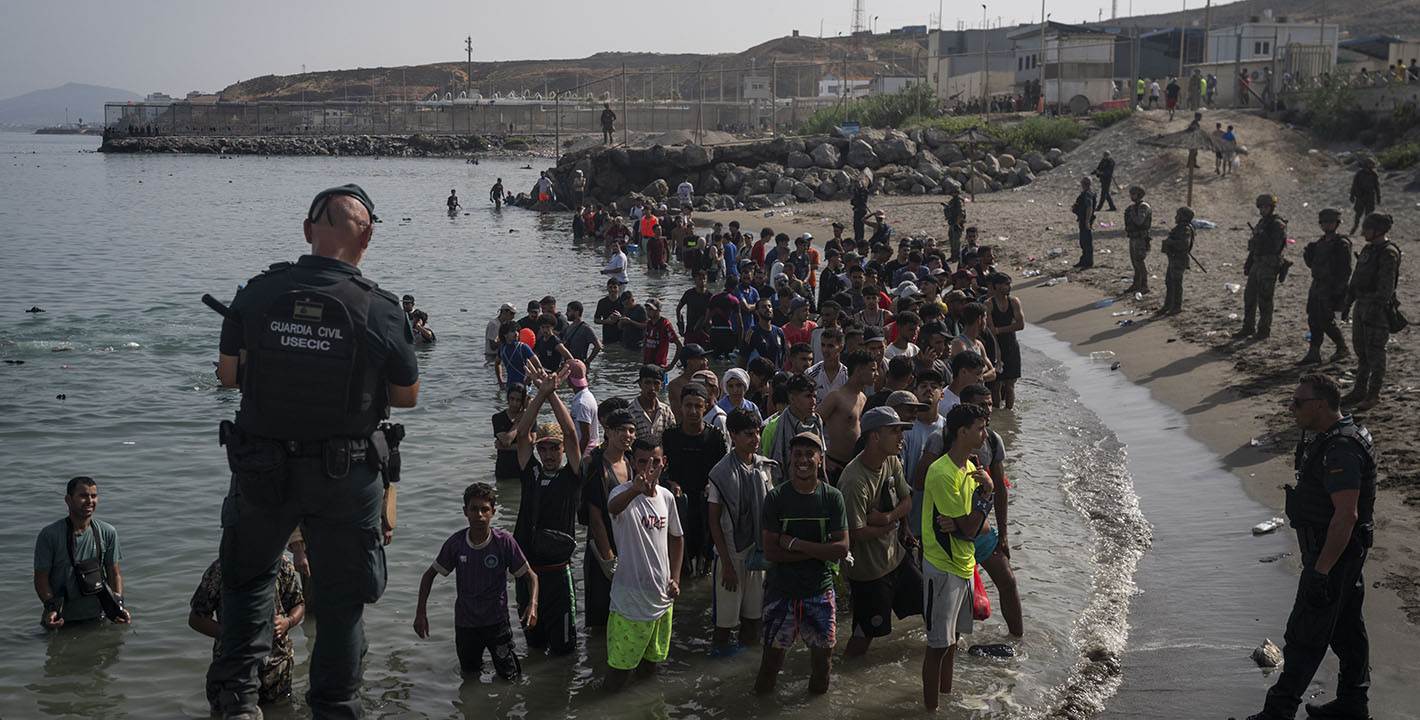
A recent incident in which tens of thousands of people suddenly crossed into an overseas Spanish territory from neighboring Morocco has spurred Spain and other European countries to further lean into the often myopic logic of frontier security, all the while ignoring the economic, political, and social processes that give rise to irregular migration.

Yasmine Zarhloule
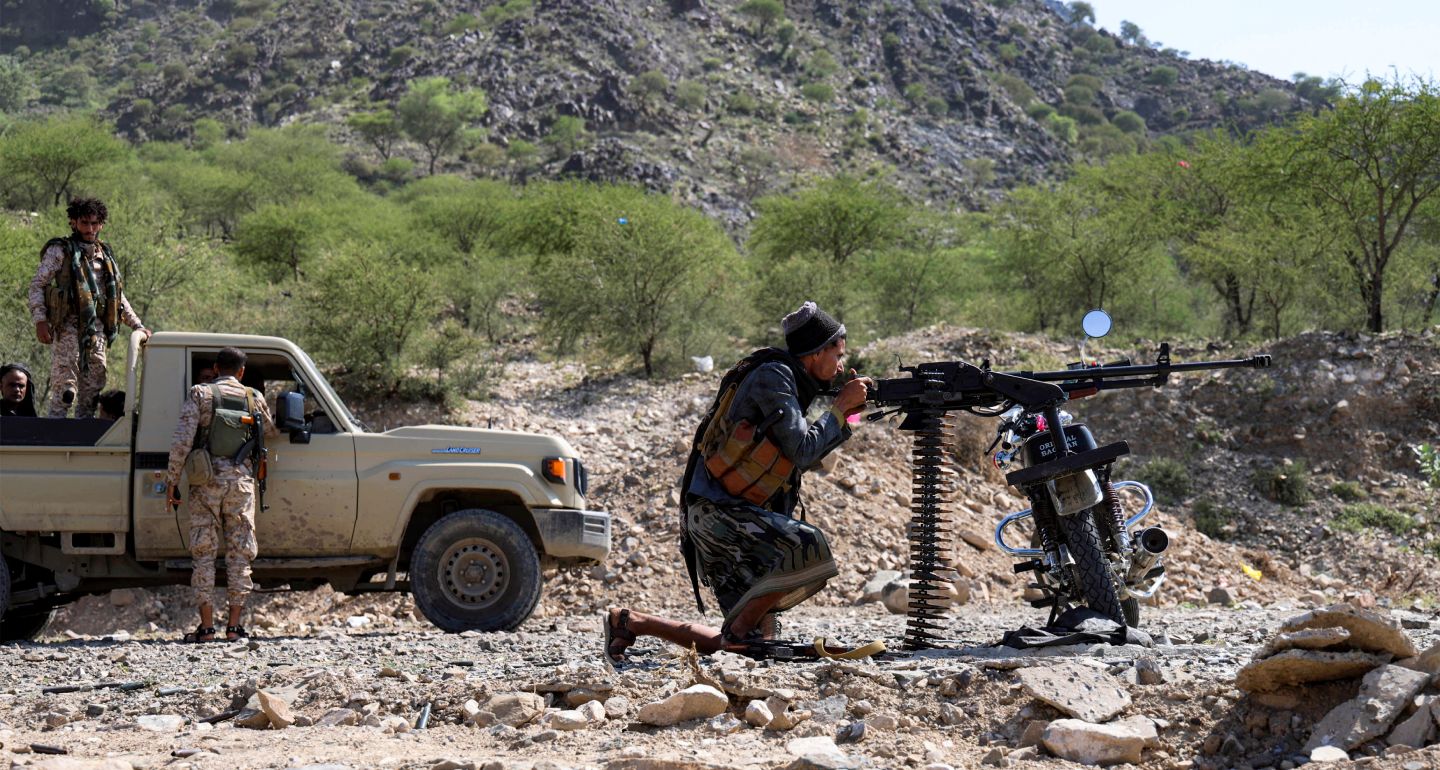
Russia officially endorses Yemen’s formal government while quietly providing military support to the Houthi rebels. However, recent escalation in Yemen has thrust Russia’s game into the spotlight—and risks endangering its relations with the Gulf states.

Ruslan Suleymanov
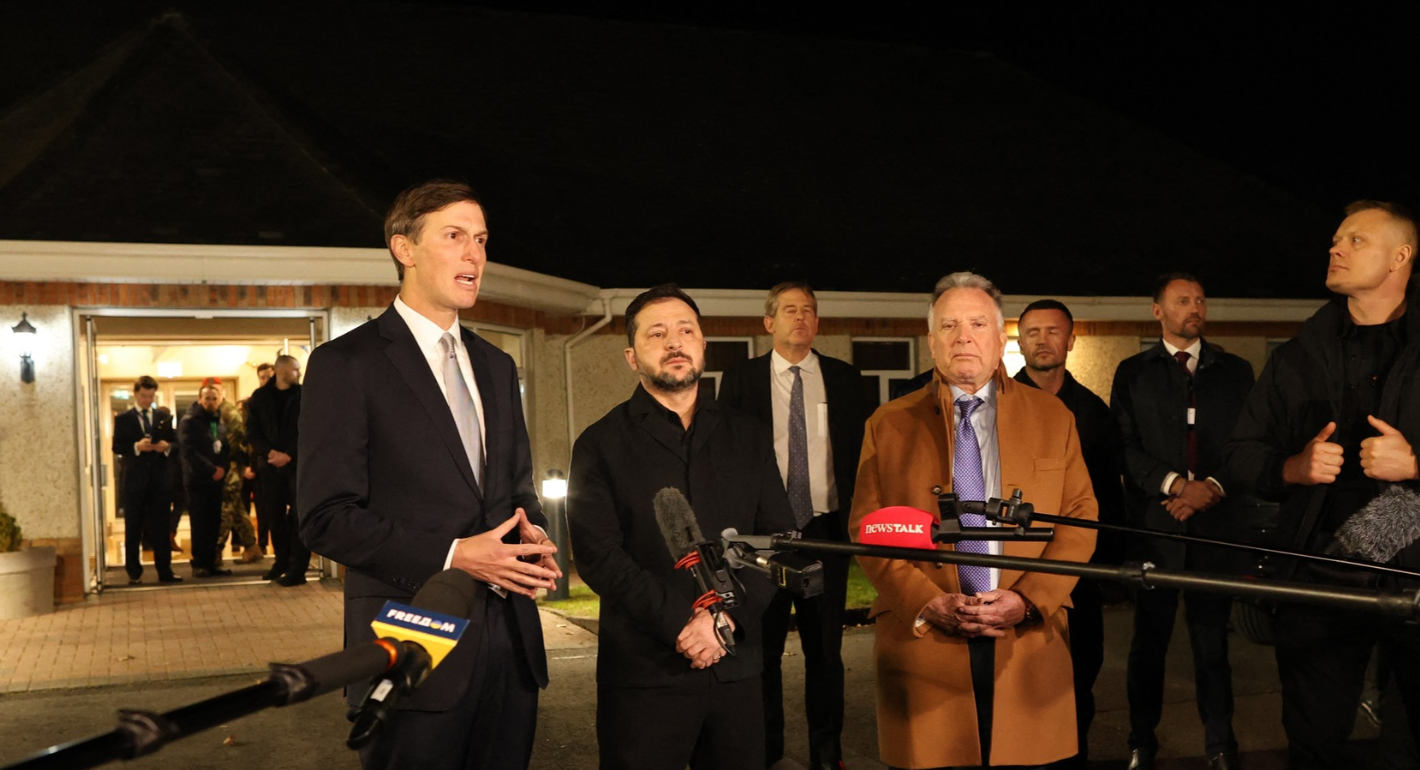
Russia’s maximalist demands are preventing any serious attempt at ending the war in Ukraine. To make peace a realistic prospect, Putin must recognize that diplomacy is a two-way street.

Kadri Liik
An overreliance on coercive military action has moved the United States further from its goals in the Middle East and North Africa.

Amr Hamzawy, Kathryn Selfe