

Commentary
In Colombia and elsewhere in the region, the United States is trying to shape election outcomes—but at what cost?
Oliver Stuenkel, Adrian Feinberg
{
  "authors": [
    "Seyed Hossein Mousavian"
  ],
  "type": "questionAnswer",
  "centerAffiliationAll": "",
  "centers": [
    "Carnegie Endowment for International Peace"
  ],
  "collections": [],
  "englishNewsletterAll": "",
  "nonEnglishNewsletterAll": "",
  "primaryCenter": "Carnegie Endowment for International Peace",
  "programAffiliation": "",
  "programs": [],
  "projects": [],
  "regions": [
    "Middle East",
    "Iran"
  ],
  "topics": [
    "Foreign Policy",
    "Nuclear Policy"
  ]
}
Source: Getty
Iran’s nuclear program continues to be a source of tension between Iran and the West, but there appears to be an increasingly positive atmosphere in Iran for reaching a nuclear deal.
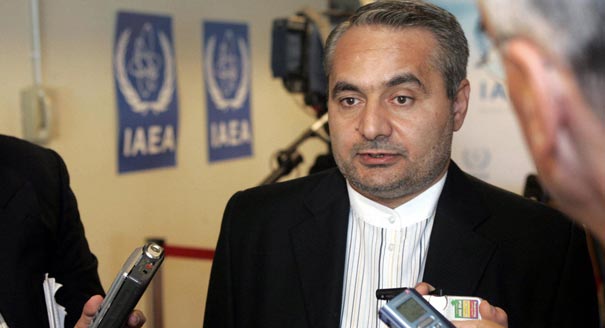
Iran’s nuclear program continues to be a source of tension between Iran and the West. Hossein Mousavian, the former spokesmen for Iran’s nuclear negotiating team and author of the forthcoming book, The Iranian Nuclear Crisis: A Memoir, speaks with Tom Carver about what the negotiations with the West over Iran’s nuclear activities are like from inside Iran. Mousavian sees an increasingly positive atmosphere in Iran for reaching a nuclear deal and believes that a military strike on Iran, while highly unlikely, would be catastrophic for the entire region.
MOUSAVIAN: On the nuclear negotiations, the ultimate decisionmaker is the Supreme Leader. This is not only on nuclear issues. By the Iranian constitution, the main issues on foreign policy are all decided ultimately by the religious leader.
It doesn’t matter who rules Iran—monarchy or clerics. If clerics, it is an Islamic Republic. If the president is moderate like Rafsanjani or reformist like Khatami or radical or conservative like Ahmadinejad, it doesn’t matter. This is the red line: no nuclear bomb but nuclear technology.
CARVER: You were arrested in 2007 for criticizing the President. What was that about?
MOUSAVIAN: The president was publically, without naming me, was raising espionage charges. Because of these accusations, three courts and three judges during 2007 and 2008 investigated my files and I was cleared of the charges.
CARVER: So this was politically motivated?
MOUSAVIAN: I’m sure.
CARVER: It seems that in the last few weeks, the whole tone of the negotiations with the West have become more positive. Is that right, do you think?
MOUSAVIAN: Definitely there is a much more positive atmosphere. It is not only in the West. It is also within Iranian public opinion and Iranian politicians are much more optimistic today. And the reason is because of the recent meeting in Istanbul.
The P5+1 accepted to find a solution within the Non-Proliferation Treaty. Before, they were always asking for requirements from Iran beyond the NPT, like zero enrichment.
They have admitted the principle of reciprocity. This was something that since 2003 we were telling them. That if you are going to find a face-saving solution, we need reciprocity. If we take one step, you should take one step and go forward.
They were not ready. They were always telling us, “You should take steps.” And in the end, they agreed to a step-by-step plan. In my book, I have explained that all proposals we made since 2003 were step-by-step plans. But the P5+1 and EU3 were looking at a piecemeal approach. Iran has always been looking for a broad package to be implemented step by step because Iranians always want to see the end state, the end game.
CARVER: Do you think that military action against Iran is likely?
MOUSAVIAN: I think this is not very likely because the United States has learned a lot about the military strikes they conducted against Afghanistan and Iraq. As far as I understand, neither the United States nor the Europeans are ready for a third war in the Middle East. And I cannot imagine Israel would go for a unilateral military strike against Iran without U.S. engagement or U.S. backing.
CARVER: And if it were to happen, the effect on the regime would be what?
MOUSAVIAN: If there is a military strike, from either Israelis unilaterally or with Americans, it would be a disaster. On the nuclear issue, I’m convinced Iran would withdraw from the NPT and no one can guarantee then that Iranians would not divert to a nuclear weapon because this would be an existential threat for Iran. And the consequences would engulf the whole region and beyond. This would be catastrophic.
Seyed Hossein Mousavian
Princeton University
Carnegie does not take institutional positions on public policy issues; the views represented herein are those of the author(s) and do not necessarily reflect the views of Carnegie, its staff, or its trustees.

In Colombia and elsewhere in the region, the United States is trying to shape election outcomes—but at what cost?
Oliver Stuenkel, Adrian Feinberg
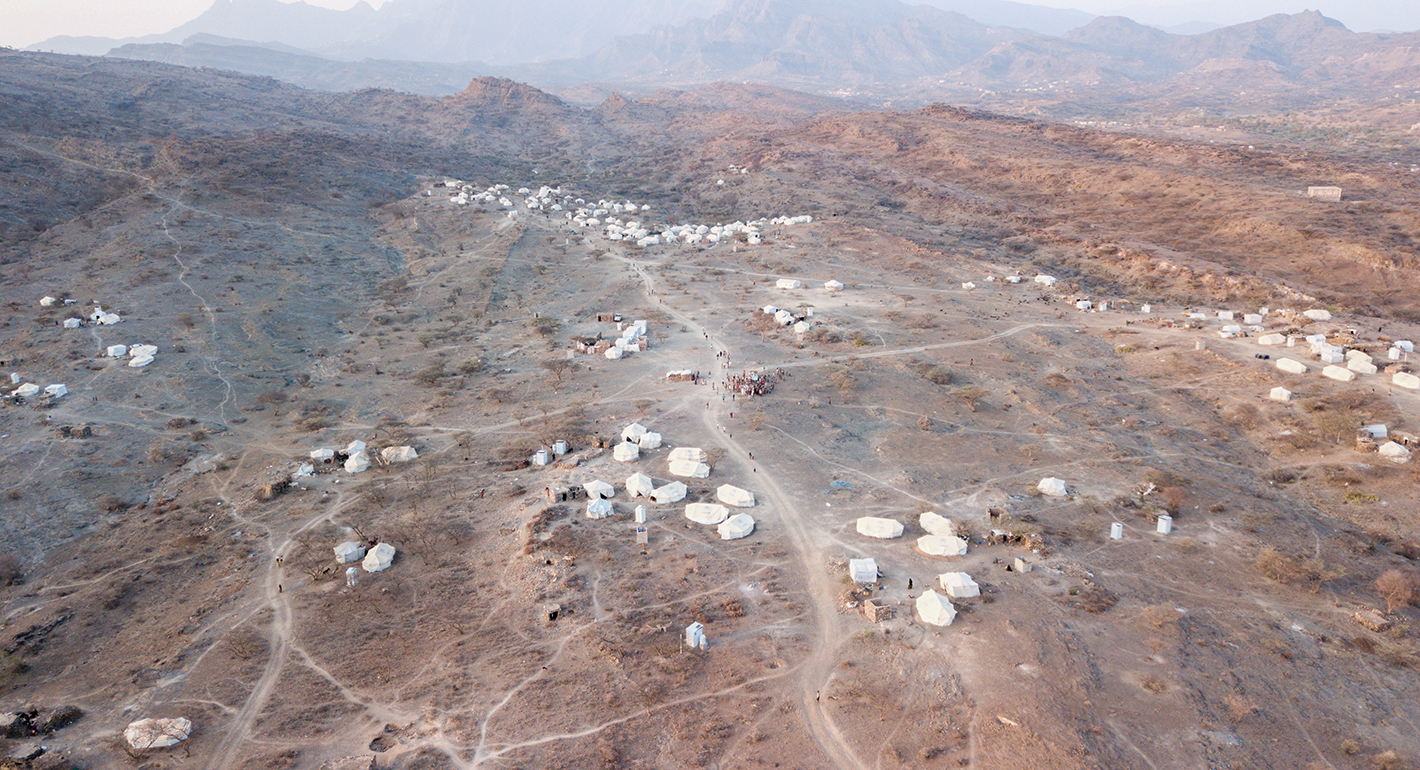
The world’s climate adaptation funds must adapt to address the ways that climate change is deepening state fragility.
Ray Salvatore Jennings, Paul Andrew Mayewski
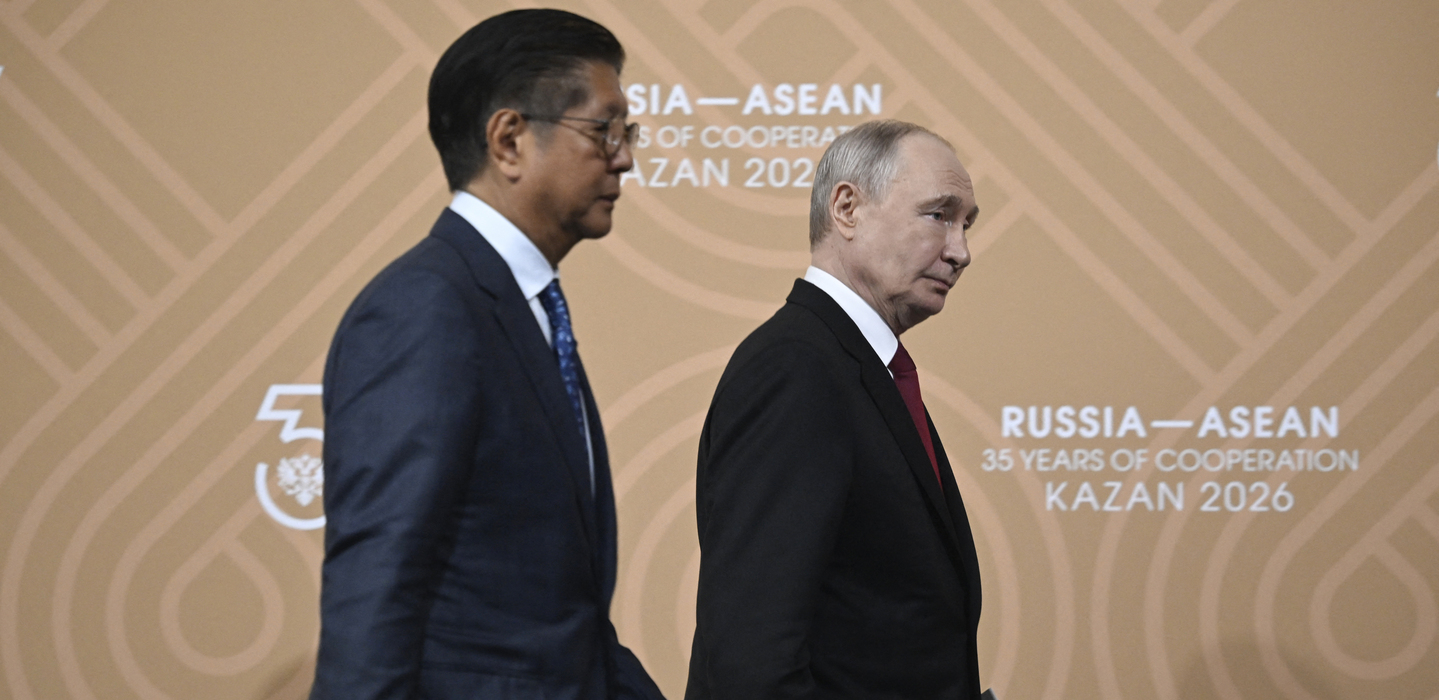
Russia looks set to reap economic benefits from closer ties with Southeast Asian countries that are keen to find reliable energy suppliers and diversify trade ties.

Alexander Gabuev
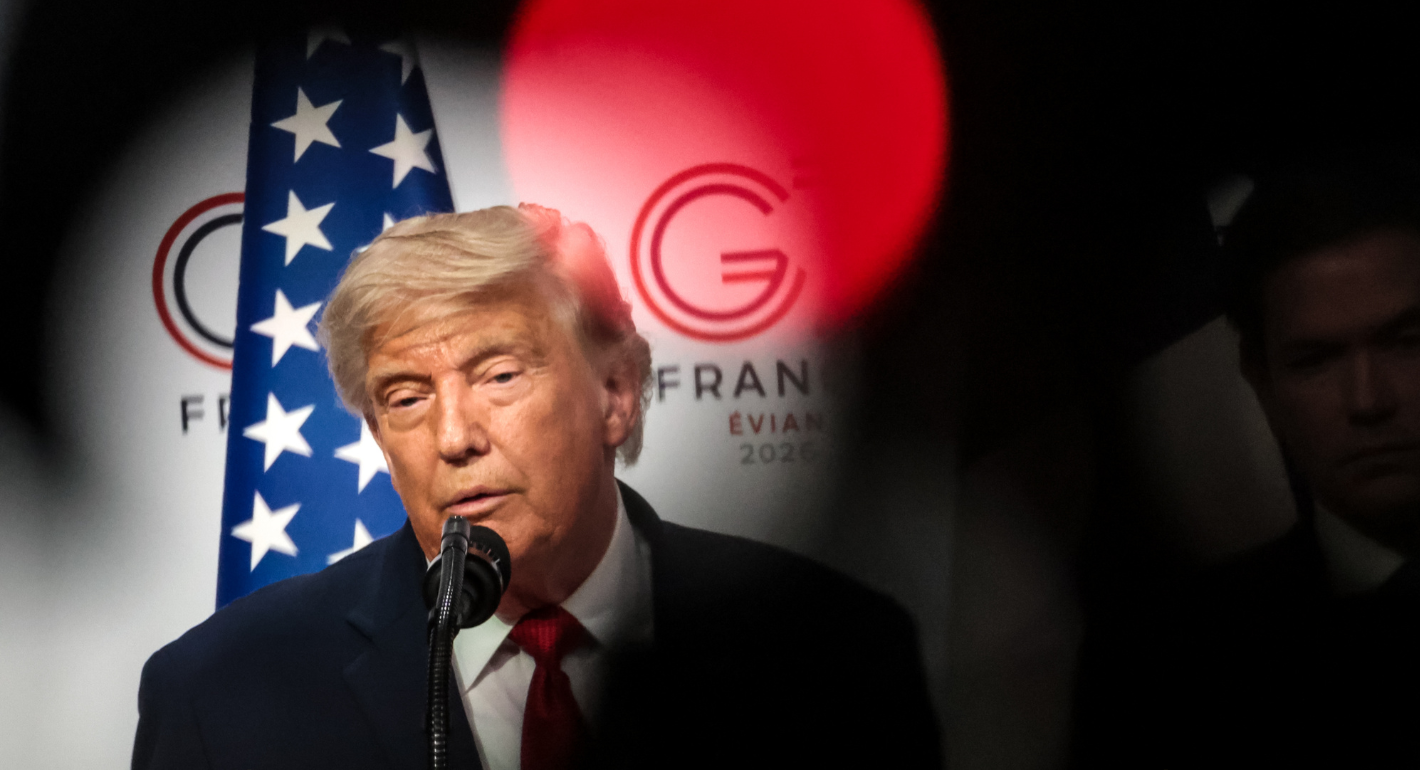
There is an elephant in the room when it comes to the EU’s upcoming security strategy: Donald Trump. Unless European leaders acknowledge the depth of the transatlantic crisis, true autonomy will remain out of reach.

Stefan Lehne

Ongoing uncertainty in the Middle East allows Moscow to both increase its influence in Tehran and continue to enjoy the financial windfall of higher oil prices.

Nikita Smagin