

Q&A
Raluca Csernatoni, Sinan Ülgen
{
  "authors": [
    "Sinan Ülgen"
  ],
  "type": "legacyinthemedia",
  "centerAffiliationAll": "",
  "centers": [
    "Carnegie Endowment for International Peace",
    "Carnegie Europe",
    "Malcolm H. Kerr Carnegie Middle East Center"
  ],
  "collections": [
    "Turkey’s Transformation",
    "Transatlantic Cooperation"
  ],
  "englishNewsletterAll": "",
  "nonEnglishNewsletterAll": "",
  "primaryCenter": "Carnegie Europe",
  "programAffiliation": "",
  "programs": [],
  "projects": [],
  "regions": [
    "Middle East",
    "Europe",
    "Türkiye",
    "Levant"
  ],
  "topics": [
    "Security",
    "Political Reform",
    "Economy"
  ]
}
Source: Getty
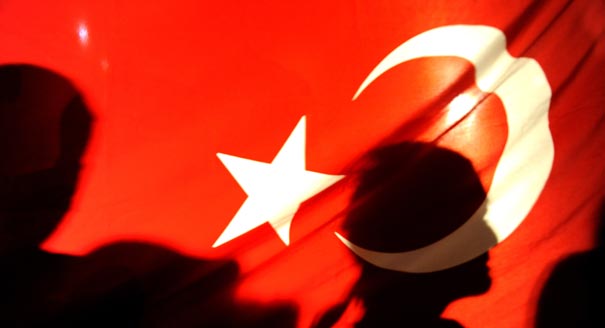
Over the course of a decade, Turkey has transformed itself from a status quo-oriented, peripheral member of NATO to an emerging power with an ambition to shape regional power dynamics.
Source: SAIS Review

Over the course of a decade, Turkey has transformed itself from a status quo-oriented, peripheral member of the North Atlantic Treaty Organization (NATO) to an emerging power with an ambition to shape regional power dynamics. This transformation was accomplished in two phases. In the first phase, backed by its impressive economic performance, Turkey emerged as an influential regional actor, prioritizing its soft power. The second, ongoing phase was prompted by the Arab Spring and Turkey’s need to respond to these changes. This paper examines the drivers of both transformation phases and evaluates the consequences for Turkey’s relations with its neighbors.
This article was originally published in SAIS Review, Vol. 32, No. 2, Summer-Fall 2012.

Senior Fellow, Carnegie Europe
Sinan Ülgen is a senior fellow at Carnegie Europe in Brussels, where his research focuses on Turkish foreign policy, transatlantic relations, international trade, economic security, and digital policy.
Recent Work

Raluca Csernatoni, Sinan Ülgen
Catherine Hoeffler, Sinan Ülgen
Carnegie does not take institutional positions on public policy issues; the views represented herein are those of the author(s) and do not necessarily reflect the views of Carnegie, its staff, or its trustees.
One is hopeful. One is realistic. One is cautionary.

Andrew Leber, Sam Worby
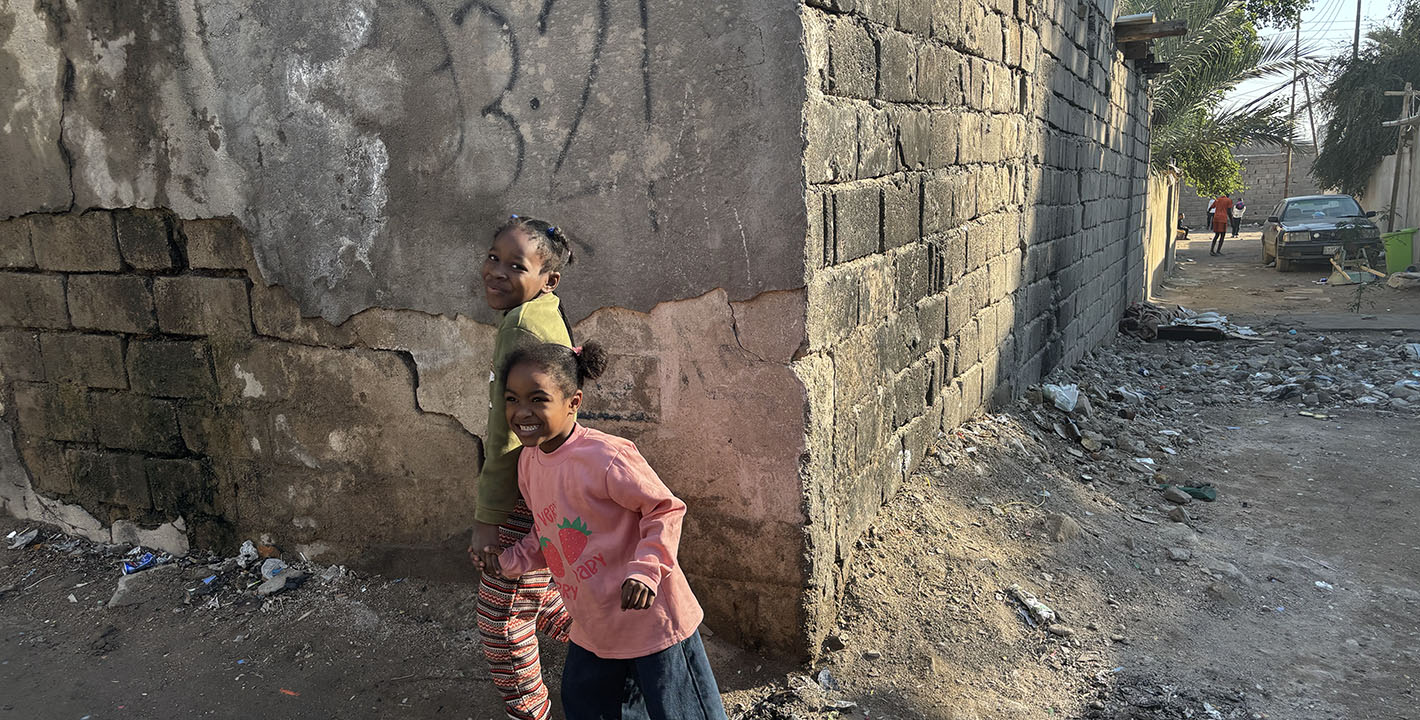
Afro-Iraqis experience political, economic, and social marginalization and discrimination, which exposes the poorest members of the community to the harsh realities of the region’s climate disaster.
Zeinab Shuker
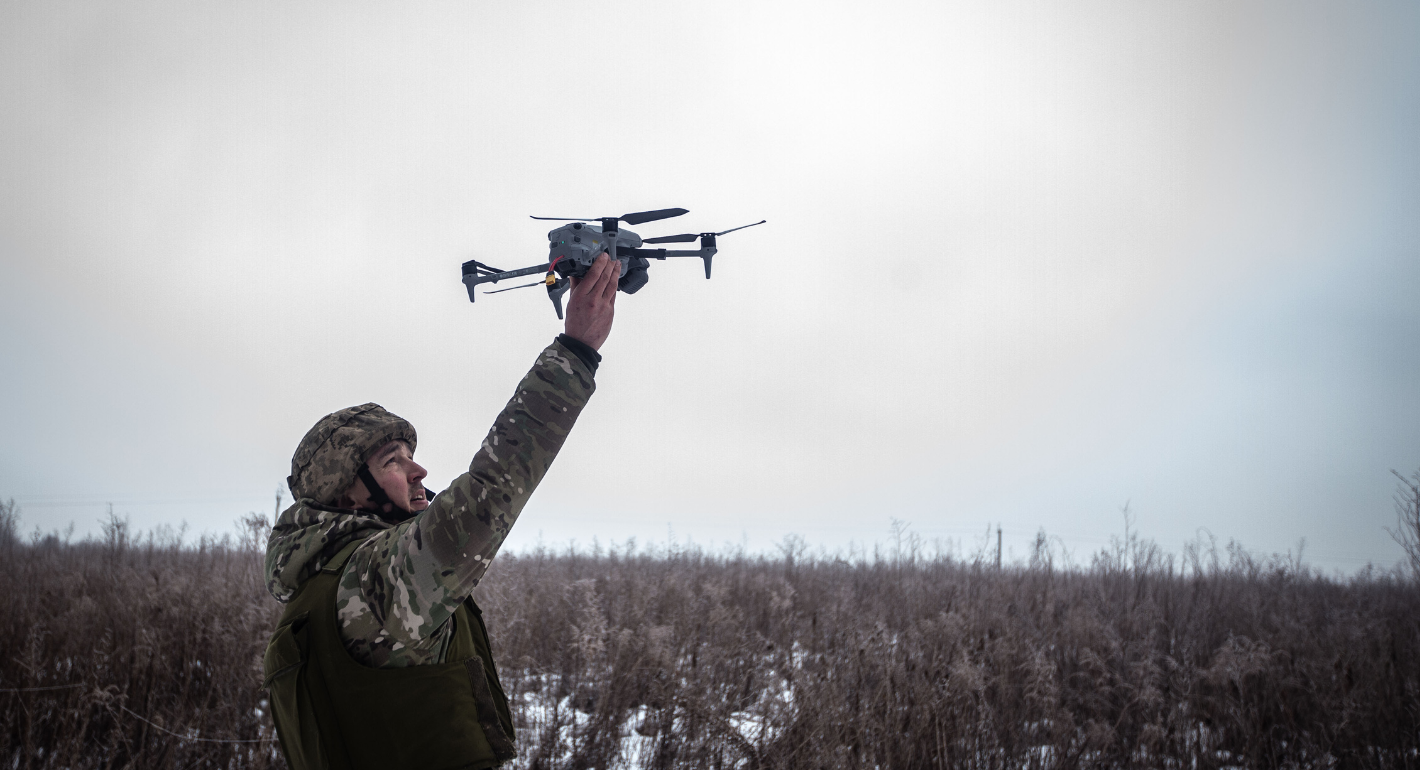
In Ukraine, Gaza, and Iran, AI warfare has come to dominate, with barely any oversight or accountability. Europe must lead the charge on the responsible use of new military technologies.
Raluca Csernatoni
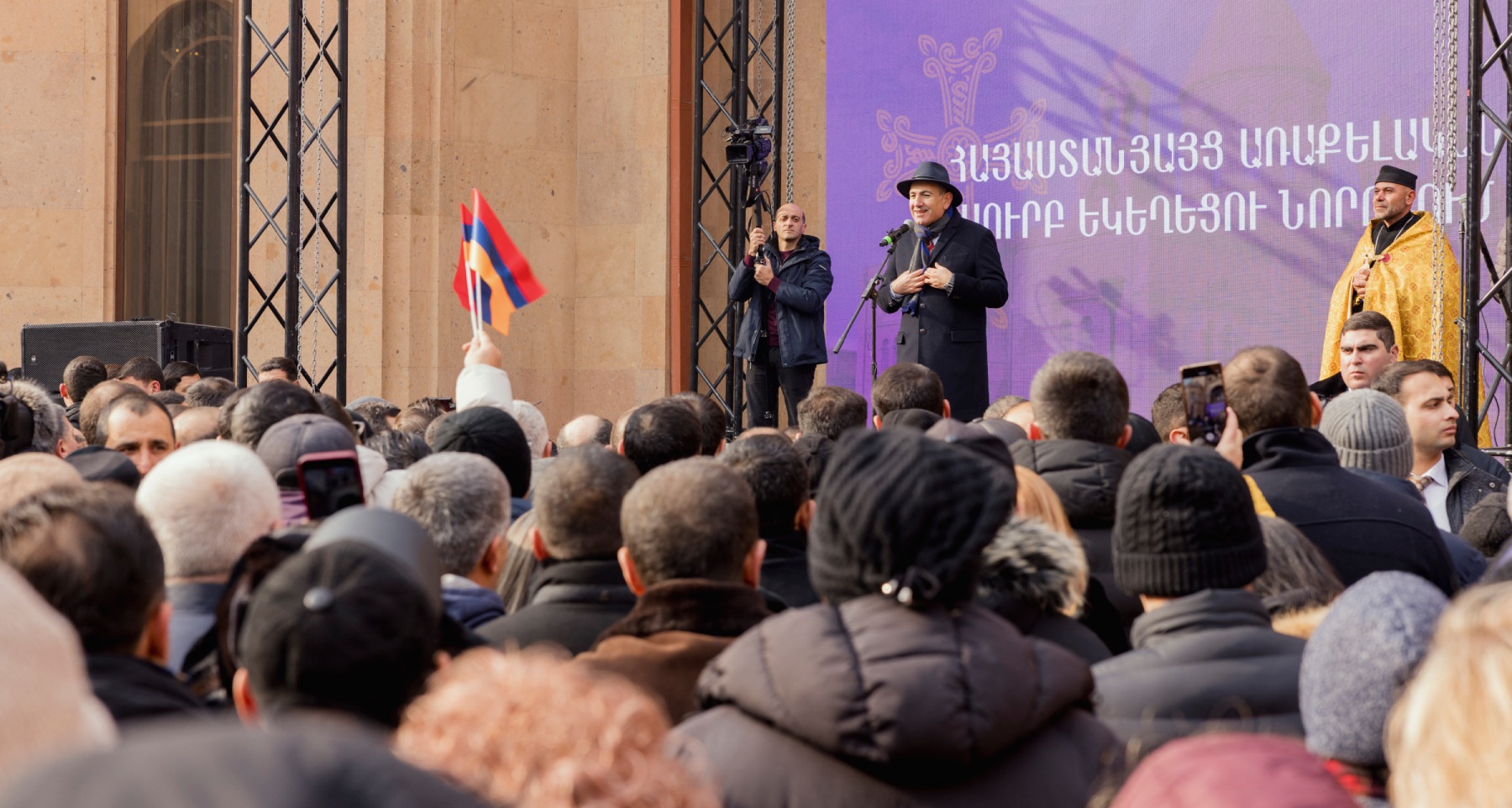
It’s true that many Armenians would vote for anyone just to be rid of Pashinyan, whom they blame for the loss of Nagorno-Karabakh, but the pro-Russia opposition is unlikely to be able to channel that frustration into an electoral victory.
Mikayel Zolyan
Military rule is now a defining political factor in South Asia. Here’s how analysts can understand and account for it.

Paul Staniland