

Paper
Lora Saalman
{
  "authors": [
    "Lora Saalman"
  ],
  "type": "legacyinthemedia",
  "centerAffiliationAll": "",
  "centers": [
    "Carnegie Endowment for International Peace",
    "Carnegie China"
  ],
  "collections": [],
  "englishNewsletterAll": "",
  "nonEnglishNewsletterAll": "",
  "primaryCenter": "Carnegie Endowment for International Peace",
  "programAffiliation": "",
  "programs": [],
  "projects": [],
  "regions": [
    "North America",
    "United States",
    "East Asia",
    "China"
  ],
  "topics": [
    "Nuclear Policy",
    "Security",
    "Arms Control"
  ]
}
Source: Getty
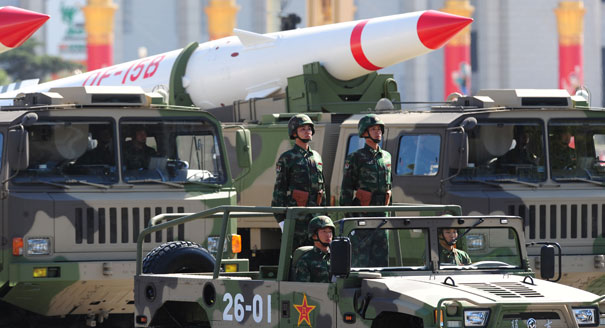
While interdependence might bring China to the negotiation table, its presence does not guarantee meaningful engagement, much less nuclear reductions.
Source: Strategic Stability: Contending Interpretations
In China, everything from its “peaceful rise” to “harmonious development” has been predicated on economic incentives to maintain a stable environment. While China’s rapid economic growth would enable it to greatly expand its nuclear arsenal, this priority has conversely compelled it to emphasize economic growth and stability over arms racing. As part of this logic, interdependence is a driver of stability. While the concept is not new, its linkage to strategic stability is.Interdependence fits China’s construct for relations with the rest of the world, based on intertwined interests and economic incentives. Yet, there exists a parallel discourse on comprehensive national power (CNP) in China. The latter predates the former and posits that China’s lack of comparative political, economic, and military power constrains its participation in strategic stability talks or nuclear reduction negotiations. When these two discourses intersect, however, Chinese claims of inadequate CNP are increasingly difficult to justify.
This trend has far-reaching implications for Sino-U.S. strategic relations. While interdependence might bring China to the negotiation table, its presence does not guarantee meaningful engagement, much less nuclear reductions. So while much ink has been spilled on whether or not China will sprint to parity, not enough has been devoted to whether it has adequate incentives to walk towards zero. This essay shows that Chinese experts are likely to find the opportunity costs of disarmament to be greater than the benefits.
This article was originally published in Strategic Stability: Contending Interpretations

Former Nonresident Associate, Nuclear Policy Program
Saalman was a nonresident associate in the Nuclear Policy Program at the Carnegie Endowment for International Peace. Her research focuses on China’s nuclear and strategic policies toward India, Russia, and arms control.
Recent Work
Lora Saalman
Lora Saalman
Carnegie does not take institutional positions on public policy issues; the views represented herein are those of the author(s) and do not necessarily reflect the views of Carnegie, its staff, or its trustees.

China’s banking crisis in the 2000s was resolved by transferring the costs to households through financial repression—a decision that recapitalized the banks while exacerbating the structural imbalances that continue to shape the Chinese economy today.

Michael Pettis

Nuclear and maritime communities face a long and challenging journey to deploy commercial nuclear applications at sea.


Jamie Kwong, Toby Dalton
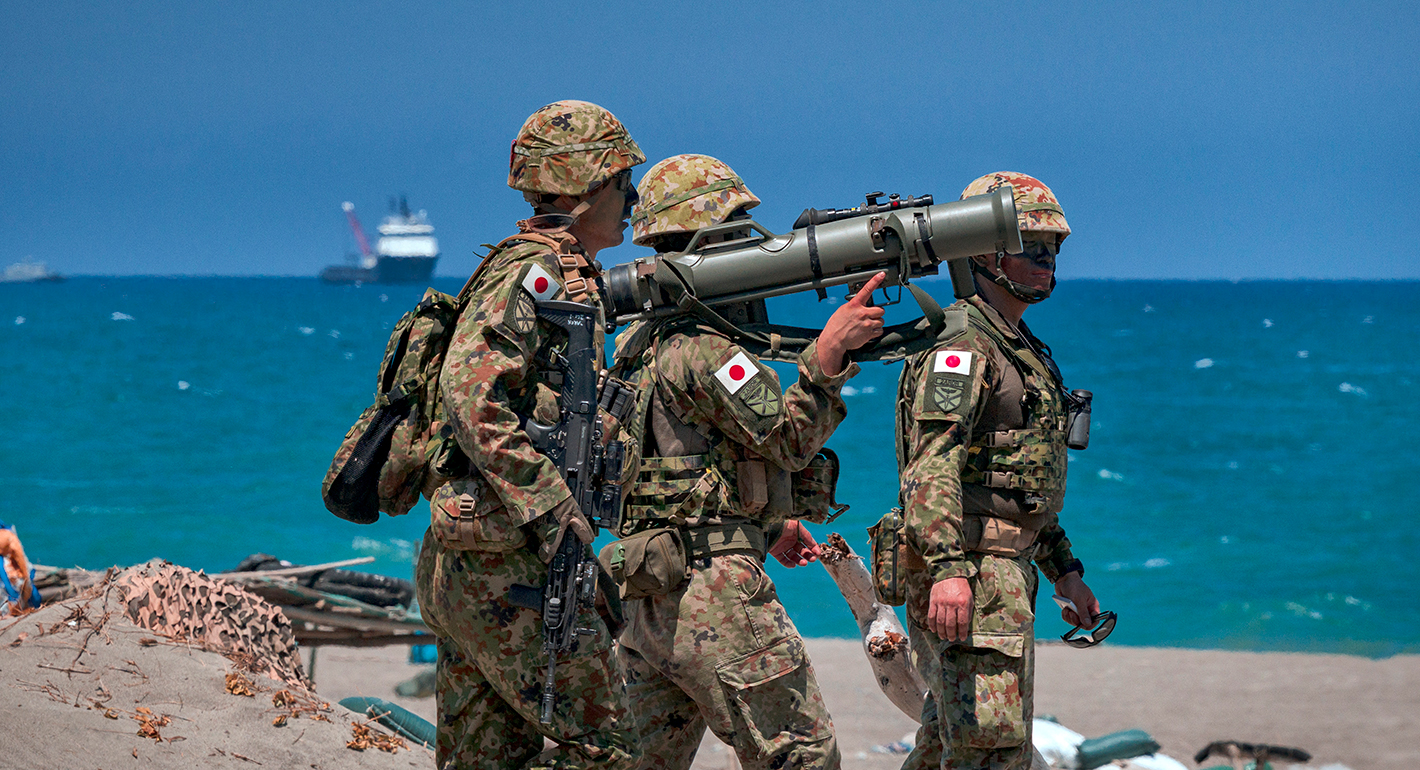
Japan’s revision of its three strategic documents reflects an intention to keep the United States engaged in the region while Japan fills any vacuums of U.S. power to preserve the Indo-Pacific order.

Ryo Sahashi

Chinese biotech companies have been on the receiving end of U.S. economic coercion. Yet their responses have differed significantly because firm and state interests are not uniformly aligned. For Washington, treating all Chinese tech firms the same, irrespective of their actual interests, risks pushing them farther into Beijing’s corner.

Xue Gong
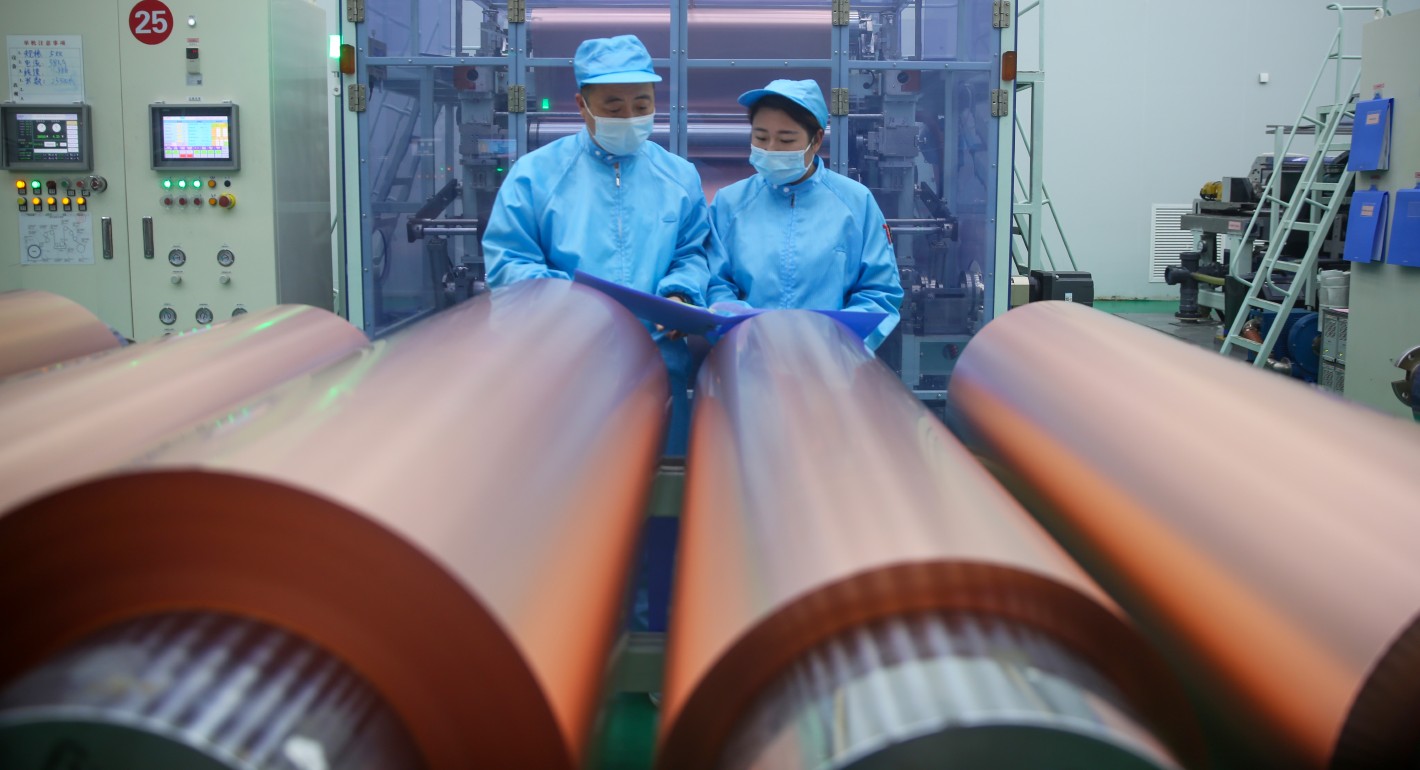
Over the past decade, China has moved from marginal player to major producer of all things batteries. The United States, Europe, and others are aiming to balance the market.

Milo McBride