

Research
- +5
Alper Coşkun, Fatih Ceylan, Tacan İldem, …
{
  "authors": [
    "Sinan Ülgen"
  ],
  "type": "legacyinthemedia",
  "centerAffiliationAll": "",
  "centers": [
    "Carnegie Endowment for International Peace",
    "Carnegie Europe",
    "Malcolm H. Kerr Carnegie Middle East Center"
  ],
  "collections": [
    "Europe’s Southern Neighborhood"
  ],
  "englishNewsletterAll": "",
  "nonEnglishNewsletterAll": "",
  "primaryCenter": "Carnegie Europe",
  "programAffiliation": "",
  "programs": [],
  "projects": [],
  "regions": [
    "Middle East",
    "Levant",
    "Syria"
  ],
  "topics": [
    "Political Reform",
    "Security",
    "Military"
  ]
}
Source: Getty
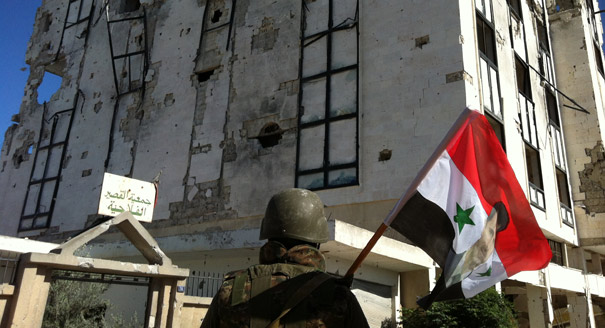
If a Security Council resolution for a military intervention in Syria is not realistic politically, there are at least three other options.
Source: BBC World News
For a military intervention to really enjoy full legitimacy, a UN Security Council resolution would be needed - and for that the legal basis would be Article 39 and Article 42 of the UN Charter.
If a Security Council resolution is not realistic politically, there are at least three other options.
The first option is to remain in the UN system and invoke a provision that has been used once before - in the 1950s during the Korean crisis - when the Security Council was blocked.
The parties moved to get a resolution from the UN General Assembly. That does not have the same legal weight, but nonetheless it could be something to take into consideration because that would be recognition of a potential operation with [some] political legitimacy - especially if there is a mass vote in favour.The other options would be outside the UN framework.
One lies under the "Responsibility to Protect" (R2P) concept.
The 1999 Kosovo operation did not receive a UN mandate, but went ahead nonetheless on the basis of the R2P principle. The quest to find a sound legal basis for Kosovo-type interventions [later] led to the codification of R2P in 2005.
The third option is one which would come into force if Syria were deemed to have violated one of the legal obligations of the international order by using chemical weapons, which have been banned under the 1925 Geneva Protocol.
This third option was not used in Iraq in 1988, when Saddam Hussein's regime used chemical weapons against the Kurds. But nonetheless there might be an opportunity today to invoke this specific legal justification on the basis that Syria has violated its commitments under the Protocol.

Senior Fellow, Carnegie Europe
Sinan Ülgen is a senior fellow at Carnegie Europe in Brussels, where his research focuses on Turkish foreign policy, transatlantic relations, international trade, economic security, and digital policy.
Recent Work

Alper Coşkun, Fatih Ceylan, Tacan İldem, …
Carnegie does not take institutional positions on public policy issues; the views represented herein are those of the author(s) and do not necessarily reflect the views of Carnegie, its staff, or its trustees.
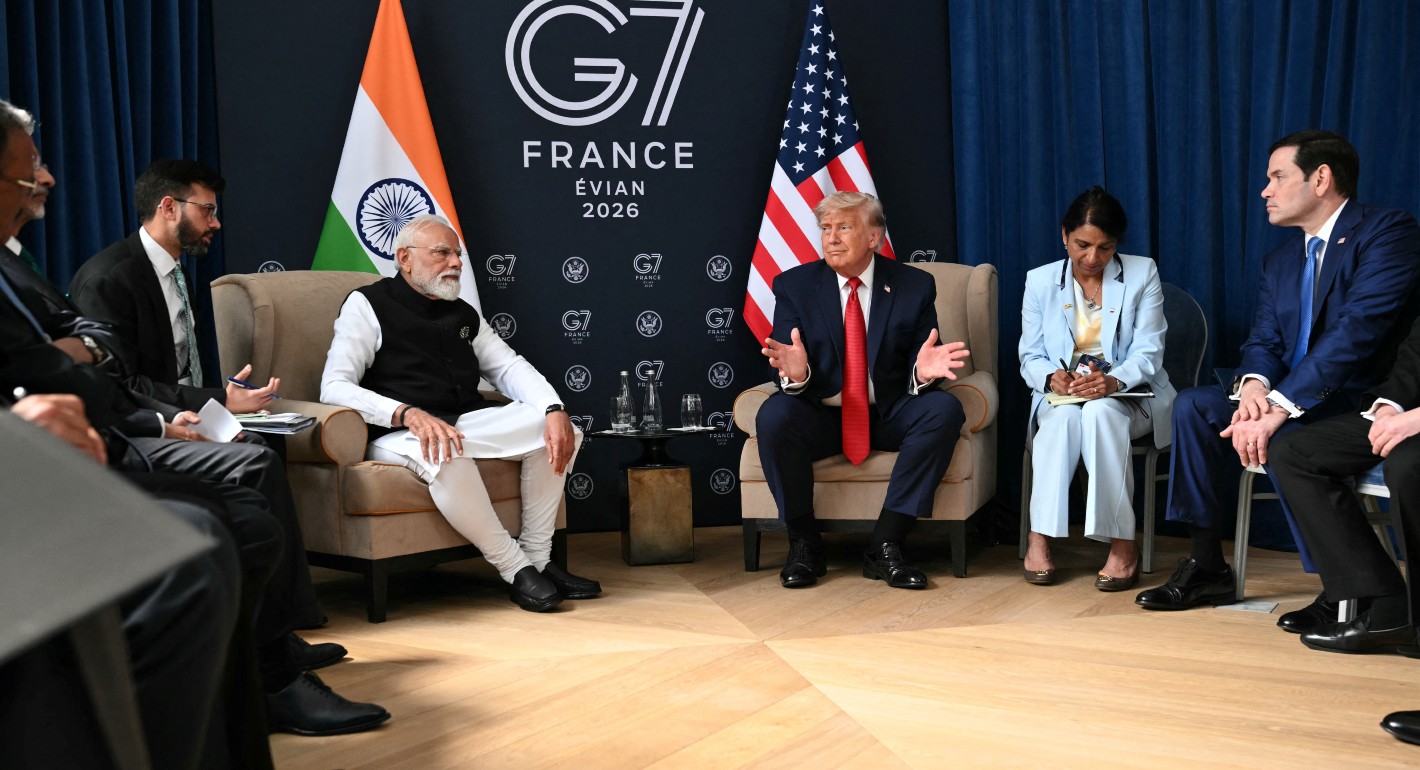
Despite public disputes over trade and immigration, the strategic partnership’s foundations remain sturdy.
Sameer Lalwani
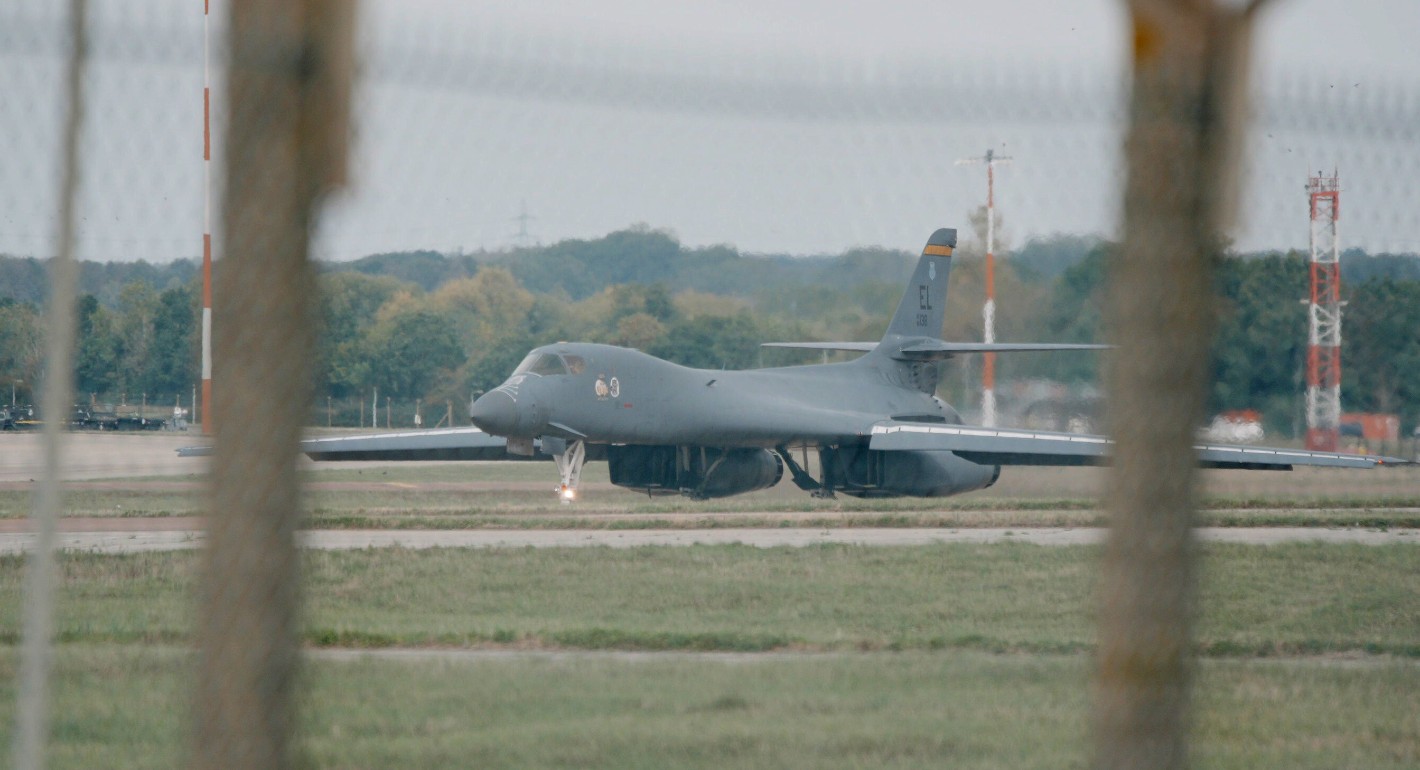
It signals a new era of tech diffusion and warfare.

Steve Feldstein

With its public finances in shambles, the far right polling at 35 percent ahead of the 2027 presidential election, and a growing protest movement, is France’s crisis a threat to the EU’s geopolitical awakening?

Rym Momtaz, ed.

Putin’s conservative staffing policies and search for ever greater control have cemented parliament’s transformation into a bureaucratic appendage of the executive branch.

Andrey Pertsev

Russia’s AI-driven propaganda campaigns operate in a fragmented, chaotic, and often illogical manner. That’s not necessarily a problem for the Kremlin, though: It’s much easier to mimic genuine public debate that way.

Ilya Klishin