

Article
C. Raja Mohan, Darshana M. Baruah
{
  "authors": [
    "C. Raja Mohan"
  ],
  "type": "legacyinthemedia",
  "centerAffiliationAll": "dc",
  "centers": [
    "Carnegie Endowment for International Peace",
    "Carnegie India"
  ],
  "collections": [],
  "englishNewsletterAll": "ctw",
  "nonEnglishNewsletterAll": "",
  "primaryCenter": "Carnegie India",
  "programAffiliation": "SAP",
  "programs": [
    "South Asia"
  ],
  "projects": [],
  "regions": [
    "South Asia",
    "India",
    "Afghanistan",
    "Pakistan"
  ],
  "topics": [
    "Security",
    "Foreign Policy"
  ]
}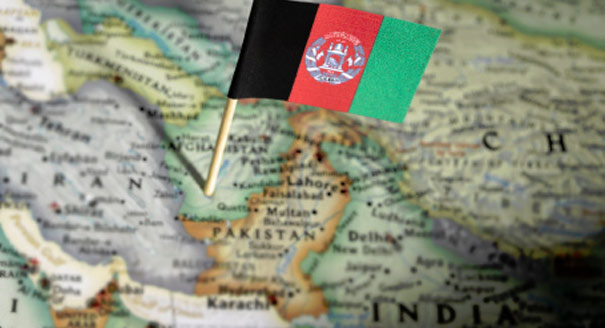
Source: Getty
Delhi must engage all forces in Afghanistan and focus on insulating India from the negative consequences of the new phase that has begun to unfold on India's northwestern frontiers.
Source: Indian Express
"It is Hamid Karzai's 20th mistake," a sceptical newspaper in Kabul declared as the Afghan president embarked on his 20th trip to Pakistan this week. Since he became president in 2002, Karzai has been acutely conscious of the fact that Pakistan is the single most important external factor shaping the prospects for reconciliation, peace and economic progress in Afghanistan.
The U.S. might have the money and muscle, but it can't stay in Afghanistan forever. Geography, in the form of an open border of 2,500 km, has given Pakistan an enduring influence in Afghanistan. As the Taliban insurgency regained momentum since 2004, Karzai argued that the international community must focus on the militant sanctuaries in Pakistan. No counter-insurgency in the world, after all, has succeeded when a neighbouring country supports those fighting the legitimate government next door.Although he constantly complained about the destabilisation of Afghanistan from across the Durand Line, Karzai had to perforce seek a political accommodation with Pakistan. He, however, has little leverage to persuade the Pakistan army to change its Afghan policy. The contradictions between the interests of Afghanistan and those of the Pakistan army are real and not easy to overcome. Rawalpindi wants a weak Afghan state and Karzai wants to build a strong republic. The Pakistan army seeks extra-territorial influence in Afghanistan by reinstalling the Taliban in Kabul. Karzai is open to a reasonable settlement in which the insurgency joins the mainstream within the framework of the current Afghan constitution. The Taliban, however, is reluctant to engage Kabul.
From a practical perspective, Pakistan has little incentive to make nice to Karzai. The Taliban insurgency has gained ground in the southern and eastern provinces bordering Pakistan in the last few years. The U.S. is all set to end its combat role in Afghanistan by the end of 2014. Meanwhile, Karzai's second term as president comes to an end early next year.
The Afghan president, despite his weak hand, can't really stop the engagement with Pakistan and could not decline the invitation for talks from the newly elected leader, Nawaz Sharif. At a news conference before leaving Kabul on Monday, Karzai praised Sharif for having "all the right intentions for stability and peace", but was not sure if Sharif could deliver the Taliban to the negotiating table. When Sharif's top adviser on foreign policy, Sartaj Aziz, travelled to Kabul a few weeks ago to invite Karzai to Islamabad, the Afghan president sought to set some preconditions for his visit, especially on Pakistan's support for peace talks with the Taliban. There has been no indication that those terms had been met.
Karzai's decision to extend his stay in Islamabad by a day has been widely interpreted as a sign of some progress in his talks with Sharif. His emphasis was on the need for a joint fight by the two countries against extremist violence and the importance of Pakistan persuading the Taliban to join the reconciliation process.
Sharif said all the right things about backing an "Afghan-owned and Afghan-led peace process", but there was no public indication as to whether he has met any of the items on Karzai's agenda. The next few weeks will show if Sharif can match his words with deeds. Kabul has long been convi-nced that the war in Afghanistan can come to an end within weeks if Rawalpindi so desired. Optimists would say Sharif might be strong enough to define a new approach to Afghanistan. Pessimists would demur and say the Pakistan army will never cede control over Afghan policy to the civilians.
Whatever happens between Kabul and Rawalpindi, India has no reason to get too anxious. Despite much hype about India-Pakistan rivalry in Afghanistan, their roles in the latter have never been symmetric. New Delhi has no reason to see itself in competition with Rawalpindi in Afghanistan. It is quite conscious of the limitations imposed by geography. Realists in Delhi are aware that Kabul and Islamabad will take long to make sense of their mutual vulnerabilities and resolve their fundamental contradictions. Delhi, then, must engage all forces in Afghanistan and focus on insulating India from the negative consequences of the new phase that has begun to unfold on India's northwestern frontiers. If Delhi holds its nerve and plays well the few cards it has, India could yet have some impact on the evolution of the Af-Pak dynamic.
This article was originally published in the Indian Express.
Former Nonresident Senior Fellow, Carnegie India
A leading analyst of India’s foreign policy, Mohan is also an expert on South Asian security, great-power relations in Asia, and arms control.
Recent Work

C. Raja Mohan, Darshana M. Baruah


Alexander Gabuev, Paul Haenle, C. Raja Mohan, …
Carnegie does not take institutional positions on public policy issues; the views represented herein are those of the author(s) and do not necessarily reflect the views of Carnegie, its staff, or its trustees.
Russia’s maximalist demands are preventing any serious attempt at ending the war in Ukraine. To make peace a realistic prospect, Putin must recognize that diplomacy is a two-way street.
Kadri Liik
An overreliance on coercive military action has moved the United States further from its goals in the Middle East and North Africa.
Amr Hamzawy, Kathryn Selfe
The concrete goal of an end to the hostilities in Ukraine has been replaced by a host of vague Russian demands concerning a range of issues and regions.
Alexander Baunov

In an increasingly competitive landscape, Seoul should expand its current partnership with Washington and deepen ties with Brussels and New Delhi.

Darcie Draudt-Véjares, Milo McBride
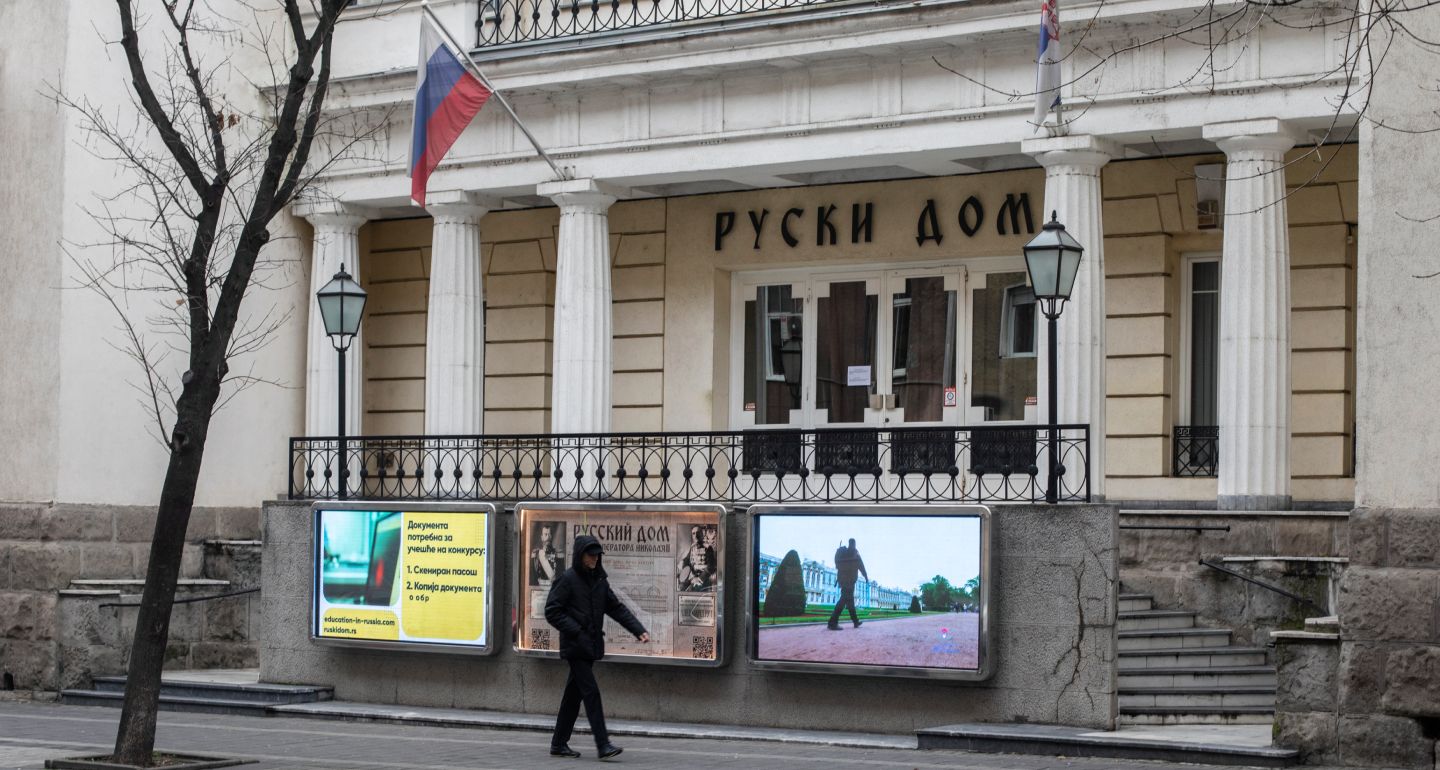
It’s a testing time for Russia’s policy in Serbia and the wider region, but it would be premature to conclude from one political setback that the days of Russian influence are over.

Dimitar Bechev